
Golf buggy finance: funding a new or used buggy fleet
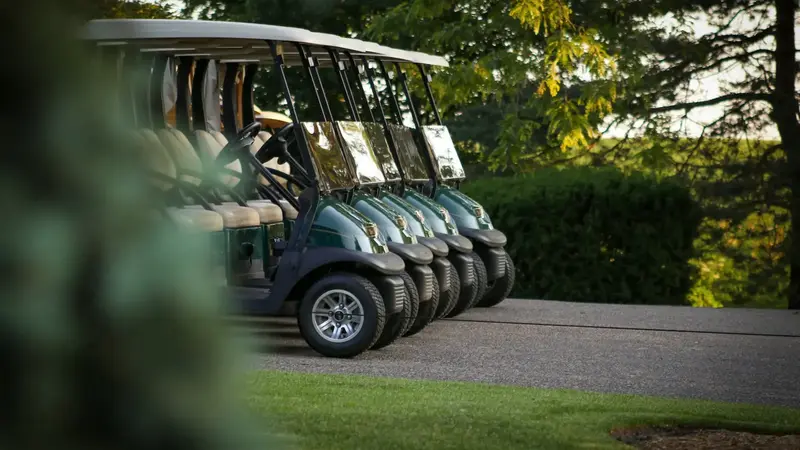
Golf buggy finance spreads the cost of a buggy fleet over several years, usually through hire purchase or leasing secured on the buggies. Lenders are…

How golf clubs and courses fund buggies, course machinery, clubhouse works, irrigation and course purchases, and what lenders look at before they lend.
Explore funding options Prefer a quick call back? Leave your number
“Fantastic customer service, highly recommend!”
In short
Supporting golf clubs at every stage.
Lenders look most closely at membership and green fee income, who owns the land, the club's legal structure and how the club copes with quieter winter months.
The operating cycle
Cash leaves the business at every stage before it comes back. Each stage below is a point where the right facility can carry the gap.
“He is fair and always gives advice that is in the best interest of his clients.”
Subscriptions collected around the annual renewal date.
Revolving credit →Mowers, tractors and sprayers kept running all year.
Machinery finance →Green fees, societies and buggy hire through the summer.
Buggy finance →Bar, catering and functions, with refits every few years.
Fit-out finance →Fewer visitors while staff, rates and energy carry on.
Working capital →Irrigation, greens, bunkers or new facilities.
Secured loans →Buying the freehold or another course.
Commercial mortgage →About golf club finance
Specialist knowledge. Better outcomes.
This page is for people running or buying a golf club: proprietary courses owned by a company or family, members' clubs, golf hotels and resorts, driving ranges, pitch and putt and indoor golf venues. Smart Funding Solutions is a broker, not a lender: we search a panel of 300+ lenders and arrange facilities from £10,000 to £20 million. This page is part of our leisure business finance guides.
More detail on specific needs within this topic.
Golf buggy finance spreads the cost of a buggy fleet over several years, usually through hire purchase or leasing secured on the buggies. Lenders are…
Golf course machinery finance spreads the cost of greenkeeping equipment, such as greens, fairway and rough mowers, tractors, sprayers, aerators and utility…

Golf simulator finance for a business is usually hire purchase or leasing on the launch monitors, projectors, computers and enclosures, with the building…
Driving range finance for bays, technology and range purchases
How to open an indoor golf centre: site, planning, costs and funding
Choose the need, and we’ll show you how lenders usually structure it.
Golf buggies are standard, mobile assets with a used market, so most asset finance lenders are comfortable funding them on hire purchase or leasing. Our page on golf buggy finance covers fleet replacement, batteries and charging.
Greenkeeping machinery is usually funded on hire purchase or leasing, either machine by machine or as a fleet. See golf course machinery finance for how clubs plan replacement cycles.
An irrigation system is part equipment and part works. Pumps and control systems can sometimes be funded as assets, but pipework, drainage, green and bunker construction cannot be removed, so lenders give them little security value. These works are usually funded with a term loan, a secured business loan against the club's property, or the club's own reserves.
Refurbishing a bar, kitchen, function room or changing rooms is closer to a hospitality fit-out. Our page on fit-out and refurbishment finance explains how lenders treat these costs, and kitchen equipment and furniture can often go on asset finance alongside.
Ball-tracking systems, range bay equipment, ball dispensers and indoor simulators can usually be funded on asset finance, secured on the equipment. Lenders look at the supplier and whether the kit can be removed and resold. See golf simulator finance, driving range finance and our guide on how to open an indoor golf centre.
A golf course is a specialist trading property, valued largely on what it earns as a golf business, so fewer lenders will fund one than a standard commercial building. A commercial mortgage can fund the purchase of a trading course or its freehold, and our commercial property refinance page covers moving existing borrowing. Buying a club as a going concern may also involve acquisition finance.
A revolving credit facility or working capital loan can bridge the months between subscription renewals, and VAT loans spread a large quarterly bill.
Golf clubs with tennis courts on site, or plans to add them, can see how lenders treat resurfacing, floodlights and covered courts in our tennis club finance guide.
A golf club's income usually comes from several streams at once. Members' subscriptions are often collected around an annual renewal date, which can leave a club with plenty of cash in spring and less by the autumn. Green fees, visitor and society bookings, competitions and corporate days add income in the playing season. The clubhouse bar, catering, functions and weddings, the pro shop, buggy hire and a driving range can all make a real difference to the margin.
The costs are heavy and steady. Greenkeeping staff, a fleet of mowers and utility vehicles, fuel, fertiliser, irrigation, water, energy, business rates and clubhouse upkeep run all year, while visitor income falls away in winter and in wet spells. Machinery, buggies, bunkers, paths and irrigation all need replacing on a cycle, and clubhouses tend to need large refurbishments every so often. Good golf club finance matches each of those costs to the right kind of borrowing.
How a club is set up decides which lenders can help. A proprietary club owned by a limited company borrows like any other business, usually with the directors' personal guarantees. A members' club may be an unincorporated association, a company limited by guarantee, a community benefit society or a registered community amateur sports club (CASC).
An unincorporated club has no separate legal identity, so it cannot borrow or give security in its own name; borrowing usually has to be arranged through trustees or a club company, and fewer lenders will consider it. A club registered as a CASC has rules on how it uses its income and assets, set out in HMRC's CASC guidance. Check your club's rules on borrowing, and whether members need to vote, before you apply.
Golf income is sensitive to the weather and to membership trends, so test repayments against a cautious year, not a good one. Borrowing over a long term for assets that wear out quickly can leave a club paying for machinery it has already replaced. For proprietary clubs, personal guarantees are common; our guide to personal guarantees explains what that means. Members' clubs should be clear about who carries the liability if the club cannot pay.
Before borrowing, consider whether a supplier finance offer, a members' levy or debenture, or grant funding from Sport England for community use would cover part of the cost. Capital allowances such as the Annual Investment Allowance may apply to some equipment; ask your accountant how they apply to your club.
Numbers, trends over recent years, renewal rates, any waiting list and the age profile of the membership.
Green fees, societies, corporate days and how dependent the club is on them.
Bar, catering, functions and pro shop income, and the margins on each.
Whether the club owns the course, holds a long lease or rents it, and how long is left on any lease.
The experience of the owners, general manager and committee, and how decisions are made.
Debentures, member loans and existing facilities, and how the new borrowing fits around them.
| Cost | Finance that often fits | Why |
|---|---|---|
| Buggies and utility vehicles | Hire purchase or leasing | Mobile assets with a used market |
| Mowers, tractors and sprayers | Hire purchase or leasing | Secured on machinery that can be resold |
| Irrigation, drainage and course works | Term loan or secured loan | Spreads costs that cannot be repossessed |
| Clubhouse refurbishment | Fit-out finance or a term loan | Mostly works, with some equipment |
| Range bays and simulators | Asset finance | Removable equipment from known suppliers |
| Buying the course or freehold | Commercial mortgage | Long term, secured on the property |
| Gaps before renewals | Revolving credit | Draw when needed, repay when subscriptions arrive |
We look at the whole plan, split it into the parts different lenders will fund, and approach lenders on our panel suited to each. For a trading club we present membership, green fee and function income the way underwriters read it, and for a members' club we check the structure before any application goes in. If you are thinking of adding courts, see padel court finance, and our sports business funding guide covers grants and sponsorship alongside borrowing. It is free to enquire; any broker fee is disclosed separately before you proceed.
Often, yes, but the club's legal structure matters. A club that is a company limited by guarantee or a community benefit society can borrow in its own name. An unincorporated club usually borrows through trustees, and fewer lenders will consider it. Most lenders will want to see that the members or committee have approved the borrowing under the club's rules.
Yes, from a smaller group of lenders. A course is valued largely on its trading performance, so lenders want accounts, membership and visitor figures and a credible plan from the buyer. A meaningful deposit is usually needed. See commercial mortgages.
Usually with hire purchase or leasing, secured on the buggies or machinery themselves. Many clubs replace their fleet on a cycle and finance each batch as it arrives. See golf buggy finance and golf course machinery finance.
Partly. Pumps and control systems can sometimes be funded as equipment, but pipework and installation cannot be removed, so they are usually funded with a term loan, a secured loan or the club's reserves.
Often, if the club's figures support it. Moving short-term or expensive debt onto a longer term can ease monthly payments. See refinancing a business loan.
Instant Quotes shows which lenders on our panel are likely to fit your club, with no credit search. Course purchases and refinancing are then priced after a specialist valuation.
Football club finance usually combines a term loan or secured loan for 3G pitches and building works, asset finance for…
Sports club loans usually combine a term loan or secured loan for clubhouse and pitch works, asset finance for machinery and…
Cricket club finance usually means hire purchase or leasing for mowers, rollers, covers and scoreboards, and a term loan,…
Rugby club finance usually combines asset finance for floodlight fittings, machinery and minibuses with a term loan or secured…
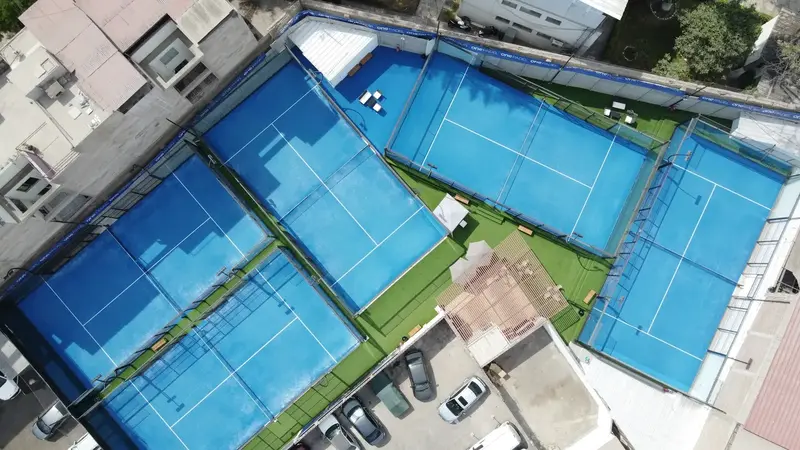
Padel club finance usually combines asset finance for the courts, lighting and any canopy, a term loan or fit-out facility for…

Tennis club finance usually combines a term loan or secured loan for court building and resurfacing, asset finance for…
What our clients say
“Simon was fast, kept us updated at all stages and was a real pleasure to work with on our asset finance. I highly recommend this company: excellent service all round.”
“Spoke with Simon, who managed to get me the loan I needed promptly. The whole process was very smooth and was completed within a few days.”
“Getting a business loan can feel like a bit of a minefield, but everything was broken down for me in great detail. Will use again in the future!”
“Simon was a pleasure to deal with and helped us find a business loan that matched our growth goals and future expansion plans.”
“I couldn’t source funding for my business, but the team got in touch within an hour and had it sorted within 24 hours. Fantastic service, and I would definitely use them again.”