

Electrical contractor finance for installers, testers and M&E subcontractors
Electrical contractor finance covers vans and test equipment on asset finance, invoice finance against maintenance, testing and…

Funding for electricity, gas, water and fibre network contractors: plant and fleet finance, invoice funding on framework work and what lenders check.
Explore funding options Prefer a quick call back? Leave your number
“I would recommend them to anyone.”
In short
Supporting utility contracting businesses at every stage.
Lenders focus on concentration on a single client, the gap between what is applied for and what is certified, contra charges for reinstatement, and whether the street works qualifications and industry registrations that keep the work flowing are current.
The operating cycle
Cash leaves the business at every stage before it comes back. Each stage below is a point where the right facility can carry the gap.
“I highly recommend this company: excellent service all round.”
Orders, contracts or customers secured.
Stock, materials and equipment paid for up front.
Asset finance →Wages and suppliers paid on time.
Working capital →The work is done or the goods are sold.
Customers pay, sometimes weeks later.
Invoice finance →VAT and Corporation Tax fall due.
HMRC loans →Growth, a new site or new equipment.
Business loans →About utility contractor finance
Specialist knowledge. Better outcomes.
This page is for contractors who build and maintain the networks under the street: electricity cabling and substations, gas mains and services, water mains and connections, and fibre and duct for telecoms. Some work as subcontractors to tier-one civils firms, some hold their own frameworks with network operators, and some carry out contestable connections for developers. Smart Funding Solutions is a broker, not a lender: we search our panel of 300+ lenders for facilities from £10,000 to £20 million. For the wider sector, see our construction finance hub.
Choose the need, and we’ll show you how lenders usually structure it.
Asset finance is the backbone of most utility contractors' borrowing. Mini excavators, dumpers and vans are well understood by lenders and hold resale value; specialist kit such as drilling rigs or vacuum excavators is fundable but some lenders want a larger deposit. See plant and machinery finance for how terms and balloons work. If you own plant outright, asset refinancing can release cash against it.
Invoice finance releases cash once work has been applied for and certified. Utility contractors are often concentrated on one or two clients, which some lenders will not accept; high-concentration invoice finance exists for exactly that position. For funding the gap before work is certified, see our page on construction contract funding.
A term loan suits a one-off mobilisation or the cost of gaining a new registration or framework place. Revolving credit suits recurring gaps between paying gangs and receiving the monthly certificate. Unsecured facilities usually need a personal guarantee.
Most network work is let under term or framework contracts, very often NEC forms, and paid monthly against measured work or a schedule of rates. The contractor submits an application, the client or tier-one contractor assesses it, and payment follows on the contract's terms, often 30 days or more after assessment. Disputed measurements, compensation events still awaiting agreement and contra charges for reinstatement defects all reduce what is actually paid. Retentions are still common in tier-two and tier-three subcontracts.
Meanwhile the costs are immediate: gangs paid weekly, plant hire or finance payments, materials such as cable, duct and fittings, fuel, traffic management and permit fees. A contractor that wins a new framework lot can find itself funding two or three months of work before the first payment arrives. Payment rights for this kind of work are set by Part II of the Housing Grants, Construction and Regeneration Act 1996, which covers pipelines, power lines and telecommunications apparatus, so payment notice and pay-less notice rules apply.
Network programmes are driven by regulatory price controls and the owner's investment plans, and work can slow at short notice when a programme is re-phased. Fibre subcontractors saw this when several network builders cut back their rollouts. Financing a fleet sized for peak volumes leaves fixed repayments if call-offs fall, so keep some capacity on short-term hire. Invoice finance with one dominant client means a dispute with that client affects both your income and your funding at the same moment. Personal guarantees and an all-assets debenture are common; read the terms carefully before signing.
Before borrowing, check whether a client offers early payment or supply chain finance on certified invoices, and whether the wider range of business finance would serve better than adding to an existing facility. Electrical installers working inside buildings rather than on networks should see our electrical contractor finance page, and fibre specialists our page on telecoms business finance.
How much turnover comes from one network operator or one tier-one contractor, and how long the relationship and framework have left to run.
The gap between what you apply for and what is assessed. A persistent shortfall suggests over-application or weak site records.
Defects in road reinstatement can lead to charges from highway authorities and clients; lenders ask how often these arise.
Supervisors and operatives need recognised qualifications to dig in the highway, explained in the government's street works qualifications guidance. Contestable work also needs the relevant industry registration, such as NERS for electricity connections. Losing either stops the income.
Retentions held, when they are due back, and any performance bonds the contractor has had to provide.
Whether financed kit is working, sitting in the yard between call-offs, or could be hired out.
Cable strikes and gas incidents carry serious consequences; clients audit safety and so do some lenders.
It is harder, because lenders want to see a record of applications being paid. A signed framework, a client with a strong payment record and directors with industry experience help. Asset finance is usually the most accessible first facility, with invoice finance added once a few months of certified payments exist.
Most invoice finance lenders fund only certified or agreed sums. A few construction specialists will advance a smaller percentage against applications under recognised contract forms, but expect closer monitoring.
They count in your accounts, but lenders rarely advance against them because they are only payable after the defects period and may be offset against claims. Some will consider them towards the end of the period if the release date is clear.
It depends on utilisation. If the machine would be working most weeks across your contracts, financing it is usually cheaper than long-term hire. If it is needed only for occasional jobs, hiring keeps the cost off your balance sheet.
For unsecured term loans and revolving credit, usually yes. Asset finance is secured on the plant and vehicles themselves, so the need for a guarantee there depends on the lender, the kit and the strength of the business. Invoice and contract finance providers may also ask directors for a guarantee or indemnity, particularly where turnover is concentrated on one client. Our guide to personal guarantees explains what you would be signing.
Yes. Buying an established utility or streetworks contractor is usually funded with acquisition finance: a loan sized on the business's recent profits, your own contribution and sometimes part of the price paid to the seller after completion. Lenders look most closely at the frameworks and network operator contracts, accreditations, the plant fleet and its finance, and retentions and work in progress. You can see which lenders on our panel fund purchases like yours with Instant Quotes.
Electrical contractor finance covers vans and test equipment on asset finance, invoice finance against maintenance, testing and…

Scaffolding firms usually borrow for two reasons: to build stock and lorries before they can quote for bigger jobs, and to pay…
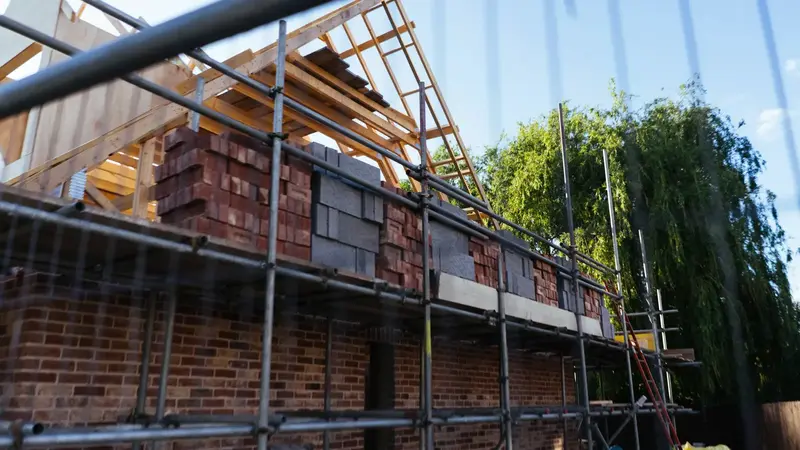
JCT contract finance funds the cash a contractor lays out between doing the work and being paid under a JCT or similar building…

Most civil engineering contractors fund each part of the cash gap separately. Plant goes on hire purchase or leasing; the wait…
For construction plant, the choice usually comes down to how long you need the machine. Hire purchase suits excavators, dozers…

Builders' merchants are usually funded against what they hold: invoice finance on the trade ledger, stock finance for bulk buys…
What our clients say
“Simon was fast, kept us updated at all stages and was a real pleasure to work with on our asset finance. I highly recommend this company: excellent service all round.”
“Spoke with Simon, who managed to get me the loan I needed promptly. The whole process was very smooth and was completed within a few days.”
“Getting a business loan can feel like a bit of a minefield, but everything was broken down for me in great detail. Will use again in the future!”
“Simon was a pleasure to deal with and helped us find a business loan that matched our growth goals and future expansion plans.”
“I couldn’t source funding for my business, but the team got in touch within an hour and had it sorted within 24 hours. Fantastic service, and I would definitely use them again.”