
Trampoline park and indoor leisure finance
Trampoline parks and other indoor leisure sites usually fund their installed attractions with equipment finance, the building…
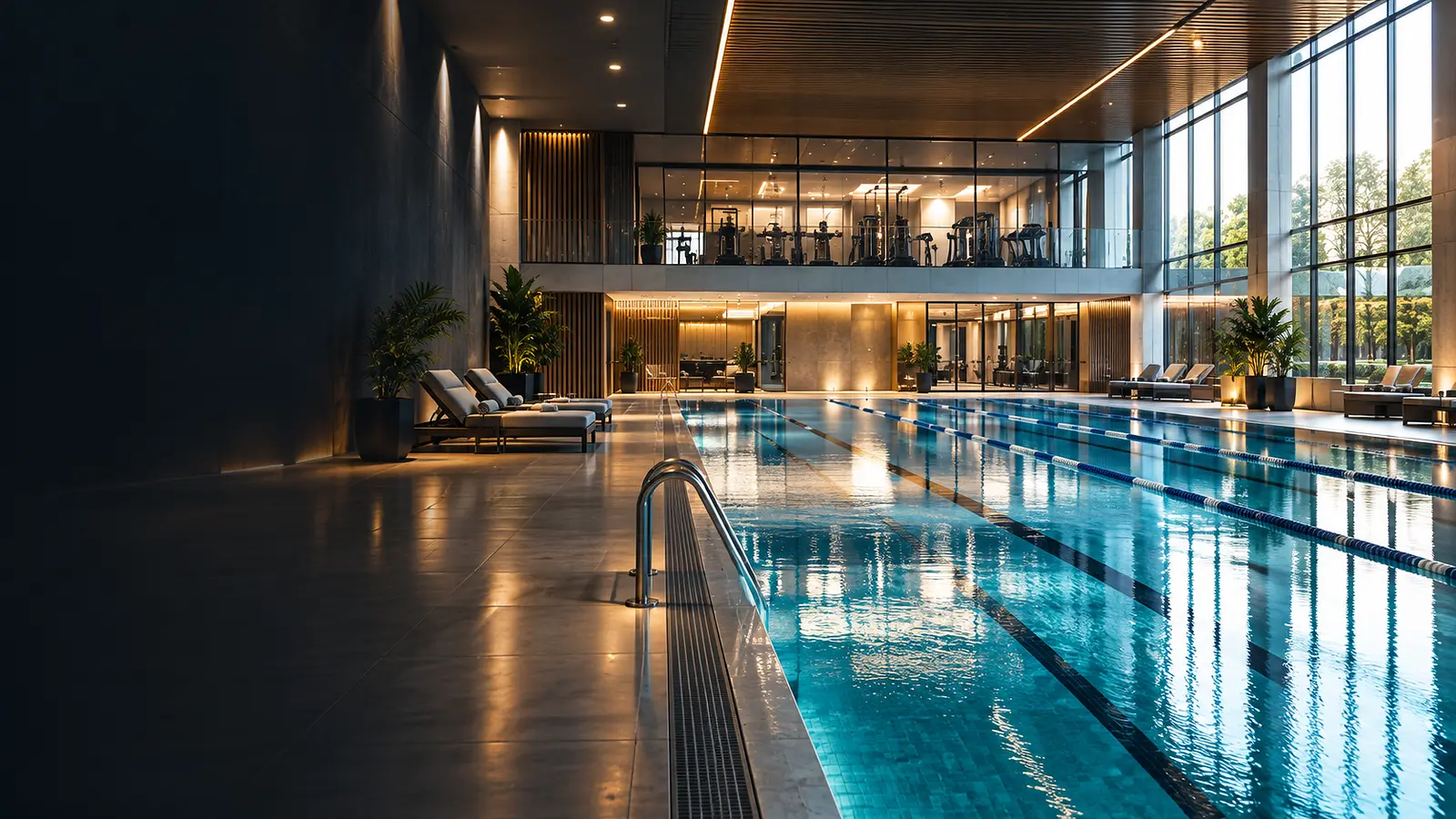
How leisure centres, swimming pools, swim schools and leisure trusts fund pool plant, energy projects and refurbishment, and what lenders look at first.
Explore funding options Prefer a quick call back? Leave your number
“An excellent company that provided funding options quickly.”
In short
Supporting leisure centres at every stage.
Lenders look most closely at security of tenure, membership and lesson income, energy costs and, for trusts and community pools, the organisation's power to borrow.
The operating cycle
Cash leaves the business at every stage before it comes back. Each stage below is a point where the right facility can carry the gap.
“He is fair and always gives advice that is in the best interest of his clients.”
Monthly direct debits from swim and gym members.
Swim school terms booked and paid in advance.
Filtration, heating and air handling running every day.
Asset finance →Heating water and air is one of the biggest costs.
Renewable energy finance →Changing rooms, tiling and pool halls wear over time.
Fit-out finance →A new site or extra facilities.
Commercial mortgage →About leisure centre finance
Specialist knowledge. Better outcomes.
This page is for people running swimming pools and leisure centres: independent leisure centre operators, leisure trusts and community operators running council-owned centres, swim schools with their own teaching pool, community pools run by volunteers, and hotels, schools and holiday parks whose pools are open to paying members or the public. Smart Funding Solutions is a broker, not a lender: we search a panel of 300+ lenders and arrange facilities from £10,000 to £20 million. This page is part of our leisure business finance guides. It covers finance for businesses and organisations operating pools, not finance for a private pool at home.
Choose the need, and we’ll show you how lenders usually structure it.
Filtration, pumps, dosing systems, UV units, boilers, pool covers, poolside inflatables and gym equipment can often be funded on asset finance, through hire purchase or leasing. Lenders are most comfortable with equipment from established suppliers that has a resale market. Plant that is built into the building, such as pipework, is closer to building works and is often funded with a term loan instead.
Pools are among the most energy-hungry buildings a business can run, so energy projects are a common reason to borrow. Heat pumps, solar PV, solar thermal and battery storage can often be funded with renewable energy finance, with repayments set against the expected savings.
Changing rooms, poolside works, tiling, ceilings and reception areas cannot be repossessed, so they are usually funded with a term loan or fit-out and refurbishment finance. A swim school fitting out a leased unit with a teaching pool will usually need the same approach, with the plant on asset finance alongside.
Cardio and strength equipment is usually funded on hire purchase or leasing; our page on gym and fitness centre loans explains how lenders look at membership income and churn.
Operators buying a freehold can look at a commercial mortgage, and owners can use property they already hold as security for a secured business loan. Buying an operating business is covered by acquisition finance.
A revolving credit facility or a working capital loan can cover a quiet summer, a large energy bill or the wait for a grant to be paid.
Operators adding outdoor or covered courts can see tennis club finance.
A leisure centre usually earns from several streams. Memberships, often by monthly direct debit, cover the gym, classes and swimming. Pay-and-play swims, lane hire for clubs, school swimming lessons and a learn-to-swim programme fill the pool timetable. Sports halls, courts, parties, a café and vending add more. Swim schools earn mainly from termly or monthly lesson fees, which gives them predictable income if their waiting lists hold up.
The costs are heavy and hard to cut. A pool has to be heated, the water treated and the air handled whether ten people swim or two hundred. Energy, chemicals, lifeguards and qualified pool plant operators run all year. Pool plant, filters, pumps, boilers and air handling units wear out on a cycle, and tiling, changing rooms and roofs need major work every so often.
Many public leisure centres are owned by a council and run by a leisure trust or a contractor under a management agreement. Others have been transferred to community groups. Some trusts are charities or community benefit societies, and some community pools are registered as a community amateur sports club; see HMRC's CASC guidance for the rules those clubs follow. A charity or society usually needs its governing documents to permit borrowing and its board to approve it, and our social enterprise finance page covers how lenders view these structures.
Where an operator does not own the building, lenders look closely at the length of the lease or management contract. A loan that runs beyond the contract, or a refurbishment of a building the operator might hand back, is harder to fund. Independent operators and swim schools trading as limited companies borrow like any other business.
Not-for-profit operators can also look at grants. Sport England and the other national sports councils run funding programmes for community facilities. Sport England's Swimming Pool Support Fund for public pools in England was open only to local authorities and has now closed.
Pools rarely make money on swimming alone, so test repayments against a cautious membership forecast and a realistic energy price. Energy savings projections are estimates; borrow on terms you could meet even if savings are lower. Finance for building works in a leased or council-owned building should end well before the lease or contract does. Directors of limited companies should expect personal guarantees; see our guide to personal guarantees. Borrowing of £25,000 or less by sole traders and small partnerships can be regulated consumer credit, which brings additional protections.
This page covers finance for businesses and organisations that run pools for members or the public. Finance for building or renovating a swimming pool at a private home is personal borrowing and outside its scope. Hotels with pools may also find hotel finance useful, and holiday parks should see caravan park and campsite finance. Indoor attractions such as climbing walls and bowling are covered in indoor leisure finance, and members' sports clubs in sports club finance.
Ownership, or a lease or operating contract that runs well beyond the finance term.
Membership numbers and trends, swim school lesson numbers and waiting lists, and club and school bookings.
How much energy costs, whether prices are fixed, and what the project will save.
Any condition survey, the age of plant and roof, and any known defects.
Lenders will not audit pool safety, but closures stop income. HSE guidance HSG179, Health and safety in swimming pools, sets out what is expected of operators.
For trusts and community groups, governing documents and board approval.
| Cost | Finance that often fits | Why |
|---|---|---|
| Filters, pumps, dosing and UV | Asset finance | Identifiable equipment from established suppliers |
| Heat pumps, solar and pool covers | Renewable energy finance or asset finance | Repayments can be set against energy savings |
| Changing rooms and poolside works | Fit-out finance or a term loan | Building works with little security value |
| Gym equipment | Hire purchase or leasing | Standard kit with a used market |
| Buying a freehold | Commercial mortgage | Long term, secured on the property |
| Seasonal dips and grant timing | Revolving credit or a working capital loan | Flexible, short-term borrowing |
We look at the whole project, split it into the parts different lenders will fund, and check the operator's structure and tenure before any application goes in. Where a grant covers part of the cost, we can look for commercial finance to sit alongside it. Our sports business funding guide covers grants and sponsorship in more depth. It is free to enquire; any broker fee is disclosed separately before you proceed.
Often, yes. Filters, pumps, dosing systems and UV units from established suppliers can usually be funded on hire purchase or leasing. Pipework and other plant built into the building is closer to building works and is usually funded with a term loan alongside.
Heat pumps, solar panels, pool covers and LED lighting are often funded with asset finance or renewable energy finance, with repayments set against the expected savings. Lenders test the installer's savings figures cautiously, so the project should still be affordable if savings come in lower.
Some can. Lenders look at whether the trust's governing documents allow borrowing, whether the board has approved it, and how long its lease or operating contract runs. Equipment that can be removed is usually easier to fund than works to a council-owned building.
It is possible, but lenders will look for teaching experience, a secure lease on the unit, a credible lesson forecast and a meaningful contribution from the owners. The fit-out is usually funded with a term loan and the pool plant on asset finance. See start-up business loans.
Sport England and the other national sports councils run funding programmes for community facilities, usually for not-for-profit organisations and with community access conditions. Sport England's Swimming Pool Support Fund was open only to local authorities and has closed. Commercial operators generally rely on commercial finance.
No. This page covers finance for businesses and organisations that run pools for members or the public. Building or renovating a private home pool is personal borrowing and outside our scope.
Yes. Buying a commercial leisure centre, swim school or pool business is usually funded with acquisition finance sized on its membership, lesson and pay-and-play income, the buyer's own money and, where the freehold is included, a commercial mortgage. Lenders look closely at the lease or freehold, the age of the pool plant and energy costs. You can check which lenders fit with Instant Quotes.
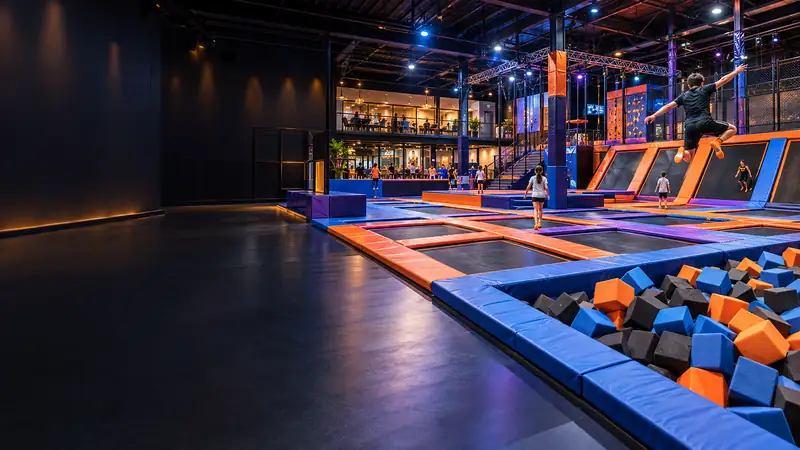
Trampoline parks and other indoor leisure sites usually fund their installed attractions with equipment finance, the building…

Most gyms split the funding: equipment finance or leasing for the gym floor, secured on the kit, plus an unsecured loan for…

To open an indoor golf centre, test local demand, find a unit with enough ceiling height and space for your bays, check…
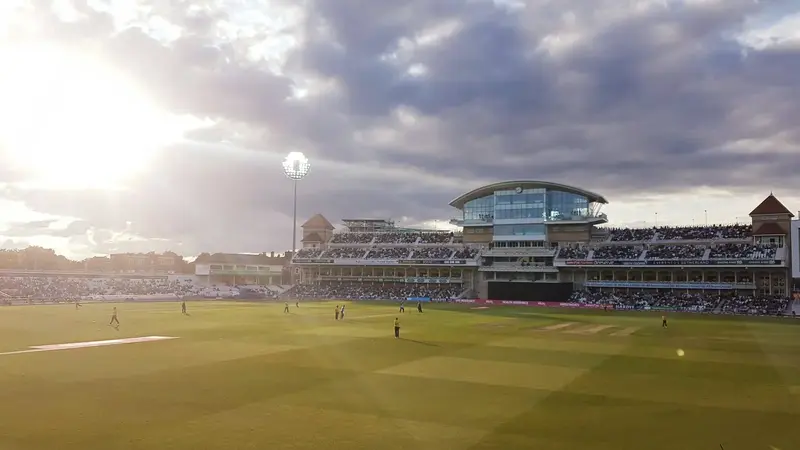
How a sports business is funded depends mostly on whether it is a commercial business or a community club. Commercial venues,…

Care home finance covers the borrowing residential and nursing homes use to buy homes, add bedrooms, refurbish, refinance and…

Day nurseries usually borrow to add rooms or sites, buy an existing setting, buy or improve their premises, or cover the cash…
What our clients say
“Simon was fast, kept us updated at all stages and was a real pleasure to work with on our asset finance. I highly recommend this company: excellent service all round.”
“Spoke with Simon, who managed to get me the loan I needed promptly. The whole process was very smooth and was completed within a few days.”
“Getting a business loan can feel like a bit of a minefield, but everything was broken down for me in great detail. Will use again in the future!”
“Simon was a pleasure to deal with and helped us find a business loan that matched our growth goals and future expansion plans.”
“I couldn’t source funding for my business, but the team got in touch within an hour and had it sorted within 24 hours. Fantastic service, and I would definitely use them again.”