
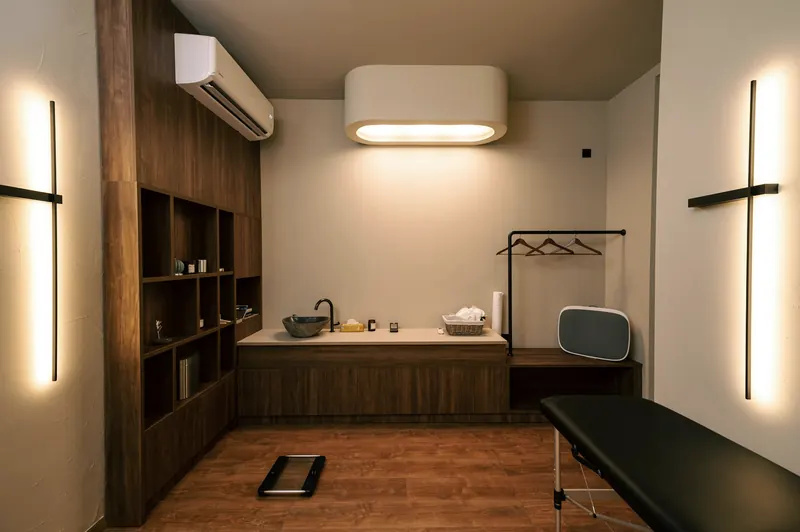
Private clinic start-up finance: funding a new healthcare clinic
Private clinic start-up finance usually comes from several sources at once, because few lenders will fund a clinic with no…

How cosmetic and aesthetics clinics fund lasers, treatment rooms, second sites and clinic purchases, and what lenders check before they agree.
Explore funding options Prefer a quick call back? Leave your number
“He knows his stuff and is easy to deal with.”
In short
Supporting practice owners at every stage.
Buying a clinic or premises needs acquisition or secured lending. Lenders focus on how dependent revenue is on one named practitioner, prepaid treatment packages, CQC or local licensing status and whether a new device will be used enough to pay for itself.
Finance across the lifecycle
The funding question changes as a practice moves from its first day to its next owner. These are the points where it usually arises.
“He is fair and always gives advice that is in the best interest of his clients.”
About cosmetic clinic finance
Specialist knowledge. Better outcomes.
This page is for owners of aesthetics clinics, skin clinics, laser and body-contouring studios, and CQC-registered cosmetic surgery providers who need money for equipment, a new treatment room, a second site or a clinic purchase. Smart Funding Solutions is a broker, not a lender: we search our panel of 300+ lenders and arrange funding from £10,000 to £20 million. Other professions are covered in our professional practice finance hub. Finance offered to your patients to pay for treatment is consumer lending and a separate matter; this page is about funding the clinic itself.
Laser hair removal platforms, skin resurfacing lasers, radiofrequency microneedling, HIFU and body-contouring machines are often the largest single purchase a clinic makes. Asset finance spreads the cost over the device's working life, with the device itself as the lender's main security. Our page on medical equipment finance covers how lenders value clinical kit, and used equipment finance is worth reading if you are considering a refurbished or ex-demonstration unit.
Clinical flooring, handwash basins, ventilation, lighting, consultation rooms and a reception that matches the price point. Fit-out work has almost no resale value, so it usually goes on an unsecured business loan or a dedicated fit-out and refurbishment facility rather than asset finance. Surgical providers building a procedure room or theatre face far higher specification costs and longer build times.
A second clinic carries rent, fit-out, devices and staff for several months before it reaches the first site's booking levels. Lenders want to see the original clinic's figures and a realistic ramp-up. If you are starting from scratch, our guide to private clinic start-up finance covers what lenders ask of a new business.
Acquiring a clinic brings a client list, trained staff and often a device estate. The price is mostly goodwill, which is why lenders look hard at how much of the client base is loyal to the brand rather than to an outgoing practitioner. See acquisition finance for how purchase funding is typically structured.
Lenders who understand the sector read an aesthetics clinic very differently from a GP surgery or a dental practice, because almost none of the income is contracted. It comes from individual clients paying at the desk, and the pattern has features a credit analyst will ask about:
Lenders are most comfortable with clinics that have traded through at least one full seasonal cycle, show steady card takings on merchant statements and can evidence qualified practitioners, treatment-specific insurance and, for surgical work, current CQC registration. Limited companies, partnerships and sole traders can all apply. Clinics led by, or working closely with, registered healthcare professionals who prescribe and supervise treatments generally find a wider choice of lenders than those reliant on a single non-medical injector. A clinic operating from rented rooms on a short licence, or with most turnover tied to one practitioner, can still borrow, but often only against a specific device. Salons adding a few treatments to a beauty offer may find our beauty salon finance page a closer match.
Illustration only, with round, hypothetical numbers. A clinic is quoted for a laser platform and the finance payments work out at £1,500 a month. After consumables, the practitioner's time and card fees, each treatment contributes around £75. The device needs 20 treatments a month simply to cover its finance payment, before any share of rent, marketing or insurance. If the clinic already has a waiting list for the treatment, that is realistic. If the plan relies on new demand that marketing has not yet produced, the payments start long before the bookings do. Running this sum before you sign is the single most useful thing you can do, and lenders will often ask for it.
The security depends on what is being funded. For a laser or body-contouring platform, the device is the main security under hire purchase or a lease, although a lender may want a larger deposit on a fast-dating model. Fit-out and working capital loans are usually unsecured, with personal guarantees from the owners in place of a charge over property. Buying an established clinic typically involves a debenture over the company's assets, guarantees and sometimes a charge over property, because most of the price is goodwill. A merchant cash advance is repaid from card takings, but providers often still ask for a guarantee covering the owner's conduct of the business. Our guide to personal guarantees explains what you are signing.
Device finance is typically arranged within a few days to two weeks once the lender has a supplier quote and your recent statements, and an unsecured fit-out or working capital loan usually takes one to three weeks. Opening a second site is paced by the lease and the fit-out programme more than by the lender, so arrange funding in principle before you commit to the premises. Buying a clinic takes longest, often a few months, because the lender reviews client retention, practitioner contracts and prepaid liabilities, and a surgical provider's purchase may need a new or amended CQC registration before completion. Having revenue by practitioner and the prepaid course balance ready speeds things up.
Energy-based devices lose value quickly as manufacturers release new generations, so a long hire purchase term on a platform you will want to replace in three years can leave you paying for obsolete kit. Most unsecured lending needs a personal guarantee from the owners, which puts personal assets behind the clinic's borrowing. A merchant cash advance can be convenient but expensive if takings are strong, because you repay faster without paying less. Before borrowing for growth, consider whether a device-share or room-rental arrangement with an established practitioner, or delaying a second site until the first is at capacity, would achieve the same result with less risk. Many aesthetics practitioners trade as sole traders; borrowing of £25,000 or less by sole traders and small partnerships can be regulated consumer credit, which brings additional protections. Our sole trader loans page explains what that means in practice.
Aesthetics is a sector some mainstream lenders avoid, and those that lend tend to focus on a small number of issues.
In England, cosmetic surgery falls within the CQC's surgical procedures regulated activity, so lenders expect current registration and will read the latest inspection report. For non-surgical treatments, the government has consulted on a licensing scheme for non-surgical cosmetic procedures. Lenders are alert to the possibility that some treatments become restricted to certain premises or practitioners, and a clinic that can show it already meets a high standard is easier to back.
Botulinum toxin is a prescription-only medicine. Lenders may ask who prescribes, how consultations are run and what happens if that prescriber leaves.
Revenue by practitioner shows whether the clinic is a business or one person's diary.
A large balance of unused course sessions, or a history of card disputes, reduces what a lender is comfortable advancing.
A lender funding a device wants to know it will be used enough, and that the clinic has trained operators and the right insurance for the treatment.
Treatment-specific cover for the clinic and each practitioner, with surgical providers also needing appropriate medical indemnity.
Beyond regulation, three practical points decide which lenders will look at a cosmetic clinic at all and how its income is counted.
Salons offering similar treatments face many of the same questions; see beauty salon finance and our news on the call for a VAT cut for hair and beauty salons.
Several products on our panel exclude businesses registered under the hairdressing and beauty or physical well-being SIC codes. A doctor-led clinic registered under a human health code is read differently, so the classification at Companies House matters.
Medical care by registered health professionals is generally VAT exempt, but treatments carried out for cosmetic reasons usually are not. HMRC VAT Notice 701/57 explains the line. Lenders want to see VAT accounted for correctly before they rely on margins.
Clinics that offer patients payment plans through a finance provider are usually acting as credit brokers and need the right FCA permission. A lender will ask how the arrangement works; see the FCA credit broking rules.
Laser and energy device suppliers sometimes bundle finance with training and consumables. Lenders compare those commitments with the clinic's other borrowing when testing affordability.
| Option | Where it fits in a clinic | Trade-off |
|---|---|---|
| Hire purchase | Devices you intend to keep for their full life | You own the asset at the end, but you carry the risk of it becoming outdated |
| Leasing | Platforms you expect to upgrade as technology moves on | No ownership; total payments can exceed the cost of buying |
| Unsecured term loan | Fit-out, marketing, training and mixed costs | Usually needs a personal guarantee; costs more than secured borrowing |
| Merchant cash advance | Clinics with steady card takings and uneven months | Repayments flex with sales, but the total cost can be high |
| Revolving credit | Stock purchases and pre-season marketing | Easy to leave permanently drawn if not managed |
| Secured loan or commercial mortgage | Buying the clinic building or a larger acquisition | Lower cost is possible, but property is at risk |
A merchant cash advance is repaid as a share of future card sales, so a quiet August takes less than a busy December. That suits the sector's rhythm, but compare the total amount repayable against a fixed loan; our guide to the pros and cons of merchant cash advances explains the maths. For purely equipment-led needs, equipment finance is usually the cheaper route.
It is free to enquire; any broker fee is disclosed separately before you proceed. For issues shared with other private clinics, see our healthcare practice finance guide, and for a rehabilitation-led practice, physiotherapy clinic finance.
It is harder, because lenders cannot yet see a full seasonal cycle. Asset finance for a specific device is usually the most accessible starting point, since the equipment itself provides security. Lenders will weigh your practitioner experience, any client following you bring, your personal credit history and whether you can put in a deposit.
It depends on how long you expect the device to stay competitive. If you plan to upgrade within a few years, leasing avoids owning an outdated platform. If the device is a proven workhorse you expect to use for its full life, hire purchase means you own it at the end and may be able to claim capital allowances. Your accountant should confirm the tax treatment.
Some will, particularly for device finance, but they look closely at the sub-lease or licence. A short or informal occupation arrangement makes lenders cautious about fit-out spending, because the work stays behind if you have to leave.
Lenders are aware of it and may ask how your clinic would be affected. Clinics with qualified prescribers, clear protocols, proper insurance and suitable premises are generally in a stronger position than those relying on a single, lightly qualified practitioner.
It may still be possible, depending on what happened, how recent it was and how the clinic is trading now. Lenders weigh card terminal statements and current profits alongside credit records, and asset finance on a laser or device can be more flexible because the equipment itself is the security. Expect fewer lender options and a higher cost. Our page on bad credit business loans covers what lenders look at.
Private clinic start-up finance usually comes from several sources at once, because few lenders will fund a clinic with no…
Private physiotherapy clinics typically fund rehab equipment, shockwave and electrotherapy devices and clinical Pilates…
Podiatry clinic finance usually covers three things: clinical equipment such as podiatry chairs, nail drills with extraction,…

Healthcare practice loans fund private clinics, therapy practices, optometrists, day surgeries and similar providers to buy or…

Accountants usually borrow to buy a block of fees or another practice, to fund a partner joining or retiring, or to cover…

Actuarial firm finance is business borrowing by independent actuarial consultancies, usually to fund hires ahead of new…
What our clients say
“Simon was fast, kept us updated at all stages and was a real pleasure to work with on our asset finance. I highly recommend this company: excellent service all round.”
“Spoke with Simon, who managed to get me the loan I needed promptly. The whole process was very smooth and was completed within a few days.”
“Getting a business loan can feel like a bit of a minefield, but everything was broken down for me in great detail. Will use again in the future!”
“Simon was a pleasure to deal with and helped us find a business loan that matched our growth goals and future expansion plans.”
“I couldn’t source funding for my business, but the team got in touch within an hour and had it sorted within 24 hours. Fantastic service, and I would definitely use them again.”