

Auction finance for residential and commercial property lots
Auction finance is a short-term bridging loan that pays the balance on a residential or commercial lot bought at auction, because exchange happens when the…

Buying at auction, breaking a chain or refurbishing? Learn how business bridging loans work, what lenders need to see in your exit and what they cost.
Explore funding options Prefer a quick call back? Leave your number
“Fantastic service, and I would definitely use them again.”
In short
What you need to know.
The loan is repaid in one sum from a sale or refinance, so the lender's main questions are what the property is worth and how convincing your exit is. It costs more than long-term borrowing, so keep the term as short as the plan allows.
For ground-up builds or major conversions, property development finance is usually a better fit than bridging.
A transaction we arranged
£350,000
The property was won at auction. The completion deadline wasn’t moving.
A conventional commercial mortgage was unlikely to complete in time. Bridging finance funded the purchase, with a refinance planned as the exit.
Read the transactionAbout business bridging loans
Specialist knowledge. Better outcomes.
It is typically repaid in one lump sum when a property is sold or refinanced, rather than through monthly repayments over years. Companies, property investors and landlords use it when speed matters more than the lowest possible cost: an auction purchase, a broken chain, a refurbishment or a time-sensitive business opportunity.
Smart Funding Solutions is a broker, not a lender. We match your deal to specialist bridging lenders whose appetite fits that type of property, loan size and exit. Bridging is one of several options in our business finance guide.
Use our bridging loan calculator to estimate interest, fees and the net amount released.
More detail on specific needs within this topic.
Auction finance is a short-term bridging loan that pays the balance on a residential or commercial lot bought at auction, because exchange happens when the…
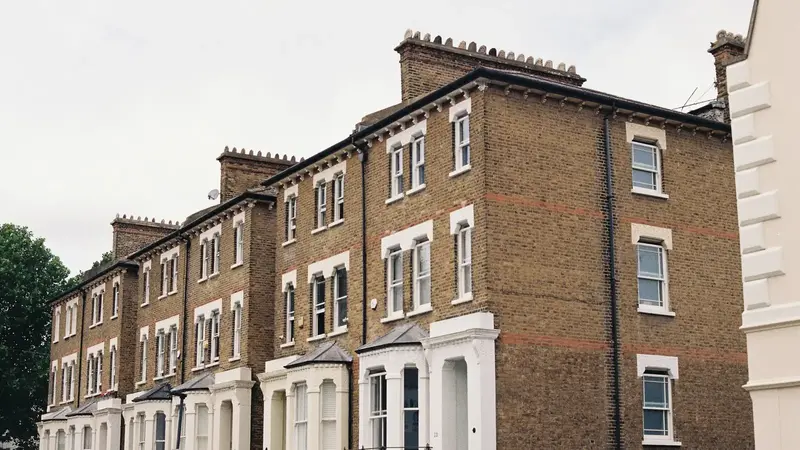
Refurbishment finance is short-term bridging that funds the purchase or ownership of a residential or commercial property plus the cost of improving it,…

A re-bridging loan is a new short-term facility that repays an existing bridging loan which has reached or passed its end date before the planned exit, such…

Property VAT bridging loans: funding the VAT on a commercial property purchase
Yes, a business bridging loan can be secured on business premises: shops, offices, industrial units, warehouses and mixed-use buildings are all used as security, either the premises you are buying or premises your company already owns. It is often the quickest way for a trading business to raise a short-term sum against property, because the lender's decision rests mainly on the building and the exit rather than on years of accounts.
A bridge lets you complete on a unit before a commercial mortgage is in place, for example when a vendor wants a quick sale or the building needs work before a mainstream lender will accept it. The usual exit is a commercial mortgage once the purchase and any works are done. See our guide to buying business premises for the longer-term options.
If the company owns its premises with little or no mortgage, a bridging lender can take a first charge to release funds for an acquisition, a stock purchase or a tax bill while a sale, refinance or other payment is arranged. Where there is already a mortgage, a second charge may be possible with the first lender's consent.
Bridging terms are measured in months rather than years, and lenders set their own maximums. The right term is the time your exit realistically needs plus a margin for delays, not the longest term on offer. Our guide to bridging loan exit strategies explains how lenders test that timetable.
The lender advances funds secured on property: the one you are buying, one you already own, or both. Interest is usually calculated monthly and can be paid monthly, deducted upfront (retained) or added to the loan (rolled up) and repaid at the end. The loan is then cleared through an agreed exit, such as a sale or a mortgage.
A first charge bridging loan is secured on a property with no other mortgage. A second charge bridging loan sits behind an existing mortgage and usually needs the first lender's consent.
The exit is the most important part of a bridging application. Lenders want to see exactly how the loan will be repaid at the end of the term. Common exits include:
Evidence helps: a mortgage agreement in principle, an agent's sale valuation or an exchanged contract makes an exit far more credible.
Companies, partnerships, sole traders and property investors can usually qualify for a business bridging loan if they can offer suitable property as security, show a credible exit within the term and, where needed, put in their own deposit; imperfect credit or limited experience is often acceptable when the security and exit are strong.
Bridging is almost always secured by a legal charge over property, normally a first charge on the property being bought or refinanced, and lenders size the loan as a percentage of its value as assessed by their own valuer.
Where the deposit is short, or the property needs work, lenders may take additional security over another property you own, with each charge registered at HM Land Registry. Commercial, semi-commercial and land security are all possible, although lenders generally lend less against unusual or hard-to-sell assets. When a limited company or SPV borrows, directors are usually asked for personal guarantees and some lenders also take a debenture over the company. Our guide to debentures and fixed and floating charges and our page on personal guarantee insurance explain what you are signing up to.
Bridging is more expensive than long-term borrowing, so it should be used for as short a time as needed. Costs vary by lender and deal. Typical charges include:
Compare the total cost over the likely term, not just the monthly rate, and check what happens if the exit takes longer than planned, including any default interest or extension fees.
Most business and investment bridging is unregulated. If the loan is secured on a property that you or a close family member live in, or will live in, it is usually a regulated bridging loan with additional consumer protections. Tell us at the outset how the property is used so the right route can be taken.
Depending on your situation, alternatives include development finance, a commercial mortgage, a secured business loan over a longer term, or, for short-term business cash needs without property, an unsecured loan or revolving credit facility. Where you need to draw and repay repeatedly against property, see property-backed revolving credit facilities.
How the main business finance structures work. Lenders set their own terms, so treat this as a guide to the questions to ask.
| Option | How you repay | Security | Often used for |
|---|---|---|---|
| Unsecured business loan | Fixed instalments, usually monthly | No charge over assets; a personal guarantee is usually required | Growth, stock, tax bills and cash flow |
| Secured business loan | Fixed instalments, often over a longer term | A charge over property or other assets | Larger sums, property and refinancing |
| Revolving credit facility | Interest on what you draw; repay and redraw | Varies by lender and case | Recurring or uneven cash flow gaps |
| Merchant cash advance | A share of future card takings | No charge over assets | Card-taking businesses with uneven months |
| Asset finance | Regular payments over the life of the asset | The asset being financed | Equipment, vehicles and machinery |
| Invoice finance | Settled as customers pay their invoices | Your unpaid invoices | Businesses waiting on customer payment |
General information only. Every lender has its own criteria, and all finance is subject to status.
It is free to enquire; any broker fee is disclosed separately before you proceed. If you have a completion deadline, discuss your requirement as early as you can.
Illustrative figures from the numbers you enter, before you speak to a lender.
Bridging can be arranged faster than most long-term finance, but timing depends on the valuation, legal work and how quickly you provide information. Straightforward cases with a clear exit and prompt paperwork move fastest. If you are buying at auction, speak to us and a solicitor before the auction so the lender, valuer and lawyers are ready.
Speak to the lender as early as possible. Some will agree an extension, usually with a fee and further interest, while others charge default interest once the term ends. If the delay is long, refinancing onto another bridge may be possible but adds cost. This is why lenders test the exit timescale carefully and why a buffer in the term is sensible.
Yes, a newly formed limited company or special purpose vehicle can get a business bridging loan, because lenders focus mainly on the property security and the exit rather than trading history. They will look at the directors' experience, personal credit and assets, and will usually ask for personal guarantees from the directors. A clear, evidenced plan for how the loan will be repaid matters more than the age of the company.
A business bridging loan with bad credit is often possible, because bridging lenders rely mainly on the property and the exit. Lenders will still check credit histories and want to know what went wrong and whether it is resolved. Recent or unexplained problems, or arrears on existing mortgages, narrow the choice of lenders and may reduce the loan-to-value or raise the cost.
Yes, a business bridging loan secured on property can fund a time-sensitive business need, such as a large payment due before other money arrives. The lender will still want a clear exit, such as a property sale, a refinance or a confirmed receipt. For a tax bill alone, a VAT loan or corporation tax loan spread over months is usually cheaper and does not need property security.
Yes. Many bridging lenders will take a charge over commercial premises a company already owns, such as an office, shop or industrial unit, to release funds for a short-term need. They will want a valuation, a clear exit such as a sale or refinance, and usually personal guarantees from the directors. If the premises already carry a mortgage, a second charge is sometimes possible with the existing lender's consent.
Bridging is almost always secured on property or land. If your business has no property to offer, a short-term business loan, asset refinance against equipment or vehicles, or invoice finance against unpaid invoices may suit better. We search 300+ lenders and can compare these routes with you, so you are not forced into a bridging structure that does not fit your security.
A bridging loan is secured on property and usually repaid in one lump sum from a sale or refinance at the end of the term. A short-term business loan is often unsecured, is repaid in regular instalments from trading income, and is assessed mainly on your turnover and bank statements. Bridging suits property transactions and larger sums against property; a short-term loan suits working capital needs.
A commercial building needed major works before it could be let or occupied. Bridging funded the purchase and works, with a refinance to follow.
The purchase was ready but the sale funding it was delayed. Short-term bridging stopped the onward purchase from collapsing.

Short term business loans suit a need that will pay for itself soon: waiting on customer payments, a stock order, contract…
The simplest rule is to match the loan term to how long the need lasts. Borrow short for needs that end on a known date, such…
Secured business loans let an established business borrow more, and usually over a longer term, by offering property, land,…
Choose the term by asking how long the thing you are funding will earn its keep. Repay machinery before it wears out, spread…
Refinancing replaces an existing business loan with a new facility, usually to raise extra capital, move to a fixed rate,…
A £1 million business loan is usually a negotiated facility package rather than a single loan, combining term debt, asset-based…
What our clients say
“Simon was fast, kept us updated at all stages and was a real pleasure to work with on our asset finance. I highly recommend this company: excellent service all round.”
“Spoke with Simon, who managed to get me the loan I needed promptly. The whole process was very smooth and was completed within a few days.”
“Getting a business loan can feel like a bit of a minefield, but everything was broken down for me in great detail. Will use again in the future!”
“Simon was a pleasure to deal with and helped us find a business loan that matched our growth goals and future expansion plans.”
“I couldn’t source funding for my business, but the team got in touch within an hour and had it sorted within 24 hours. Fantastic service, and I would definitely use them again.”

Chat with Smart Funding
We usually reply in seconds
Please don't share bank details or passwords here. Calls on 01244 267694.