
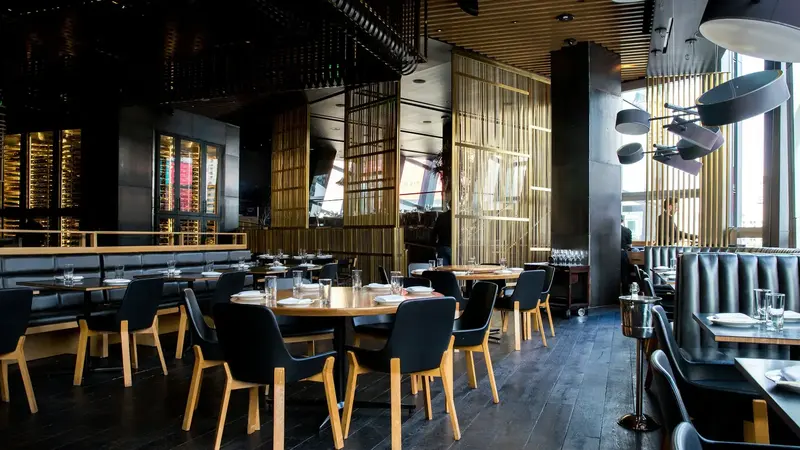
How to finance a restaurant fit-out without draining cash flow
The safest way to fund a restaurant fit-out is to match each cost to the right finance: asset finance or leasing for kitchen equipment, furniture…
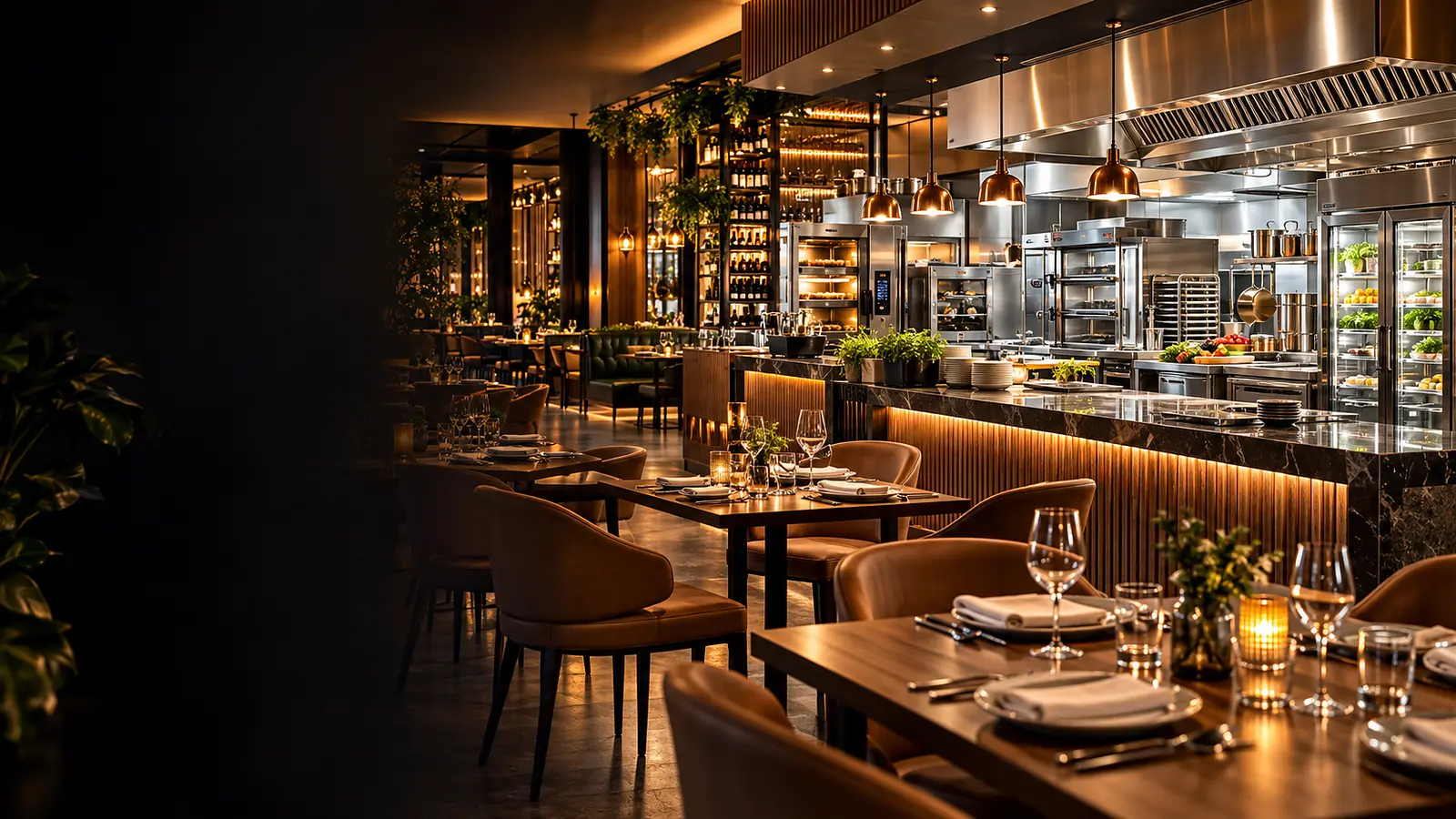
How restaurants fund refits, kitchen kit, second sites and quiet months: unsecured loans, card-based advances, asset finance and what lenders look for.
Explore funding options Prefer a quick call back? Leave your number
“He knows his stuff and is easy to deal with.”
In short
Supporting restaurants at every stage.
Kitchen equipment and fit-out items usually suit asset finance; a refit or marketing push suits an unsecured loan; seasonal card-heavy trade may suit a merchant cash advance; and buying premises needs a commercial mortgage. Lenders judge you mainly on card and bank statements, margins, lease length and whether repayments still work in your quietest month.
The operating cycle
Cash leaves the business at every stage before it comes back. Each stage below is a point where the right facility can carry the gap.
“He is fair and always gives advice that is in the best interest of his clients.”
Kitchen, extraction, furniture, lighting and signage.
Asset finance →Food and drink bought ahead of every service.
Working capital →Wages paid on time, whatever the week’s takings.
Working capital →Marketing and opening costs before trade settles.
Unsecured loans →Takings arrive daily through the card terminal.
Merchant cash advance →VAT quarters can land on top of a quiet month.
VAT loans →A second site, extra covers or a delivery kitchen.
Secured loans →A transaction we arranged
£38,000
£38K further advance, repaid as a share of card sales.
An existing hospitality client needed more capital. The lender sized it on current card takings and the repayments already running.
Read the transactionAbout restaurant loans
Specialist knowledge. Better outcomes.
They can pay for a refit, new kitchen equipment, stock, staff, marketing, a second site or the purchase of your premises. The right product depends on what you are funding, how long you have traded and how your income arrives.
Smart Funding Solutions is a broker, not a lender. We approach lenders with an appetite for hospitality, which matters because some lenders limit or avoid restaurant lending while others specialise in it. This page is part of our hospitality business loans section.
More detail on specific needs within this topic.
The safest way to fund a restaurant fit-out is to match each cost to the right finance: asset finance or leasing for kitchen equipment, furniture…

To get a loan to start a restaurant you usually need a detailed business plan with realistic forecasts, some of your own money in the project…
A lump sum repaid in fixed instalments without a charge over property. Lenders usually require a personal guarantee from directors. Suits refits, marketing and general growth. See unsecured business loans.
An advance repaid as an agreed percentage of your card takings. Repayments rise and fall with your sales, which can help seasonal restaurants. It can cost more than a term loan, so compare the total repayable. Read about the merchant cash advance.
Hire purchase or leasing spreads the cost of kitchen equipment and fit-out items, with the equipment as security. It keeps cash and other credit lines free.
A credit limit you draw on and repay as needed, useful for stock, bills and short gaps in cash flow.
Borrowing secured on property, used to buy premises or raise larger sums over longer terms.
New restaurants have fewer options because there is no trading record. Government-backed Start Up Loans, personal investment and asset finance are common starting points, and some owners use reward crowdfunding or bring in an investor. Our guide to getting a loan to start a restaurant covers deposits, business plans and first-time owners in detail.
Franchised restaurants are funded differently from independents; our guide to McDonald's franchise finance, including what a franchise owner earns in the UK, walks through one brand's published figures.
Takeaways built around a frying range, rather than a full kitchen, are covered in our guide to fish and chip shop finance.
Choose the need, and we’ll show you how lenders usually structure it.
From April 2026, restaurants in England that count as retail, hospitality or leisure properties are billed using two new lower multipliers instead of claiming the old retail, hospitality and leisure relief, and every property has a new rateable value from the 2026 revaluation. Some bills went down and some went up, so check yours and plan the cash. If a larger bill lands at a bad time, Smart Funding Solutions can search the market for short-term funding to spread it.
GOV.UK guidance on qualifying retail, hospitality or leisure properties says the government introduced two lower multipliers for these properties from April 2026, one for rateable values under £51,000 and one from £51,000 up to just under £500,000, and that it is for the local council to decide whether a property meets the definition. Restaurants serving visiting members of the public can qualify. The retail, hospitality and leisure relief page now says new claims cannot be made, and that you may be eligible for supporting small business relief if you lost relief because of the 1 April 2026 revaluation. Business rates are devolved, so Wales, Scotland and Northern Ireland run their own schemes.
Yes. A short-term business loan, a revolving credit facility or a merchant cash advance funded from future card sales can all cover a rates bill. Borrowing has a cost, so compare it with paying the council by instalments first, and look at whether the bill is a one-off catch-up or a higher cost every year from now on, because the second needs a change in pricing or costs rather than a loan. Lenders look at your card takings, how busy your quieter months are and your existing borrowing. Our hospitality business loans page covers the wider options, and Instant Quotes shows which lenders on our panel may suit, with no credit search.
Yes. UK restaurants commonly borrow through unsecured business loans for refits and cash flow, asset finance for kitchen equipment, merchant cash advances repaid from card takings, and commercial mortgages or acquisition finance to buy premises or an existing restaurant. Smart Funding Solutions, a whole-of-market commercial finance broker, approaches lenders with appetite for hospitality, including new openings and established sites.
Takeaways, cafes, pubs and franchisees can read takeaway business loans, pub and bar loans, hospitality business loans and franchise loans. The Growth Guarantee Scheme can also support eligible restaurants. To see which lenders fund restaurants like yours, use Instant Quotes.
Yes. A second site is usually funded with a mix of finance, such as asset finance for the kitchen, a business loan for the fit-out and opening costs, and a commercial mortgage if you are buying the building. Lenders lean heavily on how your first restaurant trades, so Smart Funding Solutions, a whole-of-market commercial finance broker, puts your existing figures in front of the lenders on our panel that fund hospitality growth.
In England, Wales and Northern Ireland, GOV.UK's guide to starting a food business says you register each premises with its local authority at least 28 days before you start trading, and registration is free. The new restaurant gets its own food hygiene inspection, so the rating at your first site does not carry across.
As an illustration only, with no rates or terms, an owner with one profitable restaurant takes a lease on a second unit across town. Ovens, refrigeration and extraction go on kitchen equipment finance, the fit-out on fit-out and refurbishment finance, and a small working capital line covers staff training and the first weeks of stock. Some owners use the Growth Guarantee Scheme where a lender offers it. Our guide to financing a restaurant fit-out goes into the build itself, and Instant Quotes shows which lenders on our panel may fund your next site, with no credit search.
Restaurants take money daily, mostly by card, but pay out in lumps: weekly wages, supplier accounts for food and drink, rent quarters and VAT. Margins depend heavily on food and labour costs, and trade moves with the seasons, the weather and local events. Delivery platform income usually lands in periodic payouts rather than on the night. Lenders look at all of this through your bank and card statements, so a restaurant with steady covers and controlled costs is a much stronger borrower than one with high turnover but thin margins.
There are two common moments. When trade is strong and your current site is at capacity, finance can help you build on that success with more covers, a refit or a new location. When trade is slipping because of a tired interior, an outdated menu or new competition, investment can help turn things around, provided the plan is realistic and repayments stay affordable.
Most restaurant business loans fall into one of these, matched to what the money is for.
To see which lenders on our panel fit your restaurant, start with Instant Quotes.
Buying a trading restaurant is usually cheaper and quicker to fund than opening one, because lenders can see real takings. The funding is sized on the restaurant's card and bank statements and its profit after a fair wage for the owner, alongside your own contribution. Most restaurant sales are leasehold, so the lender will look closely at the lease: how long is left, the rent, any rent review due and whether the landlord will consent to the assignment.
Plan the licences and VAT early. A premises licence for alcohol has to be transferred to the new owner and you need a designated premises supervisor in place (GOV.UK: alcohol licensing), and a sale of the business as a going concern is usually outside the scope of VAT if the conditions are met. Our guide to acquisition finance explains deposits and deferred payments to the seller, and hospitality business loans covers pubs, cafés and hotels.
Buying or opening a franchised store follows similar steps, with the franchisor's fees added; see our Subway franchise finance guide for a worked example.
established restaurants have more options; new openings rely more on the owners' experience and plan.
bank and card terminal statements show how consistently money comes in.
whether the business can meet repayments, including in slow months.
of the business and its directors. Adverse credit reduces options but does not always rule finance out.
a track record in running or managing restaurants strengthens an application.
for start-ups, expansions and larger sums, realistic forecasts and a clear use of funds.
property, equipment or a personal guarantee, depending on the product.
Beyond card takings, restaurant lenders look at signs of how well the business is run and which lenders it suits.
When banks hesitate, card takings can carry the case, as in our case studies on £75,000 for a London restaurant and four facilities for an independent eatery. Late-trading lounges are covered on our shisha bar finance page.
A restaurant's rating under the Food Hygiene Rating Scheme is public, and a low score can hit trade. Lenders and landlords notice it; see the Food Standards Agency.
Since October 2024 employers must pass all tips and service charges to workers in full and have a written policy. Lenders check that service charges are not counted as the business's own income.
Food eaten on the premises and hot takeaway food are standard-rated for VAT, so VAT is a large cost of a busy restaurant; see VAT Notice 709/1.
One asset lender on our panel only funds restaurants with five years' trading, and some exclude restaurants altogether, while card-based funders are often keen.
A common mistake is underestimating the full cost of a project: a refit also means lost trading days, re-launch marketing and extra stock. Build those into the amount you ask for.
Rates depend on your credit profile, trading figures, the product, the term and any security. Compare offers on the total amount repayable including fees, not the monthly payment alone. For a restaurant, also test each offer against your quietest month: a merchant cash advance flexes with takings, whereas a fixed loan repayment stays the same in January as in December. Check early repayment charges and exactly what any personal guarantee commits you to.
It is free to enquire, and any broker fee is disclosed separately before you proceed. Planning a bigger project? Read our guide to financing a restaurant fit-out or our kitchen equipment finance guide.
Restaurants can apply for loans under the Growth Guarantee Scheme, which the British Business Bank delivers through accredited lenders, and new restaurants may be eligible for a government-backed Start Up Loan. Each lender makes its own decision and scheme details can change, so check the British Business Bank website for current availability.
Adverse credit reduces your options but does not always rule out restaurant loans. Lenders weigh the business's and directors' credit history alongside card and bank statements, margins and affordability, so steady takings can help offset an older, explained problem. Card-based products such as a merchant cash advance focus more on recent takings, though they can cost more. Expect questions about any defaults or judgments. Our guide to getting a business loan with a CCJ explains more.
Yes, the remaining lease term and any break clauses matter, particularly for refits and equipment fixed to the premises. Lenders are cautious about lending over a longer period than you are secure in the building, because a restaurant that loses its site loses its income. If your lease is close to its end, agreeing a renewal before you apply can strengthen the case. Our guide to financing a restaurant fit-out covers this in more detail.
Yes, sole traders and partnerships running restaurants can borrow, although some lenders only work with limited companies. Lenders look at bank and card statements, tax returns and the owner's credit history. Borrowing of £25,000 or less by a sole trader or a partnership of two or three partners can be regulated consumer credit, which brings extra protections and affects which lenders can offer it. Our page on sole trader loans explains the options.
A lender can make a decision within a few working days in straightforward cases, once it has everything it needs. Equipment finance and card-based funding tend to move faster, while secured loans and commercial mortgages take longer because of valuations and legal work. Having recent bank and card terminal statements, delivery platform statements, your latest accounts and your lease ready speeds things up. Some lenders may use a soft search early on, and a full credit search usually happens on application.
Yes. A loan to buy a trading restaurant is usually sized on its recent card takings and profit, with the buyer putting in part of the price and sometimes the seller deferring part of it. Lenders will check the lease, your hospitality experience and how the restaurant traded through its quietest months. See acquisition finance and start with Instant Quotes.
Yes. Restaurants use unsecured loans for refits, asset finance for kitchen equipment, merchant cash advances repaid from card sales, and commercial mortgages or acquisition finance to buy premises. New openings may start with a Start Up Loan. Smart Funding Solutions searches its panel of 300+ lenders for hospitality finance. Get Instant Quotes.
Yes. A second restaurant is usually funded with a mix of asset finance for kitchen equipment, a business loan for the fit-out and opening costs, and a commercial mortgage if you are buying the premises. Lenders rely heavily on the first restaurant's trading record, management cover across both sites and your own contribution. Smart Funding Solutions, a whole-of-market commercial finance broker, searches lenders on its panel that fund hospitality expansion.
Lenders typically want accounts, management figures and card takings showing the first restaurant trades profitably, a head chef and manager able to run it while you open the second, the lease terms, fit-out quotes and a forecast for the new site that allows for a slower start, and some of your own money in the project.
From April 2026, qualifying retail, hospitality and leisure properties in England, which can include restaurants, are billed using two lower multipliers, one for rateable values under £51,000 and one from £51,000 to just under £500,000, and new claims for the old retail, hospitality and leisure relief cannot be made. Every property also has a new rateable value from the 2026 revaluation, so restaurant owners should check their bill uses the right multiplier and any reliefs. Business rates are devolved, so Wales, Scotland and Northern Ireland have their own schemes.
Yes. A short-term business loan, a revolving credit facility or a merchant cash advance repaid from card takings can fund a business rates bill. Compare the cost with paying the council by instalments, and check whether the bill is a one-off or a permanently higher cost, because a lasting increase needs a change in pricing or costs rather than borrowing.
We have arranged funding for all three of a restaurant group's venues, including a £57,150 renewal for one of them.
A smaller working-capital need for an independent food business, met with a proportionate revenue-based facility.

Wedding venues are usually bought or refinanced with a commercial mortgage, converted with staged or bridging finance, and…

Most cafes combine two or three types of finance rather than one loan: equipment finance or leasing for the espresso machine…
Choose hire purchase if you want to own long-life items such as a combi oven or cold room, leasing if you want a lower up-front…
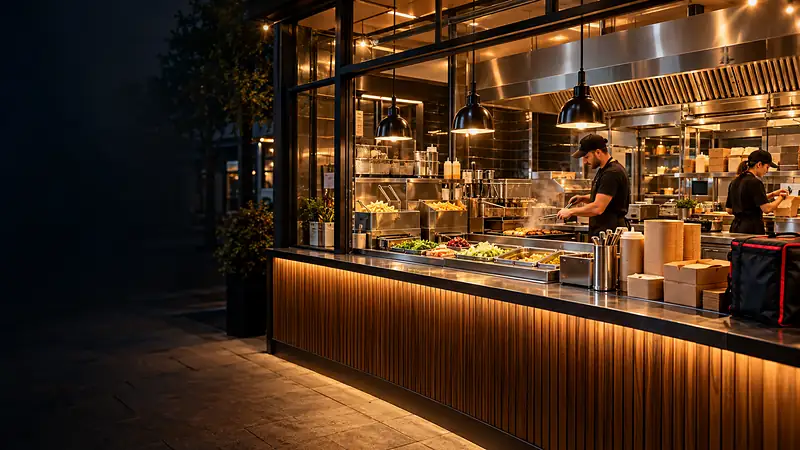
Takeaway business loans fund the things a takeaway runs on: fryers, ovens, extraction, refits and day to day cash flow.…

Most people buy a trading B&B with a commercial or semi-commercial mortgage, because the owner lives on site and the lender…
Most street food traders fund the first season from savings and a Start Up Loan, then use asset finance for a trailer,…
What our clients say
“Simon was fast, kept us updated at all stages and was a real pleasure to work with on our asset finance. I highly recommend this company: excellent service all round.”
“Spoke with Simon, who managed to get me the loan I needed promptly. The whole process was very smooth and was completed within a few days.”
“Getting a business loan can feel like a bit of a minefield, but everything was broken down for me in great detail. Will use again in the future!”
“Simon was a pleasure to deal with and helped us find a business loan that matched our growth goals and future expansion plans.”
“I couldn’t source funding for my business, but the team got in touch within an hour and had it sorted within 24 hours. Fantastic service, and I would definitely use them again.”

Chat with Smart Funding
We usually reply in seconds
Please don't share bank details or passwords here. Calls on 01244 267694.