
Combine harvester finance for farms and contractors
Most farms buy a combine on hire purchase, often with a balloon to reduce instalments, because they keep the machine for years…
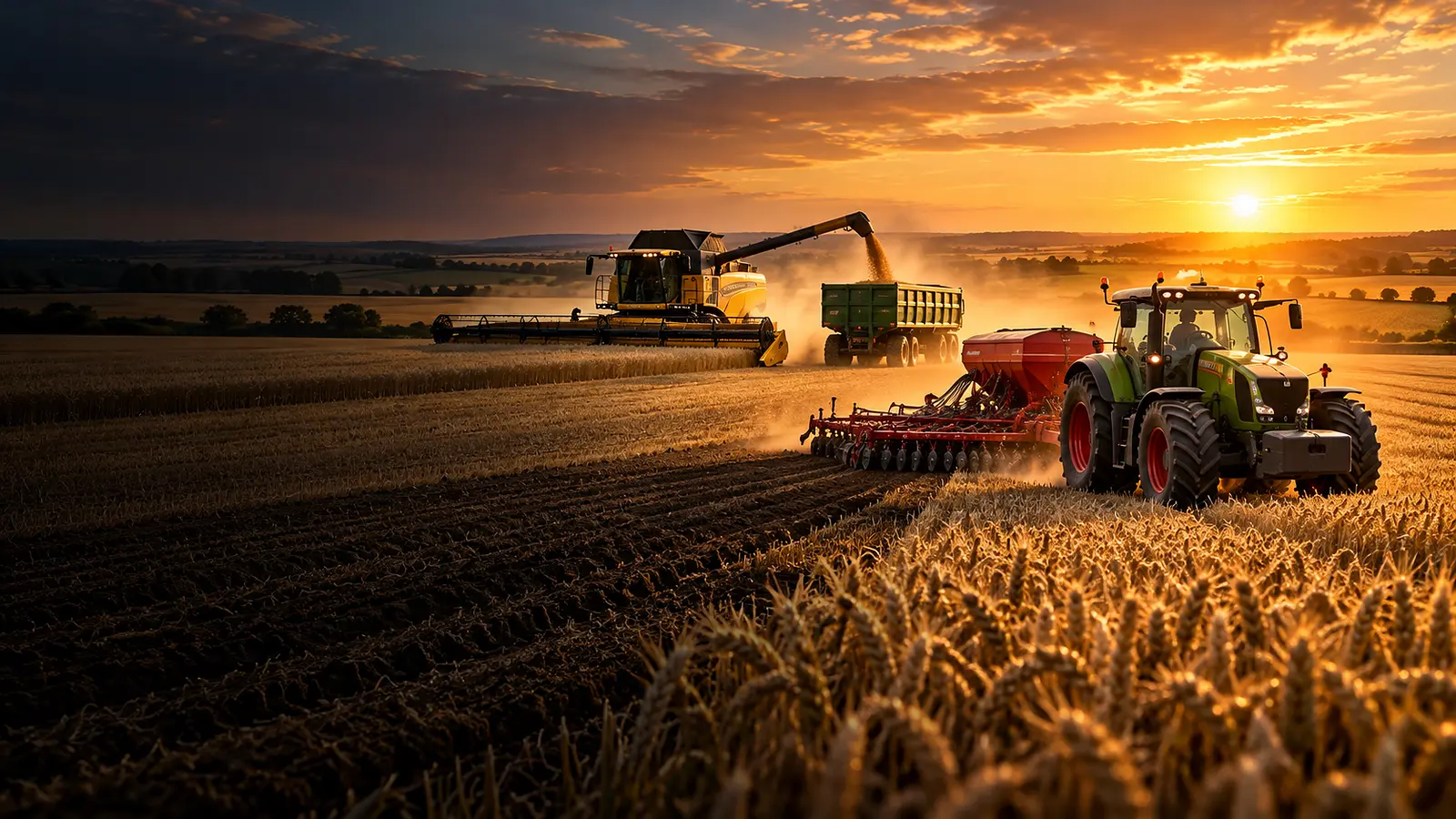
How arable farms fund seed, fertiliser and sprays before harvest, plus grain storage and drying, and what lenders check in a cropping plan.
Explore funding options Prefer a quick call back? Leave your number
“I highly recommend this company: excellent service all round.”
In short
Supporting arable farms at every stage.
Most arable businesses use a seasonal working capital loan or revolving facility for inputs, asset finance for drills, sprayers and dryers, and secured borrowing for grain stores. Lenders focus on cost of production per tonne, how much of the crop is forward sold, and tenure.
The operating cycle
Cash leaves the business at every stage before it comes back. Each stage below is a point where the right facility can carry the gap.
“The whole process was very smooth and was completed within a few days.”
Orders, contracts or customers secured.
Stock, materials and equipment paid for up front.
Asset finance →Wages and suppliers paid on time.
Working capital →The work is done or the goods are sold.
Customers pay, sometimes weeks later.
Invoice finance →VAT and Corporation Tax fall due.
HMRC loans →Growth, a new site or new equipment.
Business loans →About crop finance
Specialist knowledge. Better outcomes.
This page is for arable farmers and contract farming businesses growing wheat, barley, oilseed rape, beans, oats and other combinable or break crops, who need money in the ground months before any grain leaves the yard. The pressure point is simple: seed, fertiliser, agrochemicals and fuel are bought between late summer and spring, while most crop income arrives from harvest onwards and often well into the following year if grain is stored. Smart Funding Solutions is a broker, not a lender. We search our panel of 300+ lenders and arrange facilities from £10,000 to £20 million. For livestock, land and general farm borrowing, start with our agricultural finance and farm loans hub.
Choose the need, and we’ll show you how lenders usually structure it.
An arable cash flow forecast looks nothing like a dairy one. There is no monthly milk cheque, so the account runs down steadily from August to the following summer and refills in a few large receipts. The typical sequence on a winter cropping farm:
Two features make this harder than it was. Area-based support has been phased out in England through delinked payments replacing the Basic Payment Scheme, removing a predictable annual receipt that many farms used to clear the overdraft. And weather now regularly breaks the plan: a wet autumn that prevents drilling pushes area into spring crops with different input costs and lower yields, and the cash forecast has to be rebuilt in the middle of the season.
Illustration only. The figures are invented and rounded, and no rates are implied. A family partnership farms 500 hectares of owned and rented land in a wheat, oilseed rape and spring barley rotation. Inputs from September to April total around £300,000, and with merchant terms ending, the current account cannot carry them. The farm arranges a revolving facility sized to the peak shortfall in March, drawing it as invoices fall due and clearing it from grain movements between August and January. A new continuous-flow dryer goes on hire purchase with one annual payment set for October. The bank that holds the land charge is told in advance, so the arrangement does not breach its existing covenants.
The obvious risk is repaying a seasonal loan from a crop that disappoints. A short facility that assumes a normal harvest can become a problem after a drought, a wet harvest or a price collapse, so build the forecast on a cautious yield and price and agree in advance what happens if the facility cannot be cleared. Lenders frequently ask for personal guarantees from partners, and a charge over land puts the holding at risk. Rolling a seasonal shortfall into longer-term borrowing year after year is a sign that the farm needs restructuring rather than more crop finance; our page on farm refinancing explains that route. Borrowing of £25,000 or less by sole traders and small partnerships can be regulated consumer credit, which brings additional protections. Alternatives include changing marketing so more grain is sold at harvest, reducing area of high-input crops, and agreeing Time to Pay with HMRC on a tax bill rather than borrowing for it.
Lenders want to know what each crop costs to grow on your farm, set against realistic prices, rather than headline turnover.
How much of the expected crop is forward sold, at what prices, and with which buyers. A farm that has priced part of its tonnage is easier to lend to than one fully exposed to the harvest price.
Several years of yields by crop, including poor seasons, show how the business copes with weather and pressure from grass weeds such as blackgrass.
Owner-occupied land, farm business tenancies with their remaining term, and contract farming or share farming agreements each change who carries the risk and what security is available.
Payments under the Sustainable Farming Incentive and similar schemes are counted, but lenders check the agreement dates and whether actions take land out of production.
Storage gives marketing flexibility; a farm forced to sell everything at harvest takes whatever price is on offer.
Who already holds security over the land and machinery, and what headroom remains.
| Need | Finance lenders commonly use | Trade-off to weigh |
|---|---|---|
| Seed, fertiliser and sprays ahead of harvest | A seasonal working capital loan repaid from crop sales, or a revolving credit facility | A term loan charges interest on the full sum; a revolving line costs more to keep open but you only pay for what you draw |
| Holding grain for a better price | Short-term borrowing secured on stored grain, where a lender will consider stock finance, or a facility secured on land | Storage only pays if the price gain beats interest, drying, insurance and shrinkage |
| Drills, sprayers, cultivators, grain dryers | Asset finance with annual or half-yearly payments set after harvest | Seasonal profiles help cash flow but larger single payments hurt in a poor year |
| Combines and harvest kit | Hire purchase or leasing; see combine harvester finance | High value and heavy depreciation for a machine used a few weeks a year |
| New grain store, drying floor or bulk bins | A loan secured on the land and buildings, sometimes with asset finance for the dryer and handling kit | Long-term security over the holding; existing lenders may need to consent |
Machinery strategy across the whole fleet is covered on our farm machinery finance page, so the detail here stays with seasonal funding and storage.
Many arable farms already have a form of crop finance without calling it that: deferred payment terms from their input supplier or grain merchant. It is convenient, but it can tie the farm to that merchant's prices for inputs and grain, and the cost is often hidden in the product price. Comparing an independent seasonal facility with the true cost of merchant terms is worth doing every year, particularly before committing to a forward sale contract with the same business.
Most crops are zero-rated for VAT while inputs carry standard-rated VAT, so arable farms are commonly in a repayment position. Filing monthly returns rather than quarterly can bring that money back faster at the point inputs are bought, which reduces how much needs borrowing. On income tax, sole traders and partnerships can use averaging for farmers to smooth profits between good and bad years, which matters when a tax bill from a strong harvest lands during a weak one.
Mixed farms that also carry cattle or sheep can see how stock purchases are funded in our guide to livestock finance.
Yes. Seasonal and asset-based facilities do not depend on owning land, although lenders will want to see the tenancy and its remaining term, because a farm business tenancy ending soon limits how long they will lend for. Where a tenant needs larger borrowing, security may come from machinery, grain in store or other assets. Buying land of your own is a separate decision covered on our agricultural land purchase page.
It depends on the difference between harvest and later prices for your crop, against the cost of interest, drying, aeration, insurance and any quality loss. Storage also delays cash coming in, so it only works if the farm can fund inputs for the next crop at the same time.
Lenders will count income from lets, energy or other enterprises if it is established and evidenced, and it often steadies an arable cash flow. Funding a new enterprise is covered on our farm diversification finance page.
Ideally before late summer, so the facility is in place before seed, pre-emergence herbicides and cultivation fuel are bought. Applying early gives time to compare an independent seasonal facility with merchant credit terms, and it lets you buy fertiliser early if the price is right. Lenders will want your cropping plan, budget and cash flow forecast, so preparing these after harvest makes the application quicker.
Yes, a marketing plan showing how much of the expected crop is forward sold, at what prices and to which buyers, makes an arable farm easier to lend to. It reduces the lender's exposure to the harvest price and supports the repayment plan. Lenders still test the budget against realistic prices for unsold tonnage. Where grain is held in store, some lenders will consider stock finance secured on it.
You can see which lenders on our panel are likely to fit your farm, with no credit search, using Instant Quotes. Seasonal facilities still need your cropping plan and recent accounts before a lender confirms terms.
Yes. Grain dryers and handling equipment often suit asset finance, while a new store building is usually funded with a term loan or agricultural mortgage. Some farms combine the two in one project.
Most farms buy a combine on hire purchase, often with a balloon to reduce instalments, because they keep the machine for years…
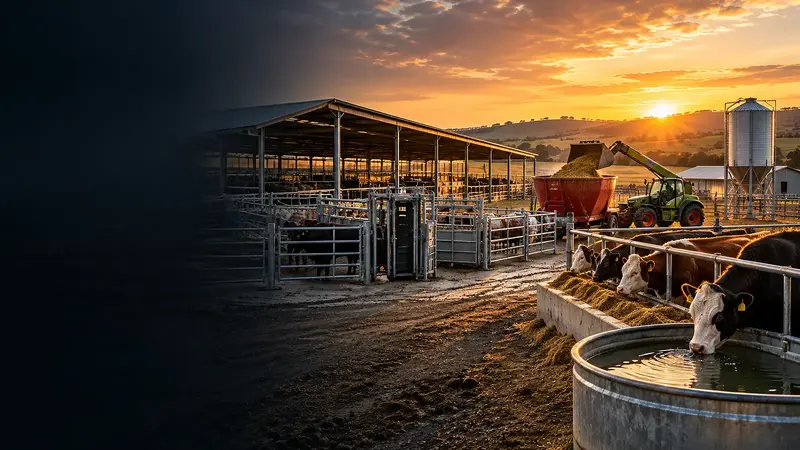
Buying stock ties up cash for months before it earns: heifers take time to come into milk, and store cattle or lambs need a…

Count the hours. A tractor that will work most of the year is usually best bought on hire purchase, so the farm owns it at the…

Farm diversification finance funds a new, non-farming income stream on the holding: barn conversions to workshops or homes,…
Agricultural equipment finance spreads the cost of farm machinery, from drills and sprayers to telehandlers, feed wagons and…

Forestry finance depends on which part of the timber chain you are in. Harvesting contractors mostly use asset finance on…
What our clients say
“Simon was fast, kept us updated at all stages and was a real pleasure to work with on our asset finance. I highly recommend this company: excellent service all round.”
“Spoke with Simon, who managed to get me the loan I needed promptly. The whole process was very smooth and was completed within a few days.”
“Getting a business loan can feel like a bit of a minefield, but everything was broken down for me in great detail. Will use again in the future!”
“Simon was a pleasure to deal with and helped us find a business loan that matched our growth goals and future expansion plans.”
“I couldn’t source funding for my business, but the team got in touch within an hour and had it sorted within 24 hours. Fantastic service, and I would definitely use them again.”