

Healthcare practice acquisition finance for private clinics
Healthcare practice acquisition finance funds the purchase of an established private clinic, physiotherapy, aesthetics, private…
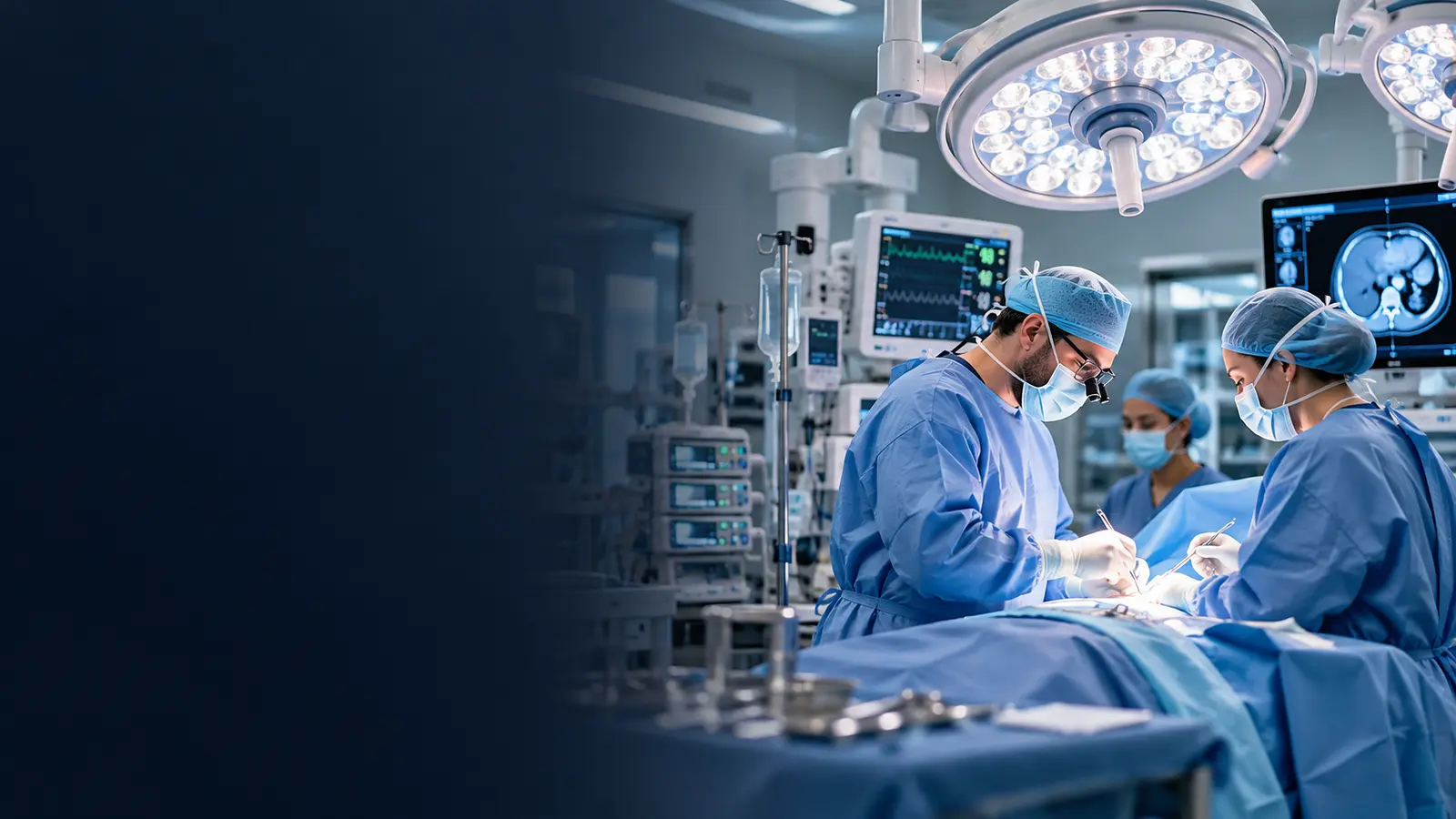
How independent hospitals and day surgery units fund theatres, imaging, premises and working capital, and what lenders check on consultants and payers.
Explore funding options Prefer a quick call back? Leave your number
“He is fair and always gives advice that is in the best interest of his clients.”
In short
Supporting practice owners at every stage.
It usually combines equipment finance, secured lending against property and a revolving facility. Lenders focus on the consultant base and how activity is spread across it, the mix of insured, self-pay and NHS income, theatre utilisation and CQC registration.
Finance across the lifecycle
The funding question changes as a practice moves from its first day to its next owner. These are the points where it usually arises.
“I highly recommend this company: excellent service all round.”
About private hospital finance
Specialist knowledge. Better outcomes.
This page is for owners and finance directors of independent surgical facilities: consultant-led day surgery units, ophthalmic and endoscopy centres, cosmetic surgery clinics with their own theatres, and small independent hospitals with inpatient beds. These businesses borrow differently from a typical clinic because so much of their value sits in theatres, specialist ventilation, sterile services and imaging, and because their income arrives through consultants, insurers and NHS referrals rather than directly from patients. Smart Funding Solutions is a broker, not a lender: we search our panel of 300+ lenders, including healthcare specialists, and arrange facilities from £10,000 to £20 million. Larger hospital projects often combine several facilities. This page sits within our healthcare practice finance section.
Lenders spend most of their time on income, because it is structured unlike most healthcare businesses.
Most surgeons and anaesthetists are not employees. They hold practising privileges, bring their own patients and bill some fees directly. The facility earns from theatre time, accommodation, nursing, consumables and imaging. A unit can therefore lose a large share of its activity if one or two high-volume consultants move elsewhere.
Insured patients come with insurer recognition, agreed tariffs and pre-authorisation. Self-pay patients pay upfront through fixed-price packages, often with patient finance. NHS patients reach independent providers through elective referrals, where patients can choose an eligible independent provider under the NHS patient choice guidance, paid at national tariff prices. Each stream has its own risk: insurer tariff changes, consumer demand, and NHS policy on how much elective work goes to the independent sector.
A hypothetical illustration with round numbers. A day surgery unit with one theatre and a waiting list of consultants wanting sessions plans a second theatre at a cost of £800,000: £500,000 of building works and ventilation, and £300,000 of equipment. The unit owns its freehold. The equipment is funded through hire purchase over its working life. The building works are funded by a secured loan against the freehold, after a valuation that considers the building's value with and without the surgical fit-out. A revolving facility covers staffing for the first months while new consultants build their lists. The lender's key evidence is the existing theatre's utilisation and letters of intent from the consultants who will use the new sessions.
Building capacity ahead of demand is the classic mistake: a new theatre costs money every day whether or not it is used. Consultant dependence works both ways, since a surgeon who brings a large list can take it elsewhere. A specialist building may be valued well below its cost, so the loan the property supports may be smaller than expected. NHS elective volumes depend on national policy and local commissioning, and insurer tariffs are set by the insurer. Personal guarantees or a debenture over the company are common. Alternatives worth comparing include managed equipment services from manufacturers, hiring modular theatre capacity for a fixed period to test demand, and equity from consultants or an investor where borrowing would leave too little headroom. If NHS work is driving the expansion, read our guide to funding NHS contracts first.
How many consultants hold practising privileges, how activity is spread among them, and how long the main ones have worked there.
The split between insurers, self-pay and NHS work, and how dependent the facility is on any single insurer or commissioner.
Sessions used against sessions available, which shows whether new capacity will fill or whether existing capacity is already idle.
CQC registration for the regulated activity of surgical procedures and other activities carried on, and the most recent inspection outcome.
Volumes and outcome measures that independent hospitals report to the Private Healthcare Information Network, which a credit team may check alongside your own figures.
What the property is worth as a surgical facility and what it would be worth for another use, since specialist fit-out adds little to the value if the business closes.
Whether the plan allows for replacing major kit as it ages, rather than funding it all at once.
Independent hospitals and day surgery units earn from a mix of NHS referrals, insured patients and self-pay. Lenders want to know how secure each route is.
Independent providers treat NHS patients under the NHS Standard Contract, often through patient choice of provider. Volumes depend on commissioning decisions that can change year to year; see the NHS Standard Contract and patient choice guidance.
Private medical insurers recognise facilities and set the prices they pay. Lenders look at how many insurers recognise the facility and how long each agreement has run.
Scanners, theatre equipment and sterile services carry large replacement costs and service contracts. Lenders prefer these funded separately from the building so each has a term that fits its life.
Specialist valuers value a hospital on the profit it can sustainably make, with the building's alternative use as a fall-back. Lenders lend against both views.
| Option | What it funds | Trade-off |
|---|---|---|
| Commercial mortgage or secured loan | Buying or refinancing the freehold; larger capital projects | Valuation of a specialist building can be conservative; the property is at risk |
| Equipment finance | Theatre, endoscopy, ophthalmic and imaging equipment | Installation and building works are harder to include |
| Asset refinancing | Releasing cash from equipment already owned | Adds a secured agreement on kit that was free of finance |
| Conversion or development finance | Converting or extending a commercial building for surgical use | Short-term and staged; needs a clear exit onto longer-term borrowing |
| Revolving credit or working capital loan | Staffing ahead of contracts; insurer and NHS payment timing | Can become permanent borrowing if not reviewed |
For the equipment side, see medical equipment finance and our wider business equipment financing page. For property-backed borrowing, secured business loans and healthcare premises finance explain the options, and conversion finance covers turning a commercial building into a surgical facility. Buying an existing unit is covered on healthcare practice acquisition finance.
It is free to enquire; any broker fee is disclosed separately before you proceed.
Yes, though lenders will not take the building as security. Equipment finance and unsecured or debenture-backed loans are the usual tools, and the lease must have enough unexpired term to cover the borrowing, with landlord consent for the alterations.
Some do. Self-pay cosmetic work is more sensitive to consumer demand and marketing, so lenders look closely at booking trends, how patients pay, and the clinic's complaints and regulatory history.
Where the consultants who use the theatres also own the business, lenders see their commitment as a strength, but will check what happens if a consultant shareholder leaves, retires or reduces sessions, and how the shareholders' agreement handles it.
Yes, imaging equipment is usually funded through asset finance, secured on the scanner itself, while building work, shielding and ventilation sit on a separate loan or property facility. Splitting the project this way often gives better terms, because each lender funds what it understands. Installation and commissioning costs may need to be included carefully. Our page on medical equipment finance explains the options.
Yes, lenders usually review the facility's CQC registration, its latest rating and recent inspection reports, because regulatory action could stop surgery and cut income. A poor rating with a credible improvement plan may still be fundable, but expect closer questions on governance and staffing. The CQC explains how its ratings work, which helps when preparing for a lender's questions.
Healthcare practice acquisition finance funds the purchase of an established private clinic, physiotherapy, aesthetics, private…
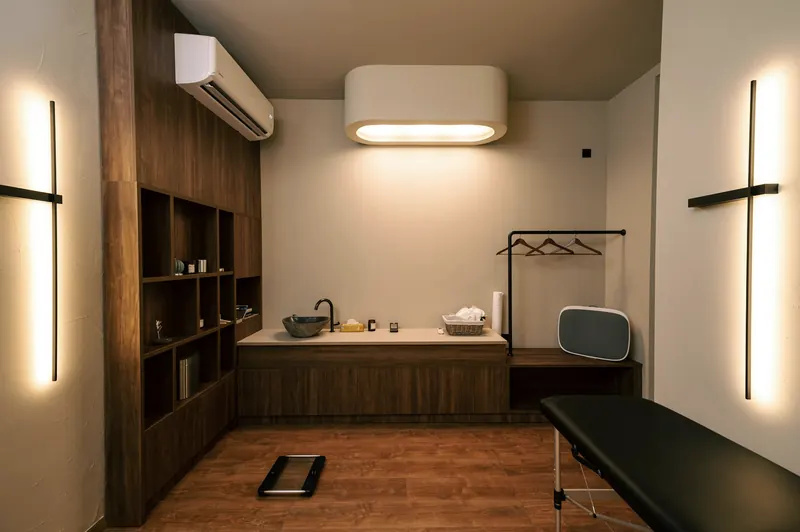
Private clinic start-up finance usually comes from several sources at once, because few lenders will fund a clinic with no…
Practice refurbishment finance pays for refitting or extending a private clinic without draining its cash reserves. Most…

Finance for NHS contracts covers the costs a provider incurs before payments start, such as recruitment, premises, equipment…
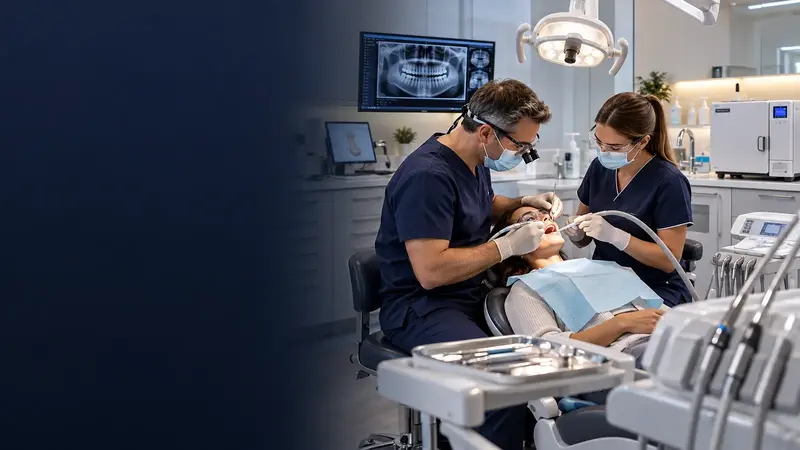
Dental practice premises finance is usually an owner-occupier commercial mortgage used to buy the building a practice trades…
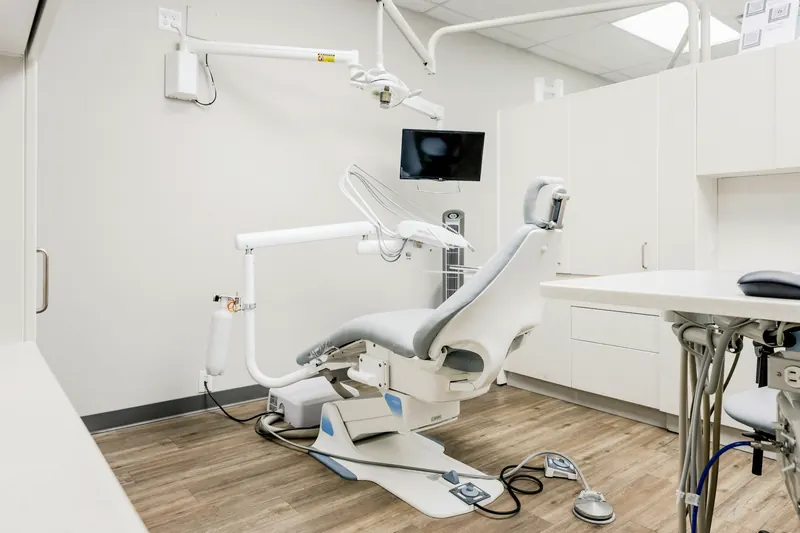
Dental surgery refurbishment finance funds the building works, services and equipment needed to refit surgeries, add a…
What our clients say
“Simon was fast, kept us updated at all stages and was a real pleasure to work with on our asset finance. I highly recommend this company: excellent service all round.”
“Spoke with Simon, who managed to get me the loan I needed promptly. The whole process was very smooth and was completed within a few days.”
“Getting a business loan can feel like a bit of a minefield, but everything was broken down for me in great detail. Will use again in the future!”
“Simon was a pleasure to deal with and helped us find a business loan that matched our growth goals and future expansion plans.”
“I couldn’t source funding for my business, but the team got in touch within an hour and had it sorted within 24 hours. Fantastic service, and I would definitely use them again.”