

CCTV and security system finance for businesses
Lease a security system if you want a low upfront cost, maintenance bundled into one payment and an easy upgrade when the technology moves on. Choose hire…
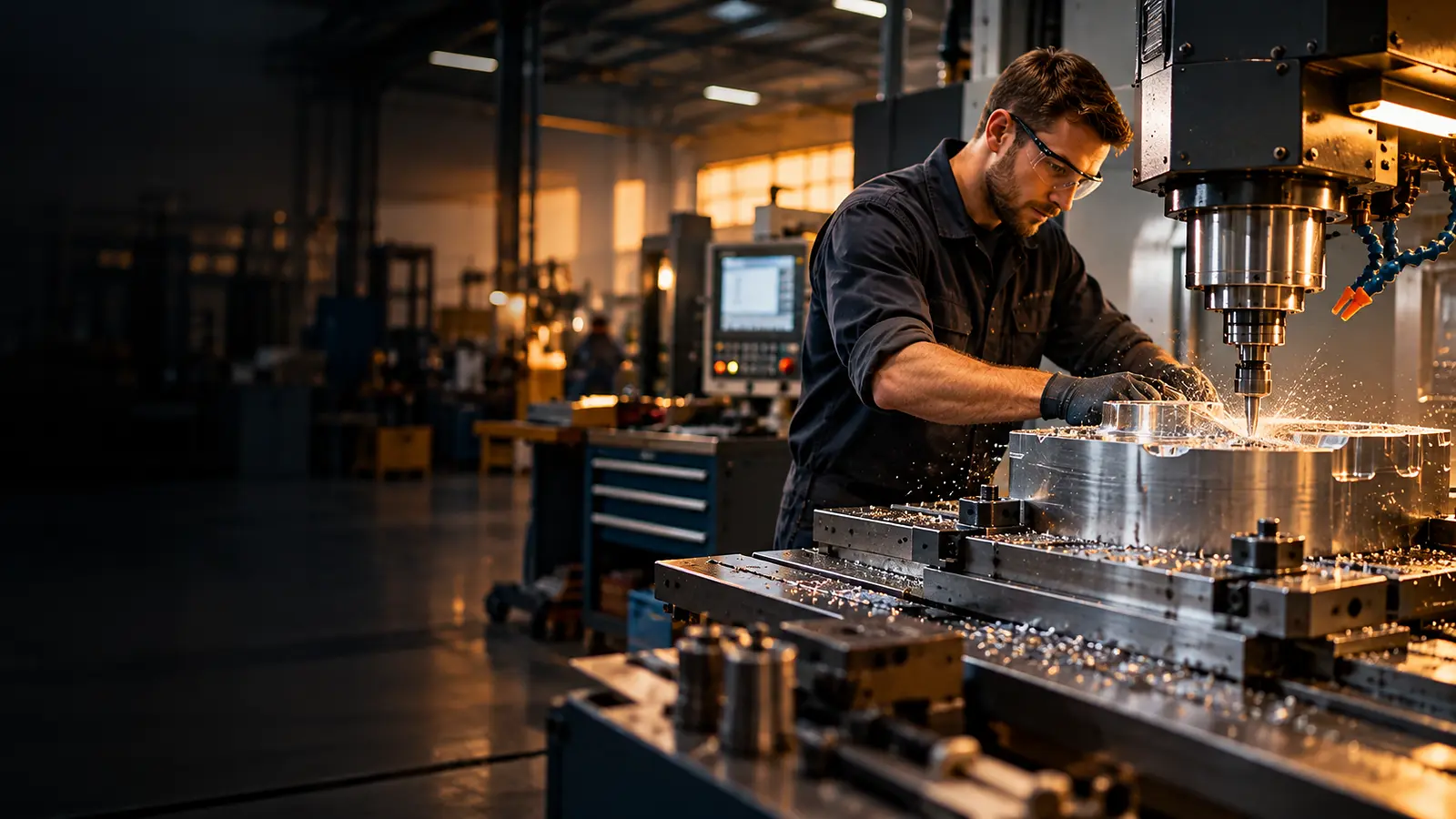
Get the tools, IT, catering, medical or site equipment you need now and pay monthly. Compare leasing, hire purchase and equipment loans, and what lenders check.
“Fantastic service, and I would definitely use them again.”
In short
What you need to know.
Hire purchase suits equipment you will use for most of its working life, because it becomes yours after the final payment. Leasing suits IT and other kit that dates quickly, because you can hand it back and upgrade. An equipment loan gives ownership from day one. In each case the lender weighs the equipment's resale value alongside the business's trading and credit.
Heavier production machinery such as CNC machines, presses and production lines is covered on our machinery finance page.
Workshops have their own rules on test equipment; our guide to garage and MOT equipment finance covers lifts, brake testers and diagnostic kit.
A transaction we arranged
£8,950 + VAT
£8,950 + VAT of equipment, leased over 36 months.
Matched to the asset rather than to short-term working capital. The asset inspection completed and the deal paid out.
Read the transactionAbout equipment finance
Specialist knowledge. Better outcomes.
It is for businesses of every size that would rather keep cash for wages, stock and growth than tie it up in a coffee machine, dental chair, server rack or set of site tools. Smart Funding Solutions searches its panel of 300+ lenders, including specialist equipment funders, to match the kit and the supplier to a lender that understands them.
Equipment finance is one of the options on our asset finance hub. The equipment itself usually secures the agreement.
More detail on specific needs within this topic.
Lease a security system if you want a low upfront cost, maintenance bundled into one payment and an easy upgrade when the technology moves on. Choose hire…
Hire purchase suits robust cleaning machines you will run for years, such as ride-on scrubbers or van-mounted pure water systems, because you own them at the…
Yes. Equipment finance is often one of the easier routes for a new business, because the kit itself gives the lender security. Expect a deposit, personal credit checks and a director's guarantee, and more choice for equipment that holds its value. Smart Funding Solutions, a whole-of-market commercial finance broker, approaches asset finance lenders on our panel that consider start-ups.
Common start-up purchases include food trucks, coffee machines, salon equipment, vans and IT. New practices can look at clinic start-up finance and dental equipment finance. For wider options, see start-up business loans. Instant Quotes shows which equipment lenders on our panel may suit.
Most UK trading businesses can apply for equipment finance, including limited companies, LLPs, partnerships and sole traders, provided the payments are affordable from the cash the business generates. Sole traders and small partnerships borrowing £25,000 or less may be offered a regulated agreement, which some lenders do not provide.
Start-ups and businesses with adverse credit may still be considered, sometimes with a larger deposit. Equipment with little resale value, such as software or bespoke installations, is assessed more on the strength of the business than the kit.
The equipment is normally the security: under hire purchase the lender owns it until the last payment, and under a lease it never passes to you, so no charge over property is usually needed. What changes from deal to deal is the extra comfort the lender asks for. Directors of younger companies, or of businesses financing soft or bespoke kit such as software, telephony or a fitted kitchen, are often asked for a personal guarantee. A larger deposit, a shorter term or a well-known supplier with a strong resale market can reduce that. If a guarantee is a concern, personal guarantee insurance is worth discussing before you sign.
A straightforward equipment finance deal often completes within a few working days of a full application, and more involved cases typically take one to three weeks. Standard kit from an established dealer, a limited company with filed accounts and a clean credit file sit at the quick end. Used equipment bought from a private seller, bespoke installations, start-ups needing a business plan review, or several items from different suppliers take longer, because the lender has to verify the seller, value the kit or confirm installation. Payout also waits for you to confirm delivery, so a supplier with a long lead time sets the real pace.
If an equipment agreement is not the right fit, there are several other ways to pay for kit. An unsecured business loan lets you buy outright and own the equipment from day one, and can cover installation and training that lenders may not finance against the asset. Buying second-hand through used equipment finance lowers the amount you borrow. For frequent smaller purchases, a revolving credit facility can be drawn and repaid as needed. Some suppliers also offer extended terms; our guide to B2B buy now, pay later explains how those work.
For a small business, the choice is usually between an equipment finance agreement, where the kit secures the deal, and a small business loan that buys it outright. Finance on the equipment is often cheaper and easier to get; a loan gives ownership from day one and can cover installation, training and software that lenders may not finance against the asset.
Used equipment can be financed, but rules are tighter than for new kit. On our panel one lender will not fund used IT or shop fittings at all, and another funds soft assets only up to 3 years old (checked October 2026). Hard equipment with a resale market, from commercial kitchens to workshop machines, is easier. See used equipment finance.
If you paid cash for equipment recently, a sale and leaseback can put that money back in the business. Lenders on our panel fund soft assets such as IT, fit-outs and medical kit this way when the invoice is up to 90 days old (checked October 2026); older hard assets can usually be refinanced instead. See sale and leaseback and asset refinance.
Pages for specific kit and sectors.
The equipment: its type, value, age, supplier and whether it has a resale market.
How long you have been trading, and your recent accounts.
Business and director credit history.
Affordability, based on bank statements and cash flow.
Any deposit; directors may also be asked for a personal guarantee.
How the main business finance structures work. Lenders set their own terms, so treat this as a guide to the questions to ask.
| Option | How you repay | Security | Often used for |
|---|---|---|---|
| Unsecured business loan | Fixed instalments, usually monthly | No charge over assets; a personal guarantee is usually required | Growth, stock, tax bills and cash flow |
| Secured business loan | Fixed instalments, often over a longer term | A charge over property or other assets | Larger sums, property and refinancing |
| Revolving credit facility | Interest on what you draw; repay and redraw | Varies by lender and case | Recurring or uneven cash flow gaps |
| Merchant cash advance | A share of future card takings | No charge over assets | Card-taking businesses with uneven months |
| Asset finance | Regular payments over the life of the asset | The asset being financed | Equipment, vehicles and machinery |
| Invoice finance | Settled as customers pay their invoices | Your unpaid invoices | Businesses waiting on customer payment |
General information only. Every lender has its own criteria, and all finance is subject to status.
| Option | How it works | Often suits |
|---|---|---|
| Hire purchase | Deposit and instalments; you own the equipment after the final payment | Long-life equipment you plan to keep |
| Finance or operating lease | You rent the equipment for an agreed period, then return, extend or upgrade | Technology or kit you replace regularly |
| Equipment loan | You borrow to buy outright and repay over a fixed term | Businesses that want ownership from day one |
| Asset refinance | You release cash from equipment you already own | Raising working capital from existing kit |
Ask how long the equipment will stay useful to you. If it will earn its keep for most of its life, hire purchase usually makes sense. If it will be outdated in a few years, as IT and some medical and fitness kit can be, leasing lets you hand it back and upgrade without being left with an asset nobody wants.
| Benefits | Downsides |
|---|---|
| Avoids a large upfront payment | Interest and fees mean you pay more than the cash price |
| Fixed instalments make budgeting easier | The equipment can be repossessed if payments are missed |
| Better or more efficient kit sooner | Technology can date before it is paid off |
| Deposit, term and balloon can often be tailored | Too many agreements can strain cash flow and limit other borrowing |
A business finances £15,000 of equipment with no deposit at an assumed 12% a year, over three years or five.
| Over 36 months | Over 60 months | |
|---|---|---|
| Monthly payment | £498.21 | £333.67 |
| Total interest | £2,935.73 | £5,020.00 |
| Total paid | £17,935.73 | £20,020.00 |
The rate is an assumption for the illustration, not a quote; fees and VAT are left out, and the rate you are offered depends on the lender and your circumstances.
The longer term cuts the payment by about a third but adds about £2,084 in interest, so match the term to how long the kit will earn. Run your own figures in the asset finance calculator.
Lenders we compare for equipment, from technology and medical kit to catering and workshop equipment, with the amounts, terms and indicative rates on their products.
| Lender | Best for | Amounts | Terms | Indicative rate | Refinance or sale and leaseback |
|---|---|---|---|---|---|
| Siemens Financial Services | Technology and medical equipment, including sale and leaseback | £10k to £100k | Up to 7 years | 8.35% to 19.35% a year | Yes |
| BPCE Equipment Solutions | Medical, technology and hard assets bought from a dealer | £10k to £3m | Up to 7 years | 7.25% to 17.8% a year | No |
| PEAC Solutions | Technology, medical and fit-out equipment | £10k to £1.2m | Up to 6 years | 9% to 12.25% a year | No |
| Tower Leasing | Soft assets, technology and equipment loans | £10k to £1m | Up to 5 years | 12% to 20% a year | No |
| Black Arrow Finance | Software, IT and fit-outs on a lease | £10k to £500k | Up to 7 years | 10% to 20% a year | No |
| Bibby Financial Services | Hard and soft equipment, including soft asset sale and leaseback | £10k to £2m | Up to 10 years | 9% to 19.5% a year | Yes |
| Close Brothers | Most equipment types, including sole traders and partnerships | £10k to £20m | Up to 10 years | 8.5% to 16.5% a year | Yes |
| Kingsway Finance | Soft assets, including sale and lease back of kit up to 5 years old | £10k to £250k | Up to 5 years | 13% to 23% a year | Yes |
| Lombard | Larger equipment purchases and sale and HP back | £10k to £20m | Up to 7 years | 9.33% a year | Yes |
| Time Finance | Limited companies financing hard and soft equipment | £10k to £1m | Up to 5 years | 9.5% to 14% a year | Yes |
Indicative ranges from lenders on our panel, checked October 2026; your rate depends on your circumstances. Rates are yearly unless the lender prices by the month. Smart Funding Solutions is a broker, not a lender, and is not part of any lender listed. Fees depend on the lender, nothing upfront. See all lender reviews.
Once a lender has everything it needs, decisions can come within a few working days. It is free to enquire; if a broker fee applies, it is disclosed separately before you proceed. With a supplier quote to hand, you can explore funding options.
Instant equipment finance quotes
Tell us how much you need. Instant Quotes shows which lenders on our panel fit your business, then a broker helps you choose between hire purchase, leasing and a loan.
Prefer to talk it through? Call 01244 267694
Illustrative figures from the numbers you enter, before you speak to a lender.
Contact your lender as soon as possible. Many lenders will discuss options such as a temporary payment arrangement. If payments stop and no agreement is reached, the lender can repossess the equipment and pursue any shortfall, including under a personal guarantee. Free, impartial debt advice is also available from organisations such as Business Debtline.
Often, yes. Many lenders will put several items from the same supplier, or a full fit-out package, under one agreement with a single monthly payment. Items from different suppliers can sometimes be combined too. Lenders look at the total value, the mix of hard and soft items and your affordability, so a detailed quote helps.
Some lenders will include installation and training in an equipment finance agreement when the supplier invoices them with the equipment, but many prefer to fund only the kit itself. Costs with no resale value are judged more on the strength of your business. Where the extra costs are large, an unsecured business loan can cover the whole project and let you own the equipment from day one.
Yes, equipment finance agreements are usually reported to credit reference agencies, so they appear on the business credit file and sometimes on the directors' personal files. Making payments on time can help build a positive record. Some lenders may use a soft search at the early stage, and a full search usually happens when you formally apply. Too many agreements at once can limit what other lenders will offer.
The tax treatment of equipment finance depends on the type of agreement. With hire purchase the business is usually treated as owning the equipment and may claim capital allowances, while lease rentals are generally treated as a business expense. Interest and fees can also affect your tax position. Your accountant should confirm what applies, and our guide to asset finance and capital allowances covers the basics.
It is a loan used to buy equipment outright, repaid over a fixed term, so the business owns the kit from day one. Many small businesses use equipment finance instead, where the equipment secures a hire purchase or lease, which can be cheaper and easier to arrange.
We arrange finance from £10,000. For smaller items, a supplier's own credit terms or a short unsecured loan may suit better, and smaller agreements usually run over shorter terms.
Often, yes. A sale and leaseback can return the cash for kit bought recently, and asset refinance can raise money against older hard assets. See sale and leaseback.
Usually, if it has a resale market. Rules are tighter for used technology and fit-outs, which some lenders will not fund second hand.
Yes. Because the equipment secures the finance, asset finance lenders often consider new businesses, usually with a deposit, personal credit checks and a director's guarantee. Vans, plant and machinery with a clear resale value are easiest to fund. Smart Funding Solutions, a whole-of-market commercial finance broker, approaches asset finance lenders on its panel that consider start-ups.
A hospitality and community venue invested in new kitchen equipment without using up its working capital.

Business hire purchase is a way to buy a vehicle, machine or piece of equipment over time. A lender buys the asset, you pay a…

Used equipment finance funds second-hand machinery, plant, vehicles and specialist kit through hire purchase, leasing or a…
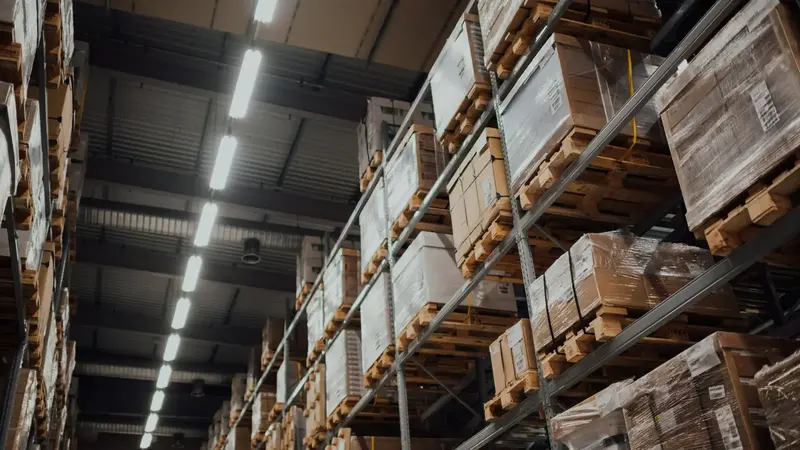
Warehouse equipment finance spreads the cost of racking, reach trucks, stackers, order pickers, dock levellers, pallet wrappers…

A finance lease is a form of equipment leasing in which a lender buys an asset and rents it to your business for most of its…
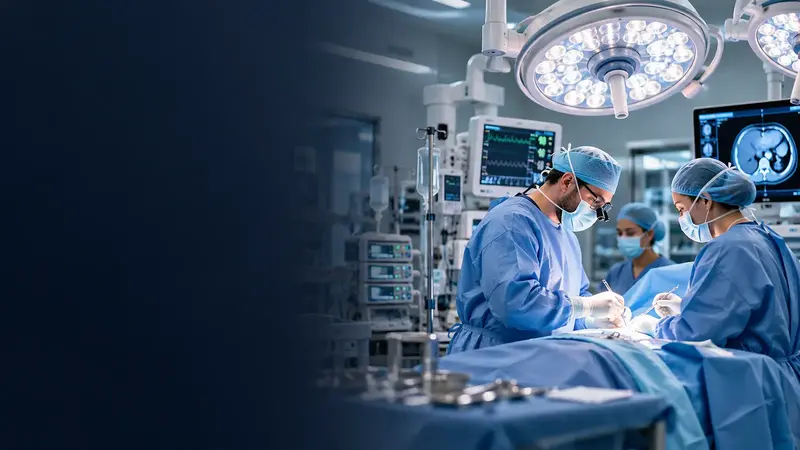
Medical equipment finance spreads the cost of clinical kit, from ultrasound and endoscopy stacks to lab analysers, OCT scanners…
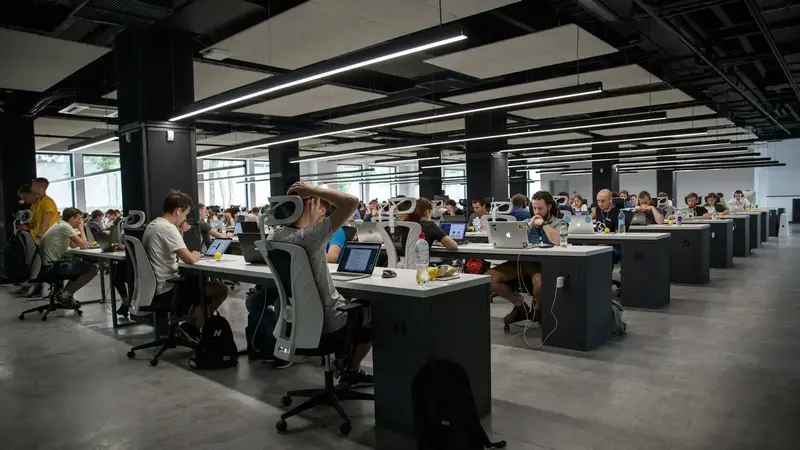
IT equipment finance spreads the cost of laptops, desktops, servers, networking and phone systems over monthly payments,…
What our clients say
“Simon was fast, kept us updated at all stages and was a real pleasure to work with on our asset finance. I highly recommend this company: excellent service all round.”
“Spoke with Simon, who managed to get me the loan I needed promptly. The whole process was very smooth and was completed within a few days.”
“Getting a business loan can feel like a bit of a minefield, but everything was broken down for me in great detail. Will use again in the future!”
“Simon was a pleasure to deal with and helped us find a business loan that matched our growth goals and future expansion plans.”
“I couldn’t source funding for my business, but the team got in touch within an hour and had it sorted within 24 hours. Fantastic service, and I would definitely use them again.”

Chat with Smart Funding
We usually reply in seconds
Please don't share bank details or passwords here. Calls on 01244 267694.