

Gym equipment finance: leasing and hire purchase for UK gyms
Lease the gym kit that dates and buy the kit that lasts. Cardio machines with screens and software usually suit an operating lease, which lets you…

Funding for gyms and fitness studios: fit-outs, new sites, staff and cash flow, with options matched to membership income and the peaks and dips of the year.
Explore funding options Prefer a quick call back? Leave your number
“He is fair and always gives advice that is in the best interest of his clients.”
In short
Supporting gym businesses at every stage.
Sites with strong direct debit income may suit revenue-based finance, and studios with heavy card takings may consider a merchant cash advance. Lenders focus on membership numbers, churn, lease length and whether repayments fit the quieter months between the January and pre-summer peaks.
The operating cycle
Cash leaves the business at every stage before it comes back. Each stage below is a point where the right facility can carry the gap.
“I highly recommend this company: excellent service all round.”
Orders, contracts or customers secured.
Stock, materials and equipment paid for up front.
Asset finance →Wages and suppliers paid on time.
Working capital →The work is done or the goods are sold.
Customers pay, sometimes weeks later.
Invoice finance →VAT and Corporation Tax fall due.
HMRC loans →Growth, a new site or new equipment.
Business loans →A transaction we arranged
£30,000
£30,000, released once the final paperwork was resolved.
A carefully completed term loan for a performance and sports services business.
Read the transactionAbout gym business loans
Specialist knowledge. Better outcomes.
Gym business loans are finance for gyms, boutique studios, leisure clubs, CrossFit boxes, martial arts and yoga studios, and personal training businesses. They pay for fit-outs, new sites, staff, marketing and cash flow, as well as the equipment on the gym floor. Fitness businesses have an unusual profile for lenders: steady direct debit income, but high member churn, big seasonal swings and expensive kit that needs regular replacing. Smart Funding Solutions is a broker, not a lender: we find lenders on our panel that understand membership-based businesses and set out the options side by side.
Gyms are one of the sectors covered in our SME loans hub.
More detail on specific needs within this topic.
Lease the gym kit that dates and buy the kit that lasts. Cardio machines with screens and software usually suit an operating lease, which lets you…
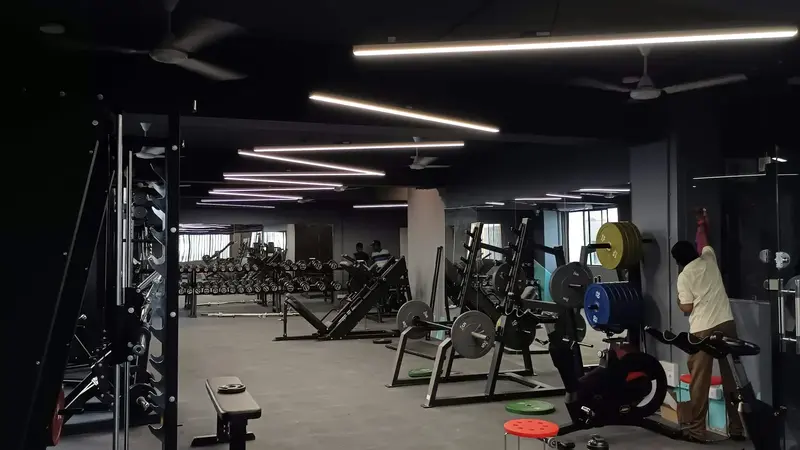
Sage, the UK accounting software company, estimates that starting a gym in the UK typically needs around £75,000 to £120,000 in upfront costs, and…
Choose the need, and we’ll show you how lenders usually structure it.
To get a business loan for a gym, split the project into equipment, building work and working capital, then borrow against the income stream lenders can see most clearly: kit, direct debits or card takings. The steps below are the order that usually works best.
A new gym has no membership history, so equipment finance with a deposit is often the starting point. Founders can also apply for a government-backed Start Up Loan of £500 to £25,000 at a fixed 7.5% a year over 1 to 5 years, according to GOV.UK. It is a personal loan with a credit check. Our page on start-up business loans covers the wider options, and operators of larger sites with pools can read our leisure centre finance guide.
Yes. Gyms and fitness studios commonly fund equipment with asset finance or leasing and pay for fit-outs, marketing or cash flow with an unsecured business loan. Smart Funding Solutions, a whole-of-market commercial finance broker, approaches lenders that understand membership income and seasonality, for new gyms, established clubs, franchises and studios buying or expanding a site.
Boutique studios, salons and leisure sites can also read leisure business finance, and franchisees franchise loans. To see which lenders fund gyms like yours, use Instant Quotes.
Yes. Saunas, cold plunge tubs, infrared rooms and compression kit can be funded on asset finance, and the plumbing, electrics and building work around them on a business loan or fit-out finance. Smart Funding Solutions, a whole-of-market commercial finance broker, searches lenders that fund leisure equipment and fit-outs and helps you split the costs the way they prefer.
Yes. A refurbishment, from flooring and changing rooms to lighting and air handling, is usually funded with an unsecured business loan or fit-out and refurbishment finance, with any new kit on asset finance alongside. Lenders compare the term with your remaining lease and look at membership numbers before and after similar upgrades if you have them. Check with your council whether any new treatment or service needs a licence before you open it. The British Business Bank sets out how leasing and hire purchase work.
Our article on leasing gym equipment covers the kit side, and leisure and personal services finance covers spas and studios. Instant Quotes shows which lenders on our panel may fund your project, with no credit search.
Sometimes, within limits. Asset finance lenders are happiest funding physical kit they could recover and resell, so software licences, installation, delivery and training, often called soft costs, are usually accepted only as a share of a larger hardware deal or funded separately with a business loan. Smart Funding Solutions searches the market for lenders that will take soft costs on gym projects and tells you upfront how a deal is likely to be split.
Partly. Turnstiles, door entry, CCTV, kiosks and connected cardio machines are hardware that lenders can fund on hire purchase or a lease. Gym management software and member apps are usually paid by monthly subscription, so they sit in your running costs, not in an asset finance agreement. If a supplier bundles hardware and software into one price, ask for an itemised quote so the lender can see what it is funding.
The British Business Bank's guide to asset finance explains the main types. See also soft asset finance and IT equipment finance, and use Instant Quotes to see which lenders on our panel may suit, with no credit search.
Gyms typically see a surge in sign-ups in January and again before summer, with quieter spells in between. Membership churn, freeze requests and the cost of refreshing equipment all affect cash flow. Plan borrowing so repayments sit comfortably within your quietest months, not your busiest. Keeping a close eye on membership numbers, churn and average revenue per member also gives lenders confidence.
Sometimes. Equipment finance is secured on the equipment, and some lenders focus on recurring income or card takings rather than past credit problems. Options will be narrower and costs higher, so be upfront about your history.
Before borrowing, most new gym owners want to know the total they are funding. Sage estimates that starting a gym in the UK typically needs around £75,000 to £120,000 upfront, and describes this as a guideline average rather than a quote (Sage). Premises, fit-out, equipment and launch marketing are the largest items, and lenders will want to see three to six months of running costs covered as well. Our guide to how much it costs to open a gym in the UK breaks the estimates down and shows which finance fits each part.
How long you have been trading, and recent accounts or management figures
Active membership numbers, churn, frozen memberships and failed direct debit rates, alongside recurring direct debit revenue
Bank statements showing direct debit and card income
The length and terms of your premises lease, since a short lease limits how long lenders will lend
Business and personal credit history
Your experience running or managing a fitness business
Gyms trade as sole traders, partnerships, limited companies and LLPs, and lenders set their own minimum trading periods. Finance of £25,000 or less to a sole trader or small partnership, such as a personal trainer running a small studio, can be regulated consumer credit.
Gym lenders apply some specific rules on top of the usual membership checks.
Our case study on a £30,000 term loan for a performance and sports services business is one example of a sports business funded on its trading. Racket sports operators can see tennis club finance.
One asset lender on our panel requires three years' trading before funding fitness facilities, and another treats sports and leisure as a sector it dislikes. Younger gyms suit lenders with more appetite.
Gyms playing music in classes or on the gym floor need a music licence. Lenders expect it in the cost base; see GOV.UK on licences to play music.
Commercial cardio and strength kit from established makers has a used market, so lenders are more comfortable funding it than bespoke fit-out.
| Option | Best for | Watch out for |
|---|---|---|
| Equipment finance or leasing | Kitting out the gym floor | Total cost across several agreements |
| Unsecured business loan | Refurbishments, marketing, staff, mixed projects | Personal guarantees |
| Revenue-based finance | Gyms with strong recurring direct debit income | Higher overall cost than some term loans |
| Merchant cash advance | Studios with high card takings from classes or PAYG | Poor fit if most income is by direct debit |
| Secured loan or commercial mortgage | Buying premises or large projects | The property is at risk if repayments are missed |
Equipment is usually the largest cost in fitting out a gym, and hire purchase or leasing spreads it over monthly payments secured on the kit itself. Our guide to gym equipment finance compares operating leases, finance leases and hire purchase in detail.
An unsecured business loan gives you a lump sum repaid in fixed monthly instalments, with no charge over property or equipment. It suits refurbishments, marketing pushes, staff costs and projects that mix equipment with building work. Lenders commonly ask for a personal guarantee.
Many gyms collect most of their income through recurring membership direct debits. Some lenders offer finance based on that predictable recurring revenue, with repayments linked to your income. See revenue-based finance for how this works.
If a meaningful share of your income comes through card payments, such as pay-as-you-go visits, classes, personal training or a café, a merchant cash advance provides an upfront sum repaid as a percentage of future card takings. Repayments fall in quieter months. It is less suitable where most income is collected by direct debit, and it usually costs more overall than a term loan.
If you own your premises, or are buying a building, secured lending can provide larger sums over longer terms. The property is at risk if repayments are missed.
Tell us what you want to fund, whether a new site, a refurbishment or an equipment refresh, and share your membership and bank figures. We shortlist lenders comfortable with fitness businesses, compare the options and total costs with you, and support the application while the lender underwrites it and makes the final decision. Decisions can come within a few working days once a lender has everything it needs. It is free to enquire; any broker fee is disclosed separately before you proceed. Sports clubs and wider leisure businesses can also read our sports business funding guide.
Yes, although start-ups face narrower options. Lenders want a business plan with realistic membership forecasts, details of the premises and lease, your experience in the fitness industry and your personal credit history. Equipment finance with a deposit is often the most accessible starting point, alongside your own investment.
It can be possible, though choice is narrower and costs usually higher. Equipment finance is secured on the kit, and revenue-based finance looks closely at direct debit income, so both can be more accessible than an unsecured loan. Lenders still check credit history and will want any past problems explained. Our guide to bad credit business loans sets out what lenders typically consider.
Most unsecured gym business loans ask directors for a personal guarantee, because gyms have high member churn and much of a fit-out has little resale value. Equipment finance is secured on the kit itself, and secured loans use property, but guarantees are still common for smaller operators. Check how much you are guaranteeing. Our page on personal guarantee insurance explains one way directors manage the risk.
Gym business loans range from £10,000 to £20 million. The amount depends on membership numbers, direct debit income, churn, profit, existing debt and what the money is for. Equipment finance is sized on the kit's price, while unsecured loans depend mainly on affordability. Lenders set their own criteria, so offers can vary widely between them.
Yes, personal trainers and small studios can borrow, often through equipment finance for kit or a smaller unsecured loan for a fit-out. Lenders look at bank statements, client or membership income and personal credit history. Finance of £25,000 or less to sole traders and small partnerships can be regulated consumer credit, which carries extra protections. Our page on small business loans covers the options for smaller operators.
It depends on how long you will keep the kit. Leasing suits cardio machines and connected equipment you expect to replace every few years, because you can upgrade at the end of the term. Hire purchase, or buying outright, suits racks, benches and free weights that last much longer, because you own them once paid for. Many gyms mix both across the gym floor to manage cash flow.
Equipment finance with a supplier quote and an unsecured loan for an established gym can often get a decision within a few working days once a lender has everything it needs. Revenue-based finance can be quick where your bank and direct debit data are connected. Start-up funding, secured loans and commercial mortgages take longer, because lenders review a business plan, the lease or a property valuation.
Yes, franchised gyms and studios can borrow, and some lenders view an established fitness brand favourably because of its proven model and support. Lenders still look at your own contribution, credit history, the site's lease and the franchisor's fees, which come out of income before repayments. Equipment is often funded through the franchisor's approved suppliers on hire purchase or leasing, so check what the franchise agreement allows first.
Yes. Buying an established gym or fitness studio is usually funded with acquisition finance: a loan sized on the business's recent profits, your own contribution and sometimes part of the price paid to the seller after completion. Lenders look most closely at the membership numbers and churn, direct debit income, the lease, the age of the equipment and any leases on it, and whether the coaching staff will stay. You can see which lenders on our panel fund purchases like yours with Instant Quotes.
Yes. Most gyms use asset finance or leasing for equipment and an unsecured loan for fit-out, marketing or cash flow; new gyms may start with a Start Up Loan. Lenders look at membership income, churn, lease length and seasonality. Smart Funding Solutions searches its panel of 300+ lenders for gym finance. Get Instant Quotes.
Yes. Saunas, cold plunge tubs, infrared rooms and compression kit can be funded on asset finance, with plumbing, electrics and building work on a business loan or fit-out finance. Lenders look at whether the add-on will pay its way, whether units are freestanding and resellable, landlord consent and lease length, and running costs. Smart Funding Solutions, a whole-of-market commercial finance broker, searches lenders that fund leisure equipment and fit-outs.
Yes. A gym refurbishment, from flooring and changing rooms to lighting and air handling, is usually funded with an unsecured business loan or fit-out finance, with new equipment on asset finance alongside. Lenders compare the term with the time left on your lease and look at membership numbers.
Sometimes, within limits. Asset finance lenders prefer physical kit they could recover and resell, so software licences, installation, delivery and training are usually accepted only as a share of a larger hardware deal or funded separately with a business loan. Smart Funding Solutions searches the market for lenders that will take these soft costs on gym projects.
Partly. Turnstiles, door entry, CCTV, kiosks and connected cardio machines are hardware that can be funded on hire purchase or a lease. Gym management software and member apps are usually paid by monthly subscription, so they sit in running costs rather than an asset finance agreement. Ask suppliers for an itemised quote so lenders can see what they are funding.

Climbing wall finance usually combines asset finance for holds, matting, auto-belays and training boards with a term loan or…
Outdoor activity businesses usually fund boats, bikes, vehicles and climbing kit through asset finance, and use an unsecured…

Beauty salon business loans fund refits, treatment equipment, stock and new sites for hair and beauty salons, barbers, nail…

Trampoline parks and other indoor leisure sites usually fund their installed attractions with equipment finance, the building…

Leisure centre finance usually combines asset finance for pool plant, gym equipment and energy saving kit, a term loan or…

Design agencies generally fund growth with an unsecured loan, workstations and studio kit with equipment finance, and the wait…
What our clients say
“Simon was fast, kept us updated at all stages and was a real pleasure to work with on our asset finance. I highly recommend this company: excellent service all round.”
“Spoke with Simon, who managed to get me the loan I needed promptly. The whole process was very smooth and was completed within a few days.”
“Getting a business loan can feel like a bit of a minefield, but everything was broken down for me in great detail. Will use again in the future!”
“Simon was a pleasure to deal with and helped us find a business loan that matched our growth goals and future expansion plans.”
“I couldn’t source funding for my business, but the team got in touch within an hour and had it sorted within 24 hours. Fantastic service, and I would definitely use them again.”

Chat with Smart Funding
We usually reply in seconds
Please don't share bank details or passwords here. Calls on 01244 267694.