

Physiotherapy clinic finance for private practices
Private physiotherapy clinics typically fund rehab equipment, shockwave and electrotherapy devices and clinical Pilates…

How podiatrists fund chairs, nail drills, shockwave and orthotic kit, clinic fit-outs and practice purchases, and what lenders look for in a clinic.
Explore funding options Prefer a quick call back? Leave your number
“Simon was excellent throughout the process.”
In short
Supporting practice owners at every stage.
Equipment suits hire purchase or leasing, and fit-outs and acquisitions usually go on unsecured or acquisition loans. Lenders look at HCPC registration, the share of recurring routine-care patients, card takings and dependence on the owner.
Finance across the lifecycle
The funding question changes as a practice moves from its first day to its next owner. These are the points where it usually arises.
“He is fair and always gives advice that is in the best interest of his clients.”
About podiatry clinic finance
Specialist knowledge. Better outcomes.
A large share of patients return every six to ten weeks for routine nail and skin care, many of them older or diabetic, which gives a well-run clinic dependable income. Alongside that sit higher-value treatments such as nail surgery, verruca therapies, custom orthotics and shockwave for heel pain, each needing its own equipment. This page is for podiatrists running or setting up private clinics, multi-room practices and domiciliary services. Smart Funding Solutions is a broker, not a lender: we search our panel of 300+ lenders and arrange funding from £10,000 to £20 million. It sits within our professional practice finance section.
Most podiatry practice sales are small and personal: a sole practitioner retiring and selling the patient list, equipment and sometimes the lease. Value lies in patients who book routinely, so lenders and buyers ask how many active patients have attended in the last year, how many are on regular recall and how many follow the seller personally. A handover period in which the seller introduces the buyer, and part of the price deferred against patient retention, reduces risk for everyone. Our healthcare practice acquisition finance page explains the wider process.
Podiatrist and chiropodist are protected titles held by those on the HCPC register. Lenders distinguish registered podiatry clinics from foot health practitioner businesses, which are not HCPC-regulated, and the former generally find more lenders willing to help. Clinics offering podiatric surgery, or other procedures that fall within the CQC's surgical procedures regulated activity, need CQC registration, and a lender funding that expansion will ask about it.
Specialist devices are only worth financing if patients will pay for the treatment. Before signing a five-year agreement on a shockwave or laser system, test demand with referral sources such as GPs, physiotherapists and sports clubs.
Illustration. A clinic considers a shockwave unit costing £15,000 on a four-year agreement, with monthly payments of a few hundred pounds. If a course of treatment brings in £300 and the clinic can fill two new courses a month, the device more than covers itself; at one course every other month it does not. Run your own figures before committing. These numbers are hypothetical.
Avoid stacking several equipment agreements and a cash advance at once: the combined monthly cost can exceed what the recall base supports. For new clinics, see private clinic start-up finance. Borrowing of £25,000 or less by sole traders and small partnerships can be regulated consumer credit, which brings additional protections.
the number of patients on routine recall, which supports repayments more reliably than one-off treatments.
self-pay, private medical insurers, NHS subcontracts and care home contracts each pay on different timescales.
the trend in card and online receipts over recent months.
how many podiatrists work in the clinic and how much depends on the owner.
the lease length and break dates, particularly for fit-out lending.
how new devices such as shockwave will be priced and filled.
Podiatry clinics combine routine care with surgical procedures and product sales, and lenders look at each separately.
Some clinics hold subcontracts for NHS podiatry or visit care homes under contract. Lenders check the term of each contract and how payment is made.
HCPC-registered podiatrists with the right annotation can supply and administer certain medicines, which supports nail surgery and other procedures. Lenders confirm the practitioners' status on the HCPC register.
Custom orthotics and footwear add margin but tie up cash in stock and lab costs. Lenders look at how quickly product sales convert to cash.
| Need | Often suits | Point to watch |
|---|---|---|
| Chairs, drills, autoclaves, shockwave and scanning kit | Equipment finance: hire purchase to own, leasing to upgrade | Devices with a short technology life may suit leasing better |
| Clinic fit-out or a second site | Unsecured business loan | Fit-out has little resale value; a personal guarantee is usual |
| Buying a practice | Goodwill finance or acquisition lending | Lenders want a handover period and often deferred payments |
| Short-term gaps or slow insurer payments | Working capital loan | Check the cost against simply tightening billing |
| Clinics taking most payments by card | Merchant cash advance | Flexible but usually more expensive; compare the total repaid |
For larger clinical devices, our page on medical equipment finance covers how lenders value specialist kit, including used equipment.
Often, yes. Chairs and autoclaves from a recognised supplier can usually be funded on hire purchase, though lenders may shorten the term for older items. A private sale between practitioners is harder to fund this way.
It can, because it shows steady referrals, but lenders will check the contract length and payment terms. Our guide to funding NHS contracts explains how lenders treat that income.
Lenders assess the clinic as a whole. Our physiotherapy clinic finance page covers the rehabilitation side, including insurer and medico-legal income.
Yes, a domiciliary podiatry service can usually fund a suitable vehicle and portable equipment through hire purchase or leasing, with the vehicle and kit supporting the agreement. Lenders look at your registration, experience, any care home or NHS work already in place and your personal credit. Because a home-visit business has few other assets, borrowing beyond the vehicle tends to be unsecured. Our van loans page covers vehicle options.
Usually yes for unsecured borrowing such as a fit-out or working capital loan, because a clinic has few hard assets for a lender to rely on. Equipment finance leans mainly on the equipment itself, although directors of a limited company may still be asked to guarantee it. Read the guarantee terms carefully before signing, and consider whether personal guarantee insurance is worth the cost for larger amounts.
Private physiotherapy clinics typically fund rehab equipment, shockwave and electrotherapy devices and clinical Pilates…

Cosmetic and aesthetics clinics usually fund lasers and energy-based devices with hire purchase or leasing, fit-outs and…

Healthcare practice loans fund private clinics, therapy practices, optometrists, day surgeries and similar providers to buy or…

Match the finance to how long each item stays useful. Plotters, survey kit and furniture suit hire purchase because you keep…
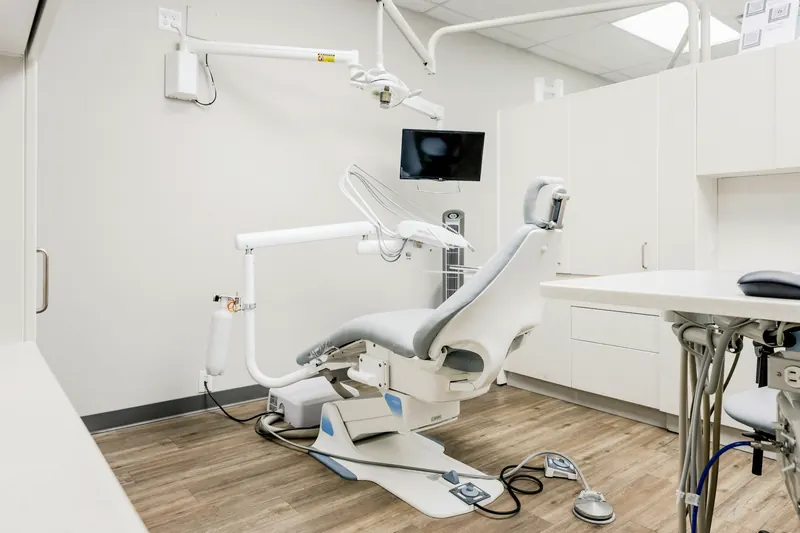
Dental equipment finance spreads the cost of chairs, OPG and CBCT imaging, intraoral scanners and decontamination equipment…

Private clinic start-up finance usually comes from several sources at once, because few lenders will fund a clinic with no…
What our clients say
“Simon was fast, kept us updated at all stages and was a real pleasure to work with on our asset finance. I highly recommend this company: excellent service all round.”
“Spoke with Simon, who managed to get me the loan I needed promptly. The whole process was very smooth and was completed within a few days.”
“Getting a business loan can feel like a bit of a minefield, but everything was broken down for me in great detail. Will use again in the future!”
“Simon was a pleasure to deal with and helped us find a business loan that matched our growth goals and future expansion plans.”
“I couldn’t source funding for my business, but the team got in touch within an hour and had it sorted within 24 hours. Fantastic service, and I would definitely use them again.”