
3G pitch finance: new pitches and carpet replacement
3G pitch finance usually combines grants and reserves with a term loan or secured loan, because the base and carpet are fixed to the land and have little…
How football clubs and five-a-side operators fund 3G pitches, floodlights, clubhouses and machinery, which finance fits each cost, and what lenders check.
Explore funding options Prefer a quick call back? Leave your number
“Fantastic customer service, highly recommend!”
In short
Supporting football clubs at every stage.
Lenders look most closely at the club's legal structure, its security of tenure on the ground, team and booking income, and how it plans to pay for the next carpet replacement.
The operating cycle
Cash leaves the business at every stage before it comes back. Each stage below is a point where the right facility can carry the gap.
“He is fair and always gives advice that is in the best interest of his clients.”
Subscriptions, match fees and league entries through the season.
Revolving credit →Pitch hire, small-sided leagues and holiday camps.
Winter evenings need lights to keep pitches in use.
Floodlight finance →Grass wears out; a 3G pitch can be used far more often.
3G pitch finance →Artificial carpets wear and need replacing on a cycle.
Term loans →Changing rooms, bar and function space.
Fit-out finance →About football club finance
Specialist knowledge. Better outcomes.
This page is for people running football venues: grassroots and members' clubs, semi-professional clubs with their own ground, community trusts, and commercial small-sided operators running five-a-side and seven-a-side centres. It also covers schools, colleges and leisure businesses that let pitches to teams and leagues. Smart Funding Solutions is a broker, not a lender: we search a panel of 300+ lenders and arrange facilities from £10,000 to £20 million. This page is part of our leisure business finance guides. Cricket, rugby and multi-sport clubs should see sports club finance. Professional and semi-professional clubs should see professional football club finance, transfer fee finance and football stadium finance.
More detail on specific needs within this topic.
3G pitch finance usually combines grants and reserves with a term loan or secured loan, because the base and carpet are fixed to the land and have little…

Sports floodlight finance usually splits a project in two: LED fittings and controls can often go on asset finance, while columns, foundations and cabling…
Professional football club finance usually means working capital facilities, advances against income the club is owed, such as league distributions,…
Football transfer fee finance: drawing transfer instalments upfront
Football stadium finance for grounds, stands and training grounds
Choose the need, and we’ll show you how lenders usually structure it.
New artificial pitches and carpet replacements are built into the ground, so lenders treat most of the cost as works rather than equipment. They are usually funded with a term loan, a secured loan, grant funding or a mix of all three. Our page on 3G pitch finance explains how new builds, small-sided pitches and replacement carpets are funded.
LED floodlight fittings and controls can often go on asset finance, while columns, foundations and the electrical supply are closer to building works. See sports floodlight finance for how a lighting project is usually split.
Goals, maintenance machinery, booking and access systems, and kitchen and bar equipment can be funded on hire purchase or leasing. Used machinery from a recognised dealer is often acceptable too. Clubs that look after their own grass pitches may find our grounds maintenance finance page useful.
Refurbishing or extending a clubhouse is usually funded with a term loan or fit-out finance. Bar and kitchen equipment can go on asset finance alongside.
Clubs and operators buying their ground can look at a commercial mortgage. A club that already owns its land may be able to use it as security for a secured business loan, and a venue with expensive older borrowing may be able to refinance it.
Small-sided centres have quieter months, and clubs often pay for kit, affiliation and pitch hire before subscriptions come in. A working capital loan or a revolving credit facility can smooth those gaps.
A community club usually earns from player subscriptions and match fees, often across many junior and adult teams, alongside pitch hire to other clubs, a clubhouse bar, events, sponsorship and fundraising. Clubs with a ground of their own may also take gate money and hospitality income. Many clubs rent council or school pitches, which keeps costs down but limits what they can build and borrow against.
Commercial small-sided operators work more like any other leisure business. Income comes from block bookings by teams, adult leagues run by the venue, casual pay-and-play, children's coaching and parties, and food and drink. Evenings in winter are often the busiest slots, so floodlighting and an all-weather surface are central to the business rather than extras.
On both sides, the large costs come in lumps. A 3G carpet wears out and has to be replaced, floodlights age, fencing and goals need renewing, and clubhouses and changing rooms need refurbishing. Ground maintenance machinery for grass pitches adds a further cycle of replacement. Well-run venues set aside money for these costs each year, and finance fills the gap when the bill arrives before the reserve is large enough.
The Football Foundation is the charity backed by the Premier League, The FA and the Government, and it runs grant programmes for grassroots facilities in England, including 3G pitches, floodlights, changing rooms and maintenance equipment. Its 3G pitch eligibility page lists the types of organisation that can apply, such as not-for-profit clubs, local authorities, schools providing community use, charities and community interest companies, and excludes individuals, sole traders and commercial entities. Sport England also funds community projects. Grants are competitive and usually come with conditions, so many clubs combine them with their own reserves and commercial finance. Check current criteria with the funder before relying on any grant.
Many grassroots clubs are unincorporated associations run by a committee. An unincorporated club cannot borrow in its own name, so lenders usually need trustees, a club company limited by guarantee or a community benefit society to be the borrower, and fewer lenders will consider it. Clubs registered as a community amateur sports club (CASC) have rules on how they use their income and assets; see HMRC's CASC guidance. Community-owned clubs may also find our social enterprise finance page relevant.
Commercial small-sided operators owned by a limited company borrow like any other leisure business, and directors should expect personal guarantees on most facilities. Borrowing of £25,000 or less by sole traders and small partnerships can be regulated consumer credit, which brings additional protections.
A loan for a 3G carpet should be repaid well before the carpet needs replacing again, or the club ends up paying for two surfaces at once. Grant conditions on community use, pricing or replacement saving may affect how a commercial lender looks at the project, so share the grant terms early. Committee members should be clear about who carries the liability if the club cannot pay, and company directors should read any guarantee carefully; see our guide to personal guarantees. Floodlit pitches add electricity and maintenance costs as well as playing hours, so test repayments against a cautious booking forecast.
Whether the club owns its ground or has a lease running well beyond the finance term. Clubs on council or school land need the landowner's agreement.
The club's structure, its rules on borrowing and minutes approving the borrowing.
Team and player numbers, subscriptions, pitch hire, league and booking income, and bar takings.
For small-sided centres, how full the peak slots are and how much space there is to grow.
Whether the club is saving towards its next carpet or floodlight replacement.
Consent for pitches and floodlights, and any conditions on hours, noise or light spill.
| Cost | Finance that often fits | Why |
|---|---|---|
| New 3G pitch or carpet replacement | Term loan, secured loan, grants and reserves | Works fixed to the land, with little resale value |
| LED floodlight fittings | Asset finance or a term loan | Depends on how much is equipment and how much is groundworks |
| Goals, machinery and systems | Hire purchase or leasing | Removable items with a used market |
| Clubhouse and changing rooms | Fit-out finance or a term loan | Spreads costs that cannot be repossessed |
| Buying the ground | Commercial mortgage | Long term, secured on the property |
| Seasonal cash flow | Working capital loan or revolving credit | Short term, drawn when needed |
We look at the whole project, split it into the parts different lenders will fund, and check the club's structure and tenure before any application goes in. Where a grant covers part of the cost, we look for commercial finance to sit alongside it. Some clubs are also adding padel courts to bring in new income; see padel club finance, and our sports business funding guide for grants and sponsorship. It is free to enquire; any broker fee is disclosed separately before you proceed.
Often, yes, but fewer lenders work with members' clubs than with companies. A club that is a company limited by guarantee or a community benefit society can borrow in its own name, while an unincorporated club usually borrows through its trustees. Lenders will want the club's rules, minutes approving the borrowing and evidence of security of tenure.
Usually from a mix of grant funding, the club's own reserves, partner contributions and a term loan or secured loan for the balance. Because the pitch is fixed to the land, asset finance rarely covers the carpet itself. See 3G pitch finance.
Generally not. The Football Foundation's eligibility guidance excludes commercial entities and sole traders, and focuses on not-for-profit organisations, schools providing community use and local authorities. Commercial operators usually fund pitches and floodlights through commercial lenders instead.
It is possible but harder than for an established venue. Lenders look for operating experience, a secure site with planning consent, a credible booking forecast and a meaningful contribution from the owners. See start-up business loans and indoor leisure finance.
Yes. LED fittings and controls can often be funded on asset finance, while columns, foundations and cabling are usually funded with a term loan or grant. See sports floodlight finance.
Usually the landowner's agreement is needed before building on the site, and lenders will want to see a lease or licence that runs well beyond the finance term. Clubs without a long lease often negotiate one before applying.
Yes. Buying an established small-sided football or five-a-side centre is usually funded with acquisition finance: a loan sized on the business's recent profits, your own contribution and sometimes part of the price paid to the seller after completion. Lenders look most closely at league and pitch hire income, the lease or freehold, the age of the pitch carpets and floodlights and any finance already on them. You can see which lenders on our panel fund purchases like yours with Instant Quotes.
Rugby club finance usually combines asset finance for floodlight fittings, machinery and minibuses with a term loan or secured…

Golf club finance usually combines asset finance for buggies, greenkeeping machinery and range technology, a term loan or…

Tennis club finance usually combines a term loan or secured loan for court building and resurfacing, asset finance for…
Sports club loans usually combine a term loan or secured loan for clubhouse and pitch works, asset finance for machinery and…
Cricket club finance usually means hire purchase or leasing for mowers, rollers, covers and scoreboards, and a term loan,…
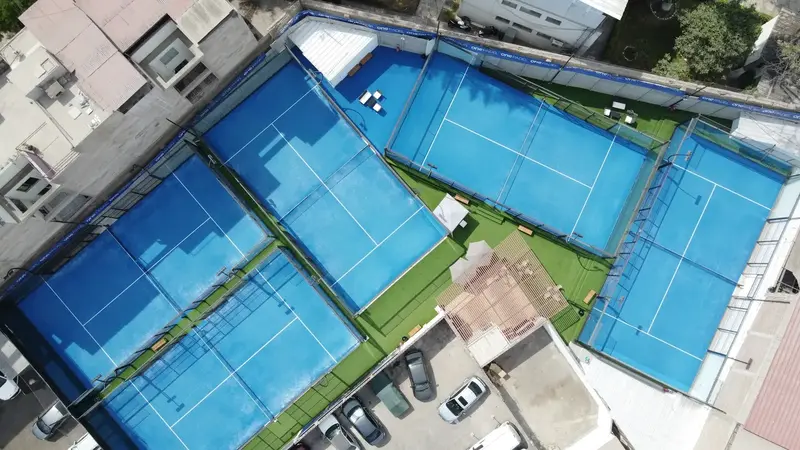
Padel club finance usually combines asset finance for the courts, lighting and any canopy, a term loan or fit-out facility for…
What our clients say
“Simon was fast, kept us updated at all stages and was a real pleasure to work with on our asset finance. I highly recommend this company: excellent service all round.”
“Spoke with Simon, who managed to get me the loan I needed promptly. The whole process was very smooth and was completed within a few days.”
“Getting a business loan can feel like a bit of a minefield, but everything was broken down for me in great detail. Will use again in the future!”
“Simon was a pleasure to deal with and helped us find a business loan that matched our growth goals and future expansion plans.”
“I couldn’t source funding for my business, but the team got in touch within an hour and had it sorted within 24 hours. Fantastic service, and I would definitely use them again.”