

Bed and breakfast loans: how to buy, set up and finance a B&B
Most people buy a trading B&B with a commercial or semi-commercial mortgage, because the owner lives on site and the lender…
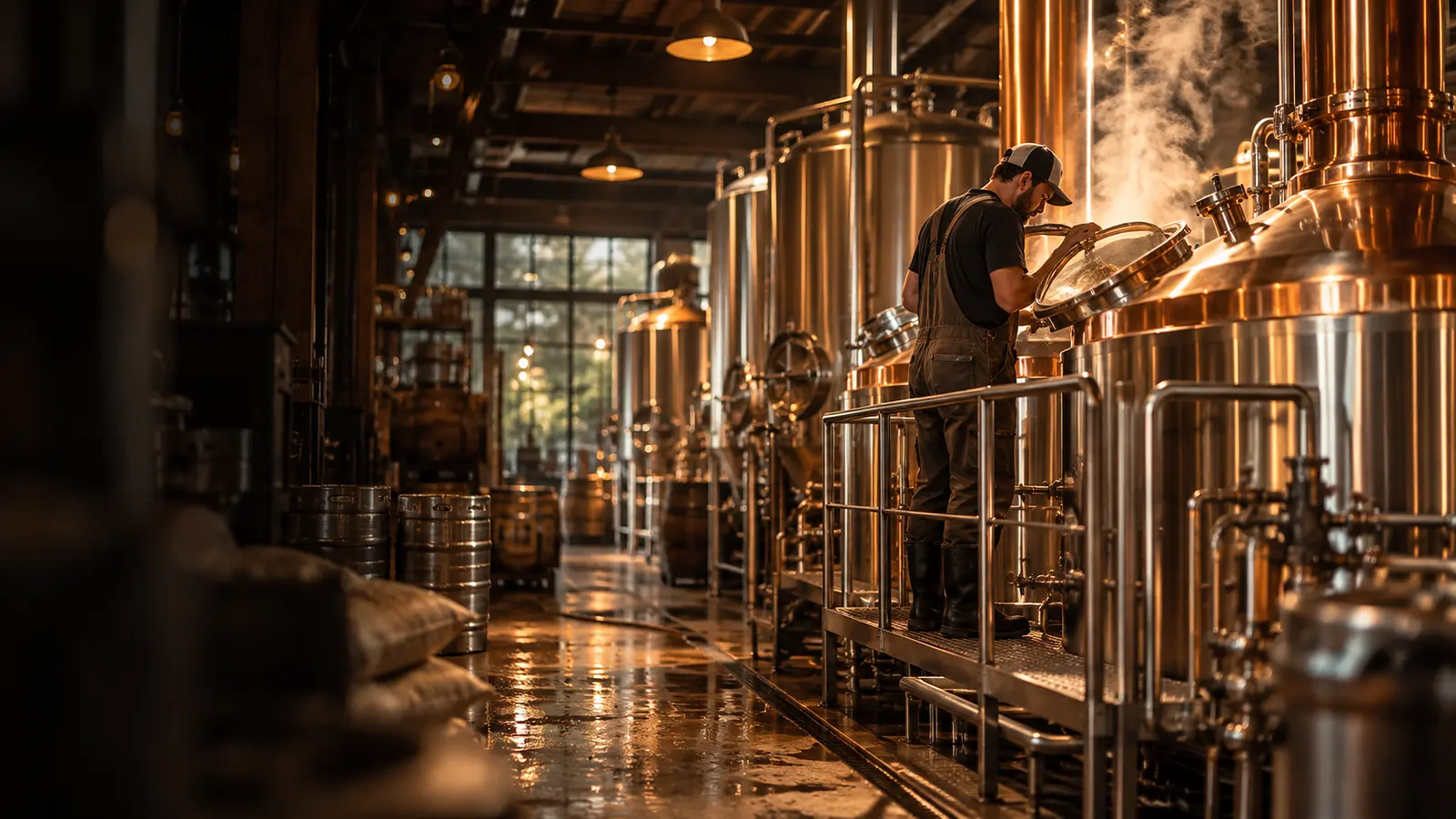
How breweries, distilleries and drinks producers fund brewhouses, canning lines, duty and VAT, seasonal stock and trade invoices, and what lenders look for.
Explore funding options Prefer a quick call back? Leave your number
“Fantastic customer service, highly recommend!”
In short
Supporting breweries at every stage.
Premises usually need a commercial mortgage. Lenders look closely at margins after duty and at reliance on any single customer.
The operating cycle
Cash leaves the business at every stage before it comes back. Each stage below is a point where the right facility can carry the gap.
“He is fair and always gives advice that is in the best interest of his clients.”
Orders, contracts or customers secured.
Stock, materials and equipment paid for up front.
Asset finance →Wages and suppliers paid on time.
Working capital →The work is done or the goods are sold.
Customers pay, sometimes weeks later.
Invoice finance →VAT and Corporation Tax fall due.
HMRC loans →Growth, a new site or new equipment.
Business loans →About brewery finance
Specialist knowledge. Better outcomes.
Brewery finance is funding for craft and independent breweries, and the same approach works for distilleries, cideries and other drinks producers: asset finance for brewhouses, fermenters, canning and bottling lines; working capital for ingredients, packaging and duty; invoice finance for trade customers on credit terms; and commercial mortgages or bridging loans for premises. Smart Funding Solutions is a whole-of-market broker, not a lender. We approach the lenders whose appetite fits your brewery's stage, equipment and sales channels. For finance across pubs, restaurants and hotels, see our hospitality business loans hub.
Choose the need, and we’ll show you how lenders usually structure it.
Asset finance spreads the cost of brewhouses, fermentation and conditioning vessels, canning and bottling lines, kegs, cold stores and delivery vehicles over their working life. With hire purchase you own the equipment at the end; with leasing you use it for a set period and can upgrade. Because the equipment secures the agreement, lenders may need less additional security. Used equipment can often be financed, and existing equipment you own can be refinanced to release cash. Kit from established manufacturers with a resale market is generally easier to fund than bespoke or second-hand equipment with few buyers.
Working capital loans cover day-to-day costs such as malt, hops, packaging, wages and marketing, and help you build stock before peak season. They are usually short to medium term and can be unsecured, typically with a personal guarantee.
If you sell to pubs, wholesalers and retailers on credit, invoice finance releases cash tied up in unpaid invoices. Facilities grow as your trade sales grow, which suits breweries expanding into new accounts.
A VAT or corporation tax loan spreads an HMRC bill over monthly instalments so you can pay on time without cutting into the cash needed for brewing. Paying HMRC late can lead to penalties and interest, so planning ahead matters.
A revolving credit facility gives a limit you can draw on and repay as needed, which suits seasonal stock building. Breweries with a busy taproom or online shop taking card payments may also consider a merchant cash advance, repaid as a percentage of card sales.
For bulk purchases of malt, grain, bottles, cans or labels, trade finance can pay suppliers directly while you repay over an agreed period. It can also support export orders.
Buying a unit, building a new brewery or adding a taproom is usually funded with a commercial mortgage secured on the property. Bridging loans provide short-term, property-secured funding where you need to move quickly, for example to secure a site, with a clear plan to refinance or sell to repay.
Brewing is capital-intensive and cash flow is uneven. Equipment is expensive; ingredients, packaging and alcohol duty are paid before beer is sold; trade customers such as pubs, distributors and retailers often pay on 30 to 60-day terms; and demand peaks in summer and at Christmas. The right finance mix spreads capital costs and keeps enough working capital in the business to brew ahead of demand.
Other drinks producers face versions of the same squeeze. Distillers can have spirit maturing in cask for years before it is sold, supermarket and wholesale listings often come with longer payment terms, and a new listing may need a large production run before the first invoice is paid.
New breweries have no trading history, so options are narrower. Common routes include asset finance for equipment (often with a deposit), the government-backed Start Up Loans programme from the British Business Bank for eligible founders, personal investment, and equity or crowdfunding from customers and investors. A detailed business plan with realistic sales forecasts, route to market and costings, including duty, is essential.
Trading history, accounts and management figures
Sales mix: trade accounts, retail, taproom and online
Gross margins after ingredients, packaging and duty, and whether alcohol duty returns and payments are up to date
Any reliance on a single large buyer or distributor
Customer concentration and debtor days, for invoice finance
Equipment details and supplier quotes, for asset finance; lenders are more comfortable with kit that has a resale market
Credit history of the business and directors
For start-ups and expansion, a business plan and forecasts
Brewery lending turns on excise duty rules and on assets that leave the brewery every day.
Pub buyers and drinks producers often deal with the same lenders; see pub and bar loans.
Smaller producers pay reduced alcohol duty under Small Producer Relief. Lenders want to see the relief claimed correctly and growth plans that allow for the relief tapering away; see GOV.UK on Small Producer Relief.
Producers can hold stock under duty suspension and pay duty when it leaves. Lenders check approvals are in place; see Excise Notice 196.
Containers out with customers are assets that go missing. Lenders ask how they are tracked and what losses cost each year.
| Growth step | Finance that often fits |
|---|---|
| More tanks or a larger brewhouse | Asset finance over the equipment's working life |
| Bringing canning or bottling in-house | Asset finance, weighed against contract packing costs |
| Opening a taproom or visitor centre | Asset finance for fit-out equipment plus a term loan |
| Winning a supermarket or wholesale listing | Invoice finance and working capital for the first production run |
| Laying down spirit to mature | Longer-term working capital or stock-backed lending from specialist lenders |
If you are buying or opening pubs as part of your plan, see our page on pub and bar loans.
It is free to enquire; any broker fee is disclosed separately before you proceed. To discuss your requirement, you can start an enquiry online.
Maturing spirit ties up cash for years, so distillers usually combine several sources: longer-term working capital loans, investor or crowdfunding equity, and income from faster-selling products such as gin or white spirit. Some specialist lenders will lend against maturing stock, looking closely at its quantity, age, storage and likely value, so good stock records are essential.
Yes, a working capital loan or revolving facility can help a brewery pay alcohol duty, ingredients and packaging before beer is sold and trade customers pay. Lenders will check that duty returns and payments are up to date, because arrears with HMRC are a serious concern. Including duty in your cash flow forecast for peak periods such as summer and Christmas shows a lender how the facility will be repaid. Our working capital loans page explains how these work.
Often yes for unsecured working capital loans, where lenders typically ask directors for a personal guarantee. Asset finance on brewhouses, fermenters and canning lines relies mainly on the equipment, so additional security may be lighter, although guarantees can still be requested, especially for newer breweries. Read the terms carefully and understand your personal exposure. Our guide to personal guarantees explains what you are signing up to.
It can be possible, but adverse credit narrows the choice and usually increases the cost. Asset finance, where the equipment secures the agreement, and invoice finance, which relies on the quality of trade customers, can be more accessible than unsecured loans. Lenders want to know what happened and see that current trading and duty payments are in order. Our page on bad credit business loans covers the wider options.
Asset finance and unsecured working capital for a brewery can be arranged within a few working days in straightforward cases, once the lender has accounts, bank statements and any supplier quotes. Invoice finance takes longer because the lender reviews the sales ledger and customer terms, and premises finance takes longer still because of valuation and legal work. Planning ahead of peak season gives time to compare lenders.
Yes. Buying an established brewery is usually funded with acquisition finance: a loan sized on the business's recent profits, your own contribution and sometimes part of the price paid to the seller after completion. Lenders look most closely at the brewery's trade accounts and route to market, the brewing kit and its condition, the premises and any duty arrears. You can see which lenders on our panel fund purchases like yours with Instant Quotes.
Yes. A taproom fit-out is often funded with an unsecured business loan or fit-out finance, with asset finance for bar equipment and cellar kit. You will need a premises licence to sell alcohol on site (GOV.UK: alcohol licensing), and lenders will want to see the licence and the lease in place.
Most people buy a trading B&B with a commercial or semi-commercial mortgage, because the owner lives on site and the lender…

Most cafes combine two or three types of finance rather than one loan: equipment finance or leasing for the espresso machine…

Choose hire purchase if you want to own long-life items such as a combi oven or cold room, leasing if you want a lower up-front…
Most street food traders fund the first season from savings and a Start Up Loan, then use asset finance for a trailer,…

Most wedding and event businesses need finance for two things: kit and timing. Marquees, furniture, lighting and vans usually…
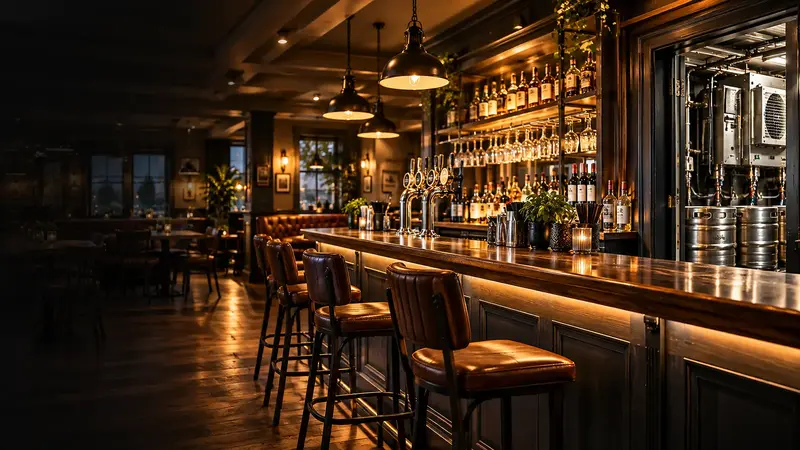
What a pub can borrow depends on how it is held and how it trades. A freehold purchase usually needs a pub or commercial…
What our clients say
“Simon was fast, kept us updated at all stages and was a real pleasure to work with on our asset finance. I highly recommend this company: excellent service all round.”
“Spoke with Simon, who managed to get me the loan I needed promptly. The whole process was very smooth and was completed within a few days.”
“Getting a business loan can feel like a bit of a minefield, but everything was broken down for me in great detail. Will use again in the future!”
“Simon was a pleasure to deal with and helped us find a business loan that matched our growth goals and future expansion plans.”
“I couldn’t source funding for my business, but the team got in touch within an hour and had it sorted within 24 hours. Fantastic service, and I would definitely use them again.”

Chat with Smart Funding
We usually reply in seconds
Please don't share bank details or passwords here. Calls on 01244 267694.