
Climbing wall finance for bouldering and climbing centres
Climbing wall finance usually combines asset finance for holds, matting, auto-belays and training boards with a term loan or fit-out finance for the wall…
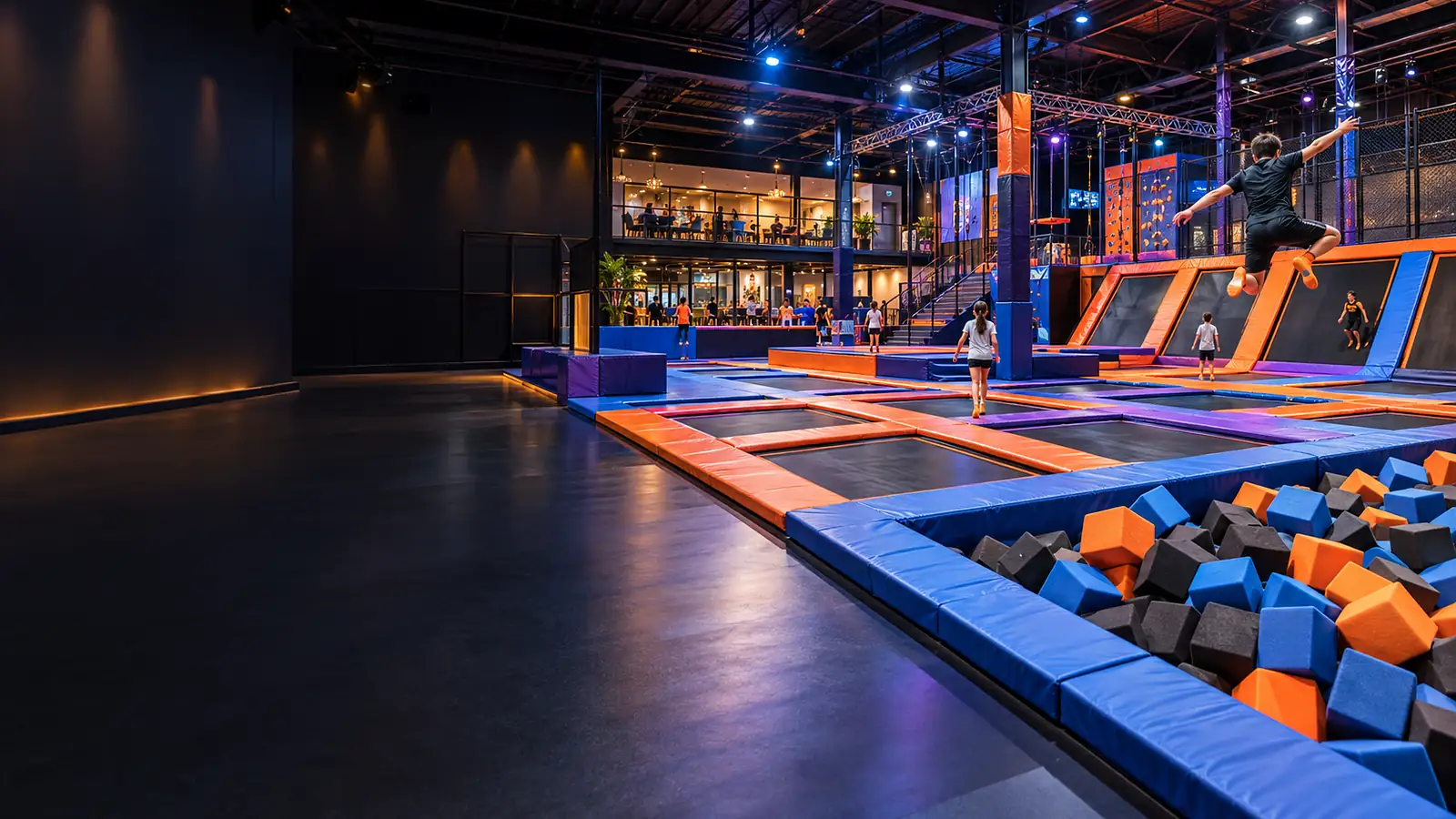
How trampoline parks, soft play, climbing and other indoor leisure sites fund fit-outs, equipment and second sites, and what lenders weigh before lending.
Explore funding options Prefer a quick call back? Leave your number
“A very quick and efficient service from Simon.”
In short
Supporting trampoline parks at every stage.
Because most sites are leased industrial units and the equipment has limited resale value once installed, lenders focus on trading history per site, safety and inspection records, insurance and the lease term remaining.
The operating cycle
Cash leaves the business at every stage before it comes back. Each stage below is a point where the right facility can carry the gap.
“He is fair and always gives advice that is in the best interest of his clients.”
Orders, contracts or customers secured.
Stock, materials and equipment paid for up front.
Asset finance →Wages and suppliers paid on time.
Working capital →The work is done or the goods are sold.
Customers pay, sometimes weeks later.
Invoice finance →VAT and Corporation Tax fall due.
HMRC loans →Growth, a new site or new equipment.
Business loans →A transaction we arranged
£11,700
£11,700 for a country club.
Leisure trading can be seasonal, and the lender needed to account for that.
Read the transactionAbout trampoline park finance
Specialist knowledge. Better outcomes.
This page is for operators of trampoline parks, soft play centres, climbing and bouldering walls, ninja and obstacle courses, indoor karting, bowling, escape rooms and adventure golf. Smart Funding Solutions is a broker, not a lender: we search our panel of 300+ lenders for facilities from £10,000 to £20 million. This page is part of our SME loans sector guides; gym and fitness operators should see gym and fitness centre loans.
More detail on specific needs within this topic.
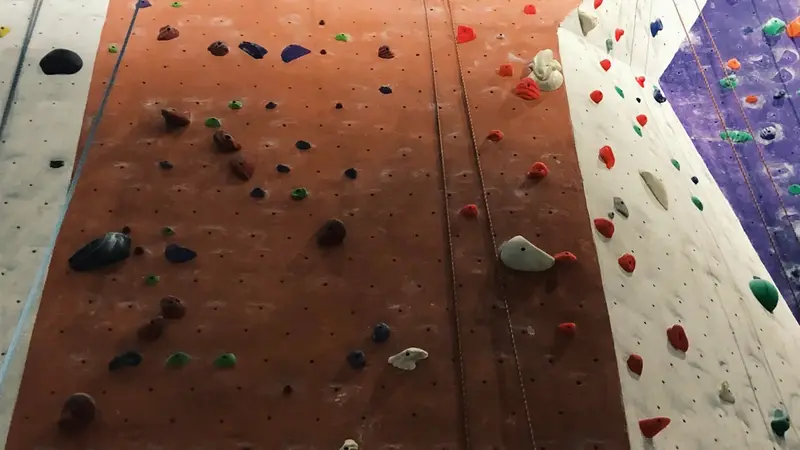
Climbing wall finance usually combines asset finance for holds, matting, auto-belays and training boards with a term loan or fit-out finance for the wall…
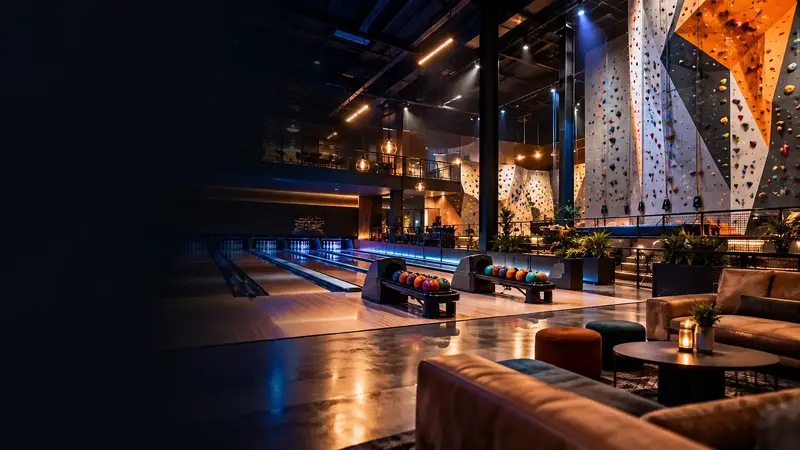
Bowling alley finance usually puts lanes, pinsetters, scoring systems and bar equipment on asset finance, funds building works with a term loan or fit-out…
Choose the need, and we’ll show you how lenders usually structure it.
Hire purchase or leasing spreads the cost of trampoline courts, play frames, climbing walls, bowling lanes or karts. Lenders are more comfortable with attractions from established manufacturers that can be dismantled and resold, such as karts or bowling equipment, than with fixed structures built into a specific unit. See business equipment financing. Climbing and bowling operators can read more in climbing wall finance and bowling alley finance.
Building works do not hold value as security, so fit-outs are usually funded with an unsecured or partly secured loan, often alongside a landlord contribution. Our page on fit-out and refurbishment finance explains how lenders treat these costs.
Because most income is taken by card and online booking, a merchant cash advance can work for an established site: repayments are a share of card takings, so they fall in quiet weeks. In busy holidays the advance repays quickly, which can make the total cost higher than it first appears.
For a proven operator opening another site, lenders look at the first site's performance as the template. Growth finance and, for branded concepts, franchise loans can fund the expansion.
Illustration: an operator taking a second unit budgets £400,000, of which £220,000 is trampoline courts and a ninja course from an established manufacturer, £150,000 is building works and £30,000 is café equipment. A sensible package might put the attractions and café kit on asset finance, fund the works with a term loan sized to the first site's surplus, and use a landlord rent-free period to cover the opening months. The figures are hypothetical; the point is that each part is funded by the product that fits it.
Outdoor leisure on holiday sites is covered in caravan park finance.
Most indoor attractions occupy large leased units on retail or industrial parks: high ceilings, clear spans and plenty of parking, but expensive to heat and light. Revenue is front-loaded into weekends and school holidays, with weekday term time filled, if at all, by toddler sessions, school and club bookings and SEN sessions. Birthday parties are often the most profitable product, booked and paid in advance online. Secondary spend in the café, on grip socks or arcade machines can make the difference between a marginal and a healthy site.
The cost base is dominated by staff, rent, energy and insurance. Attractions also wear out: trampoline beds, pads, nets and foam blocks need regular replacement, climbing holds and auto-belays need servicing and inspection, and karts need constant maintenance. Operators who do not budget for that cycle end up borrowing for it in a hurry.
Installed attractions lose most of their value once bolted into a unit, so a lender that finances them will rely on your trading and your personal guarantee rather than the kit. A lease shorter than the finance term is a warning sign for both of you. Safety is a commercial risk as well as a legal one: the HSE's guidance on fairgrounds and amusement devices and on play inflatables applies to many attractions, and a serious incident can close a site and affect insurance.
Weigh whether a new attraction will lift repeat visits enough to repay its cost, and whether a landlord incentive, a supplier payment plan or reinvesting peak-season cash would do the job without borrowing. Our guide to seasonal business finance covers planning for quiet months.
visitor numbers, party bookings and revenue per visitor, ideally over two or more years per site.
accident logs, reportable incidents and how they were handled. Trampoline parks drew close scrutiny after injury reports, and lenders ask.
independent annual inspections, daily checks, and compliance with the relevant equipment standard.
public liability limits, claims history and whether cover is easy to renew.
years remaining, break clauses and rent reviews compared with the finance term.
how revenue moved after the first year, and the plan to refresh attractions.
It is free to enquire; any broker fee is disclosed separately before you proceed. Outdoor operators can see outdoor activity business finance, and our guide to sports business funding covers clubs and facilities.
It is difficult without a trading record, because lenders cannot test visitor numbers. Experienced leisure operators, franchisees of established brands and founders putting in a substantial contribution have better prospects. Equipment suppliers sometimes arrange finance for their own attractions.
Some will, if the equipment comes from a recognised manufacturer, has inspection records and is being installed by a competent contractor. Our page on used equipment finance explains the approach.
Often, once the site has traded for a year or more and the figures support it. See refinancing business loans.
Usually, yes. Because most trampoline parks occupy leased units and much of the fit-out has little resale value, lenders typically ask directors for a personal guarantee on unsecured loans and often on equipment finance too. Strong trading history and good bank conduct can improve terms. Check how much you are guaranteeing. Our page on personal guarantee insurance explains one way directors manage the risk.
Lenders offering trampoline park finance look mainly at trading history, weekend and holiday takings, party bookings, lease length and the owners' credit records. They also check safety inspection and insurance arrangements, because attractions wear out and need regular replacement. A clear maintenance budget and evidence of steady secondary spend strengthen an application. Our article on how lenders assess business loan applications covers the wider process.
Yes. Buying an established indoor leisure site is usually funded with acquisition finance: a loan sized on the business's recent profits, your own contribution and sometimes part of the price paid to the seller after completion. Lenders look most closely at visitor numbers and spend per head, the lease, the condition and safety inspection records of the attractions, and any equipment finance already in place. You can see which lenders on our panel fund purchases like yours with Instant Quotes.
Growth capital for inventory, new experiences, fit-out and expansion of the visitor-facing operation.
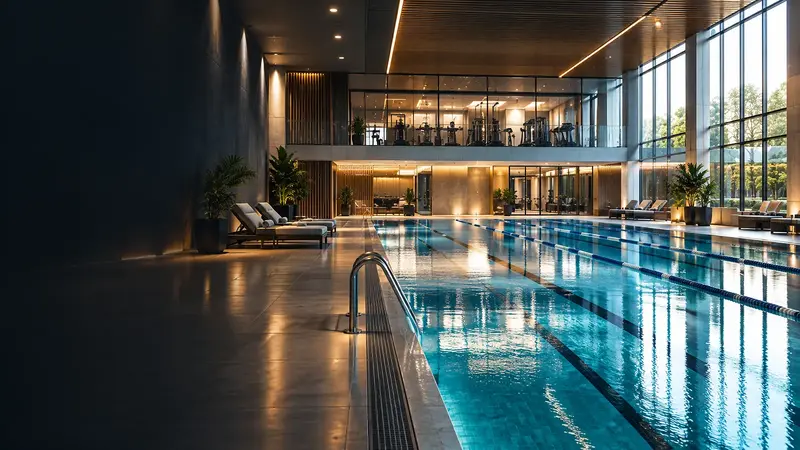
Leisure centre finance usually combines asset finance for pool plant, gym equipment and energy saving kit, a term loan or…
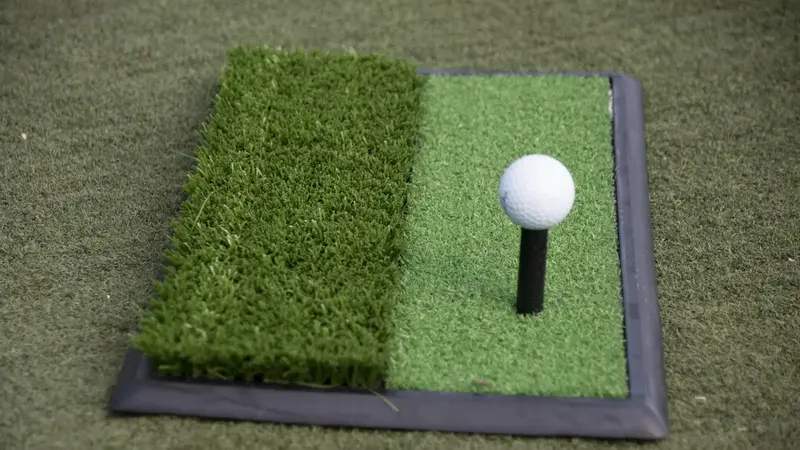
To open an indoor golf centre, test local demand, find a unit with enough ceiling height and space for your bays, check…
Outdoor activity businesses usually fund boats, bikes, vehicles and climbing kit through asset finance, and use an unsecured…
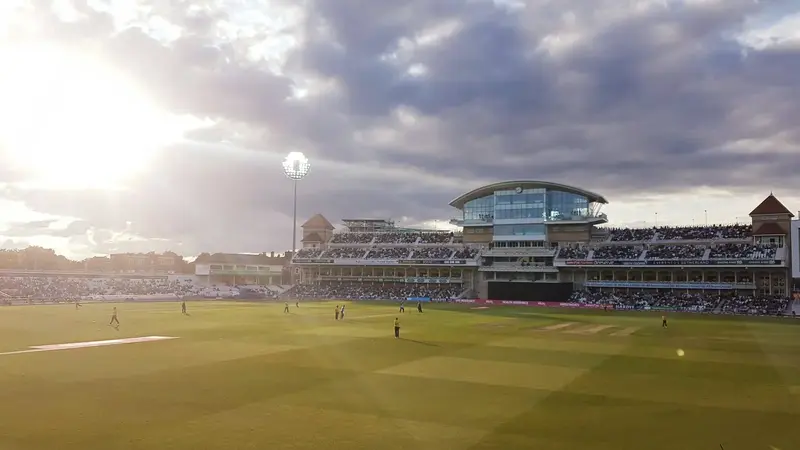
How a sports business is funded depends mostly on whether it is a commercial business or a community club. Commercial venues,…

Beauty salon business loans fund refits, treatment equipment, stock and new sites for hair and beauty salons, barbers, nail…
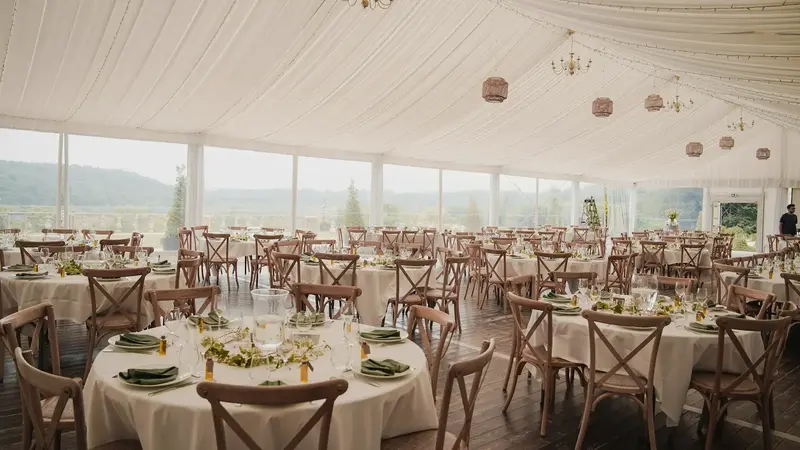
Event management businesses usually borrow to cover costs that fall due before the event pays: venue and supplier deposits,…
What our clients say
“Simon was fast, kept us updated at all stages and was a real pleasure to work with on our asset finance. I highly recommend this company: excellent service all round.”
“Spoke with Simon, who managed to get me the loan I needed promptly. The whole process was very smooth and was completed within a few days.”
“Getting a business loan can feel like a bit of a minefield, but everything was broken down for me in great detail. Will use again in the future!”
“Simon was a pleasure to deal with and helped us find a business loan that matched our growth goals and future expansion plans.”
“I couldn’t source funding for my business, but the team got in touch within an hour and had it sorted within 24 hours. Fantastic service, and I would definitely use them again.”