
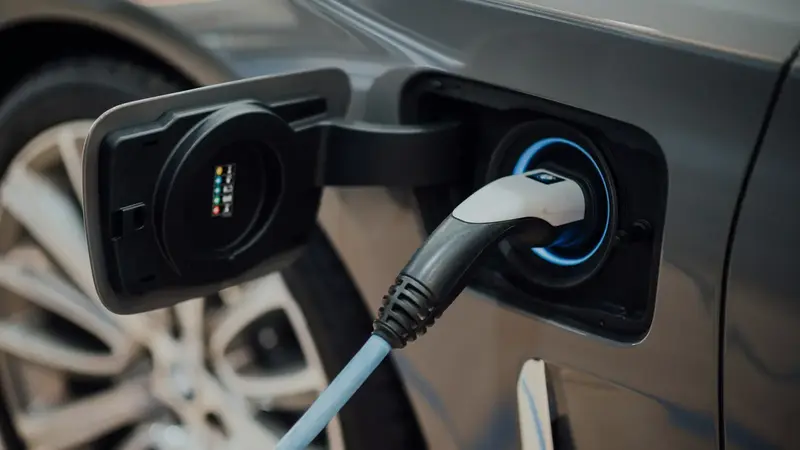
Electric van finance: what to check before you lease or buy
Before financing an electric van, test its real-world range against your longest winter day with a full load, compare payload with the diesel…

Finance a new or used van, or a small fleet, on hire purchase, lease purchase or contract hire. What self-employed buyers need, VAT and tax points, and costs.
“I highly recommend this company: excellent service all round.”
In short
What you need to know.
Hire purchase suits a van you will run for years and fit out with racking or livery; lease purchase lowers the monthly cost with a final balloon; contract hire suits replacing vans every few years with fixed costs. Self-employed buyers usually need bank statements and tax returns, and a larger deposit helps newer businesses.
A transaction we arranged
£320,000
New contracts won. More vehicles needed before the revenue arrived.
A logistics operator needed several commercial vehicles for new contracts. Vehicle finance kept cash free for drivers and mobilisation.
Read the transactionAbout van finance
Specialist knowledge. Better outcomes.
For most of these businesses the van is the business: without it, jobs and deliveries stop. Smart Funding Solutions is a broker, not a lender; we search our panel of 300+ lenders, including vehicle finance specialists, for van finance that suits you, whether it is a single used panel van or a fleet of new ones.
If you are still weighing up the agreement types for cars, vans and trucks together, our guide to business vehicle finance compares them side by side.
Replacing older vans to meet London or city clean air rules? See ULEZ compliant vehicle finance. For 3.5 tonne tippers and larger, see tipper truck finance.
More detail on specific needs within this topic.
Before financing an electric van, test its real-world range against your longest winter day with a full load, compare payload with the diesel…
You pay a deposit, then fixed monthly instalments, and own the van after the final payment. Because it becomes yours, you can fit racking, add a tow bar or sign-write it freely. It suits trades that keep a van for many years.
Similar to hire purchase, but part of the cost is deferred to a larger final balloon payment, which lowers monthly payments. You own the van once the balloon is paid, so plan how you will cover it, such as from savings, by selling the van or by refinancing.
The lender owns the van and leases it to you for most of its working life. At the end you can usually sell it on the lender's behalf and receive most of the proceeds, or keep renting at a reduced rate.
You rent the van for a fixed term and mileage, then hand it back, often with maintenance included. Costs are predictable and upgrades easy, but excess mileage, damage and removal of fitted racking or livery can bring charges on return.
A secured or unsecured loan lets you buy the van outright and own it immediately. Unsecured loans usually need a personal guarantee.
Yes. A battery electric van is financed on the same agreements as a diesel model, whether that is hire purchase, a finance lease or contract hire, and used examples qualify too. Lenders look closely at battery health and warranty on used models, and at whether the range suits your daily mileage, because both affect what the van is worth at the end of the agreement. Our brokers compare lenders on our panel that fund electric vans for trades, couriers and fleets.
Yes, in Great Britain. Since 10 June 2025 a category B car licence covers zero emission vehicles up to 4,250kg maximum authorised mass, against 3,500kg for petrol and diesel, with no extra training needed. The batteries are heavy, so the higher limit protects payload rather than adding to it. GOV.UK explains the rules on driving an electric or hydrogen powered vehicle, and a van plated above 3,500kg can bring other goods vehicle rules into play, so check them for the model you choose. See fleet finance if you are replacing several vans, then try Instant Quotes to see which lenders may quote without a credit search.
Yes, as long as the outstanding balance is settled as part of the deal. On hire purchase the lender owns the van until the last payment, so the dealer asks your finance company for a settlement figure, pays it off from the part exchange value and puts any surplus towards the next van. If you owe more than the van is worth, the shortfall has to be paid or, with some lenders, added to the new agreement. We line up finance for the replacement van with lenders on our panel so the switch happens in one step.
Yes, although what you pay depends on the agreement. Where the agreement is regulated consumer credit, as it can be for a sole trader or a small partnership borrowing £25,000 or less, section 94 of the Consumer Credit Act 1974 gives you the right to repay early, normally with a rebate of future interest. A limited company agreement is not regulated, so the early settlement terms in the contract apply and are worth reading before you sign. Leases and contract hire work differently, because you are hiring the van and an early end usually means paying a share of the remaining rentals. If you own your vans outright and want cash rather than a swap, asset refinancing can release it. Start with Instant Quotes to see which lenders may finance the replacement, with no credit search.
Budget for the whole cost of running the van, including insurance, fuel or charging, servicing and tyres, not just the monthly payment.
Rules change and depend on your circumstances, so speak to your accountant and see GOV.UK guidance on capital allowances.
A van loan is a business loan used to buy the van, so it is yours from the day you collect it, with no lender's name on the logbook and no limits on mileage, racking or sign-writing. Lenders price it on your business rather than the van, and unsecured loans usually need a personal guarantee.
A loan can also cover things hire purchase may not, such as racking fitted by a separate company. If you mainly want the lowest cost on the van itself, hire purchase is often cheaper because the van secures it. See unsecured business loans, small business loans and, for the self-employed, sole trader loans.
A limited company can finance a van in its own name on hire purchase, a finance lease or contract hire. The agreement and the van sit with the company, and directors are often asked for a personal guarantee, especially in the first years of trading.
If you bought vans outright, asset refinance can release cash from them while they stay on the road; most lenders on our panel that refinance take vehicles and plant. See asset refinance.
Other pages for vans, trucks and fleets.
bank statements, accounts or tax returns.
personal credit for sole traders; business and director credit for companies. Lenders use their own scoring, so there is no single minimum score.
age, mileage, value and whether it comes from a dealer.
a larger deposit can widen options, especially for newer businesses or adverse credit.
whether income covers repayments alongside other commitments.
Finance of £25,000 or less to a sole trader or small partnership can be regulated consumer credit, which brings additional protections. Lending to limited companies and larger agreements are generally unregulated.
How the main business finance structures work. Lenders set their own terms, so treat this as a guide to the questions to ask.
| Option | How you repay | Security | Often used for |
|---|---|---|---|
| Unsecured business loan | Fixed instalments, usually monthly | No charge over assets; a personal guarantee is usually required | Growth, stock, tax bills and cash flow |
| Secured business loan | Fixed instalments, often over a longer term | A charge over property or other assets | Larger sums, property and refinancing |
| Revolving credit facility | Interest on what you draw; repay and redraw | Varies by lender and case | Recurring or uneven cash flow gaps |
| Merchant cash advance | A share of future card takings | No charge over assets | Card-taking businesses with uneven months |
| Asset finance | Regular payments over the life of the asset | The asset being financed | Equipment, vehicles and machinery |
| Invoice finance | Settled as customers pay their invoices | Your unpaid invoices | Businesses waiting on customer payment |
General information only. Every lender has its own criteria, and all finance is subject to status.
You will also need commercial vehicle insurance that reflects how the van is used, and many trades need goods in transit and public liability cover.
Most van finance is on used vans. The limit that matters is the van's age at the end of the agreement, which differs between lenders.
| Lender on our panel | Oldest van accepted at the end of the agreement |
|---|---|
| Aldermore | 6 years |
| Cambridge & Counties Bank | 8 years, on terms up to 5 years |
| Allica Bank | 20 years |
So a four-year-old van on a four-year agreement is eight at the end: too old for some lenders, fine for others (checked October 2026). Mileage, condition and whether the seller is a dealer also count. Replacing an older diesel for a GOV.UK: driving in a Clean Air Zone? See ULEZ compliant vehicle finance.
A £30,000 van (before VAT) with a £3,000 deposit, financed over four years at an assumed 10% a year, with and without a £6,000 final balloon.
| Hire purchase | Lease purchase with a £6,000 balloon | |
|---|---|---|
| Amount financed | £27,000 | £27,000 |
| Monthly payment | £684.79 | £582.61 |
| Final balloon | None | £6,000 |
| Total interest | £5,869.91 | £6,965.48 |
| Total paid, including deposit and balloon | £35,869.91 | £36,965.48 |
The rate is an assumption for the illustration, not a quote; fees and VAT are left out, and the rate you are offered depends on the lender and your circumstances.
The balloon saves about £102 a month but costs about £1,096 more overall. Try other figures in the asset finance calculator.
Lenders we compare for vans and other commercial vehicles, with the amounts, terms and indicative rates on the products that fund them.
| Lender | Best for | Amounts | Terms | Indicative rate | Refinance or sale and leaseback |
|---|---|---|---|---|---|
| Allica Bank | Established businesses, with vehicles accepted up to 20 years old at the end of the term | £20k to £2.5m | Up to 7 years | 7% to 9.2% a year | Yes |
| Cambridge & Counties Bank | Vans on terms up to 5 years, up to 8 years old at the end | £25k to £1.5m | Up to 10 years | 6.5% to 10% a year | No |
| Aldermore | Businesses trading three years or more; vans up to 6 years old at the end | £25k to £1m | Up to 7 years | 8.85% to 10.85% a year | Yes |
| Close Brothers | New and used vans for companies, sole traders and partnerships | £10k to £20m | Up to 7 years | 8.5% to 16.5% a year | Yes |
| Haydock Finance | Vans and commercial vehicles for businesses of any trading age | £10k to £1m | Up to 5 years | 8.25% to 12% a year | No |
| Eastern Credit | Vans and other wheeled assets over 18 to 60 months | £10k to £150k | Up to 5 years | 12% to 20% a year | No |
| Liberty Finance | Specialist and prestige vehicles, including refinance | £10k to £1m | Up to 5 years | 10% to 16% a year | Yes |
| Kingsley Asset Finance | Hard assets with a 10% deposit, including refinance | £10k to £400k | Up to 5 years | 10.95% to 18.95% a year | Yes |
| Time Finance | Limited companies financing vans and other vehicles | £10k to £1m | Up to 5 years | 9.5% to 14% a year | Yes |
Indicative ranges from lenders on our panel, checked October 2026; your rate depends on your circumstances. Rates are yearly unless the lender prices by the month. Smart Funding Solutions is a broker, not a lender, and is not part of any lender listed. Fees depend on the lender, nothing upfront. See all lender reviews.
Tell us about the van, the supplier and your business. We approach lenders suited to your trading history and the vehicle, and go through the offers with you before you commit. Once you accept, the lender issues the agreement for signature, pays the dealer directly and the van can be registered and collected. Decisions can come within a few working days once a lender has everything it needs. It is free to enquire, and any broker fee is disclosed separately before you proceed. Van finance is part of our wider asset finance service, and you can explore funding options online when you have found the van.
Instant van finance quotes
Tell us how much you need. Instant Quotes shows which lenders on our panel fit your business, then a broker helps you choose between hire purchase, leasing and a loan.
Prefer to talk it through? Call 01244 267694
Illustrative figures from the numbers you enter, before you speak to a lender.
Yes. Fleet finance lets businesses fund several vans under one agreement or facility, which simplifies administration. Lenders look at your trading history, accounts and existing commitments to decide how much they are comfortable funding. Contract hire is popular for fleets because it fixes costs and simplifies replacement cycles.
Often yes, because the van itself is the lender's security, which makes van finance one of the more accessible options for businesses with adverse credit. Lenders use their own scoring, so there is no single minimum score, but recent defaults or unsatisfied judgments narrow the choice. A larger deposit or a guarantor can widen your options. Our guide to bad credit asset finance explains what lenders look for.
Yes, some lenders will fund a van for a new business, usually with a larger deposit and sometimes a guarantor, because there is little trading history to assess. They look at personal credit, bank statements and any experience in the trade, and starting with a used van keeps borrowing modest. Finance of £25,000 or less to a sole trader or a partnership of two or three partners can be regulated consumer credit. Government-backed Start Up Loans are another route; see start-up business loans.
It can be harder, because many lenders prefer vans supplied by a dealer, where the invoice, history and title are easier to check. Some lenders will fund a private sale, usually with checks on outstanding finance, the registration document and the van's condition. Expect fewer lender options and possibly a larger deposit. If you already own a van outright and need cash rather than another vehicle, asset refinancing can release money against it.
A lender can make a decision within a few working days in straightforward cases, once it has everything it needs. Having proof of identity and address, recent bank statements, accounts or tax returns and the dealer's quote ready speeds things up. Conversions, racking or bodywork from a separate converter can add time, because the lender needs the full invoice. Some lenders may use a soft search at the early stage, with a full credit search usually carried out on application.
No mainstream lender will approve van finance without a credit check. You can see which lenders on our panel are likely to fit, with no credit search, using Instant Quotes, and a full check only happens when you choose to apply.
The van is a business asset rather than an expense: with hire purchase you can usually claim capital allowances on it, and the interest is a business cost (GOV.UK: Annual Investment Allowance). With a lease, the rentals are usually the expense. Ask your accountant which suits your tax position.
Van finance usually means hire purchase, lease purchase or a lease, where the van secures the agreement. A van loan is a business loan used to buy the van outright, so you own it immediately; lenders price it on the business, and unsecured loans usually need a personal guarantee.
Yes. The company can take the agreement in its own name on hire purchase, a finance lease or contract hire. Directors are often asked for a personal guarantee, particularly in the early years of trading.
It depends on the lender. Lenders on our panel accept vans up to 6, 8 or 20 years old at the end of the agreement (checked October 2026), so a shorter term can bring an older van within the limit.
Yes. Asset refinance can release cash from vans you own outright while you keep using them. See asset refinance.
Yes. Hire purchase, finance leases and contract hire all cover electric vans, including used ones. Lenders check battery health and warranty, and whether the range suits the work. Eligible vans carry a plug-in grant discount of up to £2,500 for some small vans and £5,000 for some large vans, applied by the seller, and zero emission company vans have a nil van benefit charge. Smart Funding Solutions, a whole-of-market commercial finance broker, compares lenders on its panel that take electric vans.
Yes, in Great Britain. Since 10 June 2025, a category B licence covers zero emission vehicles up to 4,250kg maximum authorised mass, with no extra training needed. Petrol and diesel vans stay limited to 3,500kg. A van plated above 3,500kg can bring other goods vehicle rules into play, so check them for the model you choose.
Yes. The dealer gets a settlement figure from your finance company and pays it from the part exchange value, with any surplus going towards the next van. If you owe more than the van is worth, the shortfall is paid by you or, with some lenders, added to the new agreement. Smart Funding Solutions, a whole-of-market commercial finance broker, can line up finance for the replacement van.
Yes. A regulated agreement, which can apply to a sole trader or small partnership borrowing £25,000 or less, carries a legal right to repay early, normally with a rebate of future interest. A limited company agreement follows the early settlement terms in its contract. Ending a lease or contract hire early usually means paying a share of the remaining rentals.
The main decision in asset finance is whether you want to own the equipment. Hire purchase ends in ownership, a finance or…
The right way to fund a 3D printer depends mostly on how long it will stay commercially useful. Hire purchase suits a system…

Lease a security system if you want a low upfront cost, maintenance bundled into one payment and an easy upgrade when the…
Cherry picker finance spreads the cost of a mobile elevating work platform, such as a van-mounted boom, self-propelled boom,…

Limited company car finance means the company, not the director personally, buys or leases the car, usually through hire…
Tipper truck finance spreads the cost of a tipper over monthly payments, usually through hire purchase so you own the vehicle…
What our clients say
“Simon was fast, kept us updated at all stages and was a real pleasure to work with on our asset finance. I highly recommend this company: excellent service all round.”
“Spoke with Simon, who managed to get me the loan I needed promptly. The whole process was very smooth and was completed within a few days.”
“Getting a business loan can feel like a bit of a minefield, but everything was broken down for me in great detail. Will use again in the future!”
“Simon was a pleasure to deal with and helped us find a business loan that matched our growth goals and future expansion plans.”
“I couldn’t source funding for my business, but the team got in touch within an hour and had it sorted within 24 hours. Fantastic service, and I would definitely use them again.”

Chat with Smart Funding
We usually reply in seconds
Please don't share bank details or passwords here. Calls on 01244 267694.