
Packaging machinery finance for converters, co-packers and packaging manufacturers
Packaging machinery finance usually means hire purchase or leasing for converting equipment such as die-cutters, folder-gluers…
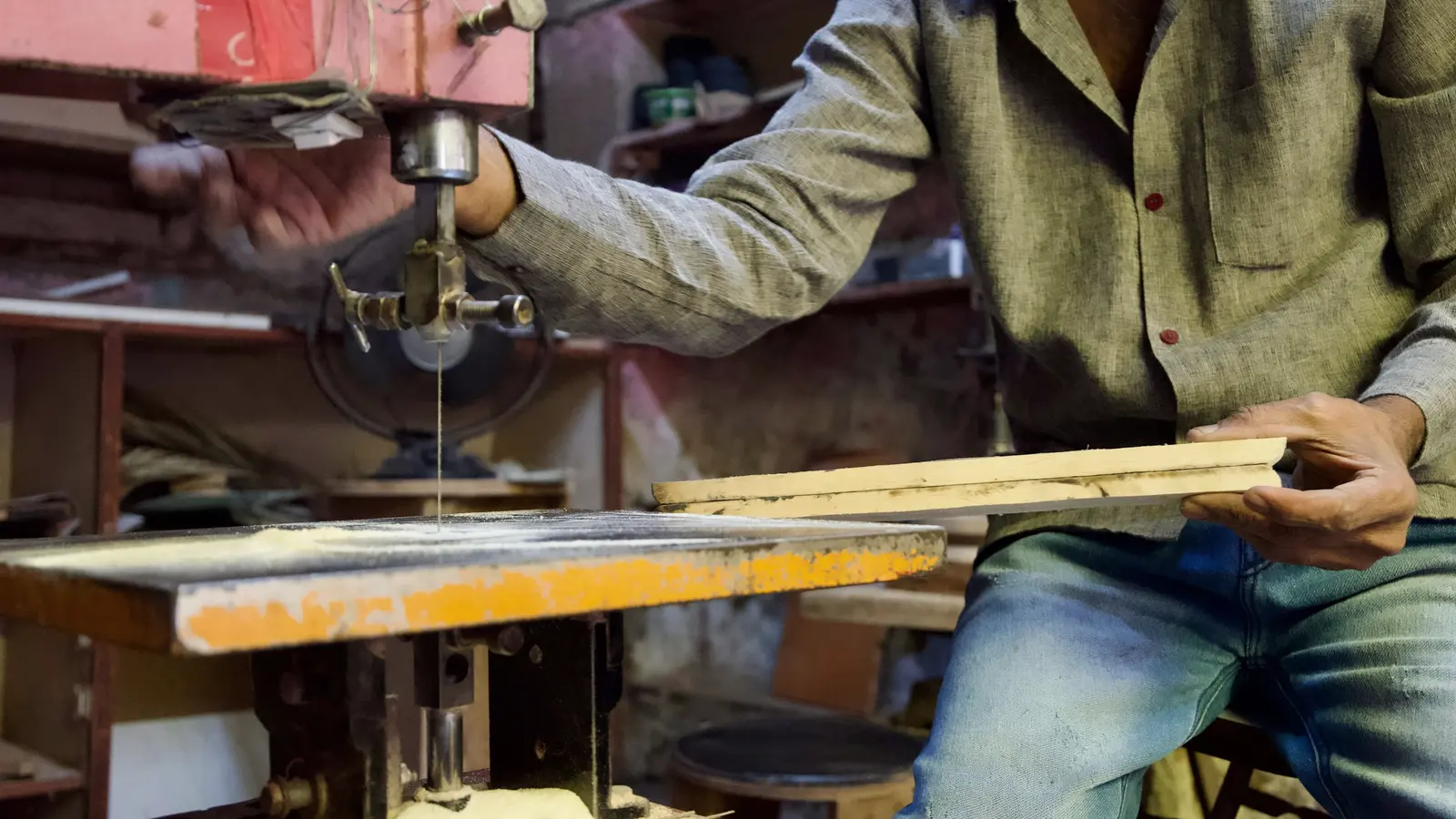
How joinery workshops, kitchen makers and furniture manufacturers fund CNC routers, edgebanders, extraction and timber stock, and what lenders check.
Explore funding options Prefer a quick call back? Leave your number
“He knows his stuff and is easy to deal with.”
In short
Supporting woodworking businesses at every stage.
Dust extraction, spray booths and installation have little resale value, so lenders fund them as part of a package. Workshops also need cash for timber and sheet materials, and lenders look at how the business is paid: customer deposits, builder stage payments or retailer terms.
The operating cycle
Cash leaves the business at every stage before it comes back. Each stage below is a point where the right facility can carry the gap.
“He is fair and always gives advice that is in the best interest of his clients.”
Orders, contracts or customers secured.
Stock, materials and equipment paid for up front.
Asset finance →Wages and suppliers paid on time.
Working capital →The work is done or the goods are sold.
Customers pay, sometimes weeks later.
Invoice finance →VAT and Corporation Tax fall due.
HMRC loans →Growth, a new site or new equipment.
Business loans →About woodworking machinery finance
Specialist knowledge. Better outcomes.
This page is for UK joinery workshops, kitchen, bedroom and staircase makers, window and door manufacturers, shopfitters and furniture makers, from a five-person bench joinery shop to a factory supplying housebuilders or contract furniture for hotels and offices. Smart Funding Solutions is a broker, not a lender: we look across our panel of 300+ lenders for funders comfortable with woodworking plant and the way joinery gets paid, arranging facilities from £10,000 to £20 million. For the wider picture of factory funding, see our manufacturing finance hub.
Choose the need, and we’ll show you how lenders usually structure it.
Deposits from homeowners fund materials, which is helpful, but lenders treat them as money owed back until the job is delivered. A business relying on new deposits to finish old jobs is a warning sign, and lenders will look at the gap between deposits held and work completed.
Supply-and-fit joiners are commonly paid by application for payment, with retentions and, in some cases, deductions under the Construction Industry Scheme. Standard invoice finance often excludes applications and retentions, so a facility designed for contract funding is usually a better fit.
Furniture made for retailers, hotels or office fit-out companies is invoiced on delivery, typically on trade terms, which suits invoice finance as long as returns and snagging claims are low.
Timber stock supports little borrowing on its own: lenders value it at what it would fetch quickly, and cut components or half-built cabinets are worth far less. Workshops usually carry materials with a revolving credit facility or a working capital loan, cleared as jobs are paid. Importers of timber have their own obligations: anyone placing timber on the UK market must carry out due diligence on its legality under the UK Timber Regulations, and lenders to importers may ask how that is evidenced.
A CNC machine pays for itself only if it is kept busy; buying capacity ahead of a framework that does not materialise leaves the repayments with no extra work behind them. Weigh the cost of a new machine against a good used one, or against outsourcing cutting to a CNC bureau until volumes justify it. Watch for security conflicts between an invoice finance debenture and existing agreements, and understand any personal guarantee you are asked to sign. Companies buying new plant may be able to claim full expensing; see our guide to asset finance and capital allowances and check the effect with your accountant.
The mix of consumer deposits, contractor applications and trade invoices, and how quickly cash comes in after completion.
Signed orders and frameworks, and how far ahead the workshop is booked.
Whether the new machine replaces outsourced cutting or extra labour, with figures to show the saving.
How quotes handle timber and board price rises between quotation and manufacture.
Extraction, machine guarding and any enforcement history; woodworking machinery accidents attract regulatory attention.
Fire door, window and structural products may need third-party certification to stay on contractors' approved lists.
Machines from established European makers hold their value and sell readily on the used market, so lenders are generally comfortable with them on machinery finance terms. Hire purchase suits a router or panel saw you expect to run for a decade; leasing can suit equipment you plan to upgrade. Ex-showroom and second-hand machines with documented histories can be funded through used equipment finance, and our comparison of hire purchase and leasing explains the tax and ownership differences.
| Equipment | How lenders tend to view it |
|---|---|
| CNC nesting routers and machining centres | Strong resale where the brand and control system are well known |
| Beam saws, panel saws, edgebanders | Widely traded; age and hours matter more than make |
| Moulders and four-siders | Good for joinery firms; tooling sets are a soft cost |
| Dust extraction and ducting | Low recovery value once removed; usually funded within a wider deal |
| Spray booths and drying rooms | Partly fixed to the building, so lenders treat them cautiously |
| Kilns and timber handling | Specialist; a narrower group of lenders will fund them alone |
Extraction is not optional. Wood dust is a recognised health hazard, and HSE's guidance on wood dust sets out what employers must control, including regular thorough examination of local exhaust ventilation. Lenders and their valuers will expect a new machine to come with suitable extraction, and an older system that cannot cope can become a cost the forecast must include. If you already own your machines outright, asset refinancing can release cash against them.
It is free to enquire; any broker fee is disclosed separately before you proceed.
Some lenders will fund private-sale and auction machines, but they usually want an independent inspection, proof of ownership and confirmation that no finance is outstanding. Dealer-supplied used machines are generally simpler.
It depends on cash reserves, how long you will keep the machine and the tax position. Paying cash keeps finance costs down but reduces working capital for timber and wages, which joinery businesses often need more. Model both against your cash flow before deciding.
Yes, many asset lenders fund sole traders and partnerships, usually looking at personal credit history and trading records. Borrowing of £25,000 or less by sole traders and small partnerships can be regulated consumer credit, which brings additional protections. Our sole trader loans page explains how lenders assess unincorporated joiners.
Yes, woodworking machinery finance can usually include dust extraction, spray booths, installation and commissioning, but lenders fund them as part of a package with the machines. These items have little resale value on their own, so the more of the quote they make up, the more weight a lender puts on your accounts and trading history. Ask your supplier for an itemised quote. Our page on plant and machinery finance explains how packages are assessed.
A new joinery workshop can often get woodworking machinery finance, because machines from established makers hold their value and secure the agreement. Lenders may ask for a larger deposit, a personal guarantee and evidence of orders or experience in the trade. Starting with well-known machines rather than specialist one-off kit helps. Our page on start-up business loans covers other options for younger businesses.
Yes. Buying an established joinery or furniture manufacturer is usually funded with acquisition finance: a loan sized on the business's recent profits, your own contribution and sometimes part of the price paid to the seller after completion. Lenders look most closely at the order book, customer spread, the workshop machinery and its condition, and whether the skilled joiners stay. You can see which lenders on our panel fund purchases like yours with Instant Quotes.
Packaging machinery finance usually means hire purchase or leasing for converting equipment such as die-cutters, folder-gluers…

Golf club finance usually combines asset finance for buggies, greenkeeping machinery and range technology, a term loan or…
Golf course machinery finance spreads the cost of greenkeeping equipment, such as greens, fairway and rough mowers, tractors,…

Cricket club finance usually means hire purchase or leasing for mowers, rollers, covers and scoreboards, and a term loan,…

Distillery finance usually splits into three parts: asset finance for stills, mash tuns and bottling lines; working capital for…
Electrical equipment manufacturers typically fund surface-mount lines, test rigs and wiring equipment through asset finance,…
What our clients say
“Simon was fast, kept us updated at all stages and was a real pleasure to work with on our asset finance. I highly recommend this company: excellent service all round.”
“Spoke with Simon, who managed to get me the loan I needed promptly. The whole process was very smooth and was completed within a few days.”
“Getting a business loan can feel like a bit of a minefield, but everything was broken down for me in great detail. Will use again in the future!”
“Simon was a pleasure to deal with and helped us find a business loan that matched our growth goals and future expansion plans.”
“I couldn’t source funding for my business, but the team got in touch within an hour and had it sorted within 24 hours. Fantastic service, and I would definitely use them again.”