
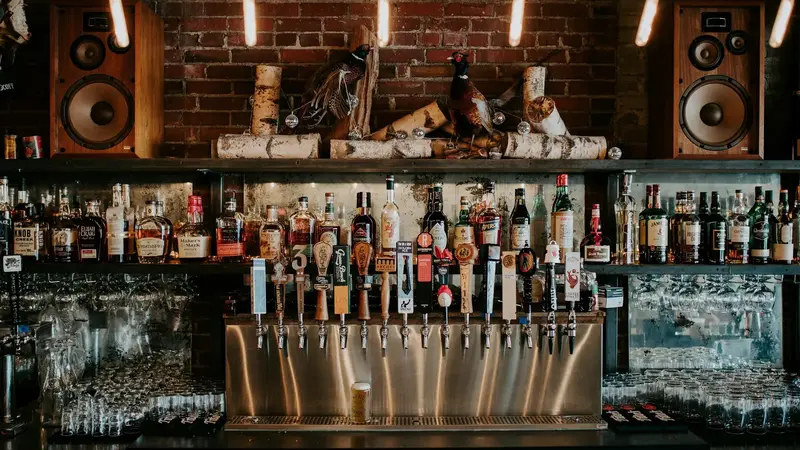
How to buy a pub: ownership options, finance and opening steps
To buy a pub, first decide whether you want the freehold, a free-of-tie lease or a tied tenancy, as this sets how much you need to raise. Check the…
Finance for pubs and bars: refits, cellar and dispense kit, seasonal stock, VAT bills and buying a freehold or lease, and how lenders view wet and dry sales.
Explore funding options Prefer a quick call back? Leave your number
“The whole process was streamlined and extremely easy.”
In short
Supporting pubs and bars at every stage.
A freehold purchase usually needs a pub or commercial mortgage and a deposit; a free-of-tie lease is often bought with a business loan; tenants mainly fund ingoing costs and kit. For refits, stock and VAT bills, lenders look at card takings, the split between wet and dry sales, and any pub company tie.
The operating cycle
Cash leaves the business at every stage before it comes back. Each stage below is a point where the right facility can carry the gap.
“He is fair and always gives advice that is in the best interest of his clients.”
Orders, contracts or customers secured.
Stock, materials and equipment paid for up front.
Asset finance →Wages and suppliers paid on time.
Working capital →The work is done or the goods are sold.
Customers pay, sometimes weeks later.
Invoice finance →VAT and Corporation Tax fall due.
HMRC loans →Growth, a new site or new equipment.
Business loans →A transaction we arranged
£35,000
£35K secured on the business premises, not the family home.
A pub and B&B wanted secured funding but needed clarity on where the security would sit. The charge went on the trading property.
Read the transactionAbout pub and bar loans
Specialist knowledge. Better outcomes.
Bar and pub loans are business finance for pubs, bars and licensed venues: funding for refurbishments, cellar and kitchen equipment, stock, marketing, staffing, VAT bills and buying a pub. Options range from unsecured loans and merchant cash advances to asset finance, revolving credit and pub mortgages. Smart Funding Solutions is a broker, not a lender: we approach lenders, including hospitality specialists, whose appetite suits your venue and how you hold it.
Pubs and bars have their own financial rhythm. Wet sales and food sales carry very different margins, stock is bought with duty already in the price, and takings swing with the weather, the football calendar and the run-up to Christmas. Tied tenants also have obligations to their pub company that lenders will want to understand. For finance across the wider sector, see our hospitality business loans hub.
More detail on specific needs within this topic.
To buy a pub, first decide whether you want the freehold, a free-of-tie lease or a tied tenancy, as this sets how much you need to raise. Check the…
A pub mortgage is a long-term commercial loan used to buy or refinance the freehold of a pub, secured on the property. Lenders value the pub as a trading…
Choose the need, and we’ll show you how lenders usually structure it.
Yes, though a new micropub has no trading record, so lenders treat it as a start-up and give more weight to your deposit, your experience and a realistic forecast. Smart Funding Solutions, a whole-of-market commercial finance broker, approaches lenders that consider start-up hospitality businesses, along with asset finance providers for the cellar and bar equipment, which is often the easier part to fund.
Lenders usually want to see the licence, or at least the application and any conditions proposed, because a bar that cannot sell alcohol cannot repay. GOV.UK's guidance on alcohol licensing in England and Wales says premises selling alcohol on a permanent basis need a premises licence from the licensing authority, usually the local council, and must have a designated premises supervisor who holds a personal licence. Check with the council that the unit can be used as a bar before you sign a lease, and build the licensing timetable into when you need the money.
Illustration only, with round figures and no rates. A former shop unit on a five year lease needs £90,000 to open. The owner puts in £30,000 of savings for the rent deposit, licence costs and opening stock. Cooling, dispense and EPOS worth £25,000 go on asset finance, and £35,000 of fit-out goes on an unsecured start-up loan with a personal guarantee. Once the bar has a record of card takings, a merchant cash advance may become an option for the next refit. Our guide on how to buy, fund and open a pub covers the wider process, and Instant Quotes shows which lenders on our panel may suit, with no credit search.
Yes. Canopies, heaters and outdoor bar equipment can often go on asset finance, while decking, landscaping, lighting and furniture usually sit in a business loan, and pubs with steady card takings can use a merchant cash advance. Smart Funding Solutions, a whole-of-market commercial finance broker, compares these from hospitality lenders on a panel of over 300 and looks for repayments that match the trade the garden should bring in.
Tables and chairs on the highway outside your pub need permission. In England, the government's pavement licences guidance says pubs, bars and other food and drink businesses can apply to the local authority for a licence covering items such as seating, tables and counters for serving food or drink. Licences can last up to two years, and a licence that is granted, or treated as granted, also brings deemed planning permission for what it covers. Budget for renewing it, and check the council's conditions before buying furniture to fit the space.
Illustration only, with round figures and no rates. A town pub spends £45,000 on its garden. A £20,000 canopy and heaters go on asset finance, and £25,000 of decking, lighting and furniture on an unsecured loan. The works start in early spring so the garden trades from the first warm weekend, and the owner checks the lease first to see who is responsible for external works. Tied tenants should also ask whether the pub company will contribute.
A common approach is a short facility that clears from the December takings.
Remember that the quarter's VAT on that December trade still has to be paid, and a VAT loan can spread it. Our case study on two facilities for a gastro pub shows stock and kitchen funding arranged for one pub, and Instant Quotes shows which lenders on our panel may suit, with no credit search.
An unsecured loan gives you a lump sum repaid in fixed monthly instalments, with no charge over property. It is often the quickest form of term funding. Lenders usually ask for a personal guarantee from directors or owners, which makes you personally liable if the business cannot repay.
Most pub and bar takings are now by card, which makes a merchant cash advance a popular option. You receive an advance based on your average card sales and repay it through an agreed percentage of future card transactions. In a quieter month you repay less, and cash takings are unaffected. The flexibility comes at a cost, so compare the total repayable with a term loan.
This works like an overdraft: you have an agreed limit and can draw and repay as often as you need. Some facilities are interest-only for a period; others require capital and interest on what you have drawn. It suits seasonal stock purchases and short-term gaps.
Asset finance spreads the cost of equipment and vehicles. With hire purchase you own the asset once the final payment is made; with lease purchase there is usually a final balloon payment to take ownership. VAT can often be paid upfront or spread, depending on the agreement. If you already own equipment or have it on finance, refinancing can release cash from it.
A VAT quarter after a strong trading period can be large. A VAT loan spreads the payment to HMRC over a short run of monthly instalments, so you pay on time without draining working capital.
How you hold the pub affects the finance available:
Where a purchase needs to complete quickly, bridging loans can provide short-term funding until a longer-term mortgage is in place. Our article on how to buy, fund and open a pub walks through the process.
The Growth Guarantee Scheme is delivered by the British Business Bank through accredited lenders and gives those lenders a partial government guarantee on eligible facilities. The borrower remains fully liable for the debt. Check the British Business Bank for current availability.
How much a pub can borrow depends on how it trades and how it is held, rather than a set figure:
Facilities backed by the Growth Guarantee Scheme can generally go up to £2 million through accredited lenders, which make their own lending decisions.
If you are a tied tenant of a large pub company, the Pubs Code affects what you may need to fund. The Pubs Code regulates the relationship between pub companies owning 500 or more tied pubs in England and Wales and their tied tenants.
One of its rights is the Market Rent Only option: in set circumstances, such as a rent assessment proposal, a lease renewal or a significant increase in the price of tied products, a tenant can ask for a free of tie tenancy at a market rent. Going free of tie can change your margins and your costs, for example if you buy beer and equipment on the open market, so lenders will want to see the new rent and a forecast on free of tie prices.
A refurbishment is one of the most common reasons pubs borrow. Lenders usually split the cost:
Lenders want contractor quotes, the lease or title, and your trading figures. If you are a tenant, check what your lease or pub company agreement says about who pays for which works before you commit.
You can see which lenders on our panel fit your pub in minutes with Instant Quotes, with no credit check. We then search the market, including hospitality specialists, and arrange the finance that fits how you hold and run the pub. Any broker fee depends on the lender, with nothing to pay upfront.
How long you have been trading, and your accounts or management figures
Monthly turnover and card takings, shown in bank and merchant statements
The split between wet and dry sales, and gross margins on each
Business and personal credit history
Current liabilities, including any brewery or pub company arrangements
For purchases, the price, lease or title, trading history and your experience in licensed trade
Lenders read the same pub differently. A tied lease can worry a lender that does not understand pub company obligations, while a hospitality specialist will look at the rent, the tie and the barrelage alongside the takings. Individual lenders also set their own minimum trading periods and turnover levels.
Alongside the wet and dry split and any tie, pub lenders check the legal permissions that let the pub trade and how a valuer will read it.
We have arranged revenue-based funding for pubs repeatedly, including eight facilities totalling £256,000 for a pub company, four facilities for a pub, topped up as each was repaid and £158,000 across eight facilities for a public house. Lounges trading under smoke-free rules are covered on our shisha bar finance page.
Every pub selling alcohol needs a premises licence and a designated premises supervisor. On a purchase, the licence must transfer to the buyer and a new supervisor be named; lenders also ask about any licence reviews or conditions. See GOV.UK on premises licences.
Pubs can host a limited number of gaming machines under their alcohol licence, with a permit for more. Lenders count machine income but look at the trend; see the Gambling Commission on gaming machines.
Specialist valuers value a pub on the profit a reasonably efficient operator could make, not just bricks and mortar, so trading figures drive what can be borrowed.
Some asset lenders on our panel exclude licensed premises, and one requires five years' trading for pubs and restaurants, while revenue-based funders lend on card takings.
Pub finance covers every kind of borrowing a pub business uses, and the right product depends on how you hold the pub:
| Your position | Pub finance usually used |
|---|---|
| Buying a freehold pub | A pub mortgage, or a bridging loan to complete quickly and refinance later |
| Taking on a lease or tenancy | An unsecured or secured business loan for the ingoing costs, fixtures and stock |
| Refurbishing or adding letting rooms | Refurbishment finance or a business loan |
| Cellar, kitchen or EPOS equipment | Asset finance |
| Seasonal cash flow or a VAT bill | A working capital loan, revolving credit or a VAT loan |
| Buying a pub company or a group of pubs | Acquisition finance |
Established pub businesses may also be able to borrow under the British Business Bank's Growth Guarantee Scheme, which covers term loans, overdrafts, asset finance and invoice finance, generally up to £2 million per business group. Personal guarantees can be taken at the lender's discretion, and a main home cannot be taken as security under the scheme (British Business Bank, Growth Guarantee Scheme). Our guide to buying, funding and opening a pub walks through a purchase step by step.
It is free to enquire; any broker fee is disclosed separately before you proceed. To discuss your requirement, you can start an enquiry online.
Possibly. Some lenders focus on recent turnover and card takings more than past credit problems, particularly for merchant cash advances. Adverse credit usually means fewer options and higher costs. Being upfront about your history and showing steady trading will strengthen your application.
There is no single figure, because each lender sets its own limits based on the pub's trading record, the property's value and your experience. A freehold pub purchase is usually funded with a commercial or pub mortgage plus your own deposit, and you also need money for stamp duty, fees, stock and working capital. Our commercial mortgage calculator helps you estimate repayments at different deposit levels.
Yes, tied tenants and leaseholders can borrow, mainly for ingoing costs, equipment, refurbishment and working capital. Because a tenant does not own the building, lending is usually unsecured or secured on equipment, and lenders look at trading figures, the lease or tenancy terms and the obligations to the pub company. A personal guarantee is usual for unsecured borrowing. Our unsecured business loans page explains how these loans work.
Yes, but first-time publicans have fewer options than experienced operators, so lenders lean on your hospitality or management background, a detailed business plan and your own contribution. A tenancy or free-of-tie lease is often a more realistic first step than a freehold. Lenders also check the premises licence and who will be the designated premises supervisor. Our guide on how to buy, fund and open a pub covers the process.
Unsecured loans and merchant cash advances for pubs and bars can be arranged within a few working days in straightforward cases, once the lender has bank statements, card takings and accounts. A pub mortgage for a freehold purchase takes longer because it needs a specialist valuation and legal work. Applying well ahead of busy periods such as summer or Christmas gives time to compare lenders. Our merchant cash advance page explains card-based funding.
Possibly. Going free of tie can mean new costs, such as buying stock and equipment on the open market, and lenders will look at your free of tie rent, your forecast margins and your trading record. Unsecured loans, asset finance for equipment and working capital facilities are the usual routes. The Pubs Code Adjudicator explains when tied tenants of large pub companies can request the Market Rent Only option.
Yes. A VAT loan spreads a large VAT quarter over a short run of monthly instalments, so HMRC is paid on time and working capital is protected. Lenders look at your recent trading and the size of the bill. Our HMRC loans page explains how VAT and tax funding works.
Both are available. Unsecured pub loans and merchant cash advances need no property as security but usually need a personal guarantee. Asset finance is secured on the equipment, and pub mortgages and secured loans use property. Which suits depends on whether you own the freehold, hold a lease or are a tenant.
Yes, but lenders treat a new micropub as a start-up, so your deposit, licensed trade experience and forecast matter more. Cellar, dispense and EPOS equipment can often go on asset finance, while the fit-out may need a start-up loan with a personal guarantee. Smart Funding Solutions, a whole-of-market commercial finance broker, approaches lenders that consider start-up hospitality businesses.
Usually you need at least the application, and many lenders want the licence granted before releasing funds, because a bar that cannot sell alcohol cannot repay. In England and Wales, premises selling alcohol on a permanent basis need a premises licence from the licensing authority, usually the council, and a designated premises supervisor with a personal licence.
Yes. Canopies, heaters and outdoor bar equipment can often go on asset finance, while decking, landscaping, lighting and furniture usually go into a business loan, and a merchant cash advance can suit pubs with steady card takings. Seating on the pavement in England needs a pavement licence from the council. Smart Funding Solutions, a whole-of-market commercial finance broker, compares hospitality lenders for this kind of work.
Many pubs use a short facility that clears from December takings, such as a revolving credit facility drawn in November, stock finance that pays the brewery or wholesaler directly, or a merchant cash advance repaid from card sales. Plan for the VAT on December trade too, which a VAT loan can spread.
An existing hospitality client needed more capital. The lender sized it on current card takings and the repayments already running.
Card receipts move with trading, so the funding needed to fit that profile.
Fish and chip shops usually fund a frying range and kitchen kit with hire purchase or leasing, refits and shop purchases with a…
A shisha lounge can usually find finance if it is compliant and its takings are visible. Merchant cash advances and unsecured…
Most breweries fund growth in layers: hire purchase or leasing for tanks, canning lines and kegs, a working capital facility to…
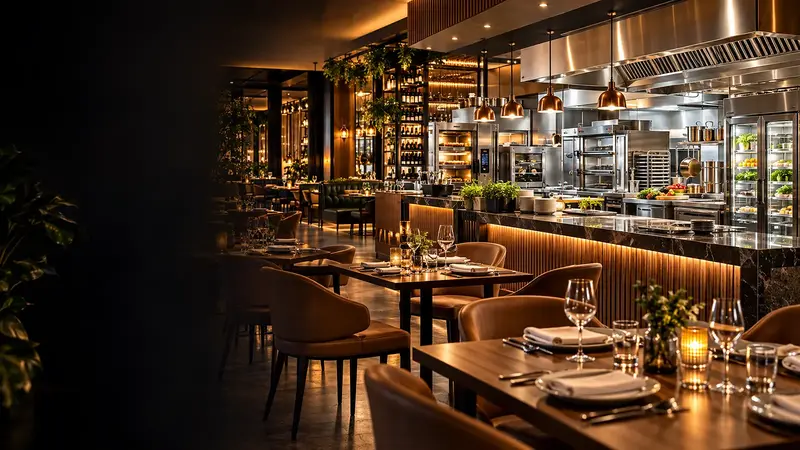
The best restaurant finance depends on what you are paying for. Kitchen equipment and fit-out items usually suit asset finance;…

Most people buy a trading B&B with a commercial or semi-commercial mortgage, because the owner lives on site and the lender…
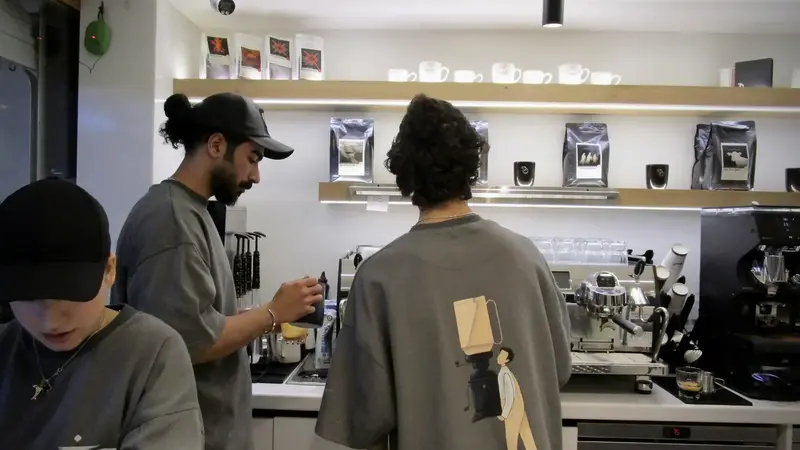
Most cafes combine two or three types of finance rather than one loan: equipment finance or leasing for the espresso machine…
What our clients say
“Simon was fast, kept us updated at all stages and was a real pleasure to work with on our asset finance. I highly recommend this company: excellent service all round.”
“Spoke with Simon, who managed to get me the loan I needed promptly. The whole process was very smooth and was completed within a few days.”
“Getting a business loan can feel like a bit of a minefield, but everything was broken down for me in great detail. Will use again in the future!”
“Simon was a pleasure to deal with and helped us find a business loan that matched our growth goals and future expansion plans.”
“I couldn’t source funding for my business, but the team got in touch within an hour and had it sorted within 24 hours. Fantastic service, and I would definitely use them again.”

Chat with Smart Funding
We usually reply in seconds
Please don't share bank details or passwords here. Calls on 01244 267694.