

Padel court finance: funding courts, installation and lighting
Padel court finance spreads the cost of courts over several years, usually through hire purchase or leasing secured on the courts themselves. Lenders are…
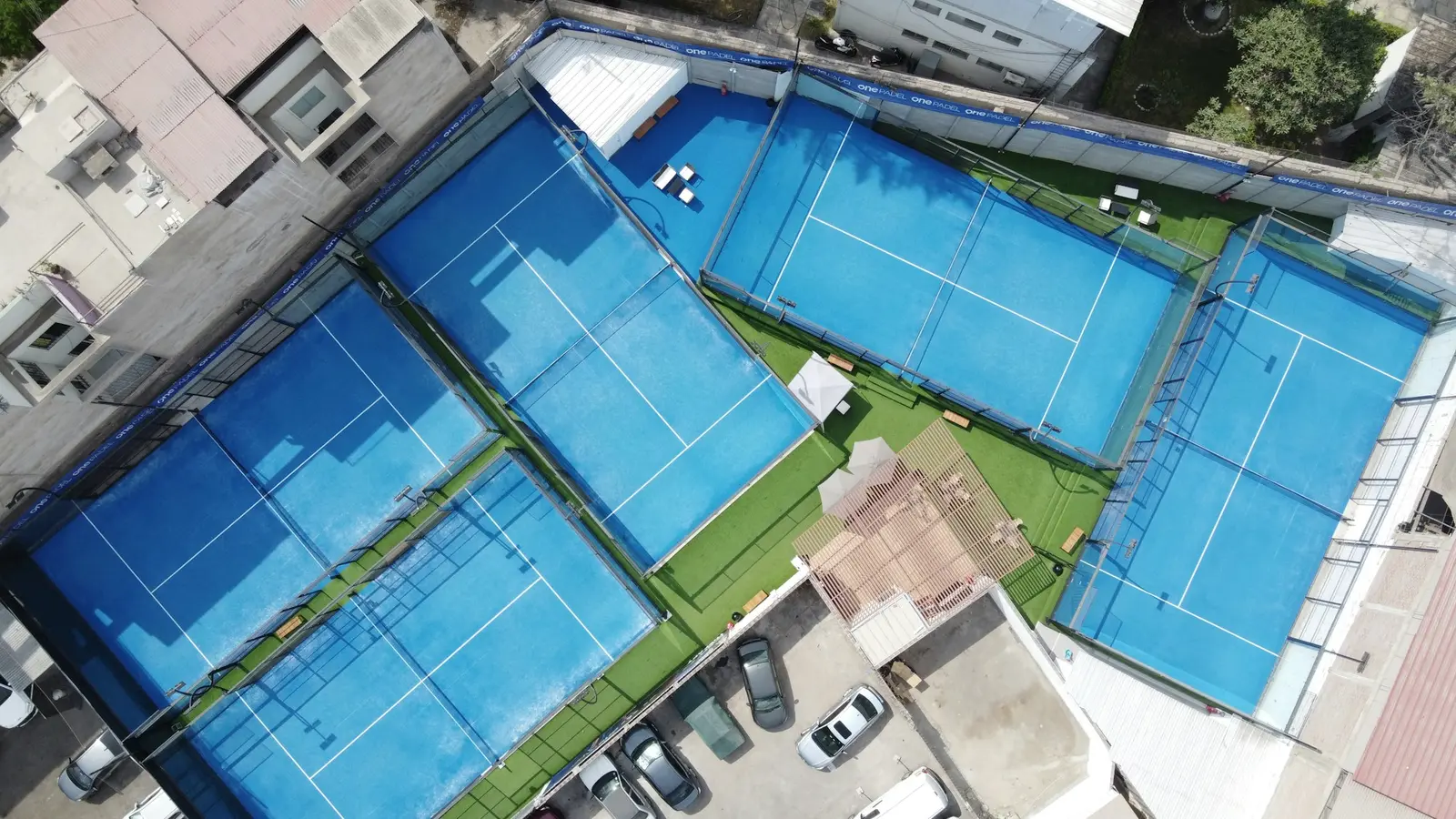
How padel clubs and venues fund courts, canopies, indoor sites and second locations, which finance fits each cost, and what lenders check first.
Explore funding options Prefer a quick call back? Leave your number
“Fantastic service, and I would definitely use them again.”
In short
Supporting padel clubs at every stage.
Lenders look most closely at the operator's experience, planning consent, the lease or land the courts sit on and, once a club is open, court booking data.
The operating cycle
Cash leaves the business at every stage before it comes back. Each stage below is a point where the right facility can carry the gap.
“Fantastic customer service, highly recommend!”
An indoor unit or outdoor land, with planning consent.
Commercial property →Courts, lighting and booking systems bought and installed.
Court finance →Groundworks, fit-out, changing rooms and a clubhouse.
Fit-out finance →Staff, marketing and coaching before bookings build.
Unsecured loans →Court hire and memberships paid online and by card.
Merchant cash advance →Outdoor courts lose hours to rain and dark evenings.
Canopy finance →More courts, or a second club.
Growth finance →About padel club finance
Specialist knowledge. Better outcomes.
This page is for people opening or running a padel club: standalone indoor and outdoor venues, tennis, golf and squash clubs adding courts, hotels and holiday parks building courts for guests and the public, and operators rolling out several sites. Smart Funding Solutions is a broker, not a lender. We search a panel of 300+ lenders and arrange facilities from £10,000 to £20 million. This page is part of our leisure business finance guides.
More detail on specific needs within this topic.
Padel court finance spreads the cost of courts over several years, usually through hire purchase or leasing secured on the courts themselves. Lenders are…
Padel canopy finance funds a roof structure over outdoor courts so they can be played in rain and through the winter. Because a canopy is large, needs…
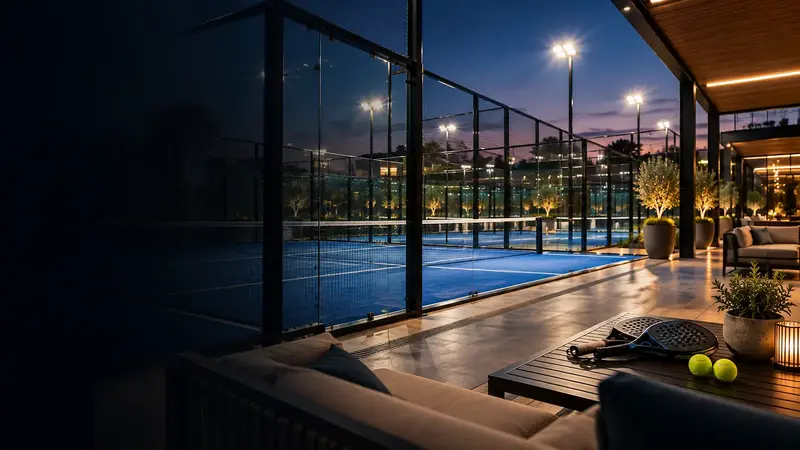
To open a padel club, test local demand, choose between an indoor unit and an outdoor site, secure planning consent and a lease long enough for your…
Choose the need, and we’ll show you how lenders usually structure it.
Courts from established manufacturers are modular steel and glass structures that can be dismantled and moved, so some asset finance lenders will fund them on hire purchase or leasing, secured on the courts. Groundworks and installation are harder to secure, and lenders treat them differently from the kit. Our page on padel court finance explains how a court package is usually split.
A canopy over outdoor courts turns a seasonal business into a year-round one, but it is a large structure that needs planning permission and is usually fixed to the site. Lenders weigh that differently from the courts underneath. See padel canopy finance.
Converting an industrial unit, building a clubhouse or laying out a site involves works that cannot be repossessed. These are usually funded with an unsecured or partly secured term loan, sometimes alongside a landlord contribution. Our page on fit-out and refurbishment finance explains how lenders treat these costs.
Once a club is trading, most income arrives by card and online booking, so a merchant cash advance can work: repayments are a share of card takings and fall in quiet weeks. A revolving credit facility suits recurring gaps, such as a slow summer for indoor sites or a wet winter for outdoor ones.
Some operators buy the building or land rather than lease it. A commercial mortgage can fund the purchase of a trading property, and our commercial property finance pages cover land and refinancing.
For an operator with a proven club, lenders use the first site's figures as the template for the next. Growth finance and, for branded concepts, franchise loans can fund a roll-out.
Where padel courts share a site with tennis courts, our guide to tennis club finance covers how clubs fund domes, floodlights and resurfacing alongside new courts, with a worked example of a dome on asset finance.
Padel is played on an enclosed court, 20 metres by 10 metres, with glass back walls and mesh sides, and is mostly played as doubles. A club's income comes mainly from court hire booked and paid online, often through a booking app, with memberships, coaching, leagues, social sessions and corporate events on top. Many clubs add a café or bar, a small shop and racket hire, and that secondary spend can make a real difference to margins.
Demand bunches into weekday evenings and weekends, so the commercial question is how well a club fills daytime and off-peak slots. Outdoor courts also depend on the weather and on daylight, which is why many operators add floodlights or a canopy, or choose an indoor building from the start. The main costs are the courts themselves, groundworks or building works, lighting, rent or land costs, staff, energy and insurance, with turf, glass and lighting needing repair and replacement over time.
A new club has no trading record, so lenders rely heavily on the owners: personal guarantees are common, and our guide to personal guarantees explains what that means. A lease shorter than the finance term, or planning conditions that cut evening hours, can undermine the numbers. Padel has grown quickly, and new clubs nearby can change local demand, so test your booking forecast against the competition within easy reach of your site.
Think about the cost of keeping courts in good condition, and whether a supplier payment plan, a landlord incentive or Sport England and other grant funding for community use would cover part of the cost without borrowing. Capital allowances such as the Annual Investment Allowance may apply to some of the equipment; ask your accountant how they apply to your project.
Running a sports venue, leisure site or hospitality business carries weight, especially for a new club with no booking history.
Whether consent is granted, and its conditions on opening hours, floodlighting and noise. Noise from play is a common concern near homes, so lenders read the conditions closely.
Lease length and break clauses compared with the finance term, and whether the landlord will let a lender remove financed courts if things go wrong.
An established manufacturer, a competent installer and clear warranties make courts easier to fund.
For a trading club: utilisation by time of day, membership numbers, coaching income and how bookings have moved since opening.
New clubs usually need the owners to put in a meaningful share of the cost, particularly for the works.
| Cost | Finance that often fits | Why |
|---|---|---|
| Courts, lighting, ball machines, kiosks | Asset finance | Secured on equipment that can be removed and resold |
| Canopy over outdoor courts | Asset finance or a term loan | Depends on the structure, the supplier and the site |
| Groundworks, building works, clubhouse | Fit-out finance or a term loan | Spreads costs that cannot be repossessed |
| Opening costs and marketing | Unsecured business loan | Fixed repayments, based on the business and its owners |
| Seasonal or off-peak gaps | Revolving credit or a merchant cash advance | Draw when needed, repay when bookings are strong |
| Buying the building or land | Commercial mortgage | Long term, secured on the property |
We look at the whole project, split it into the parts different lenders will fund, and approach those suited to each part. For a trading club we present the booking data the way underwriters read it. If you are still planning, our guide on how to open a padel club covers the steps before you apply, and our sports business funding guide covers grants and sponsorship alongside borrowing.
It is possible, but harder than for a trading club because lenders cannot see bookings yet. Relevant experience, planning consent, a secure site and a meaningful personal contribution all help. Courts from an established manufacturer can often be funded on asset finance even for a new business, with the works and opening costs funded separately.
Often, yes, particularly if the club is a trading company with accounts and the courts sit on land it owns or holds on a long lease. Members' clubs, charities and community interest companies can use some lenders but not all, so the legal structure matters. See padel court finance.
It depends on the location, the budget and the planning position. Indoor sites in industrial units avoid the weather but carry rent, energy and fit-out costs, and may need consent for a change of use; check the planning use classes. Outdoor courts cost less to build but are weather-dependent unless covered with a canopy.
For a new club, usually yes. For an established club with strong accounts, some facilities can be arranged with limited or no personal guarantee. Our page on business loans without a personal guarantee explains when that is realistic.
Often, once the club has traded for a year or more and the figures support it. Moving expensive short-term borrowing onto a longer term can ease monthly repayments. See refinancing a business loan.
Yes. Buying an established padel or racquet club is usually funded with acquisition finance: a loan sized on the business's recent profits, your own contribution and sometimes part of the price paid to the seller after completion. Lenders look most closely at court bookings and membership income, the lease, the condition of the courts and any canopy, and any finance already on the courts. You can see which lenders on our panel fund purchases like yours with Instant Quotes.
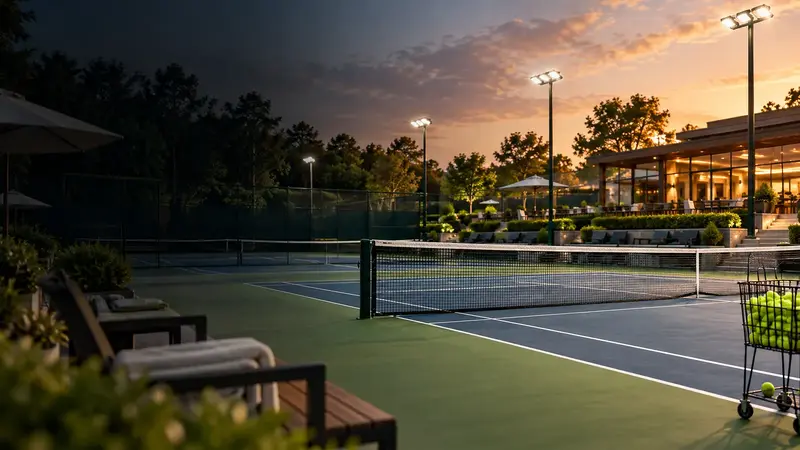
Tennis club finance usually combines a term loan or secured loan for court building and resurfacing, asset finance for…
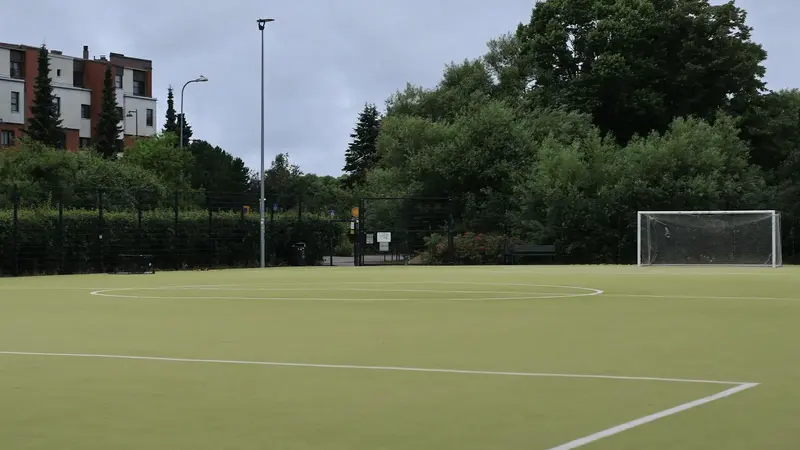
Football club finance usually combines a term loan or secured loan for 3G pitches and building works, asset finance for…
Sports club loans usually combine a term loan or secured loan for clubhouse and pitch works, asset finance for machinery and…
Tennis court finance covers resurfacing, rebuilding or building new courts, and floodlights. Because a court surface is fixed…
Golf club finance usually combines asset finance for buggies, greenkeeping machinery and range technology, a term loan or…

Care home development finance is staged, short-term borrowing for building a new home, adding a wing or converting a building…
What our clients say
“Simon was fast, kept us updated at all stages and was a real pleasure to work with on our asset finance. I highly recommend this company: excellent service all round.”
“Spoke with Simon, who managed to get me the loan I needed promptly. The whole process was very smooth and was completed within a few days.”
“Getting a business loan can feel like a bit of a minefield, but everything was broken down for me in great detail. Will use again in the future!”
“Simon was a pleasure to deal with and helped us find a business loan that matched our growth goals and future expansion plans.”
“I couldn’t source funding for my business, but the team got in touch within an hour and had it sorted within 24 hours. Fantastic service, and I would definitely use them again.”