
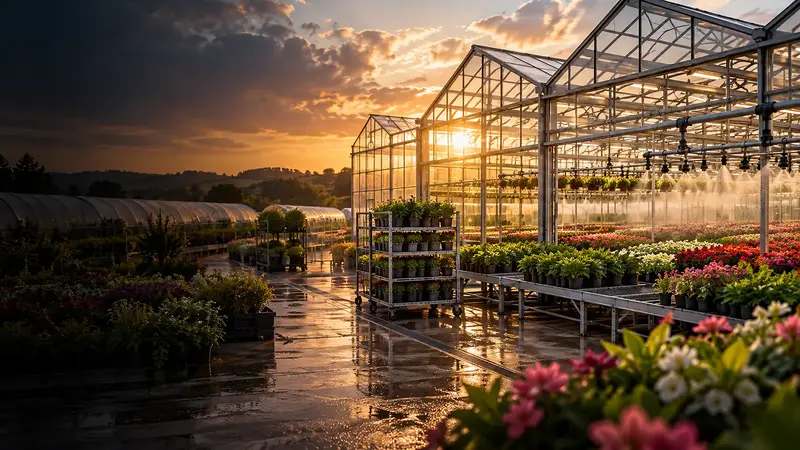
Horticulture finance for nurseries, glasshouse and fruit growers
Horticulture finance funds growers through a year in which labour, energy, compost and young plants are paid for months before…
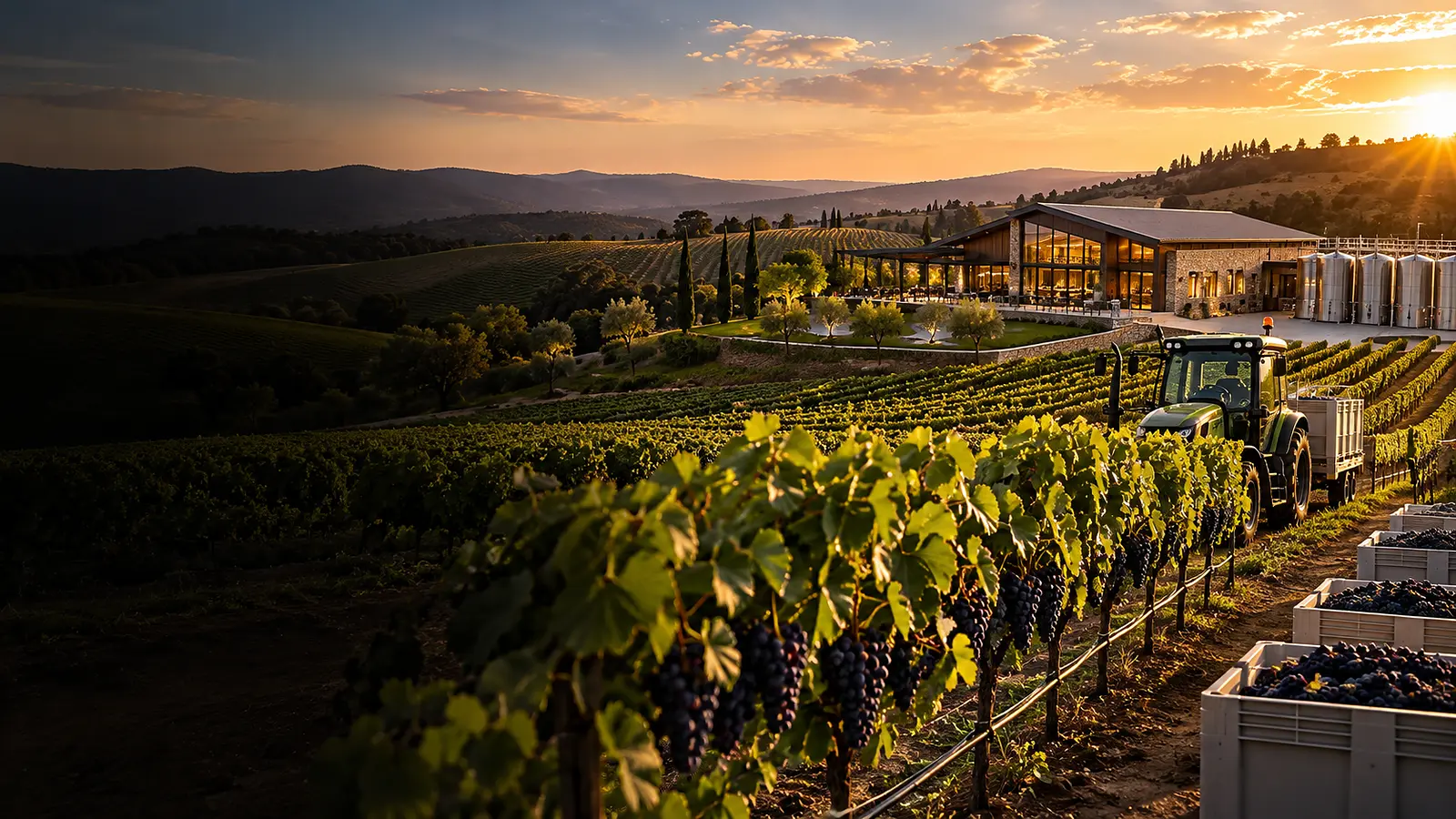
How UK vineyards and wineries fund planting, winery equipment, maturing stock and cellar door projects, and why lenders look so closely at timescales.
Explore funding options Prefer a quick call back? Leave your number
“The whole process was very smooth and was completed within a few days.”
In short
Supporting vineyards at every stage.
Producers commonly combine a loan secured on the vineyard land or winery building with asset finance for presses, tanks and vineyard tractors, and working capital for maturing stock. Lenders focus on the timeline to sales, routes to market, yield variability and the value of the land.
The operating cycle
Cash leaves the business at every stage before it comes back. Each stage below is a point where the right facility can carry the gap.
“A super responsive broker who quickly diagnoses the needs of the client.”
Orders, contracts or customers secured.
Stock, materials and equipment paid for up front.
Asset finance →Wages and suppliers paid on time.
Working capital →The work is done or the goods are sold.
Customers pay, sometimes weeks later.
Invoice finance →VAT and Corporation Tax fall due.
HMRC loans →Growth, a new site or new equipment.
Business loans →About vineyard finance
Specialist knowledge. Better outcomes.
England and Wales now have a substantial wine industry, much of it built on sparkling wine from chalk and greensand soils in the south east, and a growing number of still wine producers in Wales, East Anglia, the Midlands and the south west. Financing it is unlike financing other farming: capital goes in years before any revenue, and the product sits in the business as maturing stock for a long time after harvest. This page is for growers selling grapes, estates making their own wine, and contract winemakers. Smart Funding Solutions is a broker, not a lender. We search our panel of 300+ lenders and arrange facilities from £10,000 to £20 million. For other farm enterprises, see our agricultural finance and farm loans hub.
Choose the need, and we’ll show you how lenders usually structure it.
Planting is usually funded by equity or by a loan secured on the land. Valuers often give little extra value for vines, as a buyer would be paying for the site and its potential rather than the plants, so borrowing capacity depends on the land and buildings. Buying a new site is covered on our agricultural land purchase page.
A winery, tasting room or shop is a commercial building, and lenders treat it as such. Building or buying one can be funded through commercial property finance, with conversion of existing farm buildings handled as a project with planning consent. Residential property on the estate, including holiday cottages and houses, is outside what we arrange.
Narrow vineyard tractors, sprayers, mowers, frost fans, presses, stainless tanks, gyropalettes, disgorging and bottling lines are commonly funded on asset finance. Branded winery equipment from established manufacturers resells internationally, which helps; heavily customised or second-hand kit may need a larger deposit. Smaller estates often share or contract bottling and disgorging rather than buy the line.
Wine held for release ties up the most cash. A working capital loan or facility secured on land is the usual answer, and some lenders will consider stock finance against finished, bottled wine with a clear sales record. Duty becomes payable when wine leaves duty suspension, so producers releasing large volumes before Christmas need cash for duty as well as stock. Smaller producers should check eligibility for Small Producer Relief on Alcohol Duty, which can reduce the bill.
A new sparkling wine estate typically follows a path like this, and each stage carries a different finance need:
Yields also swing widely between years because of spring frost, poor flowering weather and disease pressure. Industry figures from WineGB show how sharply national harvests can vary, so a lender will not assume a record vintage repeats.
For illustration only, with invented round figures and no rates. A twelve-hectare estate has three vintages of sparkling wine on lees and its first release due next year. It needs around £250,000 to buy its own press and tanks rather than pay contract fees, and to fund another year of costs. The equipment is financed on hire purchase, with the press and tanks as security. The working capital element is secured on a block of the estate's land, with repayments scheduled to start after the first release has been through a full Christmas sales season.
The main danger is running out of cash just before the wine is ready to sell, with lenders unwilling to extend and stock that cannot be released early without damaging the brand. A single frost or a poor flowering season can remove most of a year's crop. Debt secured on the land puts the whole estate at risk, and owners are often asked for personal guarantees. Alternatives worth weighing include selling grapes or bulk wine to other producers in the early years, using a contract winery until volumes justify your own, selling a share to investors, and pre-selling allocations to customers. Estates adding a vineyard as one enterprise on a larger farm should also read our farm diversification finance page, and those adding spirits production may find distillery finance relevant.
How many vintages are in the cellar, when each is released and what it is expected to sell for, compared with the borrowing timetable.
The split between cellar door, online, trade and retail, and any listings or contracts already agreed. Direct sales earn more but depend on visitors and marketing.
Who makes the wine, under what contract, and whether the estate controls its own stock.
Frost history, aspect, drainage and the frost protection in place.
Vineyards and wine producers must register with the Food Standards Agency, and producers need the right HMRC approvals for duty and, for visitor operations, a premises licence.
Many estates are funded heavily by their owners. Lenders want to see that equity is still going in alongside debt.
Yes, but lenders expect a strong owner contribution because there is no income for several years. Borrowing is normally secured on land you already own, and a feasibility study covering the site, varieties and route to market helps considerably.
It strengthens the balance sheet, but most lenders discount maturing wine heavily because it cannot be sold quickly. Bottled, labelled stock with a sales record carries more weight than wine still on lees.
Usually, because there is a trading history, mature vines and established customers. Lenders will still review stock, contracts and yields, and the purchase is assessed much like any business acquisition with land.
Yes, a winery is usually funded in two parts: a loan secured on the land or building for the structure, and asset finance for presses, tanks, cooling and bottling equipment. Lenders look at whether volumes justify your own winery rather than a contract winemaker, and second-hand equipment may need a larger deposit. Our page on plant and machinery finance explains how equipment agreements work.
Yes, visitor facilities are often funded as part of a wider vineyard business plan, using a secured loan for building work and asset finance for fit-out and equipment. Lenders want to see planning consent, the premises licence needed for visitor sales and realistic visitor numbers. Direct sales earn more but depend on marketing and footfall. Our farm diversification finance page covers similar projects.
Instant Quotes shows which lenders on our panel are likely to fit, with no credit search. Vineyard lending is then shaped around your planting dates, stock and the land, so a broker takes the case to lenders who understand the wine cycle.
Horticulture finance funds growers through a year in which labour, energy, compost and young plants are paid for months before…
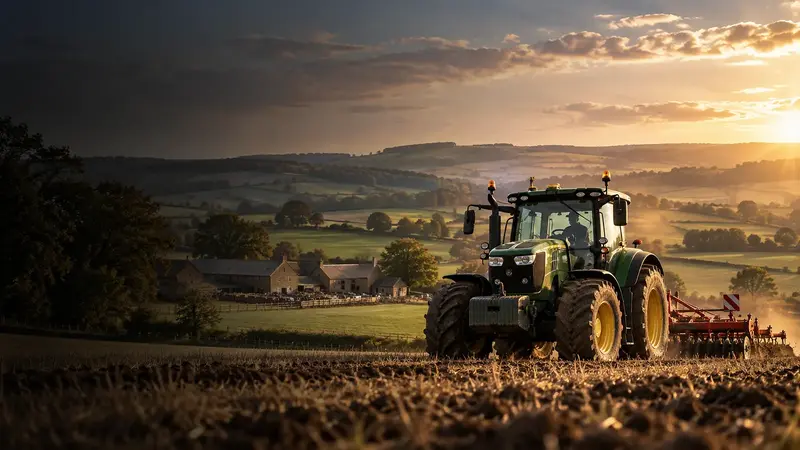
Count the hours. A tractor that will work most of the year is usually best bought on hire purchase, so the farm owns it at the…

Crop finance covers the gap between autumn drilling and the sale of the harvest, which on a combinable crop farm can be the…
Farm diversification finance funds a new, non-farming income stream on the holding: barn conversions to workshops or homes,…
Agricultural equipment finance spreads the cost of farm machinery, from drills and sprayers to telehandlers, feed wagons and…

Forestry finance depends on which part of the timber chain you are in. Harvesting contractors mostly use asset finance on…
What our clients say
“Simon was fast, kept us updated at all stages and was a real pleasure to work with on our asset finance. I highly recommend this company: excellent service all round.”
“Spoke with Simon, who managed to get me the loan I needed promptly. The whole process was very smooth and was completed within a few days.”
“Getting a business loan can feel like a bit of a minefield, but everything was broken down for me in great detail. Will use again in the future!”
“Simon was a pleasure to deal with and helped us find a business loan that matched our growth goals and future expansion plans.”
“I couldn’t source funding for my business, but the team got in touch within an hour and had it sorted within 24 hours. Fantastic service, and I would definitely use them again.”