

Bed and breakfast loans: how to buy, set up and finance a B&B
Most people buy a trading B&B with a commercial or semi-commercial mortgage, because the owner lives on site and the lender…
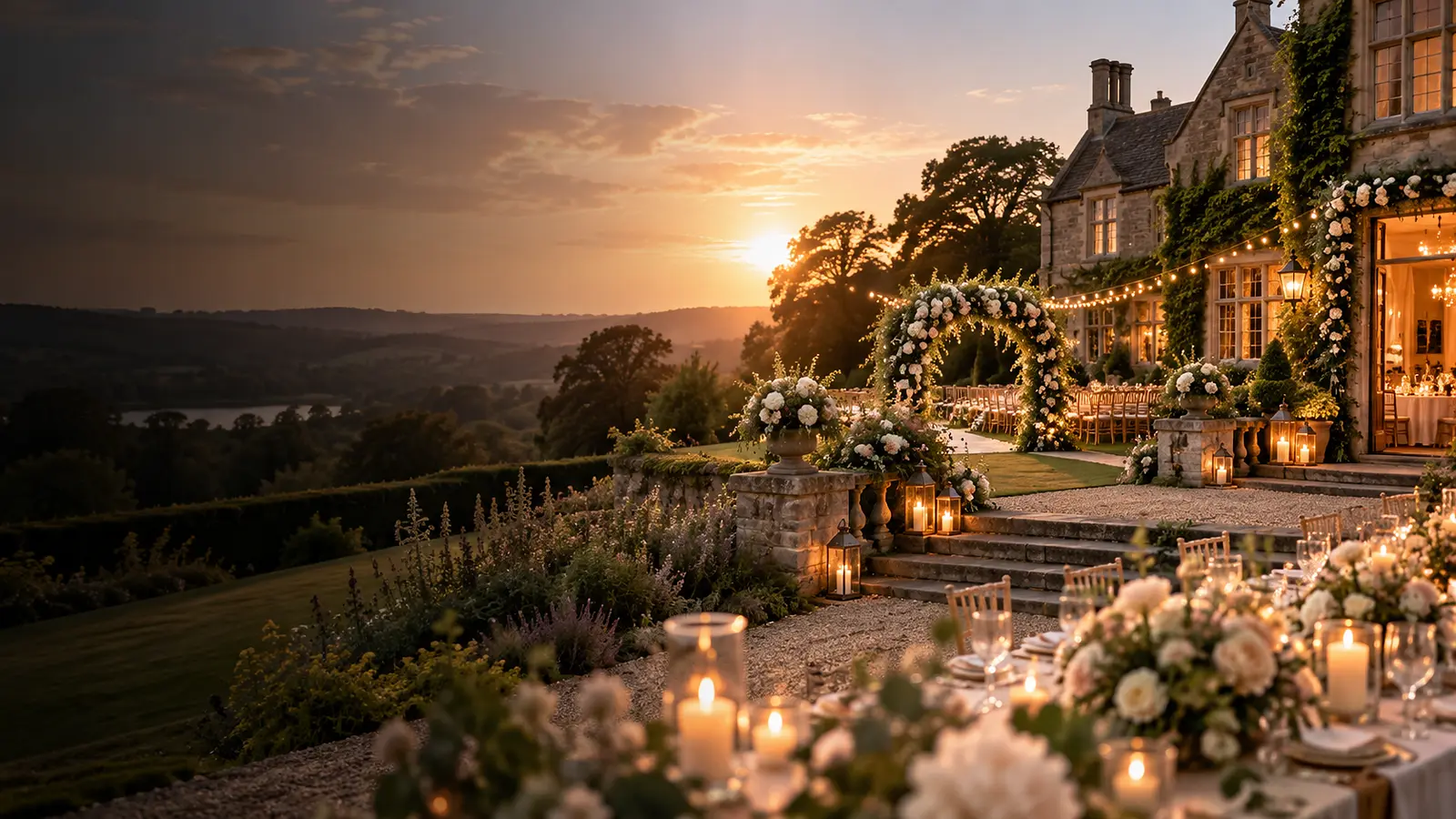
How wedding venues fund purchases, barn conversions, accommodation and equipment, and how lenders read forward bookings, deposits held and licences.
Explore funding options Prefer a quick call back? Leave your number
“Fantastic customer service, highly recommend!”
In short
Supporting wedding venues at every stage.
Lenders focus on the forward booking diary, deposits taken for future dates and whether that cash has already been spent, approved premises and licence conditions, and what the property would be worth if it stopped trading as a venue.
The operating cycle
Cash leaves the business at every stage before it comes back. Each stage below is a point where the right facility can carry the gap.
“He is fair and always gives advice that is in the best interest of his clients.”
Orders, contracts or customers secured.
Stock, materials and equipment paid for up front.
Asset finance →Wages and suppliers paid on time.
Working capital →The work is done or the goods are sold.
Customers pay, sometimes weeks later.
Invoice finance →VAT and Corporation Tax fall due.
HMRC loans →Growth, a new site or new equipment.
Business loans →A transaction we arranged
£100,000
£100,000 across two facilities. A farm wedding and events venue that keeps coming back.
Event setup, venue improvements and supplier deposits ahead of booked weddings.
Read the transactionAbout wedding venue finance
Specialist knowledge. Better outcomes.
This page is for owners of wedding venues: country houses and estates, barn and farm venues, hotels where weddings drive the business, marquee and woodland sites, and urban event spaces. It covers buying or converting a venue, upgrading facilities, adding accommodation and funding the gap between taking deposits and staging the day. Smart Funding Solutions is a broker, not a lender: we search our panel of 300+ lenders for facilities from £10,000 to £20 million. It sits within our hospitality business loans section.
Choose the need, and we’ll show you how lenders usually structure it.
Venues sell dates, and the best dates are a limited stock: Saturdays from May to September, followed by Fridays and Sundays. Couples typically book a year or more ahead, paying a deposit to secure the date and the balance a few weeks or months before the wedding. Income on the day often includes venue hire, catering if run in-house, a bar, accommodation, and commission from approved suppliers. Off-peak and midweek dates are sold at a discount, and many venues fill winter with corporate events, Christmas parties and private dining.
This model produces a cash flow unusual in hospitality. Cash arrives well before costs are incurred, which feels comfortable, but deposits and balances are money for services not yet delivered. A venue that spends its deposits on capital works is in effect borrowing from couples, and if bookings fall or a date has to be cancelled, the refund comes from cash that is no longer there.
Venues in England and Wales that host civil ceremonies must be approved by the local authority; the Registrar General’s guidance on approved premises sets out the requirements, and since 2022 approved venues can also hold ceremonies outdoors within their grounds. Approval lets a venue offer the whole day in one place, which is worth more than a reception-only site. A premises licence covers alcohol and regulated entertainment, and its conditions on hours, noise and music can limit what the venue can sell.
Planning matters just as much. A barn converted for events needs permission for that use, and noise or traffic conditions are common. Marquee sites relying on temporary use rights are limited to a set number of days a year, which caps how many weddings they can host and means lenders give them less credit than a permanently consented venue.
The central risk is the deposit trap described above: spending money that belongs to future dates. Lenders will often look at net cash after deposits, and so should you. New venues take time to fill their diaries, because couples book a year or more ahead, so a converted barn may have little income for its first season while repayments or rolled-up interest build. Bad weather and changing fashions matter for marquee and outdoor sites. Personal guarantees and charges over the property are standard on larger facilities, and on estates that may include land the family regards as its home ground.
Alternatives include phasing works, partnering with an experienced operator under a management agreement, or taking an equity investor for a conversion. Venue owners whose business is broader events should compare our page on events business finance, and those adding guest accommodation in volume may find our hotel finance page useful. If the venue you plan to buy is a hotel with an established wedding trade, our guide to financing a hotel purchase explains how lenders value it.
Confirmed weddings for the next two seasons, with deposits received and balances due, against previous years at the same point.
How much customer money has been taken for future dates, whether it is ring-fenced, and the cancellation terms.
Average spend, what is included, and how much comes from catering, bar, accommodation and supplier commission.
Approved premises status, premises licence, planning and any noise restrictions or complaints.
What the property would be worth if it stopped trading as a venue; a converted barn in open countryside may have limited alternative value.
How much winter and corporate business supports the year.
Experience of running events, managing suppliers and staff, and handling the volume of weekends planned.
| Situation | Often suitable | Trade-off |
|---|---|---|
| Buying an established venue | Commercial mortgage, sometimes with acquisition finance for the business | Valued on trade; deposits already taken by the seller must be dealt with in the price |
| Converting a farm building or house into a venue | Conversion finance or a bridging loan, refinanced once trading | No trading history to lend on; planning must be in place |
| New ceremony room, orangery or bridal suite | Secured term loan or refurbishment finance | Works must fit around booked dates |
| Adding bedrooms, cottages or glamping for guests | Secured loan or asset finance for pods and cabins | Occupancy outside wedding weekends may be low |
| Marquee, furniture, lighting, kitchen and bar equipment | Asset finance | Kit must earn over its whole term |
| Winter running costs or a slow booking year | Revolving credit or a working capital loan | Must not be used to replace spent deposits indefinitely |
A merchant cash advance is a weaker fit than in most hospitality businesses, because couples usually pay deposits and balances by bank transfer. It can work for venues with high bar and restaurant card takings, but only that card income counts. Venues on working farms should also read our guide to farm diversification finance, since some lenders view the venue alongside the farm.
Our events business funding case shows finance for costs that fall before an event is paid for.
Not fully. Until the wedding happens, a deposit is money held for a future service and may have to be refunded. Lenders give more weight to completed weddings and look at deposits as evidence of demand rather than as cash available to repay a loan.
It can be possible once planning permission for event use is in place. Lenders usually fund conversions with staged or bridging finance and expect a refinance onto a term facility once the venue has a trading record. Costed plans and evidence of local demand matter.
Indirectly. Approval lets you host ceremonies as well as receptions, which supports higher revenue per wedding and a stronger valuation. Lenders will check it is in place and current.
Usually as a trading business, based on sustainable profit, with a view on what the property would be worth if it stopped trading. Where the two figures are far apart, lenders tend to be cautious about the gap.
There is no single figure, as lenders set their own limits, but buying a wedding venue usually needs a meaningful deposit from your own resources. Venues are valued on trade, so the forward diary, revenue per wedding, consents and the property's value if it stopped trading as a venue all affect how much a lender will advance. A converted barn with limited alternative use may need a larger contribution. Our commercial mortgage calculator helps model repayments.
Instant Quotes shows which lenders on our panel are likely to fit your venue, with no credit search. Venue purchases and refinancing are then priced after a specialist valuation.
Yes. Buying an established wedding venue is usually funded with acquisition finance: a loan sized on the business's recent profits, your own contribution and sometimes part of the price paid to the seller after completion. Lenders look most closely at forward bookings and deposits held, approved premises status for ceremonies, the licence and the property. See GOV.UK: approved premises guidance. You can see which lenders on our panel fund purchases like yours with Instant Quotes.
Most people buy a trading B&B with a commercial or semi-commercial mortgage, because the owner lives on site and the lender…
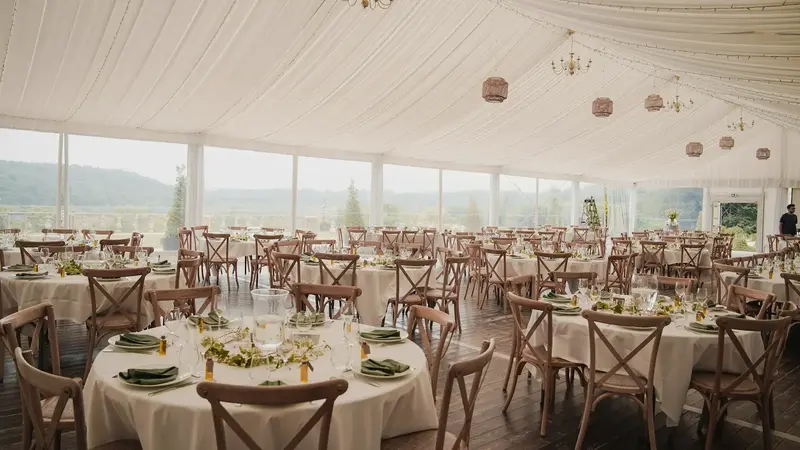
Most wedding and event businesses need finance for two things: kit and timing. Marquees, furniture, lighting and vans usually…

How a hotel is funded depends on the job. A purchase or freehold usually needs a commercial mortgage with a deposit; a large…
The best restaurant finance depends on what you are paying for. Kitchen equipment and fit-out items usually suit asset finance;…

To buy a pub, first decide whether you want the freehold, a free-of-tie lease or a tied tenancy, as this sets how much you need…

A pub mortgage is a long-term commercial loan used to buy or refinance the freehold of a pub, secured on the property. Lenders…
What our clients say
“Simon was fast, kept us updated at all stages and was a real pleasure to work with on our asset finance. I highly recommend this company: excellent service all round.”
“Spoke with Simon, who managed to get me the loan I needed promptly. The whole process was very smooth and was completed within a few days.”
“Getting a business loan can feel like a bit of a minefield, but everything was broken down for me in great detail. Will use again in the future!”
“Simon was a pleasure to deal with and helped us find a business loan that matched our growth goals and future expansion plans.”
“I couldn’t source funding for my business, but the team got in touch within an hour and had it sorted within 24 hours. Fantastic service, and I would definitely use them again.”