
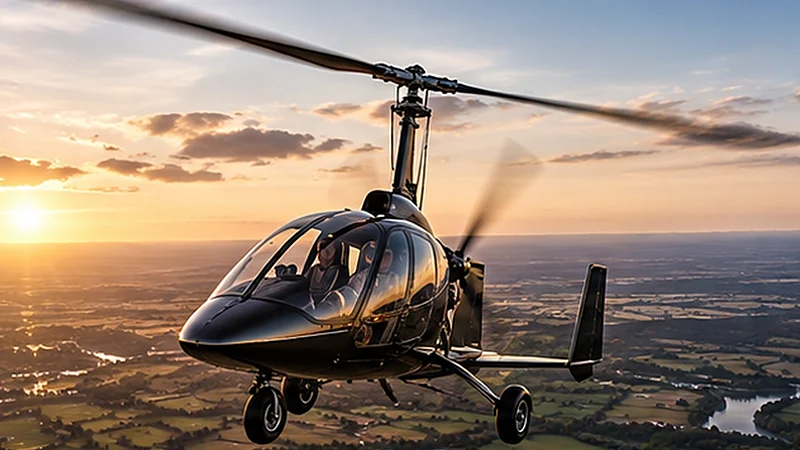
Gyroplane finance: funding a new or used gyrocopter
Gyroplane finance spreads the cost of a new or used gyroplane, also called a gyrocopter or autogyro, over an agreed term. Specialist aviation lenders fund…

How businesses fund light aircraft, helicopters, simulators and drones with hire purchase, aircraft mortgages, leasing or refinancing, and what lenders check.
Explore funding options Prefer a quick call back? Leave your number
“I highly recommend this company: excellent service all round.”
In short
Supporting aviation businesses at every stage.
A lender's decision turns on the aircraft's type, age, hours, maintenance history and resale market, the size of the deposit, and how the aircraft will earn its keep, whether through training hours, charter bookings or survey contracts.
The operating cycle
Cash leaves the business at every stage before it comes back. Each stage below is a point where the right facility can carry the gap.
“The whole process was very smooth and was completed within a few days.”
Orders, contracts or customers secured.
Stock, materials and equipment paid for up front.
Asset finance →Wages and suppliers paid on time.
Working capital →The work is done or the goods are sold.
Customers pay, sometimes weeks later.
Invoice finance →VAT and Corporation Tax fall due.
HMRC loans →Growth, a new site or new equipment.
Business loans →A transaction we arranged
£20,000
£20,000 for an aviation safety services business, matched to the right lender.
Finance for specialist equipment, training delivery costs and working capital around customer contracts.
Read the transactionAbout aviation finance
Specialist knowledge. Better outcomes.
For UK businesses it covers light aircraft, helicopters, microlights, vintage aircraft, flight simulators and commercial drones, used by flight schools, charter and air-taxi operators, aerial survey and filming firms, maintenance organisations and companies that use aircraft in their business. The main options are hire purchase, aircraft mortgages (chattel mortgages), leasing and refinancing of aircraft you already own.
Smart Funding Solutions is a broker, not a lender. We search our panel of 300+ lenders, including specialist asset funders, for finance that fits the aircraft, how it will be used and your business's circumstances. Aviation is one of the specialist sectors in our SME loans hub.
More detail on specific needs within this topic.
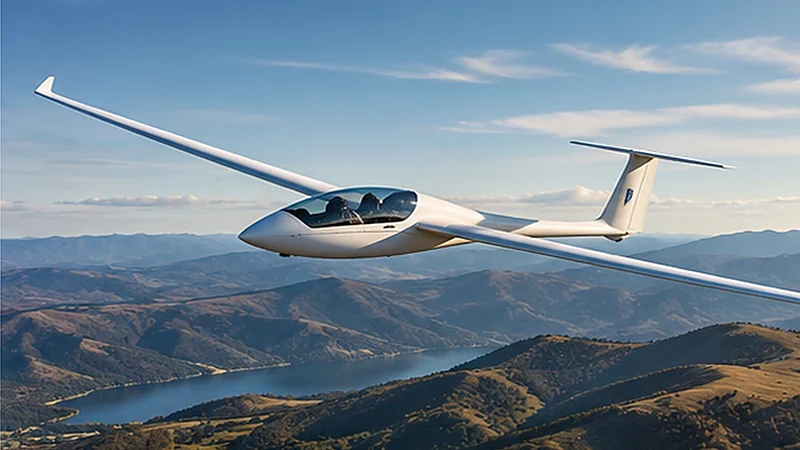
Gyroplane finance spreads the cost of a new or used gyroplane, also called a gyrocopter or autogyro, over an agreed term. Specialist aviation lenders fund…
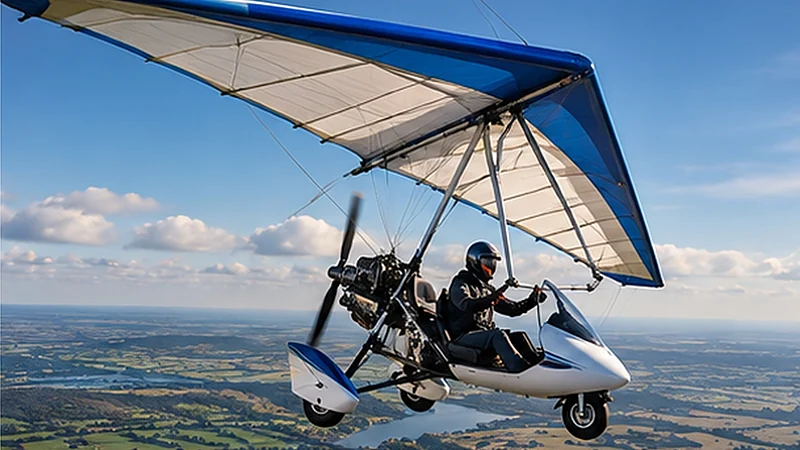
Microlight finance spreads the cost of a new or used microlight, from a flex-wing trike to a modern 600kg three-axis aircraft, over an agreed term. Aviation…
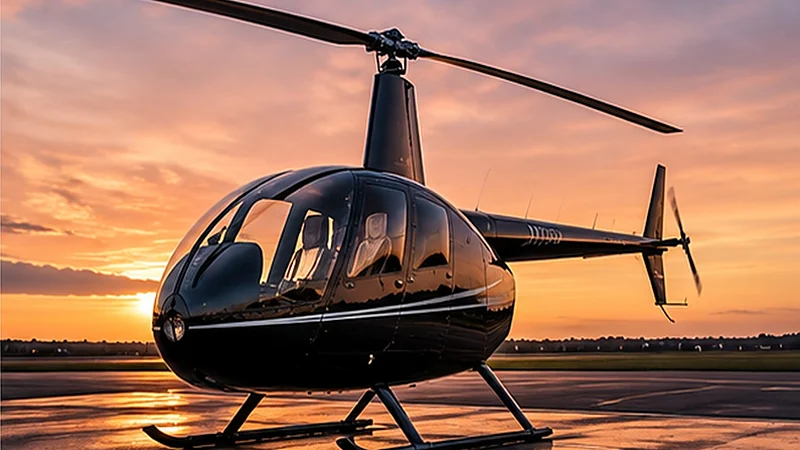
Helicopter finance spreads the cost of a new or used helicopter over an agreed term through hire purchase, a loan secured on the aircraft or leasing.…
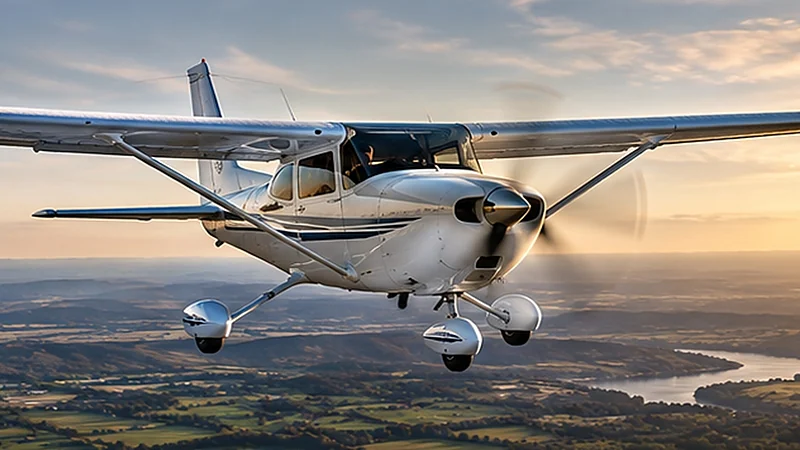
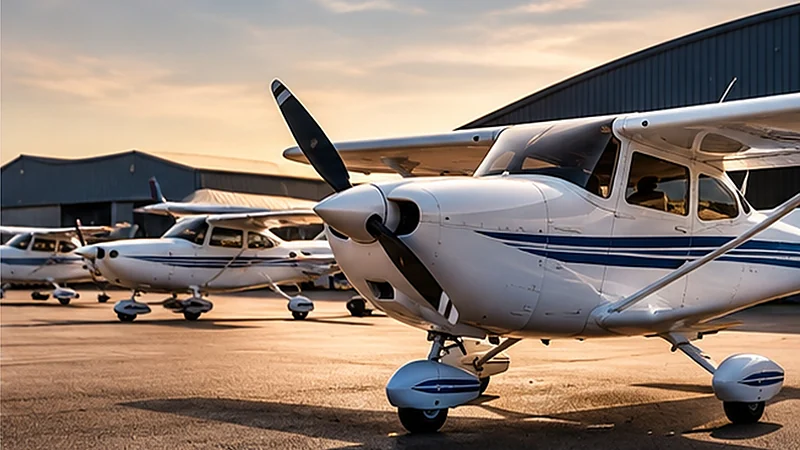
Light aircraft finance: funding a single or twin piston aircraft
Flying school aircraft finance: funding training aircraft and simulators
You pay a deposit and fixed monthly instalments, and ownership passes to you at the end of the agreement. A balloon (final) payment can reduce monthly costs. It works in the same way as business equipment financing for other assets.
You own the aircraft from the start and the lender takes a mortgage over it until the loan is repaid. If repayments are not made, the lender can repossess and sell the aircraft. Chattel mortgages are generally for business use; expect an administration fee and possibly early repayment charges.
You pay to use the aircraft for an agreed period without owning it. Leasing suits operators who want to renew equipment regularly. How a lease appears in your accounts depends on current accounting rules, so ask your accountant.
Release capital tied up in an aircraft you already own, to fund an overhaul, an upgrade or other business needs. See asset refinancing.
Some lenders offer interest-only terms for particular situations, such as aircraft bought for overhaul and resale.
Choose the need, and we’ll show you how lenders usually structure it.
Aircraft mortgages can be registered with the UK Civil Aviation Authority, and charges given by companies are also registered at Companies House.
Lenders want to understand how the aircraft pays for itself, and that differs by operator:
Large, irregular costs such as engine overhauls, avionics upgrades and annual maintenance also need planning, alongside insurance and hangarage.
This page covers finance for aircraft used in a business. Finance for an individual buying an aircraft for personal or leisure flying can be regulated consumer credit, which follows different rules and protections. If your purchase is partly or wholly for personal use, tell us at the outset so it can be handled correctly.
Have these ready:
We will discuss the realistic options, approach suitable specialist lenders and review their terms with you. The lender then carries out its own underwriting, valuation and checks, and approval is always its decision. Any broker fee is disclosed separately before you proceed.
The aircraft's type, age, hours, condition and resale market
Your deposit or equity
Business accounts, bank statements and how the aircraft will generate income
Credit history of the business and its directors
Pilot or operator experience and regulatory approvals where relevant
A weaker credit history narrows options but does not always rule you out. See asset finance for how lenders assess equipment generally.
An aircraft lender is lending against a mobile, high-value asset whose worth depends on its paperwork as much as its condition.
Marine assets are financed on a similar basis; see fishing boat finance for how vessel registration and survey work with a lender.
UK-registered aircraft can be mortgaged with the charge entered on the register kept by the Civil Aviation Authority, and larger aircraft and engines may also be registered internationally under the Cape Town Convention. Lenders check registration and existing charges first; the Civil Aviation Authority holds the UK register.
Engine hours against the manufacturer's overhaul interval, airworthiness review and complete logbooks drive value. Missing records can cut what a lender will advance far more than cosmetic condition.
An aircraft flown for hire, charter or training needs the operator to hold the right approvals, and income from that use supports the repayments. A privately flown aircraft owned by a company is assessed on the company's wider finances instead.
Hangarage, the insurer and the lender's interest noted on the policy are standard conditions. Lenders also ask where the aircraft will fly, since operating outside the UK can complicate recovery.
To estimate aircraft finance repayments, enter the price less your deposit, an indicative rate and the term into our asset finance calculator. The result is an illustration only: the rate and term a lender actually offers depend on the aircraft and your business, and a balloon payment lowers the monthly figure but leaves a larger sum due at the end.
Aircraft finance in the UK comes from a few kinds of provider: the asset finance arms of banks, independent asset finance companies, specialist aviation and marine funders, and manufacturer or dealer finance schemes for new aircraft. Appetite varies widely. Some will only fund popular types with a strong resale market, others are comfortable with helicopters, vintage aircraft or drones, and some will not consider private sales or overseas-registered aircraft.
When comparing offers, look beyond the headline rate to the deposit required, the term, any balloon, fees, early settlement terms, insurance conditions and whether a personal guarantee is needed. As a broker, we search 300+ lenders, including specialist asset funders, and set the realistic offers side by side so you can compare hire purchase, mortgage and lease structures on the same basis.
Yes. Lenders can fund major maintenance such as engine overhauls and avionics upgrades, either as a loan or by refinancing an aircraft you already own. If the aircraft is already under a finance agreement, speak to your existing lender first, as some agreements restrict further borrowing against the asset.
There is no single figure, because lenders set their own criteria for each aircraft and borrower. The deposit usually depends on the aircraft's age, type and resale market, how it will be used, its maintenance history and your business's trading record. Older, rarer or highly specialised aircraft tend to need a larger contribution, while a well-documented aircraft with a strong second-hand market and an established operator may need less.
Lenders usually ask for the aircraft's logbooks, maintenance and inspection records, airworthiness documents, registration details and an insurance quote, alongside your business accounts and bank statements. Gaps in the records make an aircraft harder to value and to resell, which can reduce what a lender will advance. The Civil Aviation Authority sets the registration and airworthiness requirements that lenders expect an aircraft to meet.
It is possible, but lenders look harder at a business without accounts. They focus on the owners' aviation experience, the business plan, any contracts or student bookings, the deposit available and the aircraft's resale value. A personal guarantee is likely, and some lenders may limit the amount or term until a trading record builds. Our page on start-up business loans covers funding for new businesses more generally.
Yes, commercial drones and their cameras and sensors can usually be funded through hire purchase or leasing, much like other business equipment. Because the technology changes quickly and resale values fall faster than for crewed aircraft, lenders tend to prefer shorter terms. Survey and filming firms often fund drones as part of a wider equipment package. See our guide to asset finance for how these agreements work.
Yes, you can use our asset finance calculator to estimate monthly repayments on an aircraft by entering the amount to borrow, an indicative rate and the term. Treat the result as a guide only. The lender sets the actual rate, deposit and term after reviewing the aircraft's type, age, hours and records, and your business accounts, so the final figure can differ.
Both can lend on aircraft. Some banks fund aircraft through their asset finance divisions, usually for established businesses and widely traded types, while specialist aviation and asset funders tend to be more flexible on older, rarer or higher-value aircraft and helicopters. Which suits you depends on the aircraft, your deposit and your trading record, which is why we approach several lenders on our panel rather than one.
Often, yes, though not every lender will fund a private sale. Those that do will want proof that the seller owns the aircraft outright, checks that no mortgage or finance is registered against it, full logbooks and maintenance records, and usually an independent survey. Funds are normally paid to the seller, or to settle any existing finance, once title, insurance and the lender's security are in place.
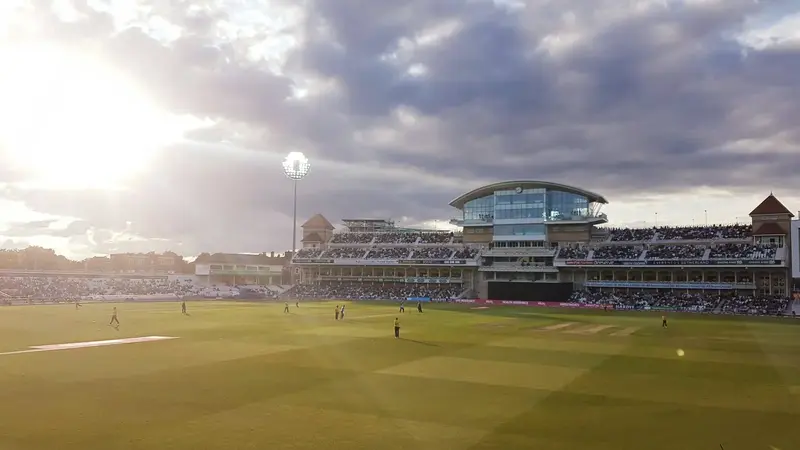
How a sports business is funded depends mostly on whether it is a commercial business or a community club. Commercial venues,…
Business services finance is borrowing for consultancies, estate and letting agencies, property services, recruitment, security…

Care sector finance is business borrowing for care homes, domiciliary care agencies, supported living providers and…

Education sector finance is business borrowing for independent schools, day nurseries and training providers, assessed against…

Leisure business finance is borrowing for gyms, salons, spas, indoor and outdoor attractions, events companies, laundries and…
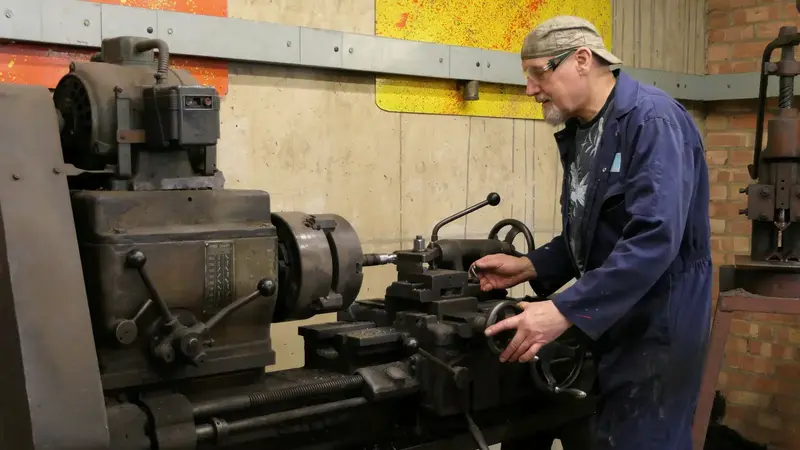
Manufacturing business loans are rarely one product. Most makers fund machines through hire purchase or leasing, materials and…
What our clients say
“Simon was fast, kept us updated at all stages and was a real pleasure to work with on our asset finance. I highly recommend this company: excellent service all round.”
“Spoke with Simon, who managed to get me the loan I needed promptly. The whole process was very smooth and was completed within a few days.”
“Getting a business loan can feel like a bit of a minefield, but everything was broken down for me in great detail. Will use again in the future!”
“Simon was a pleasure to deal with and helped us find a business loan that matched our growth goals and future expansion plans.”
“I couldn’t source funding for my business, but the team got in touch within an hour and had it sorted within 24 hours. Fantastic service, and I would definitely use them again.”

Chat with Smart Funding
We usually reply in seconds
Please don't share bank details or passwords here. Calls on 01244 267694.