
£35K secured on the business premises, not the family home.
A pub and B&B wanted secured funding but needed clarity on where the security would sit. The charge went on the trading property.
First-charge secured loanRead the transaction
Need a larger sum or longer term? Learn how secured business loans work, which assets lenders accept, legal vs equitable charges, costs and the key risks.
“He is fair and always gives advice that is in the best interest of his clients.”
In short
What you need to know.
Pricing tends to be lower than unsecured borrowing because the lender can sell the asset if repayments stop. Expect a valuation, legal work to register a charge and a longer timeline, and weigh the fact that the asset, which may be your premises or home, is at risk if you default.
If you need funds secured on property for only a few months, for example to complete on premises before a commercial mortgage is ready, a business bridging loan repaid from a sale or refinance may fit better than a longer secured term.
A transaction we arranged
£212,300
Approved, then nearly lost at completion. £212K consolidated.
A property-title requirement threatened a consolidation deal at the last hurdle. We worked it through and kept the structure intact.
Read the transactionAbout secured business loans
Specialist knowledge. Better outcomes.
A secured business loan is a loan backed by an asset, such as commercial property, land, your home, vehicles or machinery, which the lender can sell if the loan is not repaid. It suits established businesses that need a larger sum or a longer term than unsecured lending allows, for example to buy premises, fund expansion or refinance existing debt. The trade-off is that the asset is at risk if repayments are missed.
Smart Funding Solutions is a broker, not a lender. We match the security you have with suitable lenders from our panel of 300+, including banks, specialist and non-bank lenders. Secured borrowing is one of several routes covered in our business finance overview.
The process is closer to arranging a mortgage than an unsecured loan, so allow extra time for valuation and legal work. If you expect to draw and repay several times rather than borrow once, a property-backed revolving credit facility may suit better.
A legal charge gives the lender the right to sell the property if repayments are not made. Where there is already a mortgage, the lender takes a second charge, which usually needs the first lender's consent. That consent can add time to the process.
Some lenders register an equitable charge instead. This does not normally need the existing mortgage lender's consent, so it can be quicker, but the lender's rights over the property are more limited. Which type is used depends on the lender, the loan size and the property.
For a side-by-side comparison with unsecured borrowing, read our guide to secured vs unsecured business loans.
To qualify, you will typically need to be a UK limited company, LLP, partnership or sole trader with a suitable asset and cash flow that can afford the repayments. Criteria differ between lenders, which will consider:
The same asset can be viewed differently from one lender to the next. A high-street bank may prefer owner-occupied commercial property and several years of profitable accounts, while a specialist lender may accept a second charge, a mixed-use building or a shorter trading record in return for a lower loan-to-value or higher pricing. Knowing which lenders have appetite for your security type and sector is often what decides whether an application progresses.
If your credit record has problems, lenders will want to see that issues are behind you and trading is stable. See bad credit business loans for more.
A secured business loan against property typically takes four to eight weeks from application to drawdown, and sometimes longer, because it follows a process much like a commercial mortgage. The credit decision is often the quick part. Time goes on booking and receiving the valuation, the lender's solicitors checking title and preparing the charge, and, for a second charge, obtaining the first lender's consent. Leasehold property, unregistered title, properties owned by a director personally rather than the business, and slow replies to legal enquiries all add time. Loans secured on vehicles or equipment usually move faster, often within one to three weeks, as there is no property valuation or conveyancing. Having title details, accounts and existing mortgage statements ready at the start helps most.
If your deadline is tight, compare these timescales with faster unsecured options in our guide to how long it takes to get a business loan in the UK.
Other pages that may suit your security or plans.
How the main business finance structures work. Lenders set their own terms, so treat this as a guide to the questions to ask.
| Option | How you repay | Security | Often used for |
|---|---|---|---|
| Unsecured business loan | Fixed instalments, usually monthly | No charge over assets; a personal guarantee is usually required | Growth, stock, tax bills and cash flow |
| Secured business loanThis page | Fixed instalments, often over a longer term | A charge over property or other assets | Larger sums, property and refinancing |
| Revolving credit facility | Interest on what you draw; repay and redraw | Varies by lender and case | Recurring or uneven cash flow gaps |
| Merchant cash advance | A share of future card takings | No charge over assets | Card-taking businesses with uneven months |
| Asset finance | Regular payments over the life of the asset | The asset being financed | Equipment, vehicles and machinery |
| Invoice finance | Settled as customers pay their invoices | Your unpaid invoices | Businesses waiting on customer payment |
General information only. Every lender has its own criteria, and all finance is subject to status.
| Security | How lenders view it |
|---|---|
| Commercial property or land | Often supports the largest loans and longest terms, including property with an existing mortgage |
| Residential property | A director's home or a buy-to-let; puts personal assets at risk and may be regulated in some cases |
| Vehicles, machinery and equipment | Valued on age, condition and how easily it could be resold |
| Stock | Usually valued at a discount, reflecting how quickly it could be sold |
| Unpaid invoices | Used through invoice finance or asset-based lending; customer quality matters |
Lenders may also ask directors for a personal guarantee alongside the asset. If you are considering using your home, remember it could be repossessed if the loan is not repaid, and take independent advice first.
Not every asset suits every type of borrowing. Property suits larger term loans; equipment you are buying suits asset finance; equipment you already own suits asset refinancing; invoices suit invoice finance. Matching them properly usually gives better terms than forcing one asset to support everything.
To get a secured business loan, you need an asset a lender will accept, enough equity in it after any existing borrowing, and cash flow that can meet the repayments without relying on selling the asset. Preparing those three things first is what keeps the process moving.
Commercial property, such as your premises, land or an investment building, is the security most lenders prefer for larger loans. Residential property, including a director's home or a buy-to-let, can also be used, but it puts personal assets at risk, and a loan secured on a home you or a family member lives in may be regulated in some cases. Where there is already a mortgage, a second charge business loan can release equity without replacing it.
Sole traders and partners can get secured business loans. Lenders use tax returns and bank statements in place of company accounts, and because the borrower and the business are the same, the security is usually personal property. Finance of £25,000 or less to sole traders and small partnerships can be regulated consumer credit.
| Option | Typically used for |
|---|---|
| Secured business loan | Raising funds for the business against property or assets you already own |
| Commercial mortgage | Buying or refinancing business premises over a long term; see commercial mortgages |
| Bridging loan | Short-term, property-backed funding with a clear exit such as a sale or refinance |
Lenders differ widely in the assets, sectors and loan-to-values they will accept, so where you apply matters as much as what you offer. We approach lenders on our panel that suit your security type and loan-to-value, from high street banks to specialist lenders.
Loan to value (LTV) is the most a lender will lend against a property, as a percentage of its value. On a property that already has a mortgage, the limit covers both loans together.
| Step | Example |
|---|---|
| Property value | £500,000 |
| Lender's maximum loan to value | 75%, so up to £375,000 secured in total |
| Existing mortgage | £200,000 |
| Most you could borrow on a second charge | £175,000 |
Lenders on our panel lend up to 75% of a residential property's value on many secured business loans, and usually 60% to 75% on commercial property (checked October 2026). Affordability can cap the loan below that. Check what is registered against a property on HM Land Registry: search the register.
| Security | How lenders on our panel treat it | Points to weigh |
|---|---|---|
| Your home | Accepted by many, often as a second charge behind your mortgage; some homeowner loans need no other property | Your home is at risk if repayments stop; a loan secured on a home you or family live in may be regulated |
| Buy-to-let or other residential property | Widely accepted, usually up to 70% to 75% loan to value | Rent and the existing mortgage are taken into account |
| Commercial premises | Accepted by most, usually at 60% to 75% loan to value | Valuation and legal work take longer; owner-occupied premises may suit a commercial mortgage |
| Land | Accepted by few lenders, at around 60% loan to value | Planning and access affect the value |
Being a homeowner also helps on its own: several lenders on our panel only offer their secured loans to businesses whose directors own a home. For a second charge, see second charge business loans. A charge on company property is registered at Companies House; see GOV.UK: registering a charge against a limited company.
Ten of the secured lenders we compare, with loan sizes, terms, maximum loan to values and indicative rates. Many variable rates move with the Bank of England Bank Rate.
| Lender | Best for | Amounts | Terms | Maximum loan to value | Indicative rate |
|---|---|---|---|---|---|
| Together Loans | Long-term loans of up to 30 years secured on property | £30k to £4.5m | Up to 30 years | Up to 75% | 10.04% to 10.4% a year |
| Charles Street Finance | First and second charge loans, including commercial term loans up to 30 years | £50k to £10m | Up to 30 years | 70% residential, 75% commercial | 8.99% to 11.88% a year |
| Mercantile Trust | Second charge business loans with 2 or 5 year fixed rates | £10k to £500k | Up to 30 years | Up to 75% | 10.84% to 12.05% a year |
| Accredo | Repayment or interest-only loans from £25,000 | £25k to £1.5m | Up to 10 years | Set on valuation | 12.9% a year |
| Praetura | First charge loans from £120,000 for businesses with good credit | £120k to £5m | Up to 6 years | Set on valuation | 12% a year |
| Credit4 | Loans of £75,000 to £250,000 for businesses trading 6 months or more | £75k to £250k | Up to 5 years | Up to 80% | 18% a year |
| Asset Advantage | Homeowner-backed loans from £75,000, with a separate new business product | £75k to £1m | Up to 5 years | Set on valuation | 14% to 16% a year |
| Rivers Leasing | Homeowner-backed loans of £25,000 to £250,000, including new starts | £25k to £250k | Up to 5 years | Set on valuation | 17.5% to 21.7% a year |
| Evolve Lending | Short-term and revolving first and second charge facilities | £25k to £2.5m | Up to 3 years | Up to 75% | 0.95% to 1.5% a month |
| Ultimate Finance | Structured secured facilities from £500,000 | £500k to £10m | Up to 5 years | Up to 75% | 12% a year |
Indicative ranges from lenders on our panel, checked October 2026; your rate depends on your circumstances. Rates are yearly unless the lender prices by the month. Smart Funding Solutions is a broker, not a lender, and is not part of any lender listed. Fees depend on the lender, nothing upfront. See all lender reviews.
A business borrows £250,000 secured on its premises, worth £400,000 (62.5% loan to value), over ten years at an assumed 10% a year.
| Item | Figure |
|---|---|
| Loan | £250,000 |
| Term | 10 years |
| Monthly repayment | £3,303.77 |
| Total interest | £146,452.21 |
| Total repaid | £396,452.21 |
The rate is an assumption for the illustration, not a quote; fees and VAT are left out, and the rate you are offered depends on the lender and your circumstances.
Over five years at an assumed 11% a year, £150,000 would cost £3,261.36 a month and £195,681.81 in total. Valuation, legal and arrangement fees depend on the lender. Try the business loan calculator, or the DSCR calculator to test affordability.
Timescales depend largely on valuation and legal work, and approval is always the lender's decision. It is free to enquire; any broker fee is disclosed separately before you proceed. When you have the asset details to hand, you can discuss your requirement online.
Instant secured business loan quotes
Tell us how much you need and what it is for. Instant Quotes shows which lenders on our panel fit your business, then a broker helps you choose the right option.
Prefer to talk it through? Call 01244 267694
Illustrative figures from the numbers you enter, before you speak to a lender.
The amount depends mainly on the value of your security, any existing borrowing against it and your business's ability to repay. Lenders apply a maximum loan-to-value that varies by asset type and lender, and property generally supports more than equipment or stock. Once we know the asset and your figures, we can tell you what is realistic.
Yes, a secured business loan is often easier to obtain with bad credit than unsecured borrowing, because the lender can rely on the property or asset. Lenders will still check credit histories and want to understand what went wrong, how recent it was and whether it is resolved. Expect a lower loan-to-value or higher cost than a clean case. Our page on bad credit business loans covers other options.
It can be. A business loan secured on a home that you or a family member lives in may be regulated in some cases, depending on who is borrowing, the amount and how the property is used, and regulated lending brings extra protections. Finance of £25,000 or less to sole traders and small partnerships can also be regulated consumer credit. Your home could be repossessed if the loan is not repaid, so take independent advice first.
Some lenders will consider a secured business loan for a start-up, particularly where there is good property security and the owners have relevant experience. Lenders still need to see how repayments will be met, so a business plan and cash flow forecast are essential. Security does not replace affordability. Our page on start-up business loans explains other funding routes for new businesses.
If you cannot repay a secured business loan, the lender can take steps to enforce its security, which may mean selling the property or asset to recover the debt. Any shortfall may still be owed, including under a personal guarantee. Contact the lender as early as possible, as many will discuss a revised payment plan before taking action, and take independent advice if the business is under financial strain.
Often, yes, because the lender can rely on the asset if repayments stop, which can open up larger amounts, longer terms and more flexibility on credit history or trading record. It is not automatic, though: lenders still need to see that the business can afford the repayments from cash flow. The process is also slower, because of valuation and legal work.
They can. A full credit search is usually carried out on application and appears on the credit file, and the loan itself is normally reported to credit reference agencies. Repaying on time can help build your credit history, while missed payments harm it and put the security at risk. Where directors give a personal guarantee, their personal files may also be checked.
Yes, some lenders will accept a buy-to-let or other investment property as security for a business loan, usually by taking a first or second charge. They will look at the property's value, any existing mortgage, who owns it and whether the existing lender consents. Your business still needs to show it can afford the repayments, and the property is at risk if they are not made.
Lenders on our panel lend up to 75% of a residential property's value on many secured business loans and usually 60% to 75% on commercial property (checked October 2026), less anything already secured on it. Affordability can cap the loan below that.
Rates depend on the lender, the security, the loan to value and your business. The table above shows indicative ranges from lenders on our panel, checked October 2026; some lenders price by the month, so compare offers on the total amount repayable.
From a few months for short-term and revolving facilities to as long as 30 years for some loans secured on property, on our panel. Longer terms lower the repayments but add interest.
No, but most do. Most secured loan products on our panel ask directors for a personal guarantee as well as the property charge.
Loan to value (LTV) is the loan as a percentage of the property's value: £200,000 against a £400,000 building is 50% LTV. Lenders set a maximum LTV for each product, and a lower LTV usually means a lower rate. Our glossary explains loan to value with an example.
A pub and B&B wanted secured funding but needed clarity on where the security would sit. The charge went on the trading property.
Project income was due later; HMRC and short-term debts were due now. We restructured them into one facility.
Independent write-ups of lenders on our panel that offer this type of finance. Smart Funding Solutions is a broker and is not part of any lender listed. See all lender reviews.
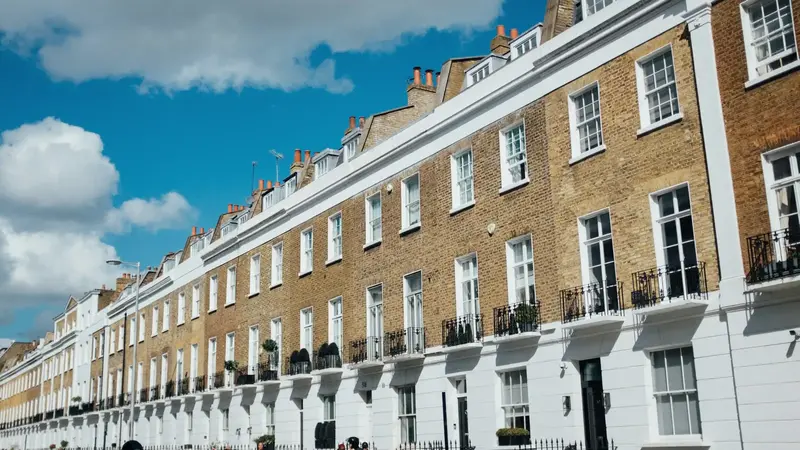
Bridging makes sense when you need to complete on a property faster than a mortgage lender can move, or when the property…
Choose a secured business loan when you need a larger sum over a longer term and have property or asset equity you are…
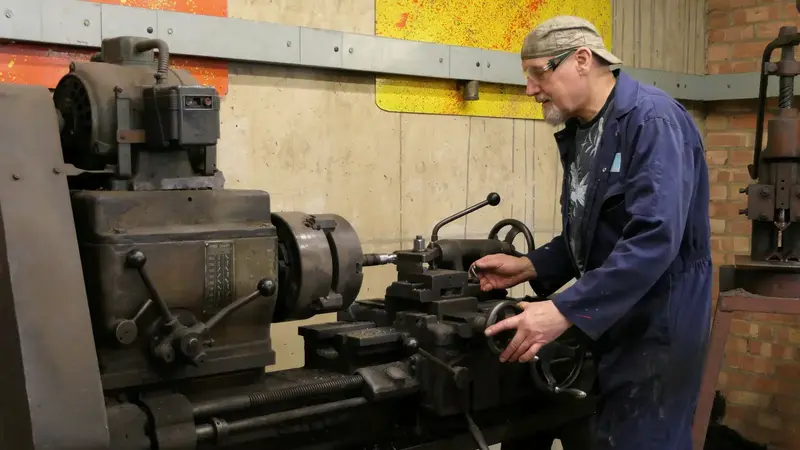
Asset based lending is a revolving business facility secured on a company's working assets, usually trade debtors plus stock,…
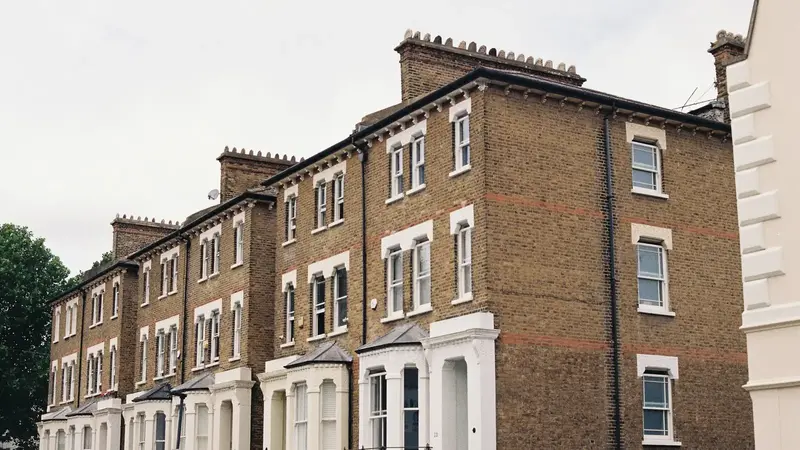
Refurbishment finance is short-term bridging that funds the purchase or ownership of a residential or commercial property plus…
Most sole traders can borrow for tools, vans, stock or a quiet month, but fewer lenders serve them than limited companies.…
Borrowing is usually worth it when the money has a specific job, such as equipment, stock or a new site, the expected return…
What our clients say
“Simon has been fantastic in supporting my business to secure suitable funding across several deals. He is fair and always gives advice that is in the best interest of his clients. I would recommend them to anyone.”
“Simon was fast, kept us updated at all stages and was a real pleasure to work with on our asset finance. I highly recommend this company: excellent service all round.”
“Spoke with Simon, who managed to get me the loan I needed promptly. The whole process was very smooth and was completed within a few days.”
“Getting a business loan can feel like a bit of a minefield, but everything was broken down for me in great detail. Will use again in the future!”
“Simon was a pleasure to deal with and helped us find a business loan that matched our growth goals and future expansion plans.”
“I couldn’t source funding for my business, but the team got in touch within an hour and had it sorted within 24 hours. Fantastic service, and I would definitely use them again.”

Chat with Smart Funding
We usually reply in seconds
Please don't share bank details or passwords here. Calls on 01244 267694.