
Bed and breakfast loans: how to buy, set up and finance a B&B
Most people buy a trading B&B with a commercial or semi-commercial mortgage, because the owner lives on site and the lender…

How guesthouse owners fund en suites, energy upgrades, refinancing and winter cash flow, and where commercial lending stops for owner-occupied property.
Explore funding options Prefer a quick call back? Leave your number
“I would recommend them to anyone.”
In short
Supporting guesthouse businesses at every stage.
Lenders look at net room revenue after booking-site commission, the number of en suite rooms and how much of the building is the owners' home, because where living space is large the loan may become a regulated mortgage rather than commercial finance.
The operating cycle
Cash leaves the business at every stage before it comes back. Each stage below is a point where the right facility can carry the gap.
“I highly recommend this company: excellent service all round.”
Orders, contracts or customers secured.
Stock, materials and equipment paid for up front.
Asset finance →Wages and suppliers paid on time.
Working capital →The work is done or the goods are sold.
Customers pay, sometimes weeks later.
Invoice finance →VAT and Corporation Tax fall due.
HMRC loans →Growth, a new site or new equipment.
Business loans →A transaction we arranged
£95,000
£95,000 for a serviced accommodation business, matched to the right lender.
Working capital for property setup, furnishing, deposits and operating costs across serviced accommodation units.
Read the transactionAbout guesthouse finance
Specialist knowledge. Better outcomes.
This page is for owners of established guesthouses and small bed and breakfast businesses who want to upgrade rooms, refinance, extend or steady cash flow through the winter. Many are run by a couple as a partnership or sole trader, with the owners living on the premises. Smart Funding Solutions is a broker, not a lender: we search our panel of 300+ lenders for business facilities from £10,000 to £20 million. If you are still buying or setting up a B&B, start with our bed and breakfast loans guide; the wider sector is covered in our hospitality business loans hub.
Choose the need, and we’ll show you how lenders usually structure it.
A guesthouse has very few rooms, so each one matters. With six letting bedrooms, taking one out of service for a refit removes a sixth of capacity, and adding a single en suite room can lift income noticeably. Income is mostly room revenue, with breakfast included and sometimes evening meals or packed lunches. A share of bookings arrives through online travel agents that deduct commission, so the room rate on the booking is not what reaches the bank.
The cost base is lean but rigid: utilities, laundry, insurance, food, maintenance and, where the owners live in, very little paid labour. Owners often run the business below the VAT registration threshold on purpose, because registering would mean adding VAT to room prices or absorbing it; HMRC explains the VAT thresholds. A lender reviewing turnover just under the threshold will understand why, but growth plans that tip the business over it need to be priced with VAT in mind.
Most guesthouses include owners' accommodation, and that affects which kind of lending applies. Under the FCA's rules, a loan secured on land where at least 40% is used as a dwelling by the borrower or a related person is generally a regulated mortgage contract; the FCA Handbook guidance on what a regulated mortgage contract is sets out the test. Smart Funding Solutions arranges commercial finance only, so a guesthouse where the private living space reaches that level, or a home with a couple of letting rooms, is outside what we arrange, and a regulated mortgage adviser is the right first call.
Where the building is predominantly a trading guesthouse with a modest owners' flat, lenders treat it as a commercial or semi-commercial property. Business rates follow a similar line: the Valuation Office Agency's guide to the rating of guest houses and B&Bs explains when guest rooms are rated as a business and when the property stays in council tax, which changes both running costs and how a lender views the property.
Secured borrowing on a guesthouse often puts the owners' home at risk as well as the business, so the case for borrowing should be strong. Spending heavily on rooms that the local market will not pay more for is the most common mistake; compare your rates with similar properties first. Owners nearing retirement should consider whether the investment will be reflected in the sale price within the time left. Alternatives include phasing works room by room from cash, using a grant where your council or a regional scheme supports energy efficiency, or asking HMRC for Time to Pay if a tax bill is the real pressure. Our guide to seasonal business finance covers managing the winter gap. Larger properties are covered by our hotel finance page, and owners thinking of trading up can read how lenders assess a hotel purchase.
The number of letting rooms, how many are en suite, and whether the property could work at a higher rate after improvement.
Occupancy and average achieved rate after booking-site commission, month by month, rather than a headline annual figure.
How much of the building is private living space, which determines whether the loan is commercial at all.
In an owner-run guesthouse the profit is the owners' living; lenders check that repayments leave enough for the household.
Valuers look at the property as a going concern, so poor reviews, a dated look or declining trade can lower the figure.
Coastal and rural guesthouses are tested against the quietest months; town-centre properties with weekday business trade less so.
| Situation | Often suitable | Trade-off |
|---|---|---|
| Converting shared bathrooms into en suites, or reconfiguring rooms | Secured term loan or refurbishment finance | Rooms out of action during works; plan it for the off-season |
| Beds, linen, laundry machines, kitchen equipment | Asset finance | Small tickets; some lenders have minimum deal sizes |
| Heat pump, solar panels or insulation to cut energy bills | Renewable energy finance | Savings must be estimated honestly; installation may disrupt trading |
| Moving from an older loan onto commercial terms, or releasing equity for works | Commercial property refinance | Valuation and legal costs; early repayment charges on the old loan |
| Winter wages, rates and a large insurance renewal | Small working capital loan or revolving facility | Repayments still fall in quiet months |
| Extension or annex adding letting rooms | Commercial mortgage top-up or secured loan | Planning consent needed; lender wants costed plans |
Unsecured facilities for guesthouses tend to be modest, because trading profit is small relative to the property's value. For larger projects, secured lending against the building is usually the only route to a sensible term. Borrowing of £25,000 or less by sole traders and small partnerships can be regulated consumer credit, which brings additional protections. Our page on sole trader loans explains the unsecured options for unincorporated owners.
Larger properties can see hotel refinance.
If the business has outgrown the residential mortgage and the private accommodation is well under the regulated threshold, a commercial lender may refinance it. Your existing lender should know about the business use. Where the property is still mainly your home, speak to a regulated mortgage adviser.
Lenders want evidence of trading. Sole traders and partnerships can usually provide self-assessment returns and tax calculations instead of company accounts. Booking system reports help support the figures.
They lend on the current value and trading, but a costed plan showing higher achievable room rates after works can support the case. Valuers may give an estimate of value after completion, which some lenders take into account.
A trading guesthouse is normally valued as an operational business, considering its trade alongside the building. If trade is weak, the value may fall back towards what the building would fetch with vacant possession.
Yes, a small working capital facility or short-term loan can help a guesthouse cover fixed costs such as utilities, insurance and loan repayments through the quieter winter months. Lenders look at your monthly room revenue after booking-site commission, how deep the seasonal dip is and how quickly takings recover in spring. Arranging it in late summer, when trading figures are strongest, usually helps. Our guide to seasonal business finance explains the options.
Yes. Buying an established guesthouse or B&B is usually funded with acquisition finance: a loan sized on the business's recent profits, your own contribution and sometimes part of the price paid to the seller after completion. Lenders look most closely at the trading accounts and occupancy, how much of the value is the house rather than the business, and your experience running one. Our guide to bed and breakfast loans covers buying one. You can see which lenders on our panel fund purchases like yours with Instant Quotes.
Most people buy a trading B&B with a commercial or semi-commercial mortgage, because the owner lives on site and the lender…

Most cafes combine two or three types of finance rather than one loan: equipment finance or leasing for the espresso machine…

Choose hire purchase if you want to own long-life items such as a combi oven or cold room, leasing if you want a lower up-front…
Most street food traders fund the first season from savings and a Start Up Loan, then use asset finance for a trailer,…
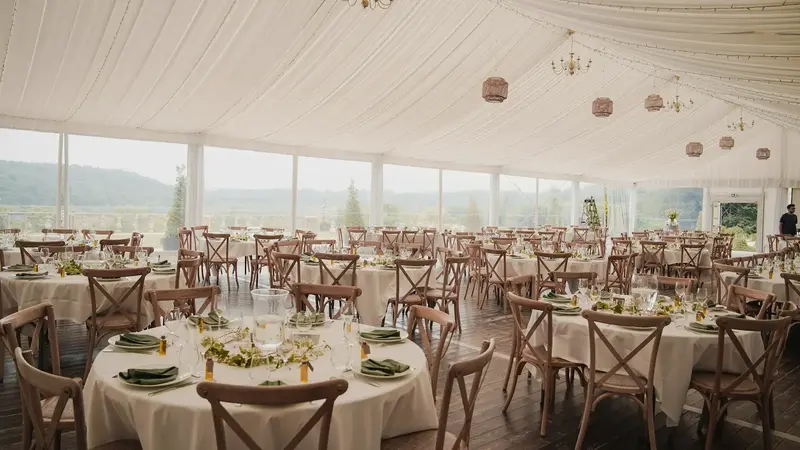
Most wedding and event businesses need finance for two things: kit and timing. Marquees, furniture, lighting and vans usually…

What a pub can borrow depends on how it is held and how it trades. A freehold purchase usually needs a pub or commercial…
What our clients say
“Simon was fast, kept us updated at all stages and was a real pleasure to work with on our asset finance. I highly recommend this company: excellent service all round.”
“Spoke with Simon, who managed to get me the loan I needed promptly. The whole process was very smooth and was completed within a few days.”
“Getting a business loan can feel like a bit of a minefield, but everything was broken down for me in great detail. Will use again in the future!”
“Simon was a pleasure to deal with and helped us find a business loan that matched our growth goals and future expansion plans.”
“I couldn’t source funding for my business, but the team got in touch within an hour and had it sorted within 24 hours. Fantastic service, and I would definitely use them again.”