
How much does it cost to set up a veterinary practice?
Setting up a small-animal veterinary practice commonly runs into the hundreds of thousands of pounds once you add premises fit-out, imaging and…
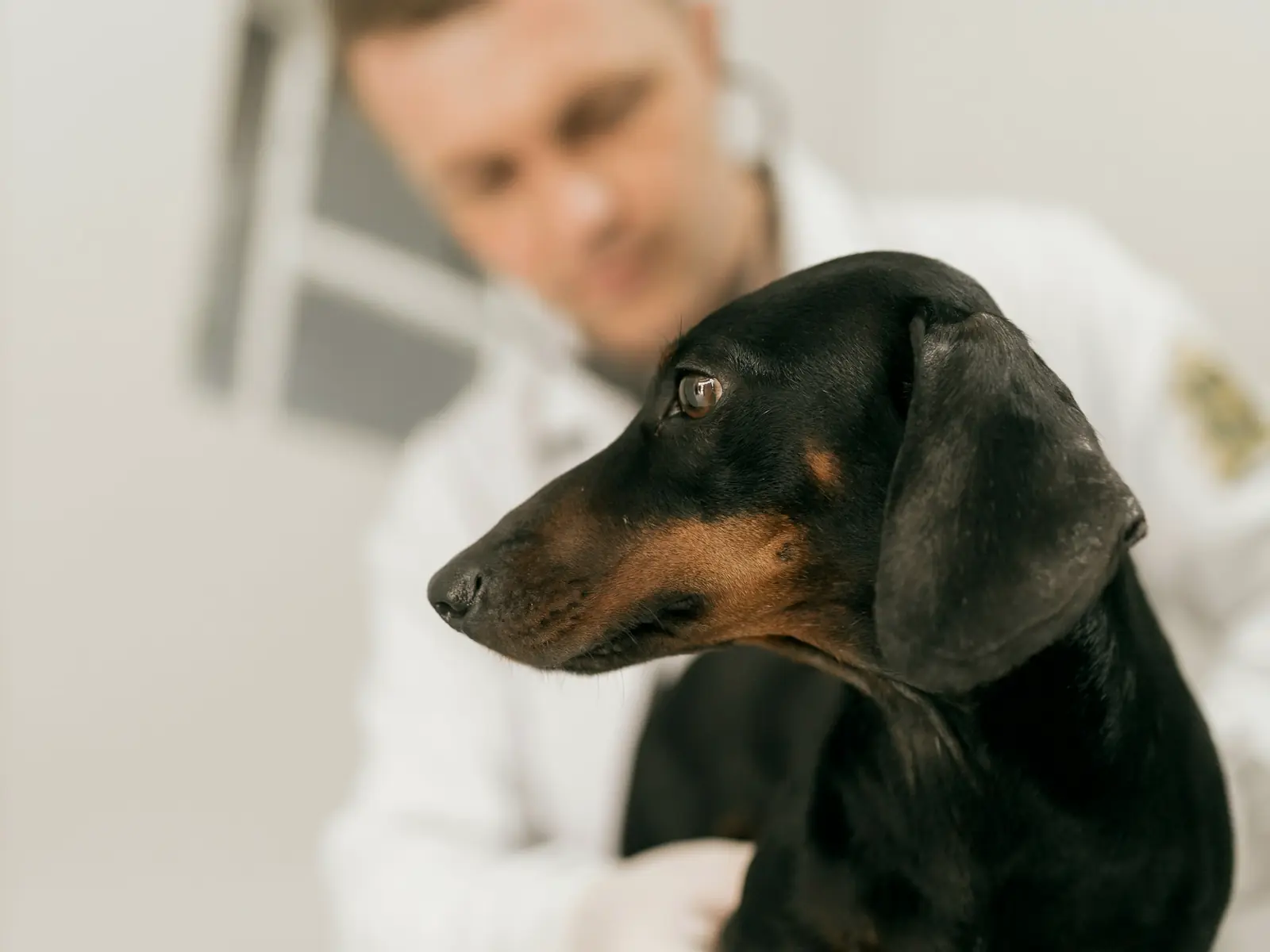
Funding for vets and veterinary practices: imaging and surgical kit, ambulatory vehicles, refits, practice purchases and partner exits, and what lenders check.
Explore funding options Prefer a quick call back? Leave your number
“He is fair and always gives advice that is in the best interest of his clients.”
In short
Supporting practice owners at every stage.
Companion animal clinics with steady card takings have the widest choice, including repayments linked to card sales, while practices with large farm or equine books often need help with the gap while accounts are paid. Imaging, surgical kit and ambulatory vehicles usually go on hire purchase or leasing; acquisitions and partner exits combine the buyer's contribution with a term loan.
Finance across the lifecycle
The funding question changes as a practice moves from its first day to its next owner. These are the points where it usually arises.
“I highly recommend this company: excellent service all round.”
About veterinary practice loans
Specialist knowledge. Better outcomes.
Veterinary practice loans are business finance for vets and veterinary practices: funding for diagnostic and surgical equipment, refurbishments, vehicles, practice purchases, partner buy-outs, insurance premiums and cash flow. Smart Funding Solutions is a commercial finance broker, not a lender. We search a panel of 300+ lenders and approach those whose appetite suits your practice's size and type of work. It is part of our wider practice loans service.
More detail on specific needs within this topic.
Setting up a small-animal veterinary practice commonly runs into the hundreds of thousands of pounds once you add premises fit-out, imaging and…
Veterinary practice acquisition finance funds buying an independent practice, merging with a neighbour or adding a second site. Most deals combine the…
Veterinary equipment finance spreads the cost of digital X-ray, ultrasound, CT, anaesthesia and monitoring, dental units, lab analysers and ambulatory…
Veterinary premises finance: buying or converting practice property
An unsecured business loan provides a lump sum repaid in fixed monthly instalments, without a charge over property or equipment. It can be used for almost any business purpose, from a refit to a smaller acquisition. Lenders usually ask directors or partners for a personal guarantee, and rates tend to be higher than for secured borrowing.
Veterinary equipment is costly and long-lived, which makes asset finance a natural fit. Hire purchase spreads the cost and you own the equipment at the end. Leasing lets you use equipment for a fixed term and upgrade when it dates. Because the equipment secures the agreement, it can be easier to arrange than an unsecured loan of the same size. Vehicles can be funded the same way.
Buying premises, or raising capital against property you already own, can be funded through a commercial mortgage or secured business loan. Security usually supports larger sums and longer terms, but the property is at risk if you fall behind.
Most client payments in companion animal practices are made by card. A merchant cash advance provides an upfront sum repaid as a percentage of future card takings, so repayments flex with how busy you are. It is usually more expensive overall than a term loan, so compare the total repayable.
Short-term tax loans and similar facilities can spread a VAT quarter, a corporation tax bill or an annual insurance renewal into monthly payments, protecting your working capital.
Vet practices earn in several different ways, and lenders look at each. Companion animal clients mostly pay by card at the desk, which gives steady daily takings. Farm and equine clients are often invoiced on account, so money can be outstanding for weeks. Where the practice accepts direct insurance claims, it waits for the insurer to pay. Pet health plans add monthly recurring income that some lenders view favourably. Meanwhile, drug and consumable stock, locum cover and equipment servicing all have to be paid for up front.
A practice with a large farm or equine book may benefit from funding that eases the debtor gap, while a small-animal clinic with strong card takings has more flexible repayment options.
Lenders fund practice acquisitions by looking at the target's accounts, client base, the mix of companion, farm and equine work, staff retention and the purchase price. Most deals combine the buyer's own contribution with a term loan and, where property is included, a commercial mortgage. Allow time for due diligence and for any property valuation and legal work.
Veterinary practices most likely to qualify are run by RCVS-registered vets, have at least one to two years of accounts, steady card and account income, and enough profit to cover repayments alongside existing borrowing; start-ups and buyers are assessed mainly on a business plan and their clinical experience. Lenders look at:
Asset finance for an X-ray system, ultrasound or anaesthesia machine typically completes within one to two weeks of a supplier quote and accounts being provided, with the lender paying the supplier on delivery or installation. Unsecured loans and short-term tax or insurance funding for an established practice often move within a similar timeframe. Practice acquisitions, mergers and partner buy-outs usually take two to four months, because lenders review the target's income mix, client records and staff position, and solicitors handle the sale agreement, property or lease and any partnership changes. Where premises are included, the valuation and conveyancing often set the completion date. Up-to-date management accounts and a clear split of companion, farm and equine income help avoid delays.
The security depends on the product. Unsecured loans and merchant cash advances rely mainly on personal guarantees from the directors or partners, and limited companies are often asked for a debenture as well. Equipment and ambulatory vehicles on hire purchase or lease are secured by the agreement itself, which is why asset finance can be easier to obtain. Commercial mortgages and secured loans take a legal charge over the practice building or other property. Acquisitions typically combine a debenture over the trading company, personal guarantees and, where the freehold is bought, a first legal charge; for a leasehold practice the lender may want the lease assigned and reviewed. Our guide to personal guarantees explains what each partner is taking on.
It is possible. Past credit problems reduce the number of lenders and usually increase the cost, but some lenders focus on current trading and card income. Asset finance can also be easier to arrange because the equipment itself provides security. Our guide to bad credit business loans sets out the options.
A term loan is not always the best tool, and some practices combine several sources.
If you are opening a new practice, our guide to veterinary practice set-up costs covers the budget.
Independent veterinary practices borrow in a market shaped by corporate groups. Lenders take that into account alongside the clinical and regulatory basics.
Two lenders on our panel include veterinary activities in their professions loans, alongside unsecured and asset finance lenders that fund general practices.
Corporate groups have bought a large share of UK practices, and their demand has supported goodwill values. A lender funding an independent purchase asks whether the price assumes a group would pay the same again, and how the loan is repaid if it would not.
The Competition and Markets Authority has completed a market investigation into veterinary services for household pets, and the GOV.UK guidance on what vets need to do after the CMA report explains what practices must now do. Lenders want to see that medicine margins and fee structures still work under those requirements.
Practice premises that store and supply veterinary medicines must be registered with the Veterinary Medicines Directorate and are open to inspection; see registration and inspection of veterinary practice premises. A new site or a relocation has to be registered before it trades.
How the practice provides emergency cover, in house or through a provider, affects costs and staff retention. Underwriters look at locum spend and vacancies, since recruitment pressure in the profession pushes wage costs up.
Tell us what you need to fund and how the practice is structured, whether a limited company, LLP or partnership. We review your accounts, the split between companion, farm and equine income, and your existing commitments, then approach lenders on our panel that suit a practice of your size and work type. We compare the offers with you on cost, term, security and any guarantee; the lender completes its underwriting and makes the final decision, and decisions can come within a few working days once it has everything it needs. It is free to enquire; any broker fee is disclosed separately before you proceed. For issues common to clinical businesses, read our healthcare business loans guide.
Yes, veterinary practice loans can fund a new partner's capital contribution or share of the business, and lenders that understand professional partnerships see this regularly. The loan is often taken personally by the incoming vet and repaid from drawings, so the lender looks at the practice's profits, your expected profit share and your personal credit. Our page on partner buy-in finance explains how these deals are usually structured.
Yes, a vet starting a new practice can often get finance, although lenders take more care than with an established clinic because there is no trading history. They look at your clinical experience, a business plan with realistic projections, how much of your own money is going in and your personal credit. Equipment is usually the easiest part to fund. Our guide to the cost of setting up a veterinary practice helps with budgeting.
Yes, pet health plans add monthly recurring income that some lenders view favourably, because it is predictable and easy to evidence from the plan administrator's reports. Lenders usually ask for membership numbers and how they have changed over time. Strong plan income can support repayment options linked to steady takings, but lenders still assess the whole practice, including the split between companion, farm and equine work and how quickly any account clients pay.
Yes, many vet practices spread professional indemnity and liability premiums rather than paying them in one lump at renewal. The usual routes are premium finance arranged through the insurance broker, or a short-term business loan that can also cover other annual costs such as a VAT quarter. Comparing the total cost of each is worthwhile. Our page on professional indemnity insurance finance sets out the options.

Healthcare practice loans fund private clinics, therapy practices, optometrists, day surgeries and similar providers to buy or…

A partner buy-in loan funds the capital a new partner or LLP member must put into a firm, and sometimes a share of goodwill or…

Healthcare practice acquisition finance funds the purchase of an established private clinic, physiotherapy, aesthetics, private…

Practice refurbishment finance pays for refitting or extending a private clinic without draining its cash reserves. Most…

Accountants usually borrow to buy a block of fees or another practice, to fund a partner joining or retiring, or to cover…

Architects mostly borrow to get through the gaps that stage billing creates: months of design work before a fee lands, projects…
What our clients say
“Simon was fast, kept us updated at all stages and was a real pleasure to work with on our asset finance. I highly recommend this company: excellent service all round.”
“Spoke with Simon, who managed to get me the loan I needed promptly. The whole process was very smooth and was completed within a few days.”
“Getting a business loan can feel like a bit of a minefield, but everything was broken down for me in great detail. Will use again in the future!”
“Simon was a pleasure to deal with and helped us find a business loan that matched our growth goals and future expansion plans.”
“I couldn’t source funding for my business, but the team got in touch within an hour and had it sorted within 24 hours. Fantastic service, and I would definitely use them again.”

Chat with Smart Funding
We usually reply in seconds
Please don't share bank details or passwords here. Calls on 01244 267694.