

Bakery equipment finance: funding ovens, provers and shop fit-outs
Bakery equipment finance spreads the cost of ovens, provers, mixers, slicers and shop counters over fixed monthly payments, usually through hire purchase or…

How UK food and drink producers fund ovens, packing lines, chillers and retailer contracts, and why deductions, audits and perishable stock shape lending.
Explore funding options Prefer a quick call back? Leave your number
“An excellent company that provided funding options quickly.”
In short
Supporting food manufacturing businesses at every stage.
Perishable stock supports very little borrowing, so lenders lean on equipment values and the sales ledger instead. They look closely at audit status, customer concentration, retailer deductions and whether ingredient and energy costs can be passed on.
The operating cycle
Cash leaves the business at every stage before it comes back. Each stage below is a point where the right facility can carry the gap.
“He is fair and always gives advice that is in the best interest of his clients.”
Orders, contracts or customers secured.
Stock, materials and equipment paid for up front.
Asset finance →Wages and suppliers paid on time.
Working capital →The work is done or the goods are sold.
Customers pay, sometimes weeks later.
Invoice finance →VAT and Corporation Tax fall due.
HMRC loans →Growth, a new site or new equipment.
Business loans →A transaction we arranged
£50,000
Declined by several lenders. £50K funded by the right one.
Existing borrowing and historic profit failed several lenders’ standard credit models. We took the case to a different lender and got it funded.
Read the transactionAbout food manufacturing finance
Specialist knowledge. Better outcomes.
This page is for UK food producers: craft and plant bakeries, meat and poultry processors, dairies, ready-meal and sauce makers, confectioners and snack manufacturers, whether they sell to supermarkets, wholesalers, foodservice or direct. Smart Funding Solutions is a broker, not a lender: we look across our panel of 300+ lenders for asset, invoice and working capital finance that suits a food business, and arrange facilities from £10,000 to £20 million. For how manufacturers in general fund each stage of production, start with our manufacturing finance hub.
More detail on specific needs within this topic.
Bakery equipment finance spreads the cost of ovens, provers, mixers, slicers and shop counters over fixed monthly payments, usually through hire purchase or…
Meat processing equipment finance funds saws, mincers, packing lines, chillers, blast freezers and refrigerated vehicles through hire purchase, leasing or…
Choose the need, and we’ll show you how lenders usually structure it.
Standard stainless-steel food equipment from recognised manufacturers, such as rack and deck ovens, spiral mixers, bowl choppers, vacuum packers and metal detectors, has an active used market and suits asset finance on hire purchase or lease. Lines engineered for one product, cold-room panels built into the building and refrigeration plant piped through the site are harder to recover, so lenders fund them more cautiously or as part of a wider package. Our machinery finance page explains how lenders value plant.
Invoice finance works well for producers selling to wholesalers, caterers and retailers on 30 to 60 day terms, as long as the provider understands deductions. Expect the provider to review several months of remittances against invoices, to set the advance rate with dilution in mind, and to ask how credit notes are raised. Keeping clean delivery records, with signed proof of delivery and temperature logs, speeds up funding and reduces disputes.
For seasonal builds and launches, a revolving facility or short-term working capital loan pays for ingredients and packaging and is cleared as the season's invoices are paid. Size it to the peak, not the average, and check how quickly it can be repaid once the season ends.
Heat recovery from ovens and refrigeration, heat pumps, solar arrays and more efficient compressors can cut running costs noticeably in a food plant. These projects can be funded through renewable energy finance, with the case built on the energy saving.
Refrigerated vans and trucks are funded like other commercial vehicles, although the refrigeration unit and insulated body add cost and affect resale. Our page on vehicle and fleet finance sets out the agreement types.
A lender looking at a food manufacturer sees the same cycle as any factory, with four twists that change what it will do.
Our case study on a £322,185 growth facility for a food manufacturer shows funding for production capacity, stock and larger orders.
Food producers are sometimes declined by lenders whose automated models read thin margins and existing asset finance as risk. In our bakery funding after declines case, an established bakery with existing borrowing and historic profit that failed several lenders' standard credit models was funded £50,000 by a different lender once the case was taken to them. A decline reflects one lender's appetite; see our guide to finance after declines and adverse credit for how to approach the next application.
Businesses handling meat, fish, dairy or egg products usually need approval as a food establishment rather than simple registration. Lenders may ask for the approval number and recent inspection outcomes.
The current certificate, grade and any non-conformances outstanding.
A producer selling mainly to one supermarket carries listing risk. Large grocery retailers are subject to the Groceries Supply Code of Practice, overseen by the Groceries Code Adjudicator, which gives direct suppliers some protection but does not guarantee a listing continues.
Whether contracts allow cost price increases, how often you have secured them, and how much waste and giveaway the business runs.
A past recall is not an automatic barrier, but lenders will want to know what changed afterwards and whether product recall insurance is in place.
Food businesses often carry several asset agreements. Lenders look at total commitments against cash flow, not just the new request.
We look at where your cash is held: in equipment, in the ledger or in seasonal stock. We then approach lenders on our panel that fund food production, explaining your audit status, customer mix and deduction patterns in the way each one assesses them, and compare offers with you on cost, security and flexibility. Lenders make the decision. It is free to enquire; any broker fee is disclosed separately before you proceed. Brewers, distillers and packaging converters have their own pages: brewery finance, distillery finance and packaging finance.
Yes. Used ovens, mixers, slicers and packing machines from recognised makers are widely funded, particularly through dealers who can confirm age, condition and ownership. Lenders may shorten the term for older equipment. Budget separately for refurbishment, hygiene certification and installation.
Many will, because large retailers are strong payers. The provider will study your deduction history, since promotional charges and claims reduce the cash received against each invoice. Clean paperwork and a record of resolving claims quickly help the provider set a better advance.
Not quite. A restaurant or catering kitchen serves the public directly, while a manufacturer supplies other businesses and is judged on its customer contracts, audit status and ledger. If you cook for your own outlets, our guide to commercial kitchen equipment finance is the better fit.
Yes, but lenders see heavy reliance on one retailer as a concentration risk. They look at the length of the supply agreement, the retailer's payment record, dilution from promotions and deductions, and your food safety audit grade. Some invoice finance providers will fund a concentrated ledger with a lower advance. Our page on high concentration invoice finance explains how this works.
Yes, food manufacturing finance can fund a new or expanded unit through a commercial mortgage if you are buying premises, a fit-out loan for a leased unit, and asset finance for ovens, chillers and packing lines. Lenders look at contracts or listings that justify the extra capacity, your trading history and cash flow forecasts. See our page on fit-out and refurbishment finance for leased premises.
Yes. Buying an established food manufacturer is usually funded with acquisition finance: a loan sized on the business's recent profits, your own contribution and sometimes part of the price paid to the seller after completion. Lenders look most closely at the customer contracts and supermarket or foodservice listings, food safety accreditations, the condition of the production lines and the stock. Registration of the food business has to be in your name before you trade. You can see which lenders on our panel fund purchases like yours with Instant Quotes.
Large growth facility for production capacity, stock, supplier terms and fulfilment of larger customer orders.
Electrical equipment manufacturers typically fund surface-mount lines, test rigs and wiring equipment through asset finance,…

Distillery finance usually splits into three parts: asset finance for stills, mash tuns and bottling lines; working capital for…
Oil and gas service companies usually fund rental tools, inspection kit, lifting equipment and offshore containers through…
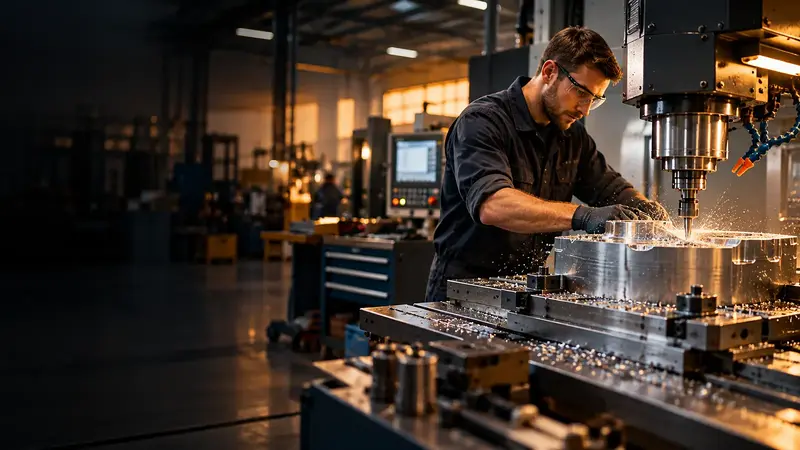
Engineering business loans usually combine asset finance for machine tools and fabrication equipment with a working capital…
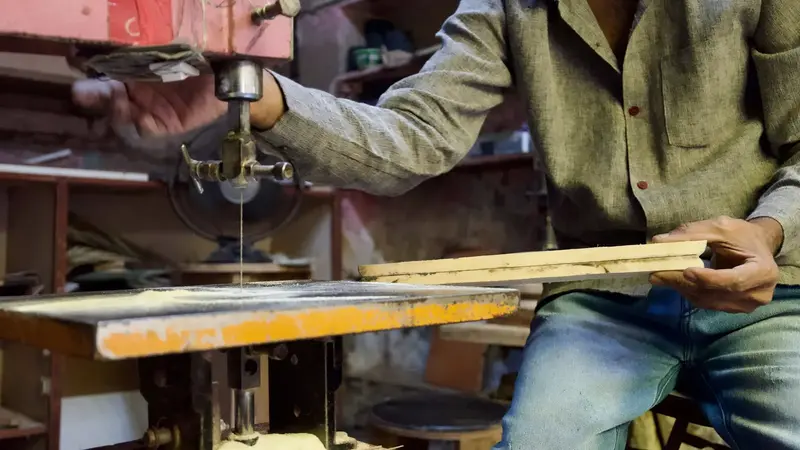
Woodworking machinery finance is usually hire purchase or leasing for CNC routers, beam saws, edgebanders and moulders, secured…
Packaging machinery finance usually means hire purchase or leasing for converting equipment such as die-cutters, folder-gluers…
What our clients say
“Simon was fast, kept us updated at all stages and was a real pleasure to work with on our asset finance. I highly recommend this company: excellent service all round.”
“Spoke with Simon, who managed to get me the loan I needed promptly. The whole process was very smooth and was completed within a few days.”
“Getting a business loan can feel like a bit of a minefield, but everything was broken down for me in great detail. Will use again in the future!”
“Simon was a pleasure to deal with and helped us find a business loan that matched our growth goals and future expansion plans.”
“I couldn’t source funding for my business, but the team got in touch within an hour and had it sorted within 24 hours. Fantastic service, and I would definitely use them again.”