
£250,000 business loan: how lenders assess a quarter-million request
A £250,000 business loan is usually a term loan, or a combination of facilities, repaid over several years. At this size…
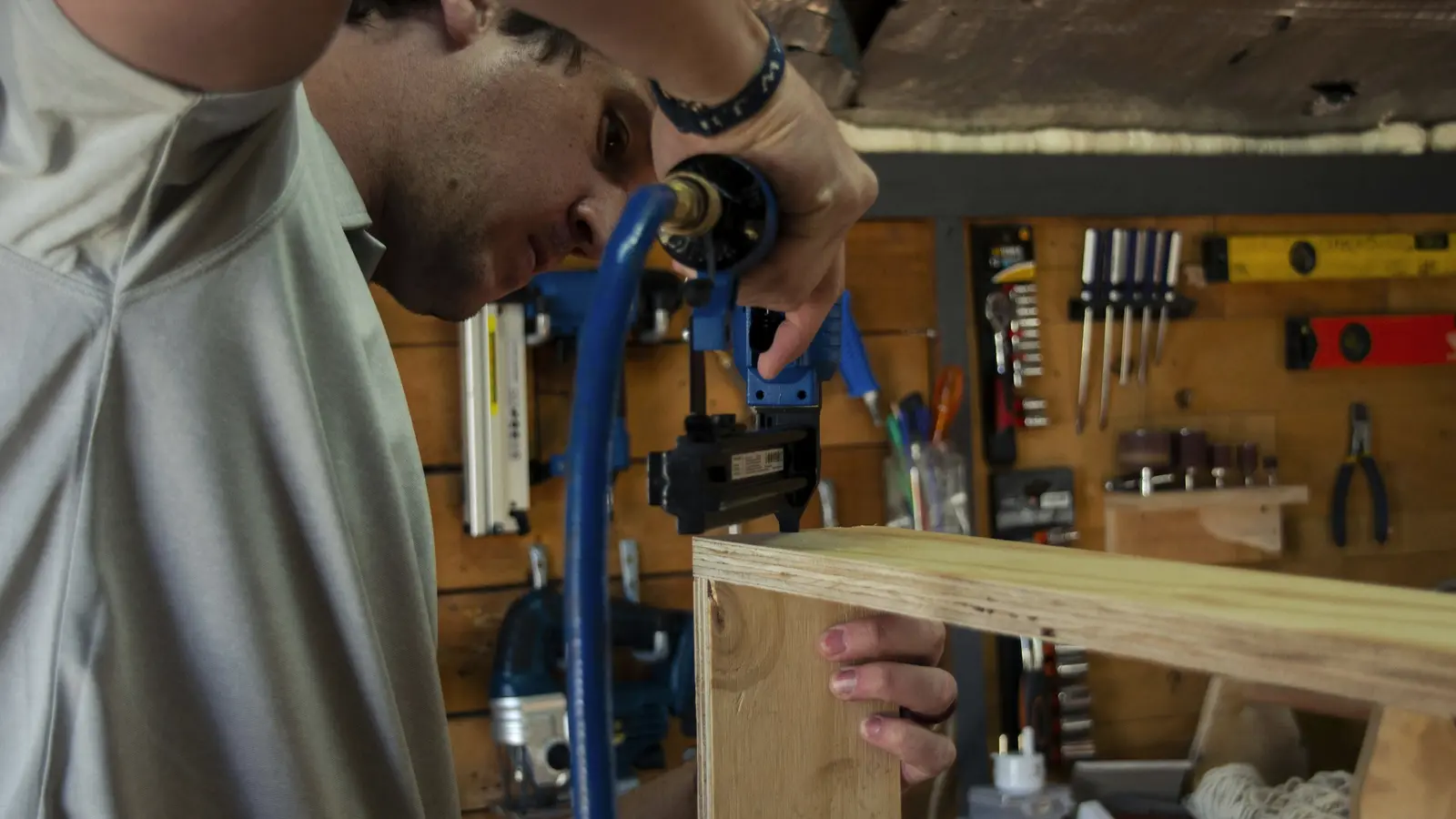
Freelancer, contractor or sole trader? Learn how lenders assess self-employed income, which documents prove it, what loans are available and how to apply.
Explore funding options Prefer a quick call back? Leave your number
“Amazing, easy to talk to and extremely helpful.”
In short
What you need to know.
Lenders read that income from Self Assessment calculations, bank statements and, for contractors, company accounts and current contracts. Uneven earnings are usually averaged or assessed on the lower year, so filing on time, keeping a separate business account and being able to explain quiet months all help.
Business loans should be used for business purposes. For purely personal spending, a personal loan is usually more appropriate.
About self-employed business loans
Specialist knowledge. Better outcomes.
Self-employed business loans are finance for people who work for themselves: sole traders, freelancers, contractors and owners of small one-person limited companies. They work like other business loans, with a sum repaid plus interest over an agreed term. The difference is how you prove your income: lenders look at trading records and tax returns rather than payslips, and they want to see that earnings are steady enough to cover repayments.
Some lenders treat self-employed applicants as higher risk, particularly where income rises and falls. Smart Funding Solutions is a broker: we approach the lenders on our panel of 300+ that are comfortable with self-employed income and suited to your circumstances. For all funding types, see our business finance overview.
Yes. A sole trader can spread a Self Assessment bill with a specialist income tax loan or an unsecured business loan, or ask HMRC for a payment plan where the amount and record allow. A tax lender either pays HMRC directly or pays you to settle it, and you repay in monthly instalments. Smart Funding Solutions is a whole-of-market commercial finance broker, so we search the lenders that fund personal tax bills for the self-employed and say at the outset if the borrowing would be regulated.
The 31 January deadline can carry two payments together, the balancing payment for the last tax year and the first payment on account for the current one, with a second payment on account due by 31 July. A strong trading year therefore lifts the next bill twice. HMRC sets out the dates and the ways to pay on its Self Assessment payment page.
Borrowing of £25,000 or less by a sole trader, or by a partnership of two or three partners, can be regulated consumer credit, which brings extra protections and a different group of lenders.
That depends on the size of the bill and what else you owe HMRC. You can set up a Self Assessment payment plan online if you owe £30,000 or less, are up to date with your returns and have no other tax debts or HMRC payment plans, and the instalments include interest at the Bank of England base rate plus 4%. Outside those limits you can still phone HMRC to ask about a plan. A loan clears HMRC in one payment, which can suit a bill above the online limit or a sole trader who also needs working capital. Our guide to Time to Pay against a tax loan compares the two, and income tax loans explains how the specialist lenders structure them. Instant Quotes lists the panel lenders that may fund a Self Assessment bill, and it runs no credit search.
Most self-employed business loans are unsecured: sole traders are personally liable for the debt anyway, and a contractor's limited company usually borrows with a personal guarantee from the director. Larger sums may need property as security, and asset finance is secured on the item being bought.
No asset is pledged, though limited company contractors will usually be asked for a personal guarantee, and sole traders are already personally responsible for business debts. Unsecured loans are the most common route for smaller amounts and tend to cost more than secured borrowing. See unsecured business loans.
Property or other assets are used as security. This can allow larger sums, longer terms and lower costs, but the asset is at risk if you cannot keep up repayments. If you secure a loan against your home, be confident you can afford it.
The main alternatives to a term loan for self-employed borrowers are asset finance, merchant cash advances, invoice finance and revolving credit, each suited to a different way of earning:
For many applicants it helps. Sole traders and landlords now keep digital records and send HMRC quarterly updates through compatible software once their qualifying income passes the threshold, and that software gives a lender current figures instead of a return that may be a year old. Lenders still rely on filed returns and bank statements, so the quarterly figures support an application rather than replace them. We put your latest trading figures in front of the lenders on our panel that will consider them.
Qualifying income is self-employment and property income before expenses, so turnover decides it, not profit. HMRC's page on when you need to use Making Tax Digital for Income Tax covers the details and exemptions, and the rules apply across the UK.
Not on their own. A quarterly update is a running summary of income and expenses, and the year is only settled once the tax return is filed. Lenders that look at current trading read the updates alongside your bookkeeping reports and bank statements, which helps where this year is well ahead of the last return, or where a quiet year is behind you. A newer business can look at start-up business loans, and sole trader loans covers general borrowing. To see which lenders might quote before anyone checks your credit file, start with Instant Quotes.
Most lenders will consider anyone trading for themselves in the UK who can show steady income from tax returns, accounts or bank statements, and whose personal credit and existing commitments leave room for the repayments. That includes:
An unsecured self-employed loan typically takes a few days to two weeks from a complete application, and a secured loan takes several weeks. The biggest factor is how quickly you can evidence income: having your latest Self Assessment return filed, SA302s and tax year overviews downloaded from your HMRC online account, and statements from the account your income actually goes into avoids most delays. CIS subcontractors should have their monthly payment and deduction statements to hand. Regulated agreements for sole traders and small partnerships involve extra affordability checks and pre-contract information. Where property is offered as security, the valuation and legal work set the pace rather than the credit decision.
Possibly. Adverse credit makes finance harder to find and usually more expensive. Before applying, check your credit file, settle any outstanding arrears where you can and consider whether more debt is the right move. Some lenders focus on current trading and affordability rather than past problems. See bad credit business loans.
Borrowing of £25,000 or less by a sole trader or small partnership can be regulated consumer credit, which brings additional protections. Loans to a contractor's limited company are usually unregulated business lending. The lender will confirm which applies.
Interest on business borrowing and other allowable expenses can reduce your taxable profit. Check GOV.UK guidance on self-employed expenses or speak to your accountant.
Most lenders want evidence that your income is both sufficient and sustainable. Expect them to look at:
SA302 tax calculations and tax year overviews from HMRC, usually for the latest one or two years.
recent months showing money coming in regularly, and how you manage existing commitments.
for contractors with a limited company, filed and management accounts.
current contracts, day-rate agreements or regular clients help show income will continue.
some lenders accept one to confirm recent earnings.
and existing debts.
Uneven income doesn't rule you out, but lenders will usually average your earnings or use the lower year. Keeping business income in a separate account, filing tax returns on time and being able to explain seasonal dips all make your case easier to assess.
How the main business finance structures work. Lenders set their own terms, so treat this as a guide to the questions to ask.
| Option | How you repay | Security | Often used for |
|---|---|---|---|
| Unsecured business loan | Fixed instalments, usually monthly | No charge over assets; a personal guarantee is usually required | Growth, stock, tax bills and cash flow |
| Secured business loan | Fixed instalments, often over a longer term | A charge over property or other assets | Larger sums, property and refinancing |
| Revolving credit facility | Interest on what you draw; repay and redraw | Varies by lender and case | Recurring or uneven cash flow gaps |
| Merchant cash advance | A share of future card takings | No charge over assets | Card-taking businesses with uneven months |
| Asset finance | Regular payments over the life of the asset | The asset being financed | Equipment, vehicles and machinery |
| Invoice finance | Settled as customers pay their invoices | Your unpaid invoices | Businesses waiting on customer payment |
General information only. Every lender has its own criteria, and all finance is subject to status.
If you are self-employed you can apply for a personal loan or a business loan, and the right choice depends on what the money is for. A personal loan is for personal spending and is assessed on your household finances; a self-employed business loan is for the business and is assessed on your trading income. Either way, lenders want proof of self-employed income rather than payslips.
| Personal loan when self-employed | Self-employed business loan | |
|---|---|---|
| Used for | Personal costs such as home improvements or a private car | Equipment, stock, vans, marketing, cash flow or a tax bill |
| Assessed on | Your declared income and household outgoings | Trading income, bank statements and the purpose of the borrowing |
| Typical providers | Banks and consumer lenders | Business lenders, asset finance providers and specialist lenders |
| Regulation | Regulated consumer credit | £25,000 or less to a sole trader or small partnership can be regulated; company borrowing usually is not |
| Interest as a business expense | No, where the spending is personal | Interest on business borrowing can reduce taxable profit |
Some consumer lenders are cautious with self-employed applicants and may want a longer run of tax returns than a business lender would. Using a personal loan for business spending also blurs your records, so where the money is for the business, a business product is usually the cleaner route. We arrange business finance only; for a personal loan, go to a bank or consumer lender directly.
A secured loan uses property, often your home, as security and can allow larger sums and longer terms than unsecured borrowing. Lenders still check that your self-employed income covers the repayments, and a valuation and legal work are needed, so it takes longer to arrange. Your home is at risk if you cannot keep up repayments, and a loan secured on your home may be regulated. See secured business loans.
We talk through what you need and how your income comes in, then look at your tax returns, bank statements and any contracts the way an underwriter would: which year a lender is likely to use, how CIS deductions or dividend income will be read, and whether gaps between contracts need explaining. We then approach only lenders comfortable with self-employed income, rather than applying widely, and compare any offers with you on total cost, term and guarantees. The lender makes its checks and decision, and you are under no obligation to accept. It is free to enquire; any broker fee is disclosed separately before you proceed. When you have your SA302s ready, you can apply online.
It varies by lender. Many prefer one to two years of tax returns or filed accounts so they can see a pattern of income, while some specialist lenders will look at a shorter record supported by bank statements and contracts. If you have traded for only a few months, options are narrower, and start-up finance or asset finance may be more realistic.
Yes, freelancers and contractors on day rates can borrow, and current contracts, day-rate agreements and regular clients help show that income will continue. Lenders still want Self Assessment calculations or, for a limited company, filed and management accounts, plus recent bank statements. Gaps between contracts are not a barrier on their own, but lenders will want to see how you manage them. Freelancers who invoice businesses on credit terms may also suit selective invoice finance.
Not always, but it helps. Some lenders will assess a sole trader through a personal account, while others, particularly card-based lenders, prefer a separate business account. Keeping business income in its own account makes your earnings easier to read and shows how you manage commitments. Where personal and business spending are mixed, lenders can struggle to see your true income. Our page on business bank accounts covers the options.
Yes, existing personal commitments do not rule you out, but lenders check that your income leaves room for the new repayments after them. They look at your personal credit file, mortgage or rent, car finance and card balances alongside your business income. High card balances or missed payments reduce options more than a well-managed mortgage. Combining existing business debts into one repayment can sometimes help; see debt consolidation loans.
Yes. A self-employed business loan is for business purposes such as equipment, stock, marketing or cash flow, and is assessed on your trading income, while a personal loan is for personal spending. For sole traders the line can feel blurred, because you are personally liable for business debts either way, but lenders ask what the money is for and assess it on that basis. Our page on sole trader loans explains liability and regulation in more detail.
Yes, self-employed people regularly get van finance, usually through hire purchase or leasing rather than a loan. Because the van itself secures the finance, it is often one of the more accessible options for sole traders and newer businesses, sometimes with a larger deposit. Lenders look at the van's age and value, your Self Assessment returns or bank statements, and your personal credit file.
Not usually, because every responsible lender needs evidence that you can afford the repayments. If your latest tax return is not yet filed, some lenders will work from recent bank statements, an accountant's letter or current contracts instead of SA302s. Filing your return and downloading your tax year overview from your HMRC online account is the quickest way to widen your options.
It can be. Some personal loan lenders are cautious with self-employed applicants because income varies, and they may ask for more years of tax returns or average your earnings. Business lenders that specialise in self-employed income are often more comfortable reading Self Assessment figures and bank statements. If the money is for the business, a self-employed business loan or asset finance may be the easier route. We arrange business finance, not personal loans.
Yes. Lenders will look at your self-employed income as well as the target's trading, and will expect a contribution of your own. Buying through a new limited company is common. See acquisition finance and sole trader loans, and check your matches with Instant Quotes.
Yes. A specialist income tax loan or an unsecured business loan can spread a Self Assessment bill over monthly instalments, and HMRC payment plans are another route where the amount and record allow. Lenders ask for recent SA302s or tax year overviews, bank statements, the HMRC statement and a credit check. Borrowing of £25,000 or less by a sole trader can be regulated consumer credit. Smart Funding Solutions, a whole-of-market commercial finance broker, searches lenders that fund personal tax bills.
It depends on the bill and what else you owe. HMRC lets you set up a Self Assessment payment plan online if you owe £30,000 or less, are up to date with your returns and have no other tax debts or payment plans, with interest at the Bank of England base rate plus 4%. Outside those limits you can phone HMRC. A tax loan pays HMRC in one go, which can suit a larger bill or a sole trader who also needs working capital.
It can help. Sole traders and landlords whose qualifying income passes the threshold keep digital records and send HMRC quarterly updates through software, which gives lenders current trading figures. The thresholds are over £50,000 from 6 April 2026, over £30,000 from 6 April 2027 and over £20,000 from 6 April 2028, based on income before expenses. Lenders still rely on filed returns and bank statements, so the updates support an application rather than replace them.
Not on their own. A quarterly update is a running summary, and the year is only settled when the tax return is filed. Lenders that consider current trading read the updates with your bookkeeping reports and bank statements, which helps when this year is well ahead of the last return.
A £250,000 business loan is usually a term loan, or a combination of facilities, repaid over several years. At this size…
Affordability usually decides the outcome. An underwriter reads recent bank statements and accounts to see whether the business…
A £100,000 business loan is usually a term loan repaid monthly over about one to six years. Established businesses with two or…
Most small firms borrow through an unsecured loan backed by a director's guarantee, a secured loan against property, or a…
The financial ratios lenders look at fall into three groups. Profitability: EBITDA and its margin and trend. Debt capacity:…
Most sole traders can borrow for tools, vans, stock or a quiet month, but fewer lenders serve them than limited companies.…
What our clients say
“Simon was fast, kept us updated at all stages and was a real pleasure to work with on our asset finance. I highly recommend this company: excellent service all round.”
“Spoke with Simon, who managed to get me the loan I needed promptly. The whole process was very smooth and was completed within a few days.”
“Getting a business loan can feel like a bit of a minefield, but everything was broken down for me in great detail. Will use again in the future!”
“Simon was a pleasure to deal with and helped us find a business loan that matched our growth goals and future expansion plans.”
“I couldn’t source funding for my business, but the team got in touch within an hour and had it sorted within 24 hours. Fantastic service, and I would definitely use them again.”

Chat with Smart Funding
We usually reply in seconds
Please don't share bank details or passwords here. Calls on 01244 267694.