
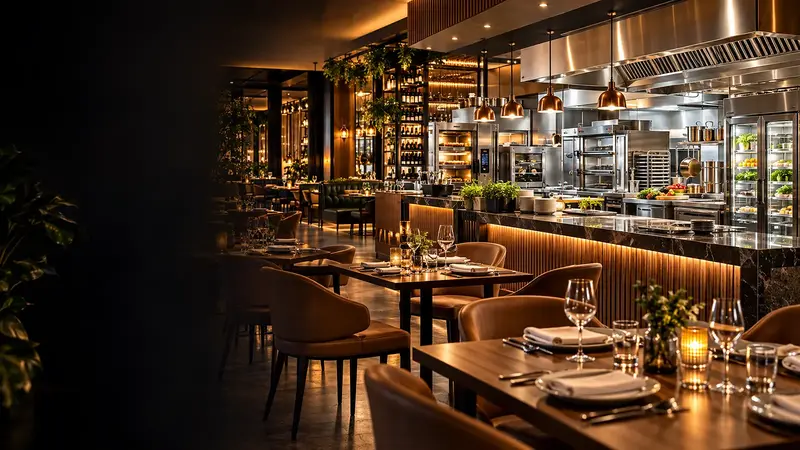
Commercial kitchen equipment finance for UK hospitality
Choose hire purchase if you want to own long-life items such as a combi oven or cold room, leasing if you want a lower up-front cost or regular…

Finance for hotels, restaurants, pubs, cafés and breweries: which option suits a refit, equipment, seasonal cash flow or buying a venue, and what lenders check.
Explore funding options Prefer a quick call back? Leave your number
“Thank you for all your support.”
In short
What you need to know.
Kitchen, bar and brewing kit usually suits asset finance; a refit suits a term loan; seasonal dips suit revolving credit or a merchant cash advance; and buying premises or a venue suits a commercial mortgage or acquisition finance. Lenders pay most attention to off-season affordability, card takings and how long is left on the lease.
Hospitality is capital-intensive and seasonal. Fit-outs are expensive, equipment wears out quickly and cash flow swings between peak and off-peak trading. Common reasons to borrow include:
A transaction we arranged
£50,000
Declined by several lenders. £50K funded by the right one.
Existing borrowing and historic profit failed several lenders’ standard credit models. We took the case to a different lender and got it funded.
Read the transactionAbout hospitality business loans
Specialist knowledge. Better outcomes.
Hospitality business loans are finance for businesses that serve food, drink, accommodation or events: hotels, restaurants, pubs and bars, cafés, B&Bs, breweries, caterers and venues. They pay for kitchen refits, furniture, working capital for the quiet months, a second site or the purchase of an existing venue.
Smart Funding Solutions is a broker, not a lender. We search our panel of 300+ lenders, including high street banks, specialist hospitality lenders and alternative finance providers, and approach those most likely to suit your business. This page sits within our wider SME loans section and links to detailed pages for each type of venue.
Each option suits a different need. Start with the one closest to yours; we will compare the rest for you.
Choose hire purchase if you want to own long-life items such as a combi oven or cold room, leasing if you want a lower up-front cost or regular…

The best restaurant finance depends on what you are paying for. Kitchen equipment and fit-out items usually suit asset finance; a refit or marketing push…
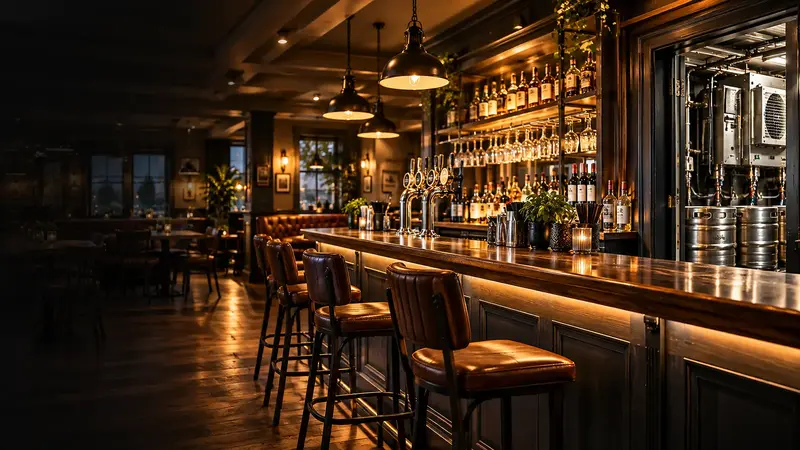
What a pub can borrow depends on how it is held and how it trades. A freehold purchase usually needs a pub or commercial mortgage and a deposit; a…

Brewery finance for breweries, distilleries and drinks producers

Pop-up food business finance: funding a street food stall or food truck

Bed and breakfast loans: how to buy, set up and finance a B&B

Wedding business loans: funding for planners, stylists and event hire

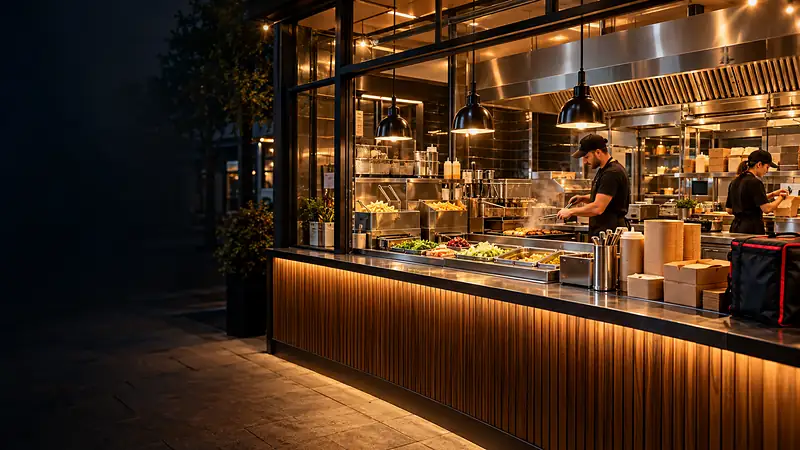
Takeaway business loans: funding for pizza, kebab and curry takeaways and dark kitchens
A lump sum repaid over a fixed term without a charge over property. Lenders usually ask directors for a personal guarantee. Suits refurbishments, marketing and general growth. See unsecured business loans.
Borrowing secured against property or other assets. Security can allow larger amounts and longer terms, and is the usual route for buying or refinancing freehold premises such as a hotel or pub.
Hire purchase or leasing spreads the cost of equipment over its working life, with the equipment itself acting as security. It preserves cash and keeps other credit lines free.
An advance repaid as a percentage of future card takings, so repayments fall in quieter weeks and rise when trade is busy. It suits card-heavy venues with uneven seasonal income, but the total cost is often higher than a term loan. Read more about a merchant cash advance.
Short-term borrowing or a facility you draw on and repay as needed, useful for stock, wages and bills between busy periods.
Funding to buy an existing business. Lenders look at the target's accounts, its debts, the price you are paying and your experience of running a similar venue.
There is no single rate for hospitality finance. The cost depends on the product, amount, term, your credit profile, your trading figures and whether security is offered. Compare the total amount repayable, not just the headline rate, and check for arrangement fees, early repayment charges and whether a personal guarantee is required.
how long the business has traded and whether turnover is steady or growing
bank statements and card terminal data show how money actually comes in, including seasonal patterns
whether the business can cover repayments in the off-season, not just at peak
the business's and directors' credit history; adverse credit narrows the choice but does not always rule finance out
whether you own the freehold or, if leased, how long is left and on what terms, since lenders want the business to stay put for the loan term
property, equipment or a personal guarantee, depending on the product
for start-ups, acquisitions and larger projects, a business plan with realistic forecasts and evidence of hospitality experience
Two lenders can read the same venue very differently. Some have no appetite for wet-led pubs or late-night bars but are comfortable with food-led restaurants and hotels; others cap exposure to hospitality altogether, or will only lend where there is a freehold to take as security. A short lease, a recent change of operator or heavy reliance on one peak season can close some doors while others remain open, which is why the choice of lender matters as much as the figures.
Across hospitality, lenders look at the cost pressures every operator faces and how quickly card income can absorb them.
Our hospitality deals include a £55,000 four-year loan for a café, £125,000 for café staff and stock, £70,000 for a growing food and beverage business and £75,000 for a London restaurant. Late-trading lounges have their own page: shisha bar finance.
The National Living Wage rises each April, and employer National Insurance changes in 2025 added further cost. Lenders test whether margins absorb increases; see current minimum wage rates.
Venues above set capacities will have duties under the Terrorism (Protection of Premises) Act 2025 once it is in force. Lenders may ask how a larger venue plans to comply; see the GOV.UK factsheet.
Daily card income is the clearest record of trade. Lenders that use it can fund cafes and restaurants that banks decline.
How the main business finance structures work. Lenders set their own terms, so treat this as a guide to the questions to ask.
| Option | How you repay | Security | Often used for |
|---|---|---|---|
| Unsecured business loan | Fixed instalments, usually monthly | No charge over assets; a personal guarantee is usually required | Growth, stock, tax bills and cash flow |
| Secured business loan | Fixed instalments, often over a longer term | A charge over property or other assets | Larger sums, property and refinancing |
| Revolving credit facility | Interest on what you draw; repay and redraw | Varies by lender and case | Recurring or uneven cash flow gaps |
| Merchant cash advance | A share of future card takings | No charge over assets | Card-taking businesses with uneven months |
| Asset finance | Regular payments over the life of the asset | The asset being financed | Equipment, vehicles and machinery |
| Invoice finance | Settled as customers pay their invoices | Your unpaid invoices | Businesses waiting on customer payment |
General information only. Every lender has its own criteria, and all finance is subject to status.
| Business type | Typical funding needs | Detailed page |
|---|---|---|
| Restaurants | Kitchen equipment, dining-room refits, second sites, seasonal cash flow | Restaurant loans |
| Pubs and bars | Refurbishment, adding food, cellar and bar equipment, buying a freehold | Pub and bar loans |
| Hotels, B&Bs and guest houses | Room refurbishment, extra rooms, buying or refinancing the property | Hotel finance |
| Breweries | Brewhouse and canning kit, duty and VAT bills, trade-customer invoices | Brewery finance |
| Shisha lounges | Fit-out, ventilation, compliance works, working capital | Shisha bar finance |
We also have focused guides for cafe business loans, fish and chip shop finance, street food and pop-up businesses and commercial kitchen equipment finance.
If you have not opened yet, our guide to getting a loan to start a restaurant explains what lenders expect from a new restaurant with no trading history.
For a small café funded in several steps, see our coffee shop case study.
| Need | Often suitable |
|---|---|
| Kitchen, bar or brewing equipment | Asset finance (hire purchase or leasing) |
| Refurbishment or refit | Unsecured or secured term loan |
| Stock, wages and seasonal dips | Revolving credit, overdraft or merchant cash advance |
| Buying premises or another venue | Commercial mortgage or secured loan |
| Short-term opportunity or urgent repair | Short-term loan or merchant cash advance |
As a rule, match the length of the finance to the life of what it pays for: a refit expected to last several years suits a longer term than a stock purchase that sells within weeks.
We work with sole traders, partnerships, LLPs and limited companies. It is free to enquire; if a broker fee applies, it is disclosed separately before you proceed. When you are ready, start your application online.
Yes, but options are narrower. Lenders offering hospitality business loans to start-ups usually want a detailed business plan, relevant experience, a personal contribution and often a personal guarantee. Asset finance for kitchen and bar equipment can be easier to arrange because the kit secures it. Government-backed start-up schemes may also help. Our page on start-up business loans explains what lenders look for.
It can be possible, though choice narrows and costs usually rise. A merchant cash advance is assessed largely on card takings, and asset finance is secured on equipment, so both can be more accessible than an unsecured loan. Lenders still check credit history and will want past problems explained. Our guide to bad credit business loans covers what lenders consider.
Some hospitality business loans, such as smaller unsecured loans or a merchant cash advance, can be arranged within a few working days in straightforward cases. Commercial mortgages, acquisitions and larger refits take longer because they involve valuations, legal work and more detailed checks. Having recent accounts, bank statements, card takings and a clear plan for the money ready helps speed things up.
Most unsecured hospitality business loans ask directors for a personal guarantee, because fit-outs and stock have limited resale value and trading is seasonal. Secured loans and commercial mortgages rely on property, and asset finance on equipment, but smaller operators are often still asked for a guarantee. Read the terms carefully. Our guide to personal guarantees explains what to check before signing.
Yes. Buying an established pub, café or restaurant is usually funded with acquisition finance: a loan sized on the business's recent profits, your own contribution and sometimes part of the price paid to the seller after completion. Lenders look most closely at the card and bank takings, the lease or freehold, the premises licence and your hospitality experience. See restaurant loans and pub mortgages. You can see which lenders on our panel fund purchases like yours with Instant Quotes.
A pub and B&B wanted secured funding but needed clarity on where the security would sit. The charge went on the trading property.
An existing hospitality client needed more capital. The lender sized it on current card takings and the repayments already running.
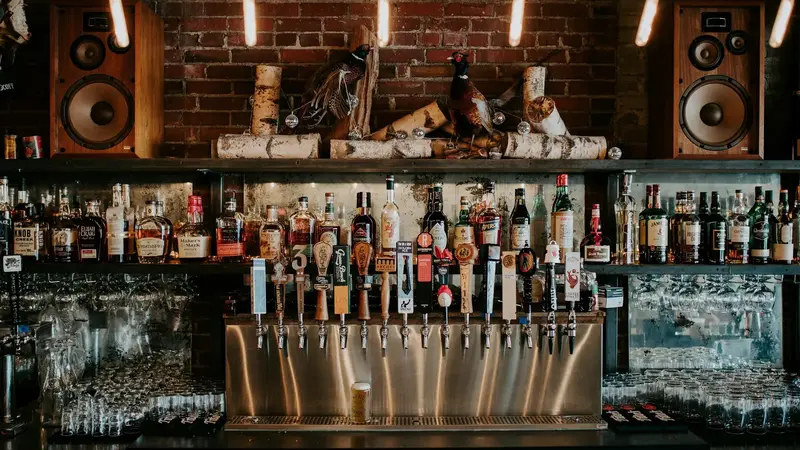
To buy a pub, first decide whether you want the freehold, a free-of-tie lease or a tied tenancy, as this sets how much you need…
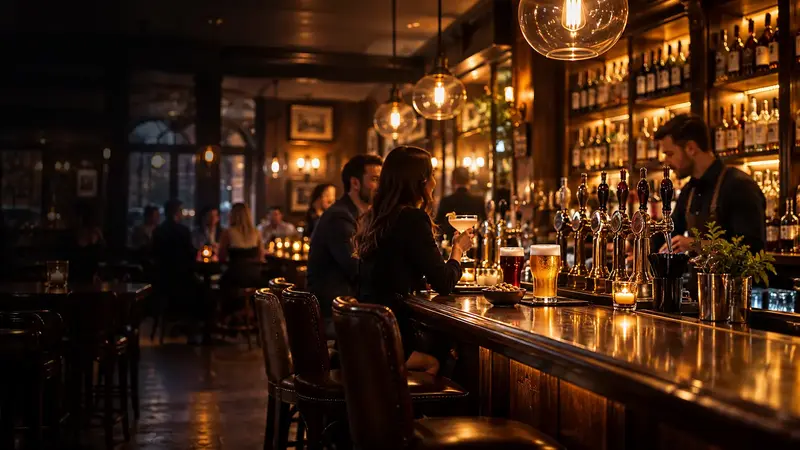
A pub mortgage is a long-term commercial loan used to buy or refinance the freehold of a pub, secured on the property. Lenders…

Most businesses fund solar panels, batteries, heat pumps and EV chargers with hire purchase or leasing, using the equipment as…
Freight forwarders and shipping agents mostly need working capital, because they pay carriers, ports and sometimes duty and VAT…
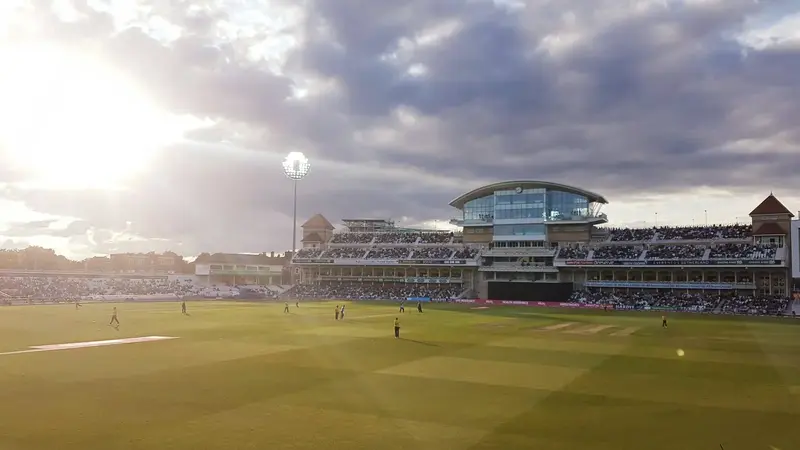
How a sports business is funded depends mostly on whether it is a commercial business or a community club. Commercial venues,…

Tech and media firms are usually funded according to how they earn. Managed service providers with monthly contracts can use…
What our clients say
“Simon was fast, kept us updated at all stages and was a real pleasure to work with on our asset finance. I highly recommend this company: excellent service all round.”
“Spoke with Simon, who managed to get me the loan I needed promptly. The whole process was very smooth and was completed within a few days.”
“Getting a business loan can feel like a bit of a minefield, but everything was broken down for me in great detail. Will use again in the future!”
“Simon was a pleasure to deal with and helped us find a business loan that matched our growth goals and future expansion plans.”
“I couldn’t source funding for my business, but the team got in touch within an hour and had it sorted within 24 hours. Fantastic service, and I would definitely use them again.”

Chat with Smart Funding
We usually reply in seconds
Please don't share bank details or passwords here. Calls on 01244 267694.