

Healthcare practice acquisition finance for private clinics
Healthcare practice acquisition finance funds the purchase of an established private clinic, physiotherapy, aesthetics, private…
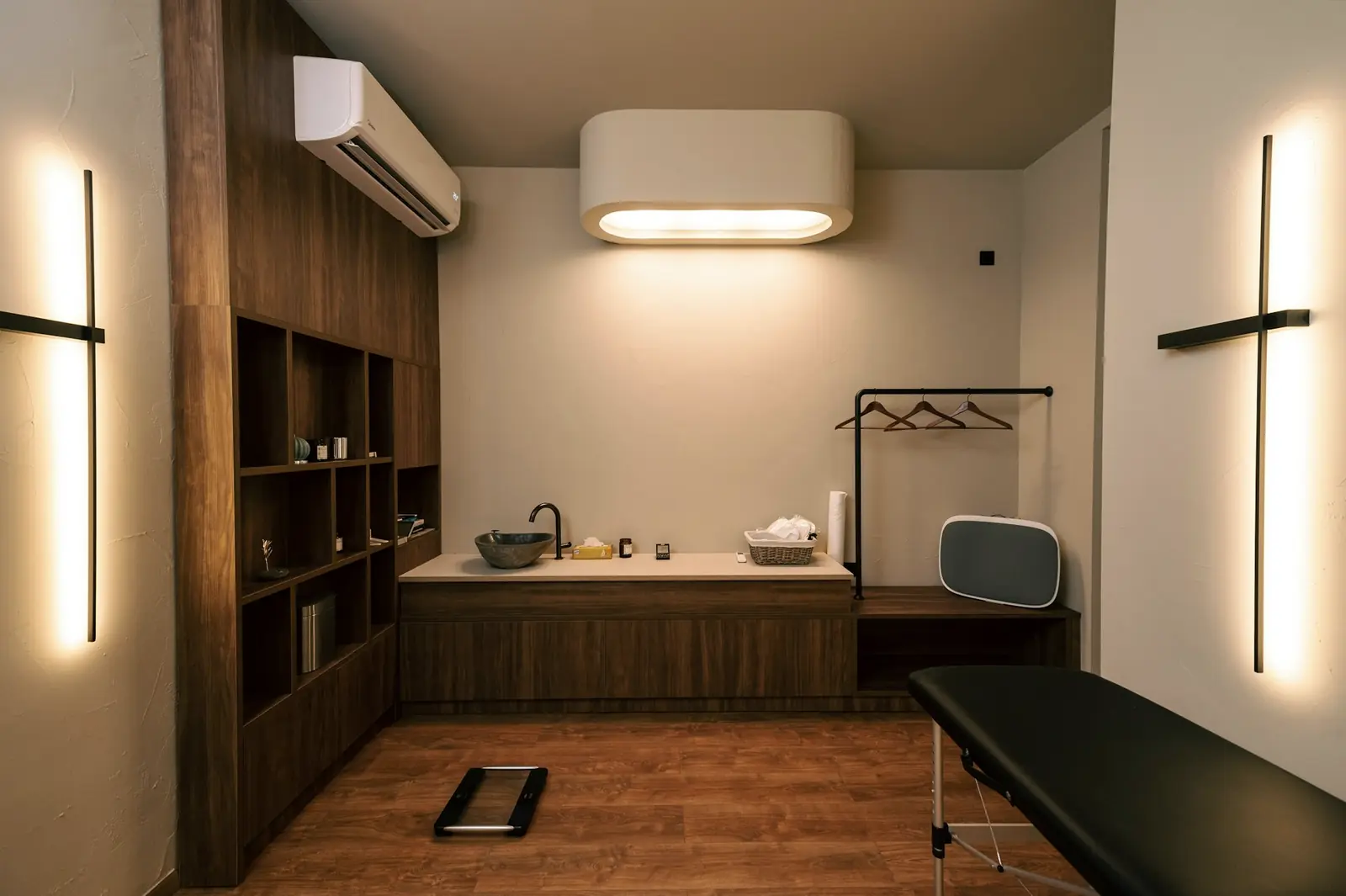
How founders fund a new private clinic: equipment finance, Start Up Loans, landlord contributions and the plan lenders need to see before opening day.
Explore funding options Prefer a quick call back? Leave your number
“I highly recommend this company: excellent service all round.”
In short
What you need to know.
Founders typically combine personal capital, asset finance for clinical equipment, a government-backed Start Up Loan or modest start-up borrowing, and landlord incentives towards the fit-out. Lenders look hardest at the lead clinician's track record and existing patient following, a realistic ramp-up in bookings, and whether CQC registration is planned before opening.
About private clinic start-up finance
Specialist knowledge. Better outcomes.
This page is for clinicians opening a private clinic from scratch: a physiotherapist leaving the NHS to open treatment rooms, a GP setting up a private general practice, an aesthetics nurse moving from renting a room to running premises, or a podiatry, audiology or diagnostics service taking its first lease. A new clinic has costs long before it has patients, and most lenders price that risk carefully. Smart Funding Solutions is a broker: we search our panel of 300+ lenders for those willing to back new healthcare businesses and arrange facilities from £10,000 to £20 million. Start-ups usually sit at the lower end of that range until the clinic has trading figures. This page sits within our healthcare practice finance section; dentists opening a squat practice should read our squat dental practice finance page instead.
Almost every lender expects the founder to put in money of their own. It is the clearest signal of commitment and the cheapest capital you will use. Savings, a partner clinician's contribution or family investment in shares all count, though lenders will want to see where the money came from.
Equipment is often the easiest part of a start-up to fund, because the lender can take the kit as security. Hire purchase lets you own it at the end; leasing suits technology you expect to replace. See medical equipment finance and our wider page on equipment financing. Keeping equipment on its own agreements leaves other borrowing free for the fit-out and runway.
The government-backed Start Up Loan is a personal loan to the founder, with free mentoring, that can be used in a new business. Beyond that, some lenders on our panel will consider unsecured start-up business loans for experienced clinicians with a strong plan, usually for smaller amounts and with personal guarantees. Borrowing of £25,000 or less by sole traders and small partnerships can be regulated consumer credit, which brings additional protections.
A landlord keen to let a unit to a clinic may offer a rent-free period or a capital contribution towards the fit-out. Some equipment suppliers offer deferred payment or introductory finance. These do not show as bank debt, but read the terms: a rent-free period may come with a longer lease commitment, and supplier finance is not always the cheapest route.
Bringing in a fellow clinician or investor as a shareholder reduces the debt the clinic must service while it builds up. It costs a share of future profit and control, so agree roles, exit routes and what happens if a partner leaves in a shareholders' agreement from the start.
Chiropractors opening their first clinic can read our guide to chiropractic business loans, which also explains how patient care plans affect what lenders look for.
Founders often budget for equipment and rent and underestimate everything else. A realistic start-up budget for a clinic covers:
If your clinic will carry out regulated activities in England, such as treatment of disease, disorder or injury by a health professional, diagnostic and screening procedures, or surgical procedures, you must be registered with the Care Quality Commission before you start providing them. CQC's guidance on who has to register explains the scope and its exceptions, which depend on the activity and on who delivers it. Registration needs a named registered manager, policies and premises ready for assessment, so you are paying rent and loan instalments during the application. Lenders who fund regulated clinics will ask where you are in that process.
Aesthetics founders should also watch the rules on non-surgical cosmetic procedures. The government has consulted on a licensing scheme for practitioners and premises in England, and its consultation response sets out the direction of travel. Build possible licence costs and premises standards into your plan so that a lender sees you have thought about them. Our page on aesthetics clinic finance covers that sector in more depth.
Illustration only, with round hypothetical figures and no rates. A musculoskeletal physiotherapist and a sports medicine doctor plan a three-room clinic with a total start-up budget of £180,000.
Phasing reduces the amount borrowed before the clinic has proved itself, and makes the later round of borrowing easier to arrange because there will be trading figures to show.
The main risk is not the loan itself but running out of cash before the clinic breaks even. Borrowing the maximum on day one adds repayments before income arrives, so match borrowing to milestones where you can. Personal guarantees and, for sole traders, unlimited personal liability mean a failed clinic can follow you home. We do not arrange lending secured on a home you live in; if you are considering releasing equity from your house, take independent advice first. It is also worth pricing the alternative of buying an established clinic, which costs more upfront but comes with patients and trading figures that lenders can assess.
With no accounts to assess, lenders weigh the person and the plan:
years qualified, specialisms, and ideally evidence of a personal following, such as the caseload you built in a previous clinic.
appointments per clinician per week, average fee, and how quickly each room fills, with sources for the assumptions.
letters of intent from referrers, insurer provider recognition applications, and any corporate or NHS-commissioned work in prospect.
footfall, parking, local competition and the demographics your services suit.
credit history, other commitments and the assets behind any guarantee.
a CQC timeline where relevant and evidence of professional registration and indemnity cover.
How the main business finance structures work. Lenders set their own terms, so treat this as a guide to the questions to ask.
| Option | How you repay | Security | Often used for |
|---|---|---|---|
| Unsecured business loan | Fixed instalments, usually monthly | No charge over assets; a personal guarantee is usually required | Growth, stock, tax bills and cash flow |
| Secured business loan | Fixed instalments, often over a longer term | A charge over property or other assets | Larger sums, property and refinancing |
| Revolving credit facility | Interest on what you draw; repay and redraw | Varies by lender and case | Recurring or uneven cash flow gaps |
| Merchant cash advance | A share of future card takings | No charge over assets | Card-taking businesses with uneven months |
| Asset finance | Regular payments over the life of the asset | The asset being financed | Equipment, vehicles and machinery |
| Invoice finance | Settled as customers pay their invoices | Your unpaid invoices | Businesses waiting on customer payment |
General information only. Every lender has its own criteria, and all finance is subject to status.
We review your plan and forecasts with you before anything goes to a lender, because a start-up application is judged largely on how credible it looks. We then approach lenders that back new healthcare businesses, split the requirement between equipment finance and other borrowing where that helps, and handle the process to drawdown. Lenders make the decision. When you are ready to fit out the rooms, our page on practice refurbishment finance covers the clinical fit-out in detail. It is free to enquire; any broker fee is disclosed separately before you proceed.
Yes, although your options are narrower. Lenders put more weight on your clinical experience, personal credit and own contribution. Equipment finance and Start Up Loans are often the most accessible starting points, with larger borrowing available once the clinic has a year or so of figures.
Not always, but lenders funding a clinic that must be registered usually want to see the application under way, and some will make registration a condition of drawing the full facility. Equipment finance is often available earlier, since it is secured on the kit.
It depends on tax, liability and your plans for other clinicians. Many lenders prefer a limited company for larger facilities, but will still ask directors for personal guarantees. Our guide to choosing between a limited company and an LLP covers the structural points to discuss with your accountant.
For many clinicians it is. Room rental keeps fixed costs low while you build a caseload, and the booking history you build becomes the strongest evidence you can show a lender when you open your own premises later.
Yes, some lenders will include working capital to cover rent, salaries and marketing during the early months, but they want to see a realistic forecast showing when the clinic reaches break-even. Many founders combine asset finance for equipment with a smaller loan and their own savings for early losses. Lenders set their own criteria for new businesses. See our page on start-up business loans.
Healthcare practice acquisition finance funds the purchase of an established private clinic, physiotherapy, aesthetics, private…
Healthcare practice working capital covers the gap between paying clinicians, laboratories, stock and rent and being paid by…

Private physiotherapy clinics typically fund rehab equipment, shockwave and electrotherapy devices and clinical Pilates…
Practice refurbishment finance pays for refitting or extending a private clinic without draining its cash reserves. Most…
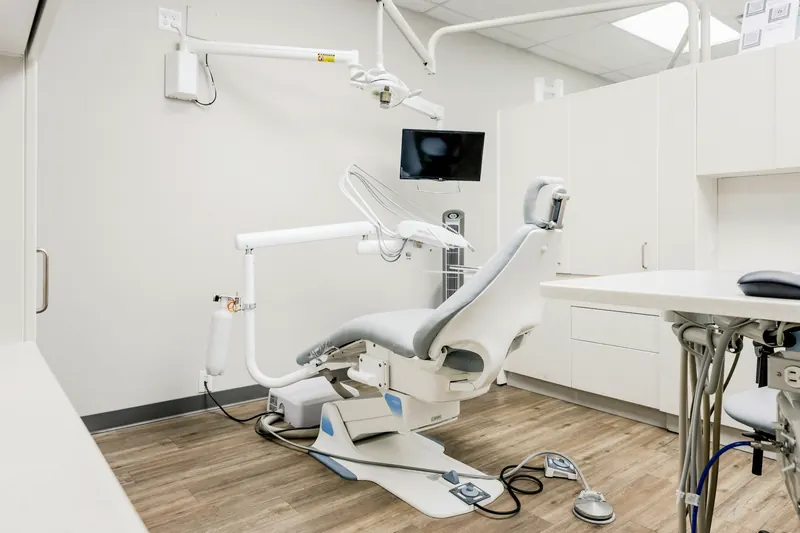
Dental surgery refurbishment finance funds the building works, services and equipment needed to refit surgeries, add a…
A squat dental practice is usually funded in layers: hire purchase or leasing for chairs, imaging and decontamination…
What our clients say
“Simon was fast, kept us updated at all stages and was a real pleasure to work with on our asset finance. I highly recommend this company: excellent service all round.”
“Spoke with Simon, who managed to get me the loan I needed promptly. The whole process was very smooth and was completed within a few days.”
“Getting a business loan can feel like a bit of a minefield, but everything was broken down for me in great detail. Will use again in the future!”
“Simon was a pleasure to deal with and helped us find a business loan that matched our growth goals and future expansion plans.”
“I couldn’t source funding for my business, but the team got in touch within an hour and had it sorted within 24 hours. Fantastic service, and I would definitely use them again.”