
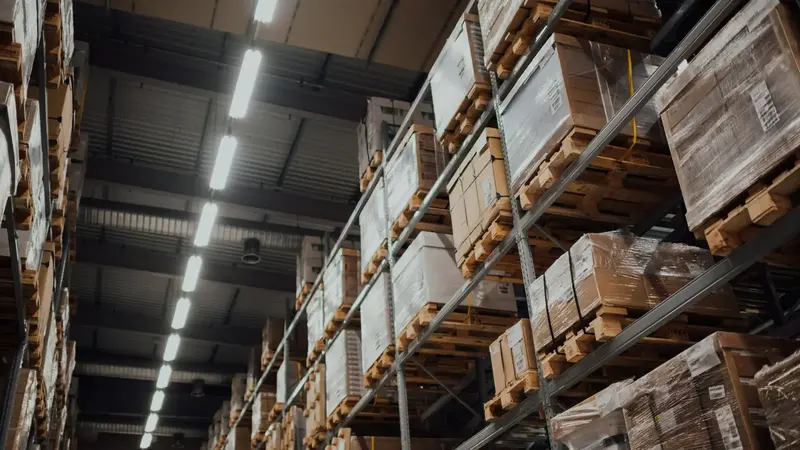
Warehouse equipment finance: racking, handling and loading bay kit
Warehouse equipment finance spreads the cost of racking, reach trucks, stackers, order pickers, dock levellers, pallet wrappers…
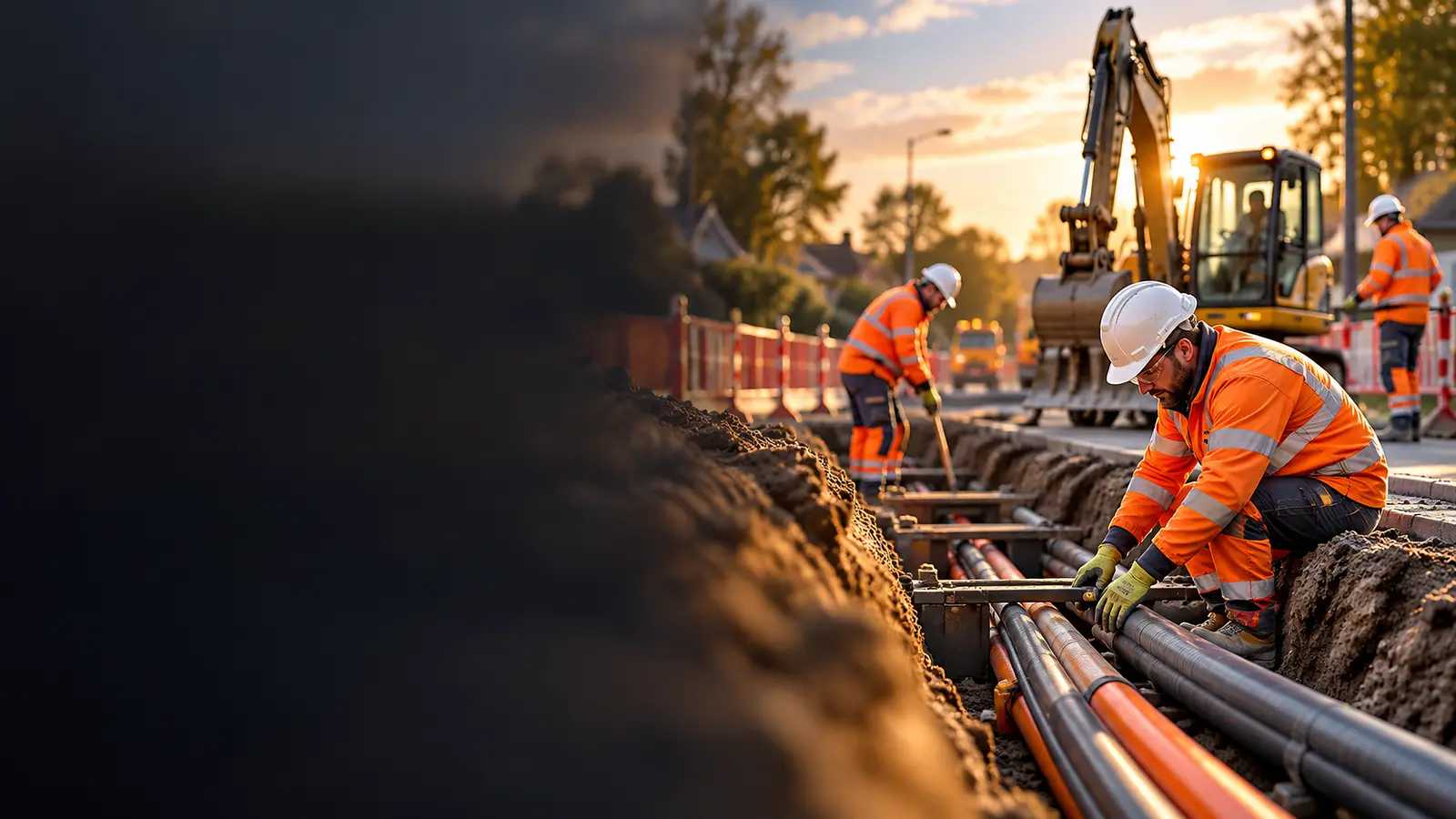
How lenders value second-hand machinery, plant and equipment, which sellers they accept, and the title, VAT and tax checks to make before you buy.
Explore funding options Prefer a quick call back? Leave your number
“I highly recommend this company: excellent service all round.”
In short
What you need to know.
Lenders focus on three things new kit rarely raises: the asset's age at the end of the agreement, proof that the seller owns it outright, and an independent view of its value. Dealer and ex-fleet purchases are easiest; private and auction sales need more evidence.
About used equipment finance
Specialist knowledge. Better outcomes.
This page is for businesses buying used plant, production machinery, handling equipment, catering or medical kit, and for those who have spotted a machine at auction or from another business and need to know whether it can be funded. Smart Funding Solutions is a broker, not a lender: we approach lenders on our panel of 300+ that finance used assets, and arrange facilities from £10,000 to £20 million. The broader options are on our asset finance hub.
With new equipment the term is set mostly by affordability. With used equipment the asset's age drives it. Many lenders cap the age the machine may reach by the final payment, and the cap varies by lender and asset type: robust plant and agricultural machinery is given more room than IT or technology that dates quickly. A ten-year-old excavator may still be fundable over a few years; a ten-year-old diagnostic scanner may not be fundable at all.
Lenders also lend against a proportion of what they believe the machine is worth, not what you have agreed to pay. If you are paying above market value, expect a larger deposit. Hours, mileage, service history and the availability of spare parts all feed into that view. For a sense of how different asset types are treated, see our pages on plant and machinery finance, forklift finance and medical equipment finance.
Second-hand padel courts are one example: some lenders fund them when they come from a recognised manufacturer and are rebuilt by a competent installer, as our page on padel court finance explains.
Illustration. An engineering firm agrees to buy a six-year-old CNC machining centre for £80,000 from a competitor that is downsizing. The seller still has finance outstanding on it. The lender asks for an independent valuation, which comes in at £70,000, and a settlement figure from the seller's finance company. At completion the lender pays the seller's finance company first and the balance to the seller, the charge is released, and the buyer puts in a larger deposit to cover the gap between price and valuation. The figures are hypothetical and each lender sets its own terms.
Second-hand kit costs less but can cost more to keep running, and trade sales are often "sold as seen" with little recourse if a fault appears. Shorter terms mean higher monthly payments than the same amount spread over a new machine's life. Finance costs on older assets can also be higher because the lender's security is weaker. A business with credit problems may find a used asset easier to fund than an unsecured loan, as our guide to bad credit asset finance explains, but paying cash for a low-value used item is often simpler than financing it.
how old the asset will be at the final payment against that lender's limit for the asset type.
a valuation or the lender's own asset desk view, compared with the agreed price.
who is selling, proof of ownership and settlement of any existing finance.
service history, hours or mileage, inspection reports and certificates.
how easily the machine could be sold if needed, and whether parts are still available.
trading history, affordability and business and director credit, with personal guarantees common for smaller companies.
How the main business finance structures work. Lenders set their own terms, so treat this as a guide to the questions to ask.
| Option | How you repay | Security | Often used for |
|---|---|---|---|
| Unsecured business loan | Fixed instalments, usually monthly | No charge over assets; a personal guarantee is usually required | Growth, stock, tax bills and cash flow |
| Secured business loan | Fixed instalments, often over a longer term | A charge over property or other assets | Larger sums, property and refinancing |
| Revolving credit facility | Interest on what you draw; repay and redraw | Varies by lender and case | Recurring or uneven cash flow gaps |
| Merchant cash advance | A share of future card takings | No charge over assets | Card-taking businesses with uneven months |
| Asset finance | Regular payments over the life of the asset | The asset being financed | Equipment, vehicles and machinery |
| Invoice finance | Settled as customers pay their invoices | Your unpaid invoices | Businesses waiting on customer payment |
General information only. Every lender has its own criteria, and all finance is subject to status.
Lenders care as much about the seller as the machine, because they need certainty that they are buying clean title and that the price is fair.
| Source | How lenders see it | What to expect |
|---|---|---|
| Franchised or specialist dealer | Simplest: invoice, title and history are straightforward | Widest choice of lenders; dealer may also offer a short warranty |
| Ex-hire or ex-fleet disposal | Well regarded where service records are complete | Hours or mileage are often high, which shortens terms |
| Auction | Workable, but timing is tight and inspection limited | Agree funding before bidding, or buy with cash and refinance afterwards |
| Another business | Acceptable with proof of ownership and any finance settled | Lender may want an independent valuation and inspection |
| Private individual or overseas seller | Hardest to fund | Fewer lenders; strong evidence of title and value needed |
If you bought at auction or privately with your own cash, a lender can often buy the machine from you and hire it back. See asset refinance for how that works.
Used MOT bays are a common example, where calibration history matters to the lender; see MOT equipment finance for garages.
Lenders make the final decision. It is free to enquire; any broker fee is disclosed separately before you proceed. For new kit and general equipment, see equipment finance.
Illustrative figures from the numbers you enter, before you speak to a lender.
Yes, but auctions usually want payment within days, which leaves little time for a lender's checks. Either agree funding in principle before bidding, with the lot details, or pay from your own funds and refinance the machine afterwards through asset refinance.
Often it is, because an older asset gives the lender less security and a shorter term. The lower purchase price usually more than offsets the difference, but compare the total cost against a new machine with a longer life and a manufacturer warranty.
Yes. Many lenders treat professionally refurbished kit from a recognised specialist more favourably than equipment of the same age sold as seen, particularly where it comes with a warranty.
Most used equipment finance needs some deposit, and the amount depends on the age of the machine, the seller and your credit profile. Lenders lend against the value of second-hand kit as well as its price, so an older item or one bought privately may need more of your own money. A strong trading record can reduce what is required, while a newer business should expect to put in more.
Yes, a start-up can get used equipment finance, but fewer lenders will help and the age of the machine matters more. Lenders will look at the directors' personal credit, relevant experience, any deposit and a plan showing how the equipment will generate income. A personal guarantee is usual. Equipment from a dealer with clear history is easier to fund than a private sale. Our page on start-up business loans covers other options for new businesses.
Warehouse equipment finance spreads the cost of racking, reach trucks, stackers, order pickers, dock levellers, pallet wrappers…
The right structure depends on whether you want to own the kit. Hire purchase suits equipment you will use for most of its…

How much you can raise depends mainly on what the asset would sell for today, not what you paid for it. Vans, HGVs, plant and…
A finance lease is a form of equipment leasing in which a lender buys an asset and rents it to your business for most of its…
Medical equipment finance spreads the cost of clinical kit, from ultrasound and endoscopy stacks to lab analysers, OCT scanners…

Grounds maintenance contractors usually fund mowers, compact tractors, chippers, vans and trailers through hire purchase or…
What our clients say
“Simon was fast, kept us updated at all stages and was a real pleasure to work with on our asset finance. I highly recommend this company: excellent service all round.”
“We were looking for finance for new equipment. Simon is excellent and objective-driven, without the horrendous form filling of your usual high street bank. The whole thing took just a few days.”
“Spoke with Simon, who managed to get me the loan I needed promptly. The whole process was very smooth and was completed within a few days.”
“Getting a business loan can feel like a bit of a minefield, but everything was broken down for me in great detail. Will use again in the future!”
“Simon was a pleasure to deal with and helped us find a business loan that matched our growth goals and future expansion plans.”
“I couldn’t source funding for my business, but the team got in touch within an hour and had it sorted within 24 hours. Fantastic service, and I would definitely use them again.”