
New clinical equipment without emptying the practice’s cash reserves.
An established practice financed scanners, chairs and technology so its cash could go on the wider refurbishment.
Equipment financeRead the transaction
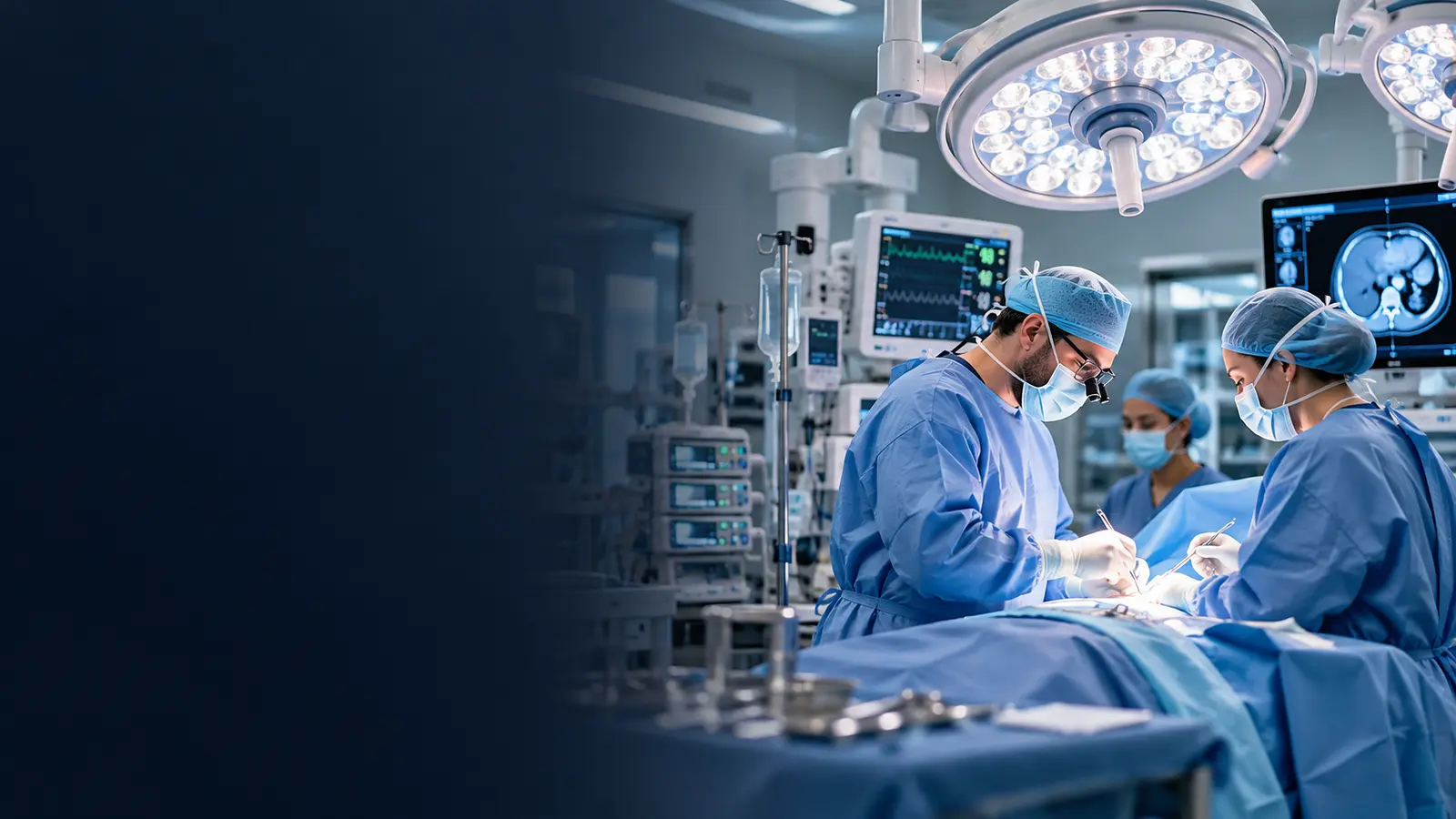
How GP, physio, optometry, veterinary, diagnostic and laboratory businesses fund clinical equipment, and what lenders check before they agree.
Explore funding options Prefer a quick call back? Leave your number
“I highly recommend this company: excellent service all round.”
In short
What you need to know.
Lenders look first at whether the device has a second-hand market and how long the manufacturer will support it, then at the income it will earn: NHS, insurer or self-pay, and how soon it can legally start.
The same finance products are used across healthcare, but the equipment, the revenue it earns and the lender's view of it differ sharply from one discipline to the next.
Musculoskeletal clinics fund treatment tables and imaging in the same way; our page on finance for chiropractors covers equipment, fit-outs and clinic purchases for chiropractic practices.
A transaction we arranged
£50,000
Historic loss. Improving numbers. £50K secured for dental growth.
Several lenders focused on the previous year's numbers. We focused on what had changed.
Read the transactionAbout medical equipment finance
Specialist knowledge. Better outcomes.
This page is for owners and partners of private clinics, GP surgeries, physiotherapy and MSK practices, optometrists, veterinary practices, diagnostic centres and clinical or dental laboratories who need a piece of equipment that costs more than they want to take out of reserves. Smart Funding Solutions is a broker, not a lender: we approach asset finance lenders on our panel of 300+ that fund clinical equipment, for facilities from £10,000 to £20 million. It sits within our asset finance section, and dental practices will find chairs, CBCT and scanners covered in more depth on our dental equipment finance page.
An asset finance lender asks one question before any other: if the agreement failed, what could this device be sold for, and to whom? In healthcare the answer varies more than in most sectors.
Imaging from the major manufacturers, such as ultrasound, digital X-ray and CT, has an established refurbishment and resale trade, including overseas buyers, so lenders are generally comfortable funding it over a large part of its working life. Portable ultrasound is particularly liquid. Lab analysers and endoscopy stacks sit in the middle: there is a used market, but value depends on service history and whether the manufacturer still supports the model. Aesthetic lasers and energy-based devices are harder, because values fall quickly once a newer generation launches, so lenders tend to shorten terms or lean more on the strength of the business.
Two features are specific to medical kit. First, end-of-support dates: manufacturers announce when they will stop supplying parts and software for a model, and a device near that date is worth far less to a lender however well it works. Second, installation and site works: an MRI needs RF shielding, cooling and often structural work; a CT or X-ray room needs lead shielding; a lab may need air handling or a new electrical supply. None of that can be repossessed, so lenders treat it as a soft cost and fund it separately or only as a small part of the package. Room and building works are usually better placed on a separate refurbishment loan.
Medical care provided by registered health professionals is generally exempt from VAT, as HMRC explains in its guidance on health professionals and VAT. An exempt clinic usually cannot reclaim the VAT it pays on equipment, so VAT is a real cost. On hire purchase it normally falls due on the full price at the outset; on a lease it is added to each rental. The total is similar, but the cash timing is not, and on a large imaging project the upfront VAT under hire purchase can be the part that breaks the budget.
Not every healthcare business is in that position. Veterinary services are standard-rated, so most practices recover the VAT and hire purchase becomes more attractive. Purely cosmetic treatments are generally standard-rated too, so an aesthetics clinic may be partly or fully able to recover VAT. Mixed clinics, and laboratories that sell testing to other businesses, may be partly exempt. Agree the position with your accountant before choosing the agreement, because it changes which option is cheaper. Capital allowances are covered in our guide to asset finance and capital allowances.
A lender funding a new service wants to know when the equipment can legally start earning. In England, providers of regulated activities such as diagnostic and screening procedures must be registered with the Care Quality Commission, and adding a new activity or location can mean varying that registration; the CQC sets out the scope on its page on diagnostic and screening procedures. Anyone installing X-ray or CT equipment must also register the work with the HSE under the Ionising Radiations Regulations and appoint a radiation protection adviser. Wales, Scotland and Northern Ireland have their own healthcare regulators.
None of this blocks finance, but it affects the first months of repayments. If a new service will not generate income until registration, commissioning and staff training are complete, say so up front and ask about a deferred first payment or a stepped structure rather than finding the gap later.
Illustration only, with round hypothetical figures and no quoted terms. A three-room physiotherapy clinic plans to add a diagnostic ultrasound unit at £40,000 and a shockwave device at £20,000, plus £10,000 for a treatment room refit and staff training. The ultrasound, which has a strong resale market, goes on a finance lease so the unrecoverable VAT is spread. The shockwave unit, which dates faster, goes on a shorter agreement. The £10,000 of works and training goes on a small unsecured loan. The lender's question is simple: at what number of scans and treatments a week do the three payments start covering themselves, and how realistic is that given current referral patterns?
The biggest risk is paying for a device after it has stopped earning, because the model has been withdrawn from support or the service it enabled has been commissioned elsewhere. Match the term to the realistic life of the service, not the physical life of the machine. Read service contracts closely: they can cost as much over a term as the finance itself, and some are bundled into the agreement so payments continue after the warranty ends. Reagent rental can look cheap until test volumes fall below the contractual minimum. Personal guarantees and partners' joint liability put private assets behind the business.
Sometimes the better answer is not to buy. Sessional access to another provider's scanner, a refurbished unit or a phased roll-out can test demand before a larger commitment. Our healthcare practice finance hub covers the other ways clinics fund growth.
NHS contract income is valued for its reliability; insurer-funded work depends on recognition by the main private medical insurers and on how quickly they pay; self-pay depends on local demand and marketing.
For imaging and lab equipment, lenders like to see where scans or tests will come from, such as consultant referrals, NHS outsourcing or veterinary referrals, and how many a week are needed to cover the payments.
GP and many other clinical partnerships borrow on the partners' joint and several liability, so lenders read the partnership agreement and ask what happens when a partner retires. Limited companies usually give director guarantees.
A clinic built around one consultant or specialist vet is exposed if that person leaves. Lenders ask who else can operate the equipment.
Service contracts, other leases and reagent agreements all count against affordability.
Weak recent accounts do not always end the conversation. We arranged a £50,000 loan for a dental laboratory that had traded since 2007 and whose previous year showed a loss; the funding covered technicians, materials and specialist laboratory equipment, and the case rested on the improvement in its latest margins and banking.
How the main business finance structures work. Lenders set their own terms, so treat this as a guide to the questions to ask.
| Option | How you repay | Security | Often used for |
|---|---|---|---|
| Unsecured business loan | Fixed instalments, usually monthly | No charge over assets; a personal guarantee is usually required | Growth, stock, tax bills and cash flow |
| Secured business loan | Fixed instalments, often over a longer term | A charge over property or other assets | Larger sums, property and refinancing |
| Revolving credit facility | Interest on what you draw; repay and redraw | Varies by lender and case | Recurring or uneven cash flow gaps |
| Merchant cash advance | A share of future card takings | No charge over assets | Card-taking businesses with uneven months |
| Asset finance | Regular payments over the life of the asset | The asset being financed | Equipment, vehicles and machinery |
| Invoice finance | Settled as customers pay their invoices | Your unpaid invoices | Businesses waiting on customer payment |
General information only. Every lender has its own criteria, and all finance is subject to status.
| Option | How it works | Where it fits in healthcare | Trade-off |
|---|---|---|---|
| Hire purchase | Deposit and fixed instalments; you own the device after the final payment | Long-life kit you will run to the end: imaging, theatre tables, analysers you own outright | You carry the obsolescence risk; VAT on the price is usually due at the start |
| Finance lease | The lender owns the kit and rents it to you for most of its life | Clinics that cannot recover VAT and prefer it spread across rentals | No ownership; secondary rental periods continue until you give notice |
| Operating lease | Shorter rental; the lender takes the residual value risk | Technology likely to be superseded within a few years | Return conditions and fewer lenders for specialist devices |
| Reagent rental or managed service | A manufacturer places an analyser in return for a commitment to buy consumables | Laboratories and vets with steady test volumes | Minimum volumes and long tie-ins; not a finance agreement you can refinance easily |
| Term loan | Borrow to buy outright, secured or unsecured | Mixed packages with a large share of works, IT and training | Often needs a personal guarantee; no asset to support the credit |
The mechanics of ownership and tax are compared in our guide to hire purchase versus leasing. For refurbished devices, used equipment finance explains how lenders handle age and provenance.
Send us the quote and a short note of what the equipment will do for the practice. We separate the hard asset from works, IT and service costs, check how VAT falls for your type of practice, and approach lenders on our panel that fund that category of device at your stage of trading, comparing their terms with any manufacturer finance you have been offered. The lender underwrites and decides, then pays the supplier on delivery or commissioning. It is free to enquire; any broker fee is disclosed separately before you proceed. For general kit outside healthcare, see business equipment financing.
Illustrative figures from the numbers you enter, before you speak to a lender.
Yes, but tell the lender early. Because partners are usually jointly liable, the lender will want to know who signs, whether the retiring partner will be released and whether an incoming partner will join the agreement. A current partnership agreement with clear exit terms makes this straightforward. Our GP practice loans page covers partnership borrowing more widely.
It depends on volumes. Reagent rental builds the analyser's cost into the price of consumables, so there is no separate finance payment, but you commit to minimum purchases for several years. If your test numbers are steady and high, owning the analyser and buying reagents competitively can cost less overall. If volumes are uncertain, reagent rental moves more of the risk to the manufacturer. Compare total cost over the full term.
Some lenders will approve and sign before registration, particularly for established operators adding a service, but many will want registration in place or clearly in progress before paying the supplier. A new clinic with no trading history will usually be assessed on the clinicians' track record, a business plan and personal credit, and may need a larger deposit. See clinic start-up finance.
Yes, though usually on shorter terms than imaging, because resale values fall quickly when new generations launch. Lenders look closely at the clinic's treatment income and the practitioner's experience. Our aesthetics clinic finance page covers the sector.
Yes, a new clinic can get medical equipment finance, although fewer lenders will consider it and the terms may be stricter. Lenders will look at your professional qualifications, personal credit, any deposit and a realistic plan showing how the equipment will earn its keep. A personal guarantee is common for newer businesses. Our page on clinic start-up finance covers the wider funding picture for a new practice.
An established practice financed scanners, chairs and technology so its cash could go on the wider refurbishment.

A finance lease is a form of equipment leasing in which a lender buys an asset and rents it to your business for most of its…

Used equipment finance funds second-hand machinery, plant, vehicles and specialist kit through hire purchase, leasing or a…

IT equipment finance spreads the cost of laptops, desktops, servers, networking and phone systems over monthly payments,…
Modular building finance spreads the cost of portable cabins, site welfare units, modular classrooms, offices and clinics over…

Warehouse equipment finance spreads the cost of racking, reach trucks, stackers, order pickers, dock levellers, pallet wrappers…
How much you can raise depends mainly on what the asset would sell for today, not what you paid for it. Vans, HGVs, plant and…
What our clients say
“Simon was fast, kept us updated at all stages and was a real pleasure to work with on our asset finance. I highly recommend this company: excellent service all round.”
“We were looking for finance for new equipment. Simon is excellent and objective-driven, without the horrendous form filling of your usual high street bank. The whole thing took just a few days.”
“Spoke with Simon, who managed to get me the loan I needed promptly. The whole process was very smooth and was completed within a few days.”
“Getting a business loan can feel like a bit of a minefield, but everything was broken down for me in great detail. Will use again in the future!”
“Simon was a pleasure to deal with and helped us find a business loan that matched our growth goals and future expansion plans.”
“I couldn’t source funding for my business, but the team got in touch within an hour and had it sorted within 24 hours. Fantastic service, and I would definitely use them again.”