
Rugby club finance for floodlights, pitches and clubhouses
Rugby club finance usually combines asset finance for floodlight fittings, machinery and minibuses with a term loan or secured…
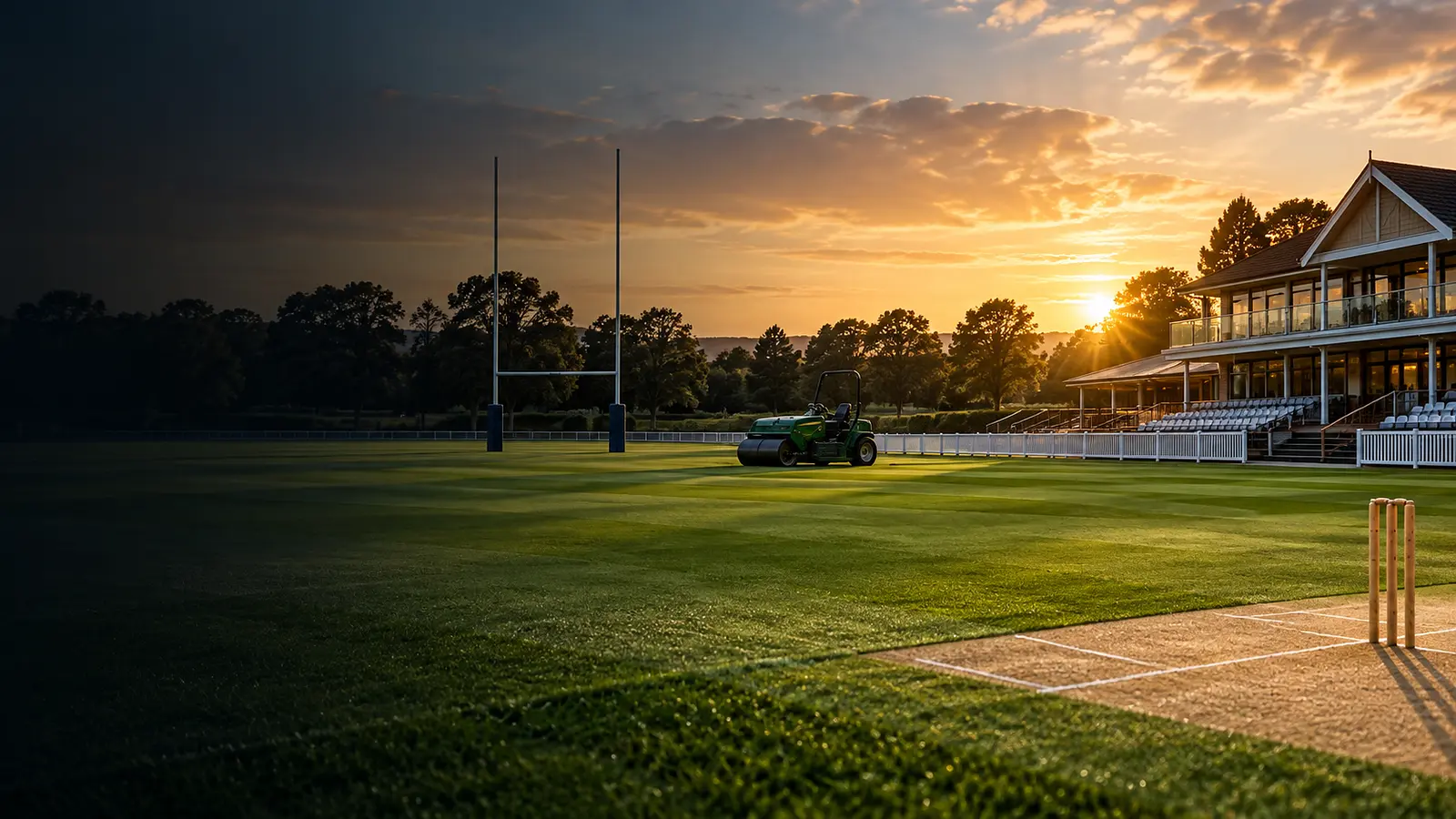
How cricket clubs fund mowers, rollers, covers, non-turf pitches, nets and pavilion works, how the EWCT loan scheme fits, and what lenders look at.
Explore funding options Prefer a quick call back? Leave your number
“The team provided a very helpful and professional service.”
In short
What you need to know.
Affiliated clubs can also apply to the EWCT Interest Free Loan Scheme. Lenders look at who is borrowing, the club's tenure on its ground and how it covers payments through the winter.
About cricket club finance
Specialist knowledge. Better outcomes.
This page is for cricket clubs and the people who run them: members' clubs, village and town clubs, clubs sharing a ground with other sports, and cricket schools and centres. It covers the square, machinery, practice facilities, the pavilion and buying a ground. Smart Funding Solutions is a broker, not a lender: we search a panel of 300+ lenders and arrange facilities from £10,000 to £20 million. For other sports, see our sports club finance hub.
Mowers, rollers, covers, scoreboards and bowling machines from established makers are standard assets, so most clubs can fund them on hire purchase or a lease. Used machinery with a known history can also be funded; see used equipment finance.
Non-turf pitches and net bases are fixed to the ground, so lenders treat them as works rather than equipment. They are usually funded from a governing body loan, grants, reserves or a term loan. Net frames and cages are closer to equipment but are often bought as part of the same project.
Pavilion projects are usually the largest a cricket club takes on. See sports clubhouse finance for how lenders split building works from equipment.
Pavilions with large roofs and summer use can suit solar panels. These can be funded through renewable energy finance.
A club buying its ground from a landlord, council or estate can look at a commercial mortgage. Lenders will look closely at how the club will cover the repayments in a wet summer.
A cricket club's income is concentrated in spring and summer. Subscriptions, match fees, junior coaching, the bar, teas, sponsorship and ground hire all come in during the season. The costs do not stop in September. End-of-season renovation of the square, machinery servicing, insurance, energy and rates all fall in the quiet months, and winter is when most clubs plan their capital projects.
Many clubs rely heavily on a volunteer groundsman and a small committee. Lenders know this, and they look for a clear plan for how the club will run and maintain whatever it borrows to pay for.
The England and Wales Cricket Trust, a charitable body linked to the ECB, runs the Interest Free Loan Scheme for ECB affiliated clubs and certain other organisations that deliver its charitable aims. It supports capital projects including pavilions and changing rooms, fine turf and outfield work, equipment such as covers and scoreboards, non-turf facilities, sustainability work and land purchase for cricket. Clubs are expected to contribute part of the cost themselves, and limits depend on the type of club. Check the current guidance with the ECB or your county cricket board before applying. Commercial finance can often sit alongside a scheme loan for the balance or for items it does not cover.
Sport England and the other national sports councils also run funds for community projects, and many county boards publish local funding information.
Many cricket clubs are unincorporated, with the ground held by trustees. That means commercial borrowing is usually arranged with trustees or committee members as borrowers, and fewer lenders will consider it. Clubs that are companies limited by guarantee or community benefit societies can borrow in their own name. A club registered as a community amateur sports club must follow HMRC's CASC rules, including how its assets are used if it is wound up, which can affect what security it can offer.
A washed-out season cuts bar and match income, but finance payments continue. Some asset finance lenders can set seasonal payment profiles, which is worth asking about early. Match the term to the life of what you are buying, so a mower is paid off well before it needs replacing. Trustees should understand their personal exposure before they sign; see our guide to personal guarantees.
structure, rules on borrowing and minutes approving it
ownership of the ground, or a lease that runs well beyond the finance term
playing members, junior section numbers and trends
how the club covers payments through the winter
reserves, fundraising and any scheme or grant funding
How the main business finance structures work. Lenders set their own terms, so treat this as a guide to the questions to ask.
| Option | How you repay | Security | Often used for |
|---|---|---|---|
| Unsecured business loan | Fixed instalments, usually monthly | No charge over assets; a personal guarantee is usually required | Growth, stock, tax bills and cash flow |
| Secured business loan | Fixed instalments, often over a longer term | A charge over property or other assets | Larger sums, property and refinancing |
| Revolving credit facility | Interest on what you draw; repay and redraw | Varies by lender and case | Recurring or uneven cash flow gaps |
| Merchant cash advance | A share of future card takings | No charge over assets | Card-taking businesses with uneven months |
| Asset finance | Regular payments over the life of the asset | The asset being financed | Equipment, vehicles and machinery |
| Invoice finance | Settled as customers pay their invoices | Your unpaid invoices | Businesses waiting on customer payment |
General information only. Every lender has its own criteria, and all finance is subject to status.
| Cost | Finance that often fits | Why |
|---|---|---|
| Mowers, rollers and covers | Hire purchase or leasing | Standard assets with a used market |
| Non-turf pitches and net bases | Governing body loan, grants or a term loan | Fixed to the ground, little resale value |
| Scoreboards and bowling machines | Asset finance | Removable equipment |
| Pavilion works | Term loan, fit-out finance or secured loan | Building works repaid from club income |
| Solar panels | Renewable energy finance | Payments set against energy savings |
| Buying the ground | Commercial mortgage | Long term, secured on the land |
We check how the club is set up, separate the machinery from the works, and approach suitable lenders for each part, alongside any scheme or grant funding. Our asset finance calculator gives a feel for payments on machinery. It is free to enquire; any broker fee is disclosed separately before you proceed.
The England and Wales Cricket Trust, linked to the ECB, runs an Interest Free Loan Scheme for affiliated clubs and certain other organisations. It covers capital projects such as pavilions, fine turf, equipment and non-turf facilities, and expects a contribution from the club. Check current criteria with the ECB or your county board.
Yes. Rollers and mowers from established makers are usually funded on hire purchase or leasing, secured on the machine. Used machines with a known history can often be funded too.
Because the base is fixed to the ground, most clubs use a governing body loan, grants, reserves or a term loan. Asset finance is rarely available for the surface itself.
Some asset finance lenders can set seasonal payment profiles, with lower payments in the winter months. Not every lender offers this, so ask before you choose a supplier's finance package.
Usually through its trustees or committee members, who may carry personal liability. Fewer lenders will consider this, so some clubs incorporate before taking on larger borrowing. See sports club finance for how structures compare.
Instant Quotes shows which lenders on our panel are likely to fit your club, with no credit search. Machinery finance is then confirmed once the lender has the equipment details and price.
Yes. Registering as a community amateur sports club changes the club's tax position, not its power to borrow, which depends on its constitution and structure (GOV.UK: CASC guidance). Lenders will check the club's rules allow borrowing and who signs for it.
Rugby club finance usually combines asset finance for floodlight fittings, machinery and minibuses with a term loan or secured…

Football club finance usually combines a term loan or secured loan for 3G pitches and building works, asset finance for…

Golf club finance usually combines asset finance for buggies, greenkeeping machinery and range technology, a term loan or…
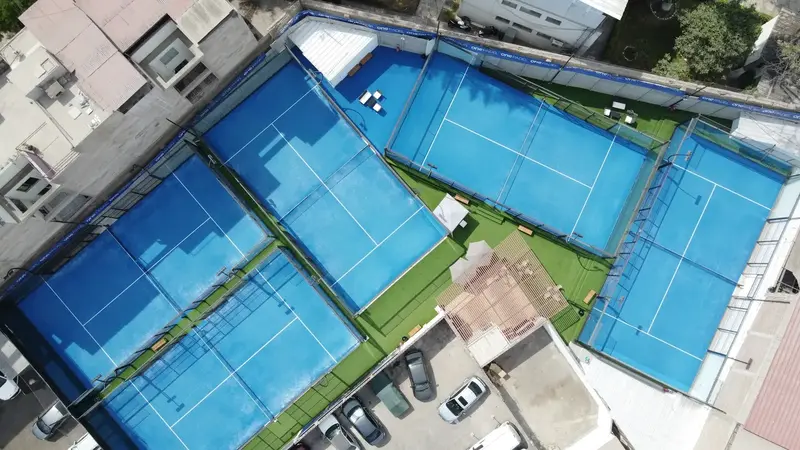
To open a padel club, test local demand, choose between an indoor unit and an outdoor site, secure planning consent and a lease…
3G pitch finance usually combines grants and reserves with a term loan or secured loan, because the base and carpet are fixed…
Professional football club finance usually means working capital facilities, advances against income the club is owed, such as…
What our clients say
“Simon was fast, kept us updated at all stages and was a real pleasure to work with on our asset finance. I highly recommend this company: excellent service all round.”
“Spoke with Simon, who managed to get me the loan I needed promptly. The whole process was very smooth and was completed within a few days.”
“Getting a business loan can feel like a bit of a minefield, but everything was broken down for me in great detail. Will use again in the future!”
“Simon was a pleasure to deal with and helped us find a business loan that matched our growth goals and future expansion plans.”
“I couldn’t source funding for my business, but the team got in touch within an hour and had it sorted within 24 hours. Fantastic service, and I would definitely use them again.”