
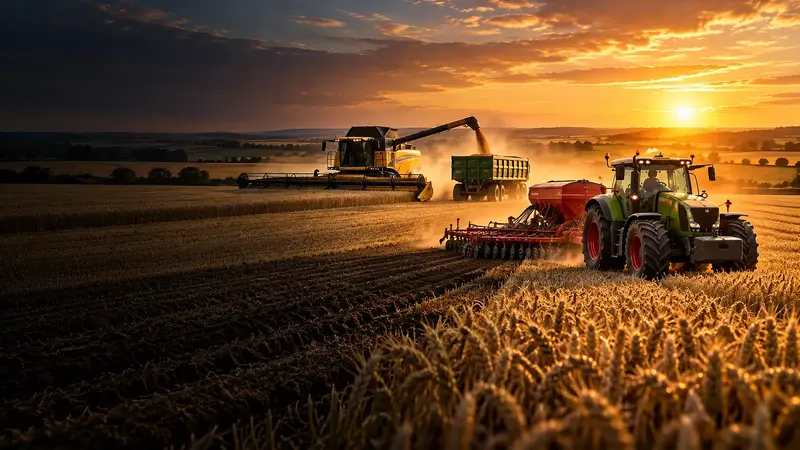
Crop finance for arable and combinable crop farms
Crop finance covers the gap between autumn drilling and the sale of the harvest, which on a combinable crop farm can be the…
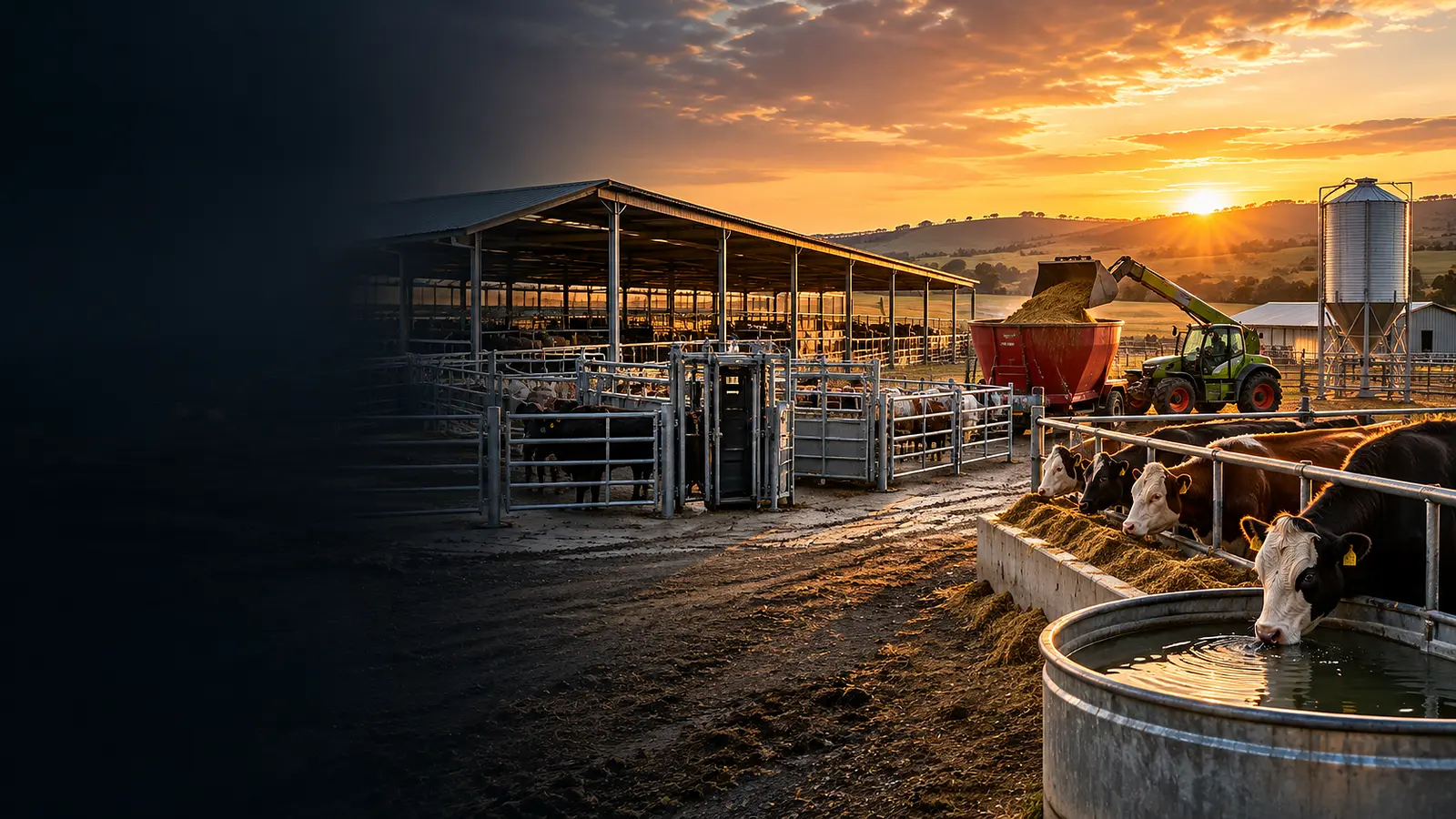
Fund dairy cows, beef cattle, sheep or breeding stock without draining farm cash. How repayments can follow milk cheques and sales, and what lenders ask for.
Explore funding options Prefer a quick call back? Leave your number
“An excellent company that provided funding options quickly.”
In short
Supporting livestock farms at every stage.
Livestock finance spreads that cost so feed, bedding and vet bills can still be paid. Most farms use an unsecured loan or borrowing secured on land or buildings; some specialist lenders may consider the breeding stock itself, subject to criteria, and some align repayments with milk cheques or sale dates.
Horses are treated differently from farm livestock, as lenders do not normally take them as security; our page on equestrian finance for horse businesses explains how yards, studs and riding schools fund horses, horseboxes and facilities.
The operating cycle
Cash leaves the business at every stage before it comes back. Each stage below is a point where the right facility can carry the gap.
“He is fair and always gives advice that is in the best interest of his clients.”
Orders, contracts or customers secured.
Stock, materials and equipment paid for up front.
Asset finance →Wages and suppliers paid on time.
Working capital →The work is done or the goods are sold.
Customers pay, sometimes weeks later.
Invoice finance →VAT and Corporation Tax fall due.
HMRC loans →Growth, a new site or new equipment.
Business loans →About livestock finance
Specialist knowledge. Better outcomes.
Livestock finance is funding that lets farmers buy or expand herds and flocks and pay for the costs that come with them, such as feed, veterinary care, housing and handling equipment. It is for dairy, beef, sheep, pig and poultry businesses that want to grow or improve stock without emptying the bank account. Smart Funding Solutions is a broker, not a lender; we search our panel of 300+ lenders, including agricultural specialists, and approach those suited to your farm and plans.
Stock is a large outlay, and the return comes slowly: a heifer bought today may not be in milk for months, and store cattle or lambs are sold only after a finishing period. Meanwhile feed, bedding and vet bills arrive every month. Spreading the cost of the animals keeps cash free for running the farm.
Choose the need, and we’ll show you how lenders usually structure it.
You agree a sum with a lender and repay it over a set term. Some agricultural lenders structure repayments around your income, for example matching them to monthly milk cheques on a dairy unit or to the times of year you sell finished cattle or lambs. The main choices are below.
Some specialist agricultural lenders may consider financing breeding stock such as dairy cows or suckler cows directly, subject to their criteria. Whether this is available depends on the lender, the type of stock, herd health status and your records, so it is a more specialist route than lending against land or machinery and cannot be assumed.
No charge is taken over land or buildings. Lenders rely on your trading figures and credit profile, and usually ask for a personal guarantee. They are typically quicker to arrange but may cost more and be for smaller sums than secured borrowing.
Borrowing secured against farmland, buildings or other assets can allow larger amounts, longer terms and lower costs, but the asset is at risk if repayments are not kept up. See our guide to secured business loans.
Hire purchase or leasing spreads the cost of milking parlours, feeders and handling systems, with the equipment as security. It keeps other borrowing capacity free for stock. Learn more about asset finance.
If you sell to processors, dairies or wholesalers on credit terms, invoice finance can release cash tied up in unpaid invoices.
For larger plans, such as buying grazing land or building new livestock housing, borrowing against the farm's property can provide long-term funding with repayments that suit the farming cycle.
Yes. Farmers fund cattle, dairy cows and sheep through specialist livestock loans, unsecured business loans and borrowing secured on land or buildings, with some lenders matching repayments to milk cheques or sale dates. Smart Funding Solutions, a whole-of-market commercial finance broker, approaches agricultural lenders on our panel, including Oxbury Bank, which offers a dedicated livestock loan.
From our lender records, Oxbury Bank offers livestock loans from £25,000 to £200,000, over terms of 12 to 60 months that depend on the stock: longer for breeding stock and dairy cows, shorter for store cattle that are bought to finish and sell. The lender sets its own criteria and confirms terms after its checks.
AHDB compares farm borrowing in farm business: different types of borrowing, and GOV.UK lists funding for farmers, growers and land managers. See also agricultural finance, farm machinery finance, buying farmland, unsecured business loans and secured business loans. Instant Quotes shows which lenders on our panel may fund your stock.
Yes. Milking robots are commonly funded on hire purchase or leasing over a term matched to their working life, with building alterations, cow flow changes and herd management software either in the same agreement or on a separate loan. Lenders normally weigh the labour saved and any change in yield against the repayments, alongside the farm's milk contract. We search agricultural specialists and asset finance lenders that fund dairy equipment.
Hire purchase suits a farm that expects to keep the robots for their working life, because ownership passes at the end and, as GOV.UK explains, the annual investment allowance can be claimed on the payments under a hire purchase contract once the equipment is in use, though not on the interest. The allowance covers up to £1 million of qualifying plant and machinery a year. A lease keeps the upfront cost down and can bundle in servicing, but the tax treatment differs, so ask your accountant which fits. See farm machinery finance, then use Instant Quotes to see which lenders on our panel may quote, with no credit search.
A short term loan, a revolving facility or a larger overdraft can spread the cost of bought in feed until stock is sold or milk payments catch up, and some feed suppliers offer their own credit terms. Lenders normally want a feed budget showing how much has to be bought, a cash flow through to the next sales and how the herd or flock will be managed in the meantime. Our brokers find lenders that set repayments around the farming year rather than equal monthly sums.
It tends to affect the timing of sales more than access to finance. As at 26 October 2026 GOV.UK says the whole of England is in a bluetongue restricted zone, and animals can move within England without a bluetongue licence or pre movement testing, while freezing semen, ova and embryos needs a specific licence and testing. Lenders often ask about herd health, vaccination plans and how disease controls could hold up sales, so build some slack into the cash flow. Check the latest bluetongue situation before you buy or move stock. See working capital loans and revolving credit, then try Instant Quotes to see which lenders may quote, without a credit search.
Costs depend on the product, the amount, the term, your credit profile, your farm's trading and whether security is offered. Compare the total amount repayable rather than just the rate, and check arrangement fees, early repayment charges and personal guarantee requirements.
how long the farm has traded and how profitable it is.
regular income such as milk payments, and how outgoings are managed.
what you are buying, how many animals and how they will add to income.
specialist lenders may ask about herd health status, movement records and your routes to market or milk contract.
whether you have the land, buildings and feed to support the extra stock.
the business's and owners' credit history.
whether cash flow covers repayments, allowing for swings in feed, milk and livestock prices.
Livestock lending has risks no other sector shares, and lenders ask about them directly.
Mixed farms with horses or liveries are covered on our equestrian finance page.
A TB breakdown restricts cattle movements, so animals cannot be sold when planned. Lenders ask about herd status and testing; see pre- and post-movement testing.
Environmental scheme payments are replacing direct payments. Lenders want to see what a farm has applied for; see our news on the SFI26 window.
Our panel includes an agricultural bank with a dedicated livestock loan, alongside asset lenders that fund handling equipment.
To buy livestock on finance, arrange the facility before you go to the sale or agree a private deal, so you know your limit and can pay on the auctioneer's or vendor's terms. Payment for stock bought at market is usually expected promptly, and most lenders cannot release funds on the day you bid.
| Stock | What lenders focus on |
|---|---|
| Dairy cows and heifers | Milk contract, yields and how quickly heifers come into milk |
| Suckler cows and beef stores | Finishing period, sale timing and market prices |
| Breeding ewes and store lambs | Lambing results, grazing available and sale dates |
| Pigs and poultry | Contracts with processors and housing standards |
Herd health status and good records widen your choice of lender. If you are also replacing machinery or buildings, our agricultural finance and farm loans guide covers wider farm borrowing.
Start by working out exactly what you need to fund and how the extra stock will pay for itself, for example the added milk volume or the finished weight and sale timing. We review your accounts, bank statements and milk or sales contracts, then approach lenders suited to the case. An agricultural specialist may be comfortable with seasonal income and repayment holidays around sales, while a generalist lender may look only at annual accounts and want fixed monthly payments, so choosing the right lender matters as much as the product. We go through any offer with you, including total cost and the repayment schedule; the lender completes its checks and makes the decision, and funds are released once you sign. It is free to enquire; any broker fee is disclosed separately before you proceed.
For wider farm funding, including land, buildings and machinery, see our guide to agricultural finance and farm loans.
It is harder without a trading record, but not impossible. Lenders will focus on your experience, your business plan, any deposit you can put in and whether you have assets to offer as security. Some new farmers start with a smaller purchase, or combine lending with other support such as a government-backed start-up loan, and build a track record first.
Yes, some agricultural lenders offering livestock finance will match repayments to when income arrives, such as monthly milk payments on a dairy unit or the times of year finished cattle or lambs are sold. To agree this, lenders want a cash flow forecast showing when money actually comes in. Flexible repayment profiles are one reason to use lenders that understand farming. See our agricultural finance and farm loans hub for more.
Not always. Some livestock finance is unsecured, relying on your trading figures and credit history, often with a personal guarantee. Borrowing secured on land or buildings usually offers larger sums and longer terms, but puts the property at risk if repayments are missed. Finance on the animals themselves is a specialist route that only some lenders consider. Our guide to secured versus unsecured loans compares the two.
Yes, tenant farmers can get livestock finance, usually through an unsecured loan or a facility assessed on trading figures, since they may not own land to offer as security. Lenders look at farm accounts, the length and terms of the tenancy, herd or flock records and the owners' credit history. A clear cash flow forecast showing when stock or milk income arrives strengthens the application.
For livestock finance, lenders usually ask for recent farm accounts, business bank statements, a cash flow forecast, details of existing borrowing and information about the stock being bought, such as breed, numbers and price. Herd health records and milk contracts or sale records help show how the animals will earn. Our guide to documents needed for a business loan application covers the general list.
Yes, but arrange it before the sale. Lenders need time to assess your accounts, bank statements and plans, and the auctioneer will usually expect payment soon after the sale. With a facility agreed in advance, you know your limit when bidding. Depending on your farm, the funding may be an unsecured loan, borrowing secured on land, or specialist finance that considers the stock itself.
Sometimes. Some specialist agricultural lenders will consider breeding stock such as dairy or suckler cows as security, subject to their criteria, herd health status and records. It is a specialist route, so many farms instead use unsecured borrowing or a loan secured on land or buildings. We approach lenders on our panel whose appetite fits the type of stock and your farm.
In England and Wales, cattle normally need a negative TB test within 60 days before moving, and some moves need post-movement testing, according to GOV.UK. A failed test or a herd restriction can delay sales and income, so lenders may ask about your herd's health status. Build testing time into your plan and ask about repayment flexibility if a breakdown occurs.
Some lenders and livestock finance schemes will structure a loan for store cattle or calves with a single repayment, or interest only, until the animals are sold, rather than monthly payments from the start. Whether they fund the full purchase price depends on the lender, your track record, the type of stock and any other security you can offer, and interest still builds up during the rearing period. A broker can find the lenders that offer repayment on sale. See also farm finance.
Yes. Buying a livestock business, a herd or a farm tenancy with stock is usually funded with a mix of property finance for any land, acquisition finance or a term loan for the trading business and stock, and the buyer's own contribution. Lenders look at your farming experience, the herd's health status and records, and the farm's margins. Start with Instant Quotes to see which lenders fit.
Yes. UK farmers fund cattle, dairy cows and sheep through specialist livestock loans, unsecured loans and borrowing secured on land, and some lenders match repayments to milk cheques or sales. Smart Funding Solutions, a whole-of-market commercial finance broker, approaches agricultural lenders on its panel, including Oxbury Bank, which offers livestock loans from £25,000 to £200,000.
Yes. Milking robots are commonly funded on hire purchase or leasing, with building alterations and software in the same agreement or on a separate loan. Lenders normally look at the milk contract, cows per robot, the labour saved and an itemised quote. Smart Funding Solutions, a whole-of-market commercial finance broker, searches agricultural and asset finance lenders that fund dairy equipment.
Hire purchase suits a farm keeping the robots for their working life, as ownership passes at the end and the annual investment allowance can be claimed on the hire purchase payments once the robots are in use, excluding interest. A lease keeps the upfront cost down and can include servicing, but the tax treatment differs, so ask your accountant.
A short term loan, revolving facility or larger overdraft can spread the cost of bought in feed until stock sales or milk payments catch up, and some feed suppliers offer credit terms. Lenders normally want a feed budget and a cash flow through to the next sales. Smart Funding Solutions, a whole-of-market commercial finance broker, finds lenders that match repayments to the farming year.
It mainly affects the timing of sales. As at 26 October 2026 the whole of England is in a bluetongue restricted zone, and animals can move within England without a bluetongue licence or pre movement testing. Lenders often ask about herd health, vaccination plans and how disease controls could delay sales, so check GOV.UK for the latest position.
Crop finance covers the gap between autumn drilling and the sale of the harvest, which on a combinable crop farm can be the…
Most farms buy a combine on hire purchase, often with a balloon to reduce instalments, because they keep the machine for years…
Count the hours. A tractor that will work most of the year is usually best bought on hire purchase, so the farm owns it at the…
Agricultural equipment finance spreads the cost of farm machinery, from drills and sprayers to telehandlers, feed wagons and…
Farm diversification finance funds a new, non-farming income stream on the holding: barn conversions to workshops or homes,…

Forestry finance depends on which part of the timber chain you are in. Harvesting contractors mostly use asset finance on…
What our clients say
“Simon was fast, kept us updated at all stages and was a real pleasure to work with on our asset finance. I highly recommend this company: excellent service all round.”
“Spoke with Simon, who managed to get me the loan I needed promptly. The whole process was very smooth and was completed within a few days.”
“Getting a business loan can feel like a bit of a minefield, but everything was broken down for me in great detail. Will use again in the future!”
“Simon was a pleasure to deal with and helped us find a business loan that matched our growth goals and future expansion plans.”
“I couldn’t source funding for my business, but the team got in touch within an hour and had it sorted within 24 hours. Fantastic service, and I would definitely use them again.”

Chat with Smart Funding
We usually reply in seconds
Please don't share bank details or passwords here. Calls on 01244 267694.