

Supply chain finance: joining a programme or paying suppliers early
Supply chain finance, also called reverse factoring, is a programme set up by a large buyer: once the buyer approves your…
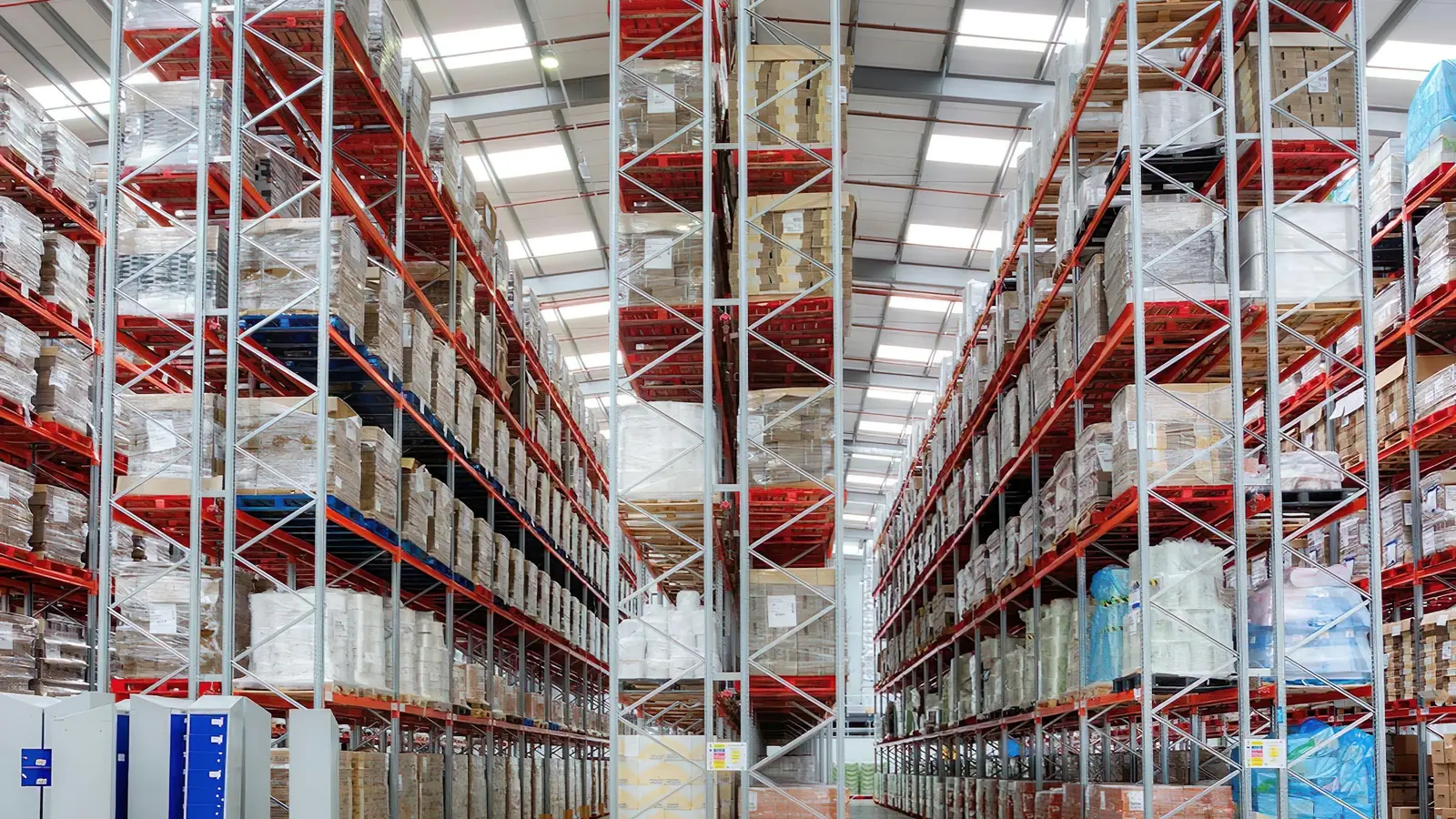
How purchase order finance pays your supplier so you can fulfil a large confirmed order, which businesses it suits, what funders check and what it costs.
Explore funding options Prefer a quick call back? Leave your number
“He is fair and always gives advice that is in the best interest of his clients.”
In short
What you need to know.
It suits resellers, wholesalers and distributors of finished goods with a healthy margin on the deal. The funder relies mainly on your customer's credit and your supplier's ability to deliver, and is usually repaid through invoice finance once you bill the customer.
About purchase order finance
Specialist knowledge. Better outcomes.
Purchase order finance is for the business that has won an order bigger than its bank balance: a distributor asked to supply a national retailer, a wholesaler with a public sector framework call-off, a reseller whose customer wants a container of product delivered in eight weeks. The order is real and profitable, but the supplier wants paying before goods ship, and the customer will not pay until 30 to 90 days after delivery. As a broker, Smart Funding Solutions arranges finance from £10,000 to £20 million, and approaches funders on our panel that specialise in order-by-order funding. It is one of several options on our cash flow finance hub.
The funder does not lend against your balance sheet. It funds a single transaction, and the security is the order itself, the goods and, above all, your customer's promise to pay.
Because the funding is transaction-based, charges usually accrue for as long as the money is out, often priced per month or part-month. A late shipment or slow-paying customer therefore costs you directly.
Illustration only, with round hypothetical figures. A homeware distributor receives a £200,000 order from a retail chain on 60-day terms. The goods cost £140,000 from a UK manufacturer that wants payment before dispatch. The distributor has £20,000 available. A purchase order funder pays the supplier's invoice directly; the goods are delivered to the retailer's distribution centre; the distributor invoices £200,000, and an invoice discounting facility advances against that invoice, repaying the funder. When the retailer pays, the discounting provider releases the balance less its charges. The distributor's profit is the £60,000 gross margin minus both funders' charges, freight and its own costs, which is why margin is the first thing to test.
Purchase order finance is one of the more expensive forms of short-term funding, because the funder carries supplier risk, delivery risk and customer risk on a single transaction. Think about:
If orders of this size are becoming normal rather than exceptional, a standing trade finance line or growth finance is likely to be cheaper and less intrusive over time.
its credit rating, filed accounts and payment record. A funder will often check it on the Companies House register and with credit agencies before looking closely at you.
whether it is firm and unconditional, or subject to approval, sale-or-return, retention or cancellation rights that could leave you holding stock.
funders need enough margin to cover their charges, freight, duty and any shortfall. A thin margin on a large order is one of the most common reasons for decline.
how long it has traded, whether it has delivered to this specification before, and whether it will accept payment from a third party or a letter of credit.
who holds the goods between supplier and customer, when title passes, and whether independent inspection or a bill of lading will evidence shipment.
evidence you have sourced and sold similar goods before, even at a smaller scale, and that the order is within your operational capacity.
an agreed path from customer invoice to cash, usually through an invoice finance facility already in place or arranged alongside.
How the main business finance structures work. Lenders set their own terms, so treat this as a guide to the questions to ask.
| Option | How you repay | Security | Often used for |
|---|---|---|---|
| Unsecured business loan | Fixed instalments, usually monthly | No charge over assets; a personal guarantee is usually required | Growth, stock, tax bills and cash flow |
| Secured business loan | Fixed instalments, often over a longer term | A charge over property or other assets | Larger sums, property and refinancing |
| Revolving credit facility | Interest on what you draw; repay and redraw | Varies by lender and case | Recurring or uneven cash flow gaps |
| Merchant cash advance | A share of future card takings | No charge over assets | Card-taking businesses with uneven months |
| Asset finance | Regular payments over the life of the asset | The asset being financed | Equipment, vehicles and machinery |
| Invoice finance | Settled as customers pay their invoices | Your unpaid invoices | Businesses waiting on customer payment |
General information only. Every lender has its own criteria, and all finance is subject to status.
Purchase order finance works best when the goods pass through your hands largely unchanged. Funders are comfortable financing finished products they can identify, value and, in the worst case, redirect to another buyer. They are far less comfortable once your own labour turns materials into something else, because a half-built product has little resale value.
| Situation | Typical fit | Why |
|---|---|---|
| Distributor buying branded goods for a large retailer | Strong | Finished stock, creditworthy buyer, clear margin |
| Wholesaler fulfilling a public sector framework order | Strong | Public bodies are low credit risk, though payment processes can be slow |
| Importer with a customer order and a factory in Asia | Possible | Supplier checks, inspection and shipping documents add steps |
| Manufacturer that needs raw materials to make the order | Limited | Work in progress is hard to value; stock or trade finance may suit better |
| Service business, such as a consultancy or installer | Poor | No goods for the funder to control; look at contract or invoice finance |
| Sales to consumers | Poor | No business customer whose credit underpins the deal |
If you make or assemble goods, our pages on manufacturing finance and stock finance cover structures built for that. Wholesalers with repeat trade rather than a one-off order should also read our guide to wholesale business finance.
Trade finance also pays suppliers, but it is usually a standing facility sized on your own trading record and credit, which you draw on for many purchases. Purchase order finance is narrower and leans on your customer's strength, so it can support a younger or thinly capitalised business with one large order that a trade finance line would not yet cover.
Invoice finance only starts once goods are delivered and invoiced. It solves the wait for payment, not the cost of buying the goods in the first place. The two are often combined: purchase order finance gets the goods to the customer, and selective invoice finance or a whole-ledger facility takes over once the invoice exists.
A working capital loan gives you cash to spend as you choose and does not require the funder to deal with your supplier or customer. It is simpler, but the lender sizes it on your own bank statements and accounts, so the amount may fall short of a large order. It also leaves you repaying in fixed instalments whether or not the customer has paid.
Before borrowing, ask whether your supplier will extend terms or accept a smaller deposit, and whether your customer will pay a deposit on order or pay on delivery rather than on 60 days. On a single large order, even a partial deposit can reduce what you need to fund.
Manufacturers that change goods before delivery may suit a wider facility; our case study on a food manufacturing growth facility is an example.
A revolving alternative for consumer brands is Triffin, which pays suppliers and lets you repay each drawing over up to six months.
It is free to enquire; any broker fee is disclosed separately before you proceed. You can start an enquiry online.
Sometimes. Because the funder relies mainly on your customer and supplier, a short trading history matters less than with a loan. You will still need to show you understand the goods and can deliver the order, and funders are more cautious where the business has no filed accounts. Our start-up business loans page covers other routes.
Usually yes, at least in part. The funder will want to verify the order with your customer and, where invoice finance repays the funder, payment normally goes to a controlled account. Some funders keep contact to a minimum, but fully confidential purchase order finance is uncommon.
It can be, where the overseas buyer is creditworthy and credit insurance is available on it. The funder will look closely at the country, the currency and how title and payment are documented. Our guide to export invoice finance explains how the invoice stage is funded for overseas customers.
That is the funder's main worry, and the reason it checks suppliers closely and may insist on inspection or a letter of credit. If the supplier does not deliver, you remain liable to the funder for money already paid out, subject to the agreement, so it is worth checking what recourse you have against the supplier before you commit.
The first purchase order finance deal takes longest, because the funder needs to check your business, your customer's credit standing, your supplier and the paperwork. Once you are set up, later orders with the same customer and supplier can move much faster. Having the signed purchase order, supplier quote and margin figures ready helps. Where suppliers are overseas, our page on trade finance covers related options.
Supply chain finance, also called reverse factoring, is a programme set up by a large buyer: once the buyer approves your…
Stock finance lends against inventory, either as a facility secured on goods you already hold or as funding to buy new stock…
Trade finance funds individual purchases of goods: a lender pays your supplier, often overseas, and you repay once the goods…

The right working capital loan depends on what causes the cash gap. A one-off, known shortfall suits a short-term loan; gaps…
You can use business finance to pay wages when a gap is temporary, for example while waiting for customers to pay or through a…
Yes, businesses run by tenants can borrow. Merchant cash advances, revenue-based finance, invoice finance and asset finance…
What our clients say
“Simon was fast, kept us updated at all stages and was a real pleasure to work with on our asset finance. I highly recommend this company: excellent service all round.”
“Spoke with Simon, who managed to get me the loan I needed promptly. The whole process was very smooth and was completed within a few days.”
“Getting a business loan can feel like a bit of a minefield, but everything was broken down for me in great detail. Will use again in the future!”
“Simon was a pleasure to deal with and helped us find a business loan that matched our growth goals and future expansion plans.”
“I couldn’t source funding for my business, but the team got in touch within an hour and had it sorted within 24 hours. Fantastic service, and I would definitely use them again.”