
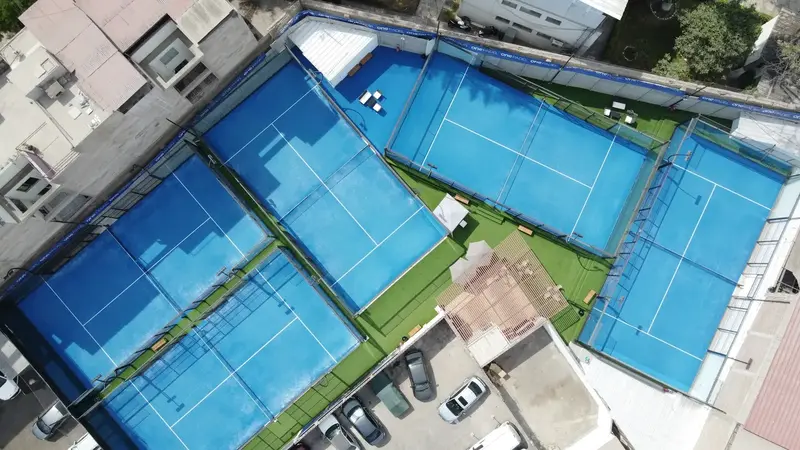
How to open a padel club: site, planning, costs and funding
To open a padel club, test local demand, choose between an indoor unit and an outdoor site, secure planning consent and a lease…
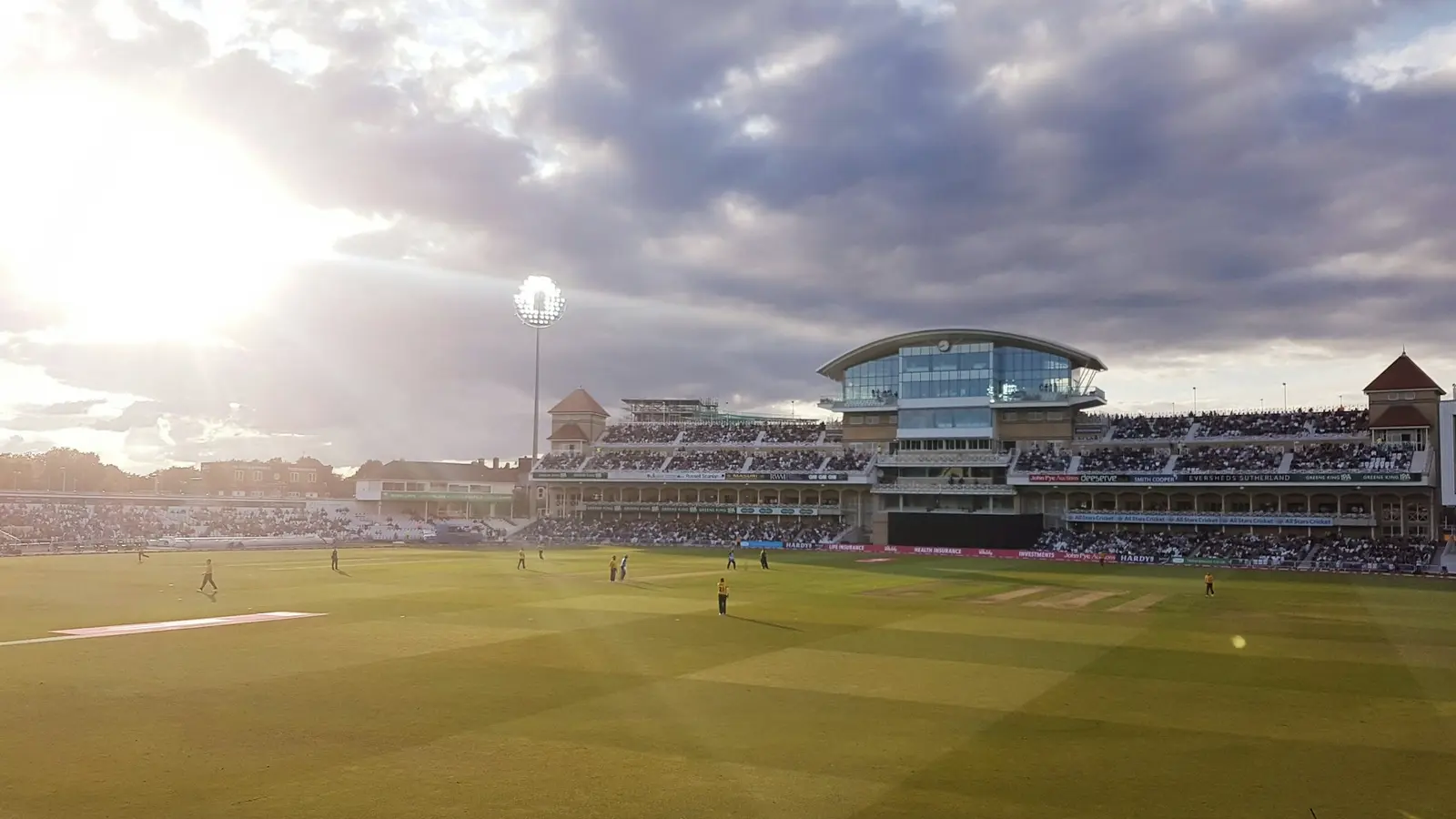
How sports venues, coaching firms, retailers, event organisers and clubs fund facilities, kit and seasonal cash flow with loans, equipment finance and grants.
Sports business funding is the mix of loans, equipment finance, grants and investment that sports and leisure businesses use to build facilities, buy kit and get through seasonal dips. This guide is for commercial sports venues such as padel, five-a-side and golf facilities, coaching and academy companies, sports retailers, event organisers and the clubs that run them. Smart Funding Solutions is a commercial finance broker: we compare lenders for the borrowing side, while this guide also covers grants and sponsorship that sit alongside it.
The right mix depends on whether you are buying equipment, improving facilities, covering seasonal cash flow or growing the business. For finance across other sectors, see our SME loans hub.
| Business | Typical pressure | Finance often considered |
|---|---|---|
| Sports venues and facilities | Large build or surfacing costs up front | Secured loans, asset finance, grants for community use |
| Coaching and academy companies | Income tied to school terms and holidays | Working capital loans, revolving credit |
| Sports retailers | Stock bought ahead of the season | Stock finance, working capital, merchant cash advance |
| Event organisers | Deposits and costs paid before ticket income | Short-term loans, revolving credit |
| Community clubs | Facility upgrades on limited budgets | Sports council grants, sponsorship, crowdfunding |
Community clubs are often set up as unincorporated associations, charities or community interest companies. Many commercial lenders focus on trading businesses, so a club's legal structure affects which lenders can help.
Padel venues have their own funding pattern, with courts, canopies and indoor conversions each treated differently by lenders. See padel club finance and our guide on how to open a padel club.
Golf and tennis clubs have their own patterns too, from buggy fleets and greenkeeping machinery to resurfacing and covered courts. See golf club finance and tennis club finance.
Football clubs and five-a-side operators fund pitches and lighting in their own way too. See football club finance, 3G pitch finance and sports floodlight finance. Indoor golf venues are covered in golf simulator finance.
Members' clubs in other sports can see sports club finance, cricket club finance, rugby club finance and sports clubhouse finance.
Asset finance lets you acquire equipment and vehicles without paying the full cost upfront, spreading payments over the asset's working life and keeping cash free for running costs. Hire purchase leads to ownership; leasing can make upgrading easier. Gyms often lease their equipment; our guide to gym equipment finance compares the choices.
Unsecured loans provide a lump sum for projects such as refits or expansion, typically with a personal guarantee. Secured loans against property may support larger projects over longer terms. Gyms and fitness studios have their own page on gym business loans.
Sports businesses often have seasonal income, for example around membership renewals, school holidays or the playing season. Working capital loans, revolving credit or a merchant cash advance (repaid from card takings) can smooth the gaps.
Grants do not need to be repaid, but they are usually competitive, tied to specific projects such as increasing participation or improving community facilities, and may come with reporting requirements. The national sports councils publish their current funds:
Grants are generally aimed at clubs and community organisations rather than commercial businesses, and often cover only part of a project's cost, so they are frequently combined with other finance.
Local and commercial sponsors can fund kit, events or facilities in return for branding and promotion. Sponsorship works best when you can show sponsors a clear audience and benefit.
Rewards-based crowdfunding can raise money from members, fans and the local community, particularly for visible projects such as a new clubhouse or pitch. Success usually depends on a compelling story, attractive rewards and regular updates to backers.
Selling a share of the business to investors avoids repayments but gives up part of the ownership and future profits, and investors may want a say in decisions. It tends to suit high-growth businesses such as sports technology or franchise concepts.
| Loans | Equity | |
|---|---|---|
| Repayment | Repaid with interest | No repayments |
| Ownership | You keep full ownership | Investors take a share |
| What funders focus on | Affordability, credit and security | Growth potential and business value |
This guide is general information, not financial advice. Lenders set their own criteria, rates and terms, and all finance is subject to status.
Not ready for the full application? Leave a few details and a broker will call you to talk it through. It is free, with no obligation.
Some can, but many commercial lenders focus on trading businesses, so a club set up as an unincorporated association or charity may find fewer options. Clubs with a company structure, steady membership income and accounts are easier to fund. Grants, sponsorship and crowdfunding often play a bigger part for community clubs. Sport England publishes its current funds; see Sport England funding.
Yes, new sports facilities such as padel courts and five-a-side pitches are typically funded with a mix of secured loans for the build, asset finance for surfacing, floodlights and equipment, and working capital for the opening period. Lenders look at the site lease, planning, booking forecasts and your experience running a venue. Our page on indoor leisure finance covers similar venue projects.
Often yes, particularly for unsecured loans and working capital facilities to limited companies, where lenders usually ask directors to guarantee the borrowing. Asset finance on equipment and secured loans against property rely more on the security, but a guarantee may still be requested for newer businesses. Grants and equity investment do not need personal guarantees. Read what any guarantee covers before you sign.
Lenders look at how income moves across the year, for example around membership renewals, school holidays or the playing season, and want to see repayments are affordable in the quietest months. Bank statements covering a full year and a month-by-month cash flow forecast help them understand the pattern. Revolving credit can smooth predictable gaps. See seasonal business finance for more.
To open a padel club, test local demand, choose between an indoor unit and an outdoor site, secure planning consent and a lease…

Sports floodlight finance usually splits a project in two: LED fittings and controls can often go on asset finance, while…

Trampoline parks and other indoor leisure sites usually fund their installed attractions with equipment finance, the building…

Leisure centre finance usually combines asset finance for pool plant, gym equipment and energy saving kit, a term loan or…

Leisure business finance is borrowing for gyms, salons, spas, indoor and outdoor attractions, events companies, laundries and…
Sports club loans usually combine a term loan or secured loan for clubhouse and pitch works, asset finance for machinery and…
Our clients say
Trusted by UK businesses across every sector.
“Simon was fast, kept us updated at all stages and was a real pleasure to work with on our asset finance. I highly recommend this company: excellent service all round.”
“Spoke with Simon, who managed to get me the loan I needed promptly. The whole process was very smooth and was completed within a few days.”
“Getting a business loan can feel like a bit of a minefield, but everything was broken down for me in great detail. Will use again in the future!”
“Simon was a pleasure to deal with and helped us find a business loan that matched our growth goals and future expansion plans.”
“I couldn’t source funding for my business, but the team got in touch within an hour and had it sorted within 24 hours. Fantastic service, and I would definitely use them again.”
A short conversation is often enough to know which lenders will look at your case and how to present it. There is no obligation, and it is free to enquire.