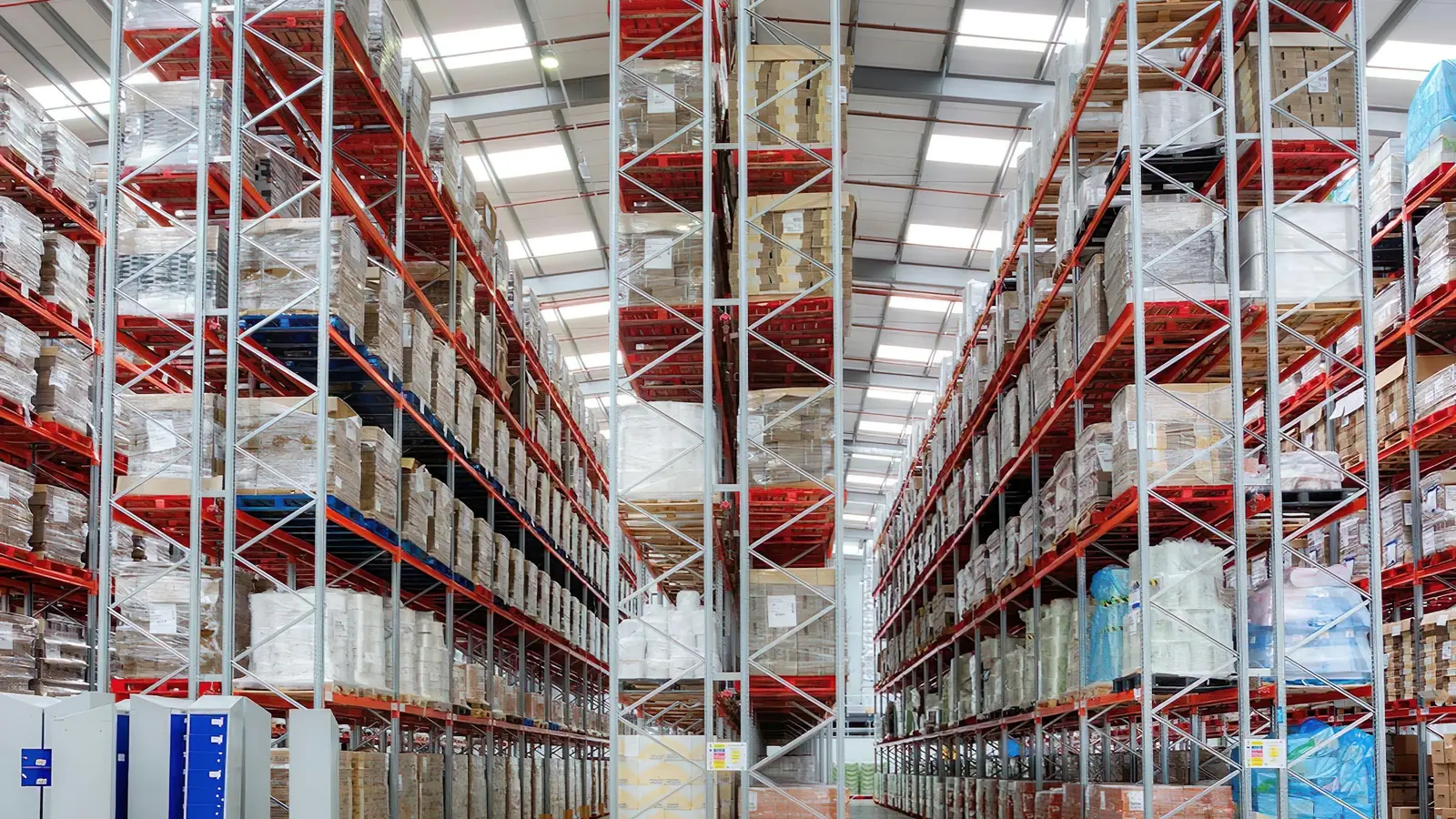
The business wasn’t only buying a property. It was securing its operating base.
A healthcare operator bought the freehold it traded from. The lender needed to understand both the specialist building and the business in it.
Thinking of buying the building your business trades from? See how owner-occupier lending works, the cash you will need and what lenders assess.
Prefer a quick call back? Leave your number

A loan to buy business premises is usually an owner-occupier commercial mortgage, repaid from the profits of the business that trades in the building. Lenders commonly fund a share of the value, so plan for a deposit of a quarter or more plus tax and fees. They focus on whether your accounts support the repayments after all other borrowing, and on how easily the building would sell if the business left.
This guide is for owners of trading businesses and professional practices, such as accountants, solicitors, dentists, vets and engineering firms, who are weighing up buying the building they work from instead of renting it. Smart Funding Solutions is a broker, not a lender: we search our panel of 300+ lenders for premises finance and related facilities from around £10,000 to £500,000+, with larger facilities available in suitable cases. It sits within our wider commercial property finance section, which also covers investment and development property.
Not ready for the full application? Leave a few details and a broker will call you to talk it through. It is free, with no obligation.
The trigger is usually one of a handful of moments:
Buying suits a business that is settled in its location and size for the next decade. If headcount could double, or the firm might relocate for a client or a merger, a lease may still be the better tool.
You are most likely to qualify if your business has two or more years of profitable accounts, will occupy most of the building itself, can show the repayments are affordable once rent is removed, and has a deposit available. With owner-occupied premises, the lender is really underwriting your business with the building as security. Expect these points to be tested:
Our detailed page on commercial mortgages explains repayment options, covenants and lender types.
The deposit is where most premises purchases succeed or stall. Common sources include:
Illustration (hypothetical round figures): a firm paying £40,000 a year in rent is offered its building for £600,000. If a lender funds 70%, the loan is £420,000 and the firm needs £180,000 towards the price, plus Stamp Duty Land Tax at the non-residential rates, both sides' legal fees and the valuation. If VAT has been charged on the building by an owner who opted to tax, that cash is needed at completion too, even if it is later recovered. The firm should check it can find that money and still keep several months of costs in reserve.
Sitting-tenant purchases have particular features. Your existing lease normally ends when you buy the freehold, which also removes any looming dilapidations claim, a real saving on an older lease. You already know the building's condition, running costs and neighbours, which lenders see as a strength. On the other hand, the landlord knows you want to stay, so get an independent valuation view before agreeing a price, and do not serve notice or let a lease lapse until the funding offer is in hand.
Ask your solicitor and accountant to deal with capital allowances on fixtures before exchange. When buying a used building, the buyer's ability to claim allowances on items such as heating, lighting and lifts generally depends on what the seller has claimed and on what is agreed in the purchase contract, and it cannot easily be fixed afterwards.
Some buildings cannot be mortgaged straight away: they may be vacant and in poor repair, lack essential services or be sold at auction with a fixed completion date. In those cases a bridging loan can fund the purchase, with a commercial mortgage arranged once the building is usable. Interior works to a building you already occupy, such as partitioning, IT cabling and treatment rooms, are often better funded separately through fit-out and refurbishment finance, so the mortgage is not stretched to cover assets that do not add value to the property.
Buying business premises with a commercial mortgage typically takes eight to twelve weeks from application to completion, and complex purchases can take longer. An agreement in principle can often be obtained within a week or two of providing accounts. Most of the remaining time goes on the lender's valuation, which for a specialist building such as a surgery or workshop may take longer to arrange, and on the legal work: title checks, searches, leases of any parts you will not occupy, and environmental reports on industrial sites. Sitting-tenant purchases can be quicker because the building and occupier are known. Auction purchases with a fixed completion date often need a bridging loan first, as a mortgage rarely completes in time.
The building you are buying is the main security: the lender takes a first legal charge over the property, registered at HM Land Registry, and can sell it if the loan is not repaid. Lenders lending to a limited company often also take a debenture over the company's assets, and many ask directors or partners for personal guarantees, particularly where the trading record is short or the building is specialist. If the deposit is raised against another property, that property carries a charge too. Where a pension scheme or a separate property company owns the building, the charge sits with that owner and the lender usually wants a formal lease to the trading business. Our guide to personal guarantees explains what directors are signing.
If the business struggles, the building that houses it is at risk, and personal guarantees may extend that risk to your own assets. Ownership concentrates your wealth in one local property market. Selling a business that owns its premises is also more complex: some buyers want the building, others would rather rent it, so think about whether the property should sit inside the trading company at all. Finally, a rent-to-repayment comparison that works at today's rates may not if a variable rate rises, so test the repayments at a higher rate before committing.
If a straight owner-occupier mortgage does not fit, there are several other ways to secure the building or the space you need.

£725,000
Years paying rent. An opportunity to own the building instead.
A distribution company bought the warehouse it had rented for years, with a commercial mortgage that kept cash in the business.
Buying your own premises is a long-term decision, but it still has to work for cash flow on day one.
Read the transactionHow the main business finance structures work. Lenders set their own terms, so treat this as a guide to the questions to ask.
| Option | How you repay | Security | Often used for |
|---|---|---|---|
| Unsecured business loan | Fixed instalments, usually monthly | No charge over assets; a personal guarantee is usually required | Growth, stock, tax bills and cash flow |
| Secured business loan | Fixed instalments, often over a longer term | A charge over property or other assets | Larger sums, property and refinancing |
| Revolving credit facility | Interest on what you draw; repay and redraw | Varies by lender and case | Recurring or uneven cash flow gaps |
| Merchant cash advance | A share of future card takings | No charge over assets | Card-taking businesses with uneven months |
| Asset finance | Regular payments over the life of the asset | The asset being financed | Equipment, vehicles and machinery |
| Invoice finance | Settled as customers pay their invoices | Your unpaid invoices | Businesses waiting on customer payment |
General information only. Every lender has its own criteria, and all finance is subject to status.
| Question | Renting | Owning with a mortgage |
|---|---|---|
| Cash needed upfront | Rent deposit and fit-out | Deposit, Stamp Duty Land Tax or its equivalent, legal and valuation fees, fit-out |
| Monthly outgoing | Rent, reviewed periodically | Repayments, which reduce the debt over time |
| End of occupation | Dilapidations claim from the landlord | You sell, let or keep the building |
| Control | Landlord consent for alterations and subletting | Your decision, subject to the lender's consent for major changes |
| Flexibility | Move at lease end or a break date | Moving means selling or letting first |
| Capital growth or loss | Landlord's | Yours |
The comparison most owners miss is opportunity cost. Money used for the deposit and purchase costs is no longer available for stock, staff, equipment or an acquisition. If the business would then need to borrow for working capital at a higher cost, the premises purchase has quietly made the business more expensive to run.
We start by testing your accounts against the purchase before you agree a price, so you know the likely loan size and deposit. We then approach lenders on our panel that fund your type of building and business, compare structure, fees and covenants with you, and coordinate the valuer and solicitors through to completion. The lending decision rests with the lender. It is free to enquire; any broker fee is disclosed separately before you proceed.

Practices will find sector detail in our pages on law firm office purchase, dental practice freehold purchase and GP surgery premises.
Illustrative figures from the numbers you enter, before you speak to a lender.
There is no single right answer. Company ownership is simpler to fund, while personal, SPV or pension ownership can separate the property from trading risk and provide rental income later. The tax consequences differ considerably, so take advice from your accountant before an offer is made.
Yes. Lenders will usually treat the building as owner-occupied if your business uses the majority of it, and may take the rent from the let part into account. Lease terms for the tenant need the lender's approval.
It is difficult without trading accounts, because the lender has no profit record to test. A larger deposit, owners with a track record in the same sector, or extra security can help. Many new businesses rent first; see our guide to start-up business loans for early-stage options.
It can. Repayments on the premises loan count against the profit available to support future borrowing, and the building is usually charged to the mortgage lender. Plan larger equipment or working capital needs alongside the purchase rather than after it.
It is unusual to borrow the full price of business premises from a single lender, because lenders commonly fund only a share of the value. Some buyers bridge the gap with a second charge over another property they own, directors' own funds or a pension scheme, but the purchase lender will take any extra borrowing into account. Running the figures through our commercial mortgage calculator early shows how much of your own money you are likely to need.
A healthcare operator bought the freehold it traded from. The lender needed to understand both the specialist building and the business in it.
A professional services firm bought an office for its growing team, with the finance planned alongside the fit-out and move.

Business premises can be owned by the trading company, a separate property company (SPV), the partners or an LLP, or a pension…

A commercial mortgage is a long-term loan secured on business property, used to buy, hold or refinance offices, industrial…

A semi commercial mortgage is a long-term loan secured on a mixed-use property, such as a shop with a flat above, where the…

A commercial investment mortgage is long-term borrowing secured on a building let to business tenants and repaid from the rent…

Land purchase finance is short or medium-term borrowing secured on a plot or site, usually arranged as a bridging loan, as the…

Mezzanine finance is a second-ranking loan that sits between the senior lender's debt and the owner's own equity, reducing the…

Tell us what the funding is for. We search our panel of 300+ lenders, structure the case and approach the ones suited to it. No obligation, and free to enquire.