
£250,000 to build stock ahead of peak demand.
An online homeware business needed to buy seasonal stock before the sales arrived. We arranged a £250,000 facility.
Ecommerce line of creditRead the transaction
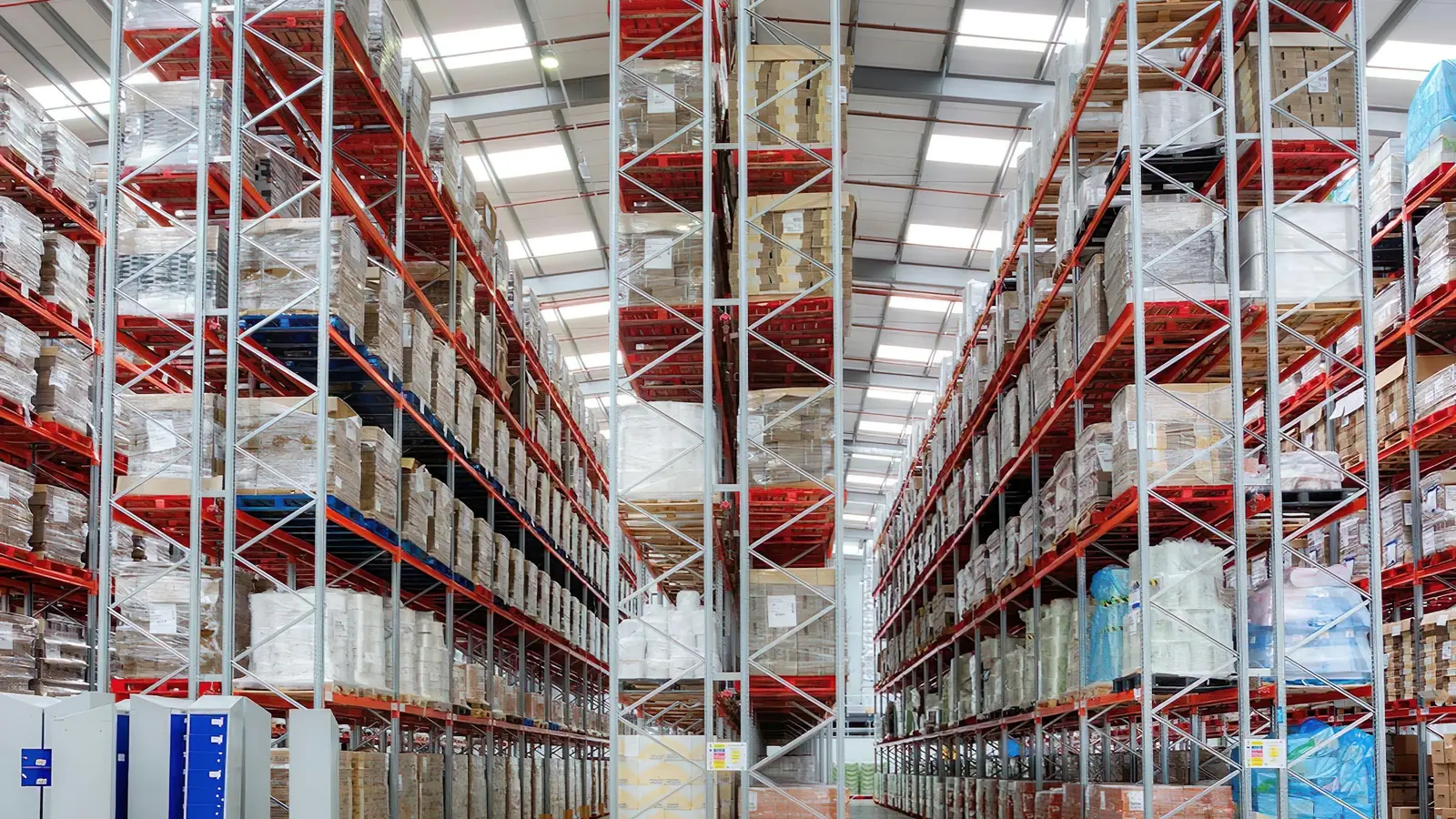
How stock finance works for wholesalers, retailers, ecommerce sellers and manufacturers: what lenders will advance against, what they exclude and why.
Explore funding options Prefer a quick call back? Leave your number
“I highly recommend this company: excellent service all round.”
In short
What you need to know.
Lenders advance a proportion of what the stock would fetch in a forced sale, not what it cost, so fast-moving, non-perishable finished goods with good records attract the most. Ecommerce sellers often use revenue-based finance instead.
A transaction we arranged
£300,000
£300,000 across two facilities. Cash turned into stock on the forecourt.
The dealership wanted to buy vehicle stock rather than leave cash waiting for the next sales cycle.
Read the transactionAbout stock finance
Specialist knowledge. Better outcomes.
For a wholesaler, distributor, retailer, manufacturer or online seller, the money spent on inventory is often the largest sum in the business, and it has to be spent weeks or months before the goods sell. This page is for owners and finance directors who need to buy more stock than cash allows, build up for a peak season, or release money tied up in inventory they already hold. Smart Funding Solutions is a broker, not a lender: we look for lenders on our panel with appetite for your type of goods, arranging facilities from £10,000 to £20 million. It is one of the options in our cash flow finance section.
Stock finance for UK retailers funds the goods you need before they sell: a lender pays your supplier or advances against stock you hold, and you repay as the stock sells, often through a revolving facility. Smart Funding Solutions, a whole-of-market commercial finance broker, compares stock, trade and revolving credit lenders for shops, wholesalers and online retailers, including seasonal buying.
The British Business Bank lists stock alongside debtors and equipment as assets businesses can borrow against in its guide to working capital finance options, and the Growth Guarantee Scheme covers eligible asset based lending. Shops should also read retail business loans. To see which lenders fund stock for retailers like you, use Instant Quotes (no credit check).
The lender advances a percentage of the value of inventory already in your warehouse, usually as a revolving limit that rises and falls with stock levels. It is most often provided as part of an asset-based lending facility, alongside invoice finance, because a lender that can see the goods and the invoices they turn into has a clearer view of the whole cycle. The British Business Bank's explainer on asset-based lending sets out the model.
The lender pays for stock you are about to buy and you repay once it sells or after an agreed period. When the supplier is overseas and the lender pays against shipping documents, this becomes trade finance. When the need is simply "more money to buy more stock", a working capital loan or a revolving credit facility often does the same job with less monitoring.
A stock lender asks one question: if the business failed, what would these goods fetch, quickly, through an agent or auction, after costs? That figure, the net orderly liquidation value, is usually well below cost and far below retail price. The advance is a proportion of it.
Lenders then remove stock they cannot rely on, which is why the facility is often smaller than owners expect:
What remains, the eligible stock, forms the borrowing base. Most facilities require a regular stock report and periodic audits or site visits to check the figures.
Stock turn is cost of sales divided by average stock held; stock days is 365 divided by stock turn. The higher the turn, the less cash inventory ties up and the more comfortable a lender is that it can be sold.
Illustration only, with round hypothetical numbers; not a quote or offer. A garden products wholesaler has cost of sales of £2.4 million and holds an average of £400,000 of stock, so it turns stock six times a year and goods sit for around 60 days. To meet spring demand it must lift stock to £700,000 by February. The extra £300,000 is spent in winter and returned in April to June. A seasonal stock or revolving facility sized to that peak, and reducing as goods sell, fits the pattern; a five-year term loan for the same amount would leave the business paying interest on money it does not need for most of the year.
Grocery and convenience stores, with fast stock turn and perishable lines, often combine stock facilities with other finance; see grocery store and supermarket loans.
Holiday parks use stocking lines for caravans and lodges held for sale to owners; our page on caravan park finance covers how this sits alongside a park's commercial mortgage.
Online sellers have a particular problem: their stock often sits in a marketplace fulfilment centre, spread across locations the seller does not control, which makes traditional stock lending difficult. Instead, most ecommerce inventory is funded against the sales it produces:
Lenders will look at sell-through rates, returns, account health on each platform and how dependent the business is on one marketplace. Our page on ecommerce business loans covers the wider options.
eBay sellers building stock for Black Friday and Christmas can see how marketplace-linked funding compares in our guide to eBay seller loans.
Stock finance suits businesses that hold physical, saleable goods and can prove what they hold, where it is and how fast it sells. Wholesalers, distributors, manufacturers with raw materials and finished goods, and established retailers are the typical borrowers. Lenders want a stock system that produces reliable reports by line, a gross margin that leaves room to clear goods at a discount, and enough trading history to show the seasonal pattern. Dedicated stock lines are usually limited companies with sizeable inventories, often alongside debtors. Businesses whose goods are mostly under retention of title, perishable or made to order may find little stock counts, and are often better served by the alternatives above.
A stock-based facility is normally secured by a debenture giving the lender a charge over the stock, and usually over the business's other assets too, because goods that are constantly bought and sold are held under a floating rather than a fixed charge. Our guide to fixed and floating charges explains the difference. Lenders also typically ask for stock insurance with their interest noted, a personal guarantee from the directors and, if a bank already holds a debenture, a deed of priority agreeing who ranks first. Where stock sits in a wider asset-based lending facility, the same security package covers the receivables and any plant.
A stock-based or asset-based facility typically takes several weeks to put in place, while unsecured stock funding through a working capital loan or revolving line is often arranged within days to a couple of weeks. The longer timescale comes from the work a stock lender must do before lending: an independent valuation of the inventory, a field audit of your stock records and systems, review of supplier terms for retention of title, and security documents including any priority agreement with an existing lender. Clean, current stock reports and early sight of key supplier contracts shorten it. Plan around your peak, so the facility is live before the stock order is placed.
Stock turn, ageing and the quality of stock records and systems.
Gross margin, which is the cushion if stock has to be cleared at a discount.
Supplier terms, particularly retention of title clauses.
Where the stock is held, insurance and security of the premises.
Trading history, profitability and existing borrowing.
Credit history of the business and directors, and usually a personal guarantee.
How the main business finance structures work. Lenders set their own terms, so treat this as a guide to the questions to ask.
| Option | How you repay | Security | Often used for |
|---|---|---|---|
| Unsecured business loan | Fixed instalments, usually monthly | No charge over assets; a personal guarantee is usually required | Growth, stock, tax bills and cash flow |
| Secured business loan | Fixed instalments, often over a longer term | A charge over property or other assets | Larger sums, property and refinancing |
| Revolving credit facility | Interest on what you draw; repay and redraw | Varies by lender and case | Recurring or uneven cash flow gaps |
| Merchant cash advance | A share of future card takings | No charge over assets | Card-taking businesses with uneven months |
| Asset finance | Regular payments over the life of the asset | The asset being financed | Equipment, vehicles and machinery |
| Invoice finance | Settled as customers pay their invoices | Your unpaid invoices | Businesses waiting on customer payment |
General information only. Every lender has its own criteria, and all finance is subject to status.
| Option | Suits | Trade-off |
|---|---|---|
| Stock-based facility | Larger businesses with significant, well-recorded inventory | Reporting, audits and exclusions reduce the usable amount |
| Asset-based lending | Businesses with stock, debtors and sometimes plant together | Most efficient at larger sizes; set-up is more involved |
| Revolving credit | Recurring seasonal builds | Usually unsecured with a director's guarantee |
| Term or working capital loan | A one-off stock purchase | Repayments continue even if the stock sells slowly |
| Longer supplier terms | Businesses with a strong buying position | Free, but may cost the early-payment discount |
Where the stock is bought against a confirmed customer order, purchase order finance may fit better than any of these.
Some providers combine stock funding with supplier payments and forecasting software; our review of Triffin explains how its revolving facility pays suppliers and how each drawing is repaid.
Send us your stock report, accounts and the purchase you are planning. We work out which parts of your inventory a lender is likely to count, whether a stock-based facility, a revolving line or revenue-based finance fits, and approach lenders on our panel with appetite for your goods. Lenders make the decisions. It is free to enquire; any broker fee is disclosed separately before you proceed.
Yes, although dedicated stock-based facilities tend to suit larger inventories. Smaller businesses more often fund stock with a working capital loan, revolving credit or, for card-heavy retailers, a merchant cash advance, usually with a director's guarantee.
Lending directly against stock in a marketplace fulfilment centre is uncommon, because the lender cannot control it. Funding is usually based on the sales history instead, through revenue-based or short-term finance.
Stock finance is borrowing by the business that holds the goods. Supply chain finance is usually arranged by a large buyer so its suppliers can be paid early, based on the buyer's credit rather than the supplier's stock.
Yes, stock finance is most often provided alongside invoice finance as part of an asset-based lending facility. A lender that can see both the goods and the invoices they turn into has a clearer view of the whole trading cycle, which can support a larger combined limit than either facility alone. Set-up is more involved, so it tends to suit larger businesses. See asset-based lending for how the combined facility works.
If stock sells more slowly than expected, the amount you can borrow against it usually falls. Lenders often exclude slow-moving and obsolete lines from the borrowing base, so ageing stock stops counting just when cash is tight. With a term or working capital loan, repayments continue regardless of how quickly goods sell. Building a cautious stock turn assumption into your forecast before you borrow helps avoid a squeeze.
A lender pays your supplier or advances against stock you hold, and you repay as the goods sell, often through a revolving facility. Retailers also use short-term loans, revolving credit, merchant cash advances and revenue based finance for stock. Smart Funding Solutions compares stock and trade finance lenders on its panel of 300+. Get Instant Quotes.
An online homeware business needed to buy seasonal stock before the sales arrived. We arranged a £250,000 facility.
Retail stock has to be bought months before peak trading pays for it. We arranged funding for the gap.

A second charge business loan is secured on a property that already has a mortgage, sitting behind the existing lender rather…
Yes, businesses run by tenants can borrow. Merchant cash advances, revenue-based finance, invoice finance and asset finance…

An R&D tax credit loan is a short-term advance against the cash a UK company expects HMRC to pay for an R&D tax relief claim. A…
Purchase order finance pays your supplier so you can fulfil a confirmed order from a creditworthy business or public sector…

Trade finance funds individual purchases of goods: a lender pays your supplier, often overseas, and you repay once the goods…

The right working capital loan depends on what causes the cash gap. A one-off, known shortfall suits a short-term loan; gaps…
What our clients say
“Simon was fast, kept us updated at all stages and was a real pleasure to work with on our asset finance. I highly recommend this company: excellent service all round.”
“Spoke with Simon, who managed to get me the loan I needed promptly. The whole process was very smooth and was completed within a few days.”
“Getting a business loan can feel like a bit of a minefield, but everything was broken down for me in great detail. Will use again in the future!”
“Simon was a pleasure to deal with and helped us find a business loan that matched our growth goals and future expansion plans.”
“I couldn’t source funding for my business, but the team got in touch within an hour and had it sorted within 24 hours. Fantastic service, and I would definitely use them again.”