

Asset refinance: release cash from equipment, vehicles and machinery you own
How much you can raise depends mainly on what the asset would sell for today, not what you paid for it. Vans, HGVs, plant and machinery with an active resale…
Spread the cost of vehicles, machinery and equipment, or release cash from assets you own. Hire purchase, leasing and refinance compared, plus lender checks.
“I highly recommend this company: excellent service all round.”
In short
What you need to know.
Hire purchase ends in ownership, a finance or operating lease gives use without ownership, and refinancing raises cash against kit you already have. Lenders then weigh the asset's resale value and age alongside your accounts and credit record, so a used van and bespoke software can be treated very differently.
A transaction we arranged
£185,000
The machine could increase capacity. Paying £185K in cash would have reduced it.
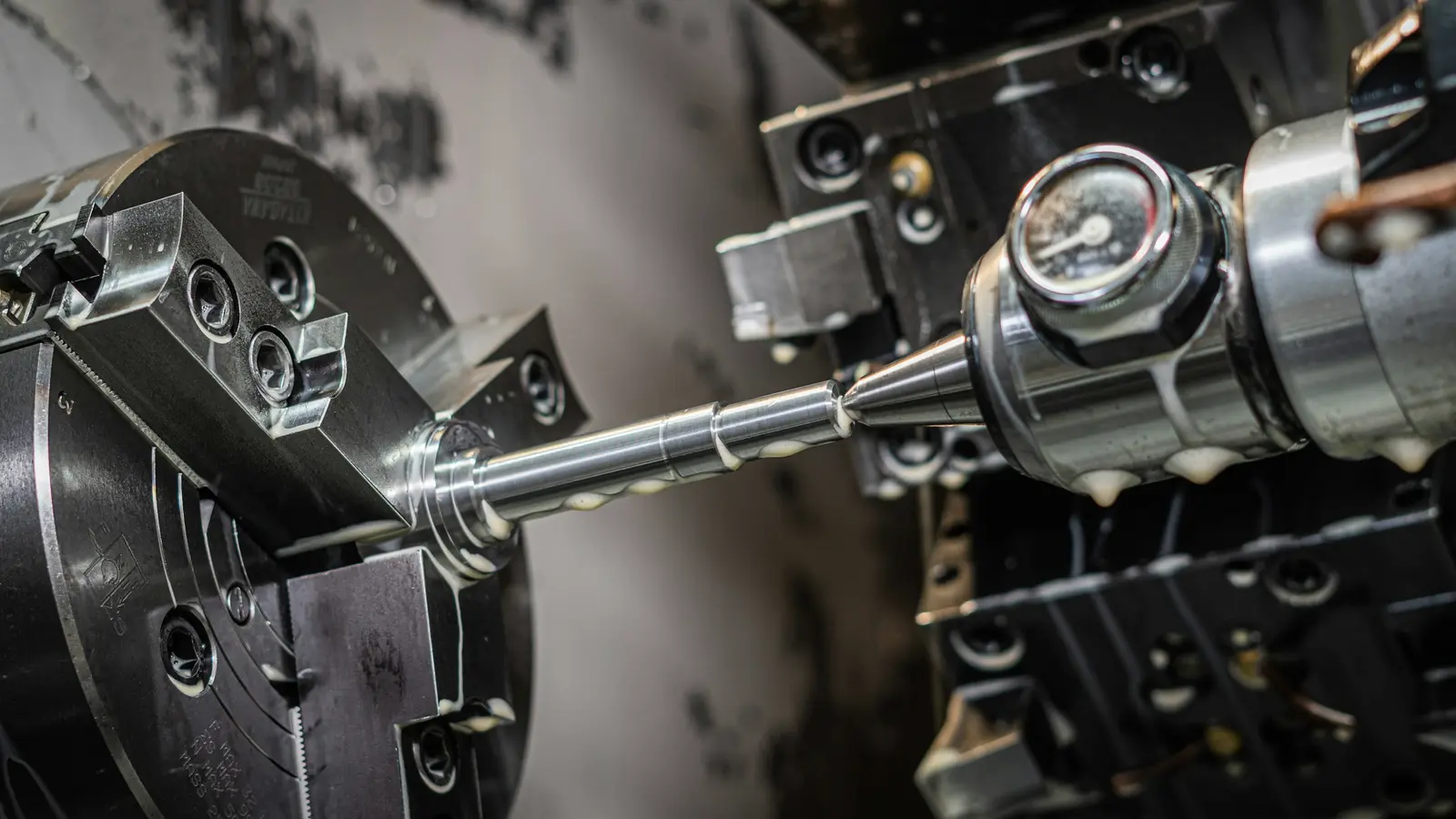
An engineering firm wanted a new CNC machine without draining working capital. We arranged asset finance against the machine.
Read the transactionAbout asset finance
Specialist knowledge. Better outcomes.
Asset finance is a way of paying for business equipment, vehicles or machinery over an agreed term, with the asset itself usually securing the agreement. It is for businesses that need kit to trade or grow but do not want to hand over a large sum of working capital to buy it, and for owners who want to release cash from equipment they already own. Smart Funding Solutions searches its panel of 300+ lenders, including specialist asset finance providers, for terms that fit the asset and the way your business earns.
Asset finance is one of the main routes within our business finance range. Because the lender can recover the asset if payments stop, it can be easier to arrange than unsecured borrowing, and property security is often not needed.
We also arrange finance for specific machines and vehicles, including cranes, cherry pickers and access platforms, tipper trucks, minibuses, skip lorries, recovery trucks, ULEZ compliant vehicles, commercial refrigeration, IT equipment, coffee machines, laser cutting machines and modular buildings.
Each option suits a different need. Start with the one closest to yours; we will compare the rest for you.
How much you can raise depends mainly on what the asset would sell for today, not what you paid for it. Vans, HGVs, plant and machinery with an active resale…

The right structure depends on whether you want to own the kit. Hire purchase suits equipment you will use for most of its working life, because it becomes…
Hire purchase is the usual route if you want to own a machine you will keep for years; a finance or operating lease suits machinery that dates quickly or is…

Bad credit asset finance: how to get equipment funded with a weaker credit history

Soft asset finance: funding software, IT systems and fit-outs
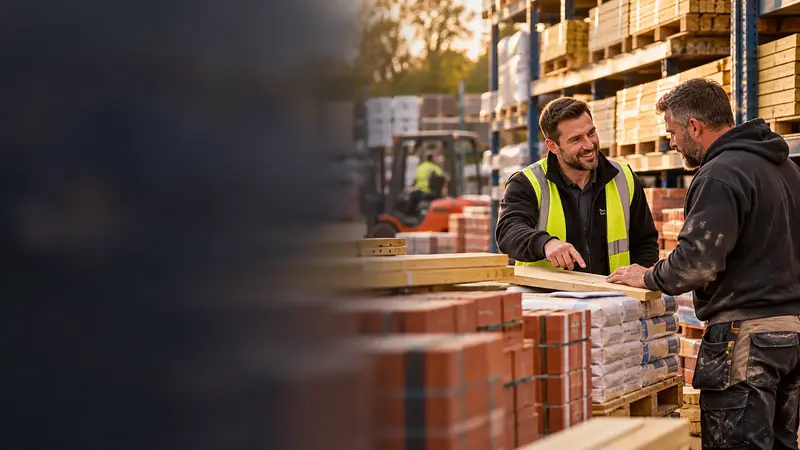
Forklift finance for warehouses, yards and distribution sites

Medical and laboratory equipment finance for UK clinics and practices

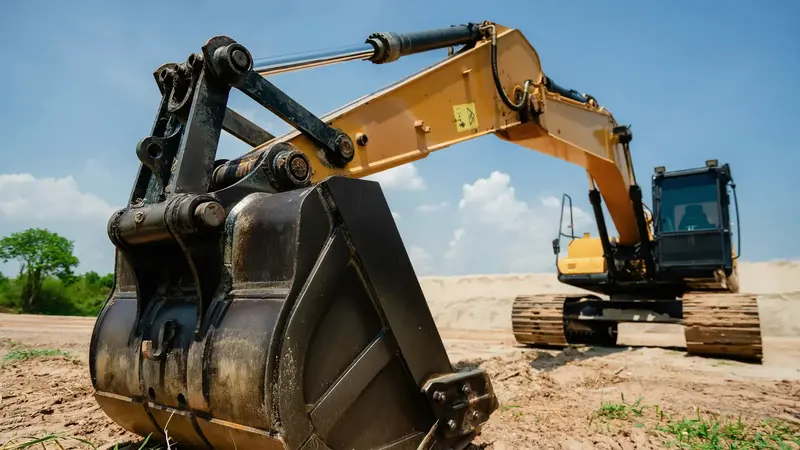
Plant finance for contractors, plant hire firms and quarry operators

Green business finance for solar, heat pumps and energy efficiency

Business vehicle and fleet finance: cars, vans and trucks compared
Hire purchase vs leasing: which is right for your business assets?

Ground care equipment finance for grounds maintenance contractors

Operating lease: use the asset, leave the residual risk with the lessor

Finance lease vs operating lease: which should your business choose?

Warehouse equipment finance: racking, handling and loading bay kit

EV charger finance: funding charge points for fleets and sites

Tipper truck finance for builders, groundworkers and hauliers
Minibus finance for schools, clubs, care providers and operators

Commercial refrigeration finance for shops, food producers and cold stores

IT equipment finance for laptops, servers, networks and phones

Coffee machine finance for cafes, hotels, offices and forecourts
Recovery truck finance for operators, garages and the motor trade

Laser cutting machine finance for fabricators and manufacturers
Modular building finance for cabins, classrooms, offices and clinics

Limited company car finance: buying or leasing a car through your company

Prestige car finance for business: supercars, prestige and classic cars

Sale and leaseback finance: selling equipment to a lender and leasing or buying it back
Monthly costs depend on the asset's value, any deposit, the term, whether there is a final balloon payment and your credit profile.
There is no single best asset finance lender in the UK: the right one depends on the asset, its age, your trading history and credit. Smart Funding Solutions, a whole-of-market commercial finance broker, compares high street banks, specialist asset finance companies and lenders that focus on soft assets, used kit or weaker credit, then approaches those most likely to approve your case.
Asset finance lenders differ far more by appetite than by brand. A lender that prices a new van keenly may not touch a ten year old excavator, and a lender happy with software may decline a start-up. These are the main kinds of lender we search across, with our own lender reviews where we have them:
Each review covers what that lender funds; the full list is on our lender reviews page. We do not rank lenders, because the best offer depends on your case.
Some asset finance is available under the British Business Bank's Growth Guarantee Scheme from £1,000, through accredited lenders. To see which lenders fit your asset and business, use Instant Quotes; there is no credit check to see your matches.
Hard assets are tangible items with a resale value, such as vehicles, machinery, plant and agricultural equipment. They are the most straightforward to finance because the lender can recover value if needed.
Soft assets have little resale value, such as software, IT systems, security equipment, fixtures and fittings. They can still be financed, but lenders look more closely at the strength of your business because the asset offers less security.
Asset finance also reaches specialist sectors such as aviation, where flight schools, charter operators and survey firms use aircraft finance in the UK, including hire purchase, aircraft mortgages and leasing, to fund aircraft, helicopters and drones.
Gyms and studios fund cardio machines, strength racks and fit-outs the same way, often alongside an unsecured loan for marketing and staff; see business loans for gyms.
Vessels are a specialist corner of asset finance. Our page on commercial fishing boat finance explains how marine lenders use a registered mortgage, a survey and landings records.
Limited companies, partnerships and sole traders can all apply, although sole traders may find fewer lenders and may need a strong personal credit record. Finance of £25,000 or less to sole traders and small partnerships can be regulated consumer credit.
The asset you are financing is normally the main security, so most asset finance needs no property charge. With hire purchase the lender owns the asset until the final payment; with a lease it stays in the lender's ownership throughout, which is why it can repossess if payments stop.
Lenders often ask limited company directors for a personal guarantee, particularly where the business is young, the asset is soft or specialist, or the amount is large relative to turnover. A bigger deposit, a shorter term or a strong trading record can reduce or remove that requirement. For larger facilities a lender may also want a debenture. Read our guide to personal guarantees before you sign one.
The main alternatives are a general business loan, a wider asset-based facility or simply paying cash. An unsecured business loan can fund kit and installation together, but lenders price it on the business rather than the asset. Asset-based lending combines plant, stock and receivables into one revolving facility, which suits larger businesses with several asset classes. A secured business loan against property may offer a longer term for a big project. If cash is plentiful, buying outright avoids interest, though it ties up working capital. Our guide to hire purchase vs leasing compares the two most common agreements.
With hire purchase, your business is normally treated as owning the asset and may be able to claim capital allowances. With leasing, rental payments are often treated as a business expense. The rules are detailed, so check the right treatment with your accountant and see HMRC's guidance on capital allowances.
An asset finance broker does not lend. We take the details of the asset, the supplier and your business, work out which lenders on our panel fund that kind of asset for a business like yours, and present the case to them. Then we compare the offers with you on the total amount payable, not just the monthly figure.
It matters because asset finance lenders differ more than most. They set their own limits on the age of the asset, the trading history they need, whether they fund private sales and whether they take soft assets such as software at all. A machine one lender declines can be routine for another.
Every page in our asset finance section, grouped by what you are funding.
The asset: its type, value, age, condition and how easily it could be resold.
The supplier and a clear quote or invoice.
Your trading history, accounts and bank statements.
Business and director credit history.
Affordability: whether cash flow comfortably covers the payments.
Any deposit you can put down; directors may also be asked for a personal guarantee.
Lenders weigh the asset as much as the business. These are the rules lenders on our panel apply (checked October 2026).
many set a maximum age at the end of the agreement. Aldermore takes vans up to 6 years old at the end of the term and machine tools up to 12; Cambridge & Counties Bank takes vans up to 8 years and excavators and HGVs up to 15; Allica Bank takes vehicles up to 20 years. One lender will not fund used IT or shop fittings at all.
most asset finance on the panel has no fixed minimum deposit, but boats and aircraft typically need 10% to 30% down and one hard asset lender asks for 10% on every deal. A deposit also helps newer businesses and weaker credit.
24 of the 40 asset finance lenders on the panel have at least one product with no minimum trading period, 10 ask for 12 months and 6 want two or three years. Several fund businesses trading for less than two or three years only where a director owns their home.
16 of the 40 will look at adverse credit on at least one product, usually with a larger deposit or a shorter term; the rest want a clean or fair record.
94 of the 114 asset finance products on the panel ask directors for a personal guarantee.
some lenders fund dealer sales only; a private sale needs checks on title and any finance still owed.
| Advantages | Disadvantages |
|---|---|
| Protects working capital by avoiding a large upfront payment | The total cost is higher than paying cash |
| Fixed payments make budgeting easier | The asset can be repossessed if you fall behind |
| The asset usually acts as security, so property is often not required | With leasing, you may never own the asset |
| You can use newer, more efficient equipment sooner | You are committed for the term; ending early can mean settlement charges |
Before you commit, ask two questions: could the business keep operating if the asset were lost, and will the asset earn or save more than it costs over the term?
How the main business finance structures work. Lenders set their own terms, so treat this as a guide to the questions to ask.
| Option | How you repay | Security | Often used for |
|---|---|---|---|
| Unsecured business loan | Fixed instalments, usually monthly | No charge over assets; a personal guarantee is usually required | Growth, stock, tax bills and cash flow |
| Secured business loan | Fixed instalments, often over a longer term | A charge over property or other assets | Larger sums, property and refinancing |
| Revolving credit facility | Interest on what you draw; repay and redraw | Varies by lender and case | Recurring or uneven cash flow gaps |
| Merchant cash advance | A share of future card takings | No charge over assets | Card-taking businesses with uneven months |
| Asset financeThis page | Regular payments over the life of the asset | The asset being financed | Equipment, vehicles and machinery |
| Invoice finance | Settled as customers pay their invoices | Your unpaid invoices | Businesses waiting on customer payment |
General information only. Every lender has its own criteria, and all finance is subject to status.
Asset finance companies in the UK fall into four broad groups: the asset finance arms of high-street and challenger banks, independent specialist asset finance providers, manufacturer and dealer finance schemes, and brokers who compare them. Each prices risk differently, so the same machine can attract quite different offers depending on where you apply.
| Provider type | Where it tends to fit | Points to check |
|---|---|---|
| Bank asset finance divisions | Established, profitable businesses buying mainstream kit | Stricter on trading history and sector; may expect a wider banking relationship |
| Independent specialist providers | Used, specialist or sector-specific assets, younger businesses and more complex cases | Appetite varies widely by asset type; pricing reflects the risk |
| Manufacturer and dealer finance | New equipment from one brand, sometimes with promotional terms | Tied to that supplier; less flexible for used kit or mixed fleets |
| Brokers | Businesses that want several providers compared at once | Whether the broker is whole-of-market and how any fee is disclosed |
A start-up can get asset finance, and it is often one of the more accessible forms of borrowing for a new business because the equipment itself supports the agreement. Lenders that fund new businesses usually look for a hard asset with a clear resale value, the directors' experience in the trade, a clean personal credit record and a deposit, and they commonly ask for a personal guarantee. Soft assets such as software are harder to fund in the first year of trading. Our page on start-up business loans covers the wider options for new companies.
Compare offers on the total amount payable, not just the monthly figure. Our asset finance calculator shows how the deposit and term change the payments.
Most asset finance to limited companies is not regulated consumer credit. Finance of £25,000 or less to sole traders and small partnerships can be regulated consumer credit, which brings extra protections, and not every asset finance provider offers regulated agreements.
The five agreements below cover almost every asset finance deal. The first three fund an asset you are buying; the last two raise cash against an asset you already have.
| Agreement | How it works | At the end | Often suits | Read more |
|---|---|---|---|---|
| Hire purchase | Deposit, then fixed monthly payments; you use the asset from day one | Yours after the last payment, sometimes with a small option-to-purchase fee | Long-life assets you want to own | Business hire purchase |
| Finance lease | The lender owns the asset and rents it to you for most of its working life | Extend the rental, return it or sell it on the lender's behalf | Using an asset without owning it | Finance lease |
| Operating lease | A shorter rental, often with maintenance; the lender takes the resale risk | Hand it back or upgrade | Kit you replace every few years | Operating lease |
| Asset refinance | A loan or new agreement against equipment or vehicles you already own outright | You keep using the asset while you repay | Raising working capital | Asset refinance |
| Sale and leaseback | You sell an asset to the lender and lease or hire purchase it back | Back in your ownership on hire purchase, or returned on a lease | Recently bought kit, or cash tied up in assets | Sale and leaseback |
Our guides to hire purchase vs leasing and finance lease vs operating lease go further, and the British Business Bank: leasing and hire purchase guide explains both in plain terms.
A business buys a £60,000 machine on hire purchase, puts down a 10% deposit and finances the rest over four years at an assumed 9% a year.
| Item | Figure |
|---|---|
| Machine cost | £60,000 |
| Deposit (10%) | £6,000 |
| Amount financed | £54,000 |
| Term | 48 months |
| Monthly payment | £1,343.79 |
| Total interest | £10,502.03 |
| Total paid, including the deposit | £70,502.03 |
The rate is an assumption for the illustration, not a quote; fees and VAT are left out, and the rate you are offered depends on the lender and your circumstances.
A longer term lowers the monthly payment but raises the interest, and a final balloon does the same. Try your own figures in the asset finance calculator. On hire purchase you may be able to claim capital allowances; see GOV.UK: Annual Investment Allowance and GOV.UK: full expensing, and check with your accountant.
Ten of the asset finance lenders we compare, with the amounts, terms and indicative rates on their current products. Each row links to our independent write-up of the lender.
| Lender | Best for | Amounts | Terms | Indicative rate | Refinance or sale and leaseback |
|---|---|---|---|---|---|
| Allica Bank | Businesses trading two years or more buying vehicles, plant, equipment, green assets and high-value cars | £20k to £2.5m | Up to 8 years | 7% to 9.2% a year | Yes |
| Cambridge & Counties Bank | Longer agreements, up to 10 years, across most asset types | £25k to £1.5m | Up to 10 years | 6.5% to 10% a year | No |
| Close Brothers | Most asset types, including sole traders, partnerships, aircraft and boats | £10k to £20m | Up to 10 years | 8.5% to 16.5% a year | Yes |
| Aldermore | Businesses trading three years or more, including refinance of vehicles and plant | £25k to £1m | Up to 7 years | 8.85% to 10.85% a year | Yes |
| BPCE Equipment Solutions | Medical, technology and hard assets bought from a dealer | £10k to £3m | Up to 7 years | 7.25% to 17.8% a year | No |
| Siemens Financial Services | Technology and medical equipment, including sale and leaseback | £10k to £100k | Up to 7 years | 8.35% to 19.35% a year | Yes |
| Oxbury Bank | Farms and agricultural machinery, vehicles and livestock | £25k to £5m | Up to 7 years | 5.75% to 8.25% a year | Yes |
| Arkle Finance | Boats, aircraft, holiday lodges and education equipment, as well as hard and soft assets | £15k to £750k | Up to 7 years | 8% to 20.25% a year | Yes |
| Admiral Leasing and Loans | New businesses, with separate new-start pricing | £10k to £100k | Up to 5 years | 13% to 23.5% a year | No |
| Time Finance | Limited companies financing hard and soft assets | £10k to £1m | Up to 5 years | 9.5% to 14% a year | Yes |
Indicative ranges from lenders on our panel, checked October 2026; your rate depends on your circumstances. Rates are yearly unless the lender prices by the month. Smart Funding Solutions is a broker, not a lender, and is not part of any lender listed. Fees depend on the lender, nothing upfront. See all lender reviews.
It is free to enquire; any broker fee is disclosed separately before you proceed. With a supplier quote to hand, you can explore funding options online.
Instant asset finance quotes
Tell us how much you need. Instant Quotes shows which lenders on our panel fit your business, then a broker helps you choose between hire purchase, leasing and a loan.
Prefer to talk it through? Call 01244 267694
Illustrative figures from the numbers you enter, before you speak to a lender.
Terms are usually matched to the asset's useful working life, so long-lasting assets such as heavy machinery can be financed over longer terms than IT equipment. The lender also considers the asset's age and resale value and your affordability. Shorter terms mean higher monthly payments but less interest overall.
Yes, many lenders finance used equipment, vehicles and machinery, provided it has a reliable value and is in good working order. Lenders may limit the asset's age at the end of the agreement, and older assets can mean shorter terms. Buying from a reputable dealer usually makes the process simpler.
Many asset finance agreements ask for a deposit, but the amount depends on the lender, the asset, the type of agreement and your credit profile. Hire purchase often needs an upfront payment, which can include the VAT, while some leases start with one or more advance rentals instead. A larger deposit lowers the amount borrowed and the monthly cost, and can help a newer or weaker case.
Most asset finance agreements can be settled early, but you may not save all the remaining interest. Lenders set their own settlement terms, and some charge a fee or include a share of future interest in the settlement figure. Leases work differently from hire purchase, so ask for a settlement quote and check the agreement before you sign if you expect to clear it early.
If you fall behind on asset finance, the lender can usually recover the asset, and you may still owe any shortfall. Missed payments are also recorded on credit files. Contact the lender as early as possible, because many will discuss a payment plan or a revised term before taking action. Refinancing the agreement over a longer term can sometimes reduce the monthly cost.
Yes, some asset finance providers will fund a business with no trading history, particularly for hard assets such as vans, plant or machinery that hold their value. Expect the lender to lean on the directors' personal credit and industry experience, to ask for a deposit and a personal guarantee, and possibly to offer a shorter term. A supplier quote and a simple cash flow forecast showing how the asset will earn its keep strengthen the case.
The amount depends mainly on the asset's cost and value, your deposit and whether the business can comfortably afford the payments. Lenders also weigh trading history, credit record and existing borrowing. We arrange business finance from £10,000 to £20 million, and several assets can be financed through separate agreements or grouped into one facility. If you are refinancing equipment you already own, the amount is limited by what the kit is worth today.
Yes, this is usually called asset refinancing. A lender advances cash against equipment, vehicles or machinery the business owns outright or has partly paid off, and you keep using the assets while you repay. The amount depends on the assets' current value and age and on affordability. Property can also be used as security through a secured business loan. Our asset refinance page explains how it works.
An asset finance broker finds lenders with appetite for your asset and your business, presents the case and compares the offers with you. We arrange the finance; the lender makes the decision. Fees depend on the lender, nothing upfront, and any broker fee is disclosed before you proceed.
Both raise cash against an asset you already have. Asset refinance is a loan or new agreement secured on equipment you own outright; sale and leaseback means selling the asset to the lender and leasing or hiring it back. See asset refinance and sale and leaseback.
It depends on the lender and the asset. Lenders on our panel set limits such as vans up to 6 or 8 years old at the end of the agreement and machine tools or excavators up to 12 or 15 years (checked October 2026). Some will not fund used IT or shop fittings.
Often, because the asset secures the agreement, but not always. Compare the total amount payable, including fees and any balloon, against an unsecured loan for the same term.
Some lenders will, with checks on the seller, the title and any finance still owed; others fund dealer sales only. Tell us at the start so we approach the right lenders.
It depends on the asset, its age, your trading history and credit. Bank-owned lenders suit established businesses buying new hard assets; specialist and independent lenders suit used kit, refinance and newer businesses; soft asset lessors suit IT and fit-outs. Smart Funding Solutions compares lenders across its panel of 300+. Get Instant Quotes.
An established practice financed scanners, chairs and technology so its cash could go on the wider refurbishment.
A logistics operator needed several commercial vehicles for new contracts. Vehicle finance kept cash free for drivers and mobilisation.
Independent write-ups of lenders on our panel that offer this type of finance. Smart Funding Solutions is a broker and is not part of any lender listed. See all lender reviews.
Town and city pages with local business figures, public funds and the lenders on our panel that cover each postcode. See regional business loans.
For most businesses the choice comes down to who carries the resale and battery risk. Contract hire leaves it with the lender…
Yes, a new business can borrow before it has accounts, but the realistic routes depend on what you can show a lender. With no…

When a company outgrows a single bank loan, it usually moves to a combined structure: a revolving credit facility or…
Being based in Wales does not limit which commercial lenders you can use; UK banks and specialist lenders assess Welsh…
The right way to fund a 3D printer depends mostly on how long it will stay commercially useful. Hire purchase suits a system…

Lease a security system if you want a low upfront cost, maintenance bundled into one payment and an easy upgrade when the…
What our clients say
“Simon was fast, kept us updated at all stages and was a real pleasure to work with on our asset finance. I highly recommend this company: excellent service all round.”
“We were looking for finance for new equipment. Simon is excellent and objective-driven, without the horrendous form filling of your usual high street bank. The whole thing took just a few days.”
“Spoke with Simon, who managed to get me the loan I needed promptly. The whole process was very smooth and was completed within a few days.”
“Getting a business loan can feel like a bit of a minefield, but everything was broken down for me in great detail. Will use again in the future!”
“Simon was a pleasure to deal with and helped us find a business loan that matched our growth goals and future expansion plans.”
“I couldn’t source funding for my business, but the team got in touch within an hour and had it sorted within 24 hours. Fantastic service, and I would definitely use them again.”

Chat with Smart Funding
We usually reply in seconds
Please don't share bank details or passwords here. Calls on 01244 267694.