

Gym business loans for fitness centres and studios
Most gyms split the funding: equipment finance or leasing for the gym floor, secured on the kit, plus an unsecured loan for fit-out, marketing or staff.…

Leisure business finance for gyms, salons, attractions, activity centres, events firms and laundries: how lenders assess you and which finance fits.
Explore funding options Prefer a quick call back? Leave your number
“I highly recommend this company: excellent service all round.”
In short
What you need to know.
It usually combines asset finance for equipment, a term loan or fit-out facility for premises works, and a flexible facility such as revolving credit or a merchant cash advance for seasonal dips. Lenders focus on card or membership income, lease length and equipment value.
A transaction we arranged
£13,000
£13K further advance for an existing client.
Current trading and repayment performance were reassessed before the lender increased its exposure.
Read the transactionAbout leisure business finance
Specialist knowledge. Better outcomes.
This page is for owners of gyms, salons, spas, trampoline parks, activity centres, event companies, laundries and dry cleaners who are looking for leisure business finance to fit out a site, buy equipment, open another location or ride out a quiet season. Leisure and personal services businesses share a pattern lenders recognise: income from the public, often by card or direct debit, a premises lease, specialist kit and a busy and quiet part of the year. Smart Funding Solutions is a broker, not a lender. We approach lenders on our panel of 300+ and arrange facilities from £10,000 to £20 million. This hub is part of our sector finance for SMEs.
Each option suits a different need. Start with the one closest to yours; we will compare the rest for you.
Most gyms split the funding: equipment finance or leasing for the gym floor, secured on the kit, plus an unsecured loan for fit-out, marketing or staff.…

Beauty salon business loans fund refits, treatment equipment, stock and new sites for hair and beauty salons, barbers, nail bars, spas and aesthetics…

Event management businesses usually borrow to cover costs that fall due before the event pays: venue and supplier deposits, production, staffing and…

Dry cleaning business finance for dry cleaners and laundries
Outdoor activity business finance for adventure centres and instructors
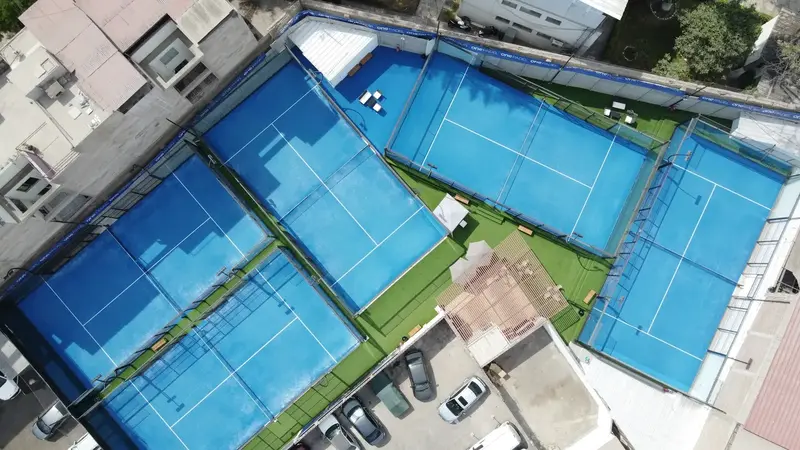


Tennis club finance for courts, floodlights and covered courts

Football club finance for pitches, floodlights and clubhouses

Leisure centre and swimming pool finance for operators, trusts and swim schools

Sports club loans for cricket, rugby, hockey and bowls clubs
Each business type has its own guide, written around how it trades.
Most gyms split the funding: equipment finance or leasing for the gym floor, secured on the kit, plus an unsecured loan for fit-out, marketing or staff. Sites with strong direct debit income may suit revenue-based finance. See gym and fitness centre business loans for how membership numbers and churn are assessed.
Salons, barbers, nail bars, spas and aesthetics clinics borrow for refits, treatment equipment, stock and new sites. Lasers and treatment beds usually suit leasing or hire purchase, while a refit often needs a term loan. Our beauty salon finance page explains how lenders view chair rental versus employed staff.
Trampoline parks and other indoor attractions usually fund installed attractions with equipment finance, the building fit-out with a term loan, and seasonal dips with a merchant cash advance or revolving facility. Read indoor leisure finance for the points lenders raise about installed equipment.
Padel operators usually fund courts and lighting on asset finance, groundworks, building works and clubhouses with a term loan, and outdoor courts with a canopy that may be funded either way. Lenders look closely at planning consent, the site and court bookings. Our padel club finance page explains how a padel project is usually split.
Golf clubs and courses usually fund buggies and greenkeeping machinery on hire purchase or leasing, clubhouse and course works with a term loan, and a course purchase with a commercial mortgage. Lenders look at membership and green fee income, who owns the land and the club's legal structure. See golf club finance.
Tennis clubs usually fund resurfacing and new courts with a term loan, secured loan or governing body loan, and floodlights or a dome partly on asset finance. Security of tenure and the club's ability to borrow matter most. See tennis club finance.
Football clubs and small-sided pitch operators usually fund 3G pitches with a term loan, secured loan or grant, and floodlights partly on asset finance. Lenders look at pitch bookings, tenure and the club's structure. See football club finance.
Cricket, rugby, hockey and bowls clubs often fund clubhouses and pitch works with a mix of governing body loans, grants and a term or secured loan, usually borrowing through trustees or a club company. See sports club finance.
Swimming pools and leisure centres, and marinas and boatyards, carry heavy plant and infrastructure costs that lenders split between equipment and property. See leisure centre finance and marina finance.
Adventure centres and instructors usually finance boats, bikes, vehicles and climbing kit through asset finance, and use an unsecured loan for things that cannot be repossessed, such as a high ropes course or a booking system. Our outdoor activity business finance guide covers the seasonal income pattern.
Event companies borrow to cover venue and supplier deposits, production, staffing and marketing that fall due before the event pays. A working capital loan or revolving facility suits that outlay, and asset finance covers staging, lighting and marquees. See events business finance.
Dry cleaners and laundries mostly borrow for machines, so asset finance is the usual starting point, with term loans for shop refits or buying a business. Commercial laundries serving hotels or care homes can sometimes use invoice finance. Our laundry and dry cleaner finance page also covers new versus used machines.
Livery yards, riding schools and equestrian centres have their own seasonal pattern and property questions, covered on our equestrian business loans page.
Salon owners may want our news on the call for a VAT cut for hair and beauty salons.
Venues adding padel can see how lenders split courts, lighting and groundworks, with a worked example over five years, in our guide to padel court finance.
Leisure business finance usually combines two or three facilities: asset finance for the equipment that earns the money, a term loan or fit-out facility for the work on the premises, and a flexible facility for seasonal swings. Lenders like equipment they can recover and resell, and they like card or membership income they can see arriving every day. They are more cautious about spending that cannot be repossessed, such as building works in a leased unit, and about income that depends on good weather or a handful of peak weeks.
Leisure business finance suits operators with at least a year or two of trading, a lease long enough to cover the borrowing, steady card or membership income and owners with relevant experience. Expanding operators with a proven first site are often strong candidates.
It is harder for brand new sites with no trading record, businesses on short or expiring leases, and operators whose income is concentrated in a few weeks of the year. Start-ups may still fund equipment through asset finance, with the kit as security, but usually need a personal contribution towards fit-out.
Asset finance, merchant cash advances and unsecured loans can see decisions within a few working days in straightforward cases. Fit-out funding takes longer where lenders want to see contractor quotes and lease terms, and property purchases follow the usual valuation and legal process. Timings depend on the lender and the case.
Asset finance is secured on the equipment. Merchant cash advances and unsecured loans for limited companies usually carry personal guarantees from the directors. Fit-out lending may need a debenture or additional security because the works themselves have little resale value. Check whether any guarantee is capped and what it covers before signing.
Asset finance is priced into fixed monthly rentals, sometimes with a deposit and a final option fee. Unsecured loans charge interest plus an arrangement fee. A merchant cash advance charges a fixed fee on the amount advanced, repaid as a share of card sales, so the effective cost depends on how quickly it is repaid. Revolving facilities charge interest on drawn balances plus a fee for the limit.
Membership presales, deposits on bookings and annual passes can fund part of a new site or season. Equipment suppliers sometimes offer their own payment plans, and landlords may contribute to fit-out in return for a longer lease. Our article on seasonal business finance looks at managing the quiet months.
Card takings, direct debits and bookings by month, to see how deep the quiet season goes.
Membership churn, repeat bookings and corporate accounts.
Lease length, break clauses and rent as a share of turnover.
Whether it is new or used, how specialised it is and how easily it could be resold.
Insurance, inspection regimes and any licensing your activity requires.
A track record in the trade counts heavily for smaller operators.
How the main business finance structures work. Lenders set their own terms, so treat this as a guide to the questions to ask.
| Option | How you repay | Security | Often used for |
|---|---|---|---|
| Unsecured business loan | Fixed instalments, usually monthly | No charge over assets; a personal guarantee is usually required | Growth, stock, tax bills and cash flow |
| Secured business loan | Fixed instalments, often over a longer term | A charge over property or other assets | Larger sums, property and refinancing |
| Revolving credit facility | Interest on what you draw; repay and redraw | Varies by lender and case | Recurring or uneven cash flow gaps |
| Merchant cash advance | A share of future card takings | No charge over assets | Card-taking businesses with uneven months |
| Asset finance | Regular payments over the life of the asset | The asset being financed | Equipment, vehicles and machinery |
| Invoice finance | Settled as customers pay their invoices | Your unpaid invoices | Businesses waiting on customer payment |
General information only. Every lender has its own criteria, and all finance is subject to status.
The product should match the life of what you are buying and the way you are paid.
| Need | Finance that usually fits | Why |
|---|---|---|
| Gym kit, treatment machines, attractions, laundry machines | Asset finance | Secured on the equipment, repaid over its working life |
| Fitting out a new or leased site | Fit-out and refurbishment finance | Spreads the cost of works that cannot be repossessed |
| Quiet months, with strong card takings | Merchant cash advance | Repaid as a share of card sales, so it slows when trade slows |
| Recurring seasonal gaps | Revolving credit facility | Draw before the season, repay during it |
| Marketing, staff, a second site | Unsecured business loan | Fixed repayments, based on trading history |
| Buying the freehold of your premises | Commercial mortgage | Long term, secured on the property |
| Feature | Merchant cash advance | Unsecured business loan |
|---|---|---|
| Repayment | A share of daily card takings | Fixed monthly instalments |
| In a quiet month | Repayments fall with sales | Repayments stay the same |
| Main test | Card turnover history | Accounts, affordability and credit |
| Cost | Fixed fee; often higher overall | Interest over the term |
Our merchant cash advance calculator helps you see how repayments would track your takings.
We look at what you need to fund, how your income arrives across the year and what security is available. We then approach lenders on our panel that understand leisure and personal services, and set out the terms, security and guarantees each proposes so you can compare. Lenders make every credit decision. It is free to enquire; any broker fee is disclosed separately before you proceed.
Often, yes. Many asset finance lenders fund used equipment bought from a dealer or another business, although terms may be shorter and the lender will want to know the age, condition and value of the kit. Private sales need more checks, such as proof the seller owns it outright. Our used equipment finance page explains more.
Yes. Buying a trading gym, salon or laundry is usually funded with a term loan sized on the business's profits, sometimes alongside asset finance on the equipment and a personal contribution from the buyer. Lenders want to see the seller's accounts, the lease assignment terms and how much trade depends on the outgoing owner.
They take an interest. Chair or room rental gives steady income with lower payroll risk, but lenders check how secure those arrangements are and whether the renters could leave together. Salons with a mix of employed and self-employed staff usually show the clearest picture by separating rental income from treatment takings.
Many of the products are the same, but clinics offering medical treatments face different regulation and lenders assess prescriber arrangements and insurance closely. Our aesthetics clinic finance page covers the points that differ from a standard salon application, including how lenders view consultation and aftercare records.
Instant Quotes shows which lenders on our panel are likely to fit your business, with no credit search. Have your card takings and bank statements ready, because lenders size most leisure loans on them.
Sage estimates that starting a gym in the UK typically needs around £75,000 to £120,000 upfront, though a small studio can cost less and a large gym far more. Premises, fit-out and equipment are the biggest items. Our guide to the cost of opening a gym breaks the estimates down, and our gym business loans page covers the finance.
Leisure trading can be seasonal, and the lender needed to account for that.
Venue improvements, staffing and working capital for a leisure-led business.
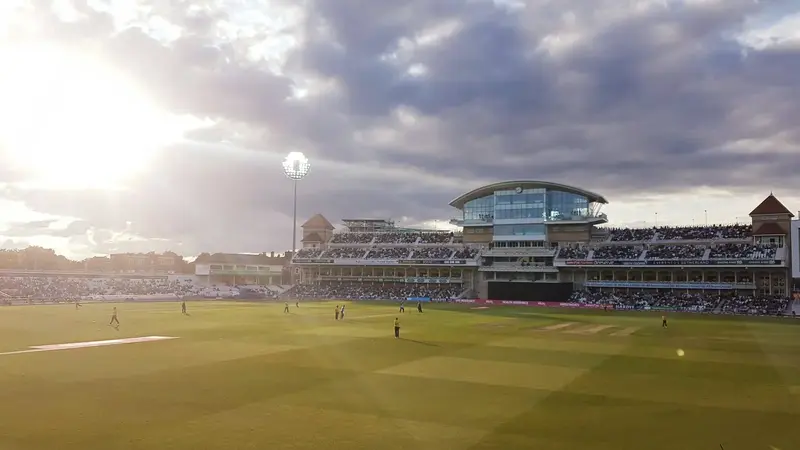
How a sports business is funded depends mostly on whether it is a commercial business or a community club. Commercial venues,…
Business services finance is borrowing for consultancies, estate and letting agencies, property services, recruitment, security…
Lease the gym kit that dates and buy the kit that lasts. Cardio machines with screens and software usually suit an operating…

Specialist care homes for people with learning disabilities, autism, mental health needs or brain injury earn individually…

Private ambulance operators usually fund converted vehicles through hire purchase or leasing, clinical equipment through asset…

Property services businesses, such as maintenance contractors, facilities management firms and property consultancies, mostly…
What our clients say
“Simon was fast, kept us updated at all stages and was a real pleasure to work with on our asset finance. I highly recommend this company: excellent service all round.”
“Spoke with Simon, who managed to get me the loan I needed promptly. The whole process was very smooth and was completed within a few days.”
“Getting a business loan can feel like a bit of a minefield, but everything was broken down for me in great detail. Will use again in the future!”
“Simon was a pleasure to deal with and helped us find a business loan that matched our growth goals and future expansion plans.”
“I couldn’t source funding for my business, but the team got in touch within an hour and had it sorted within 24 hours. Fantastic service, and I would definitely use them again.”