
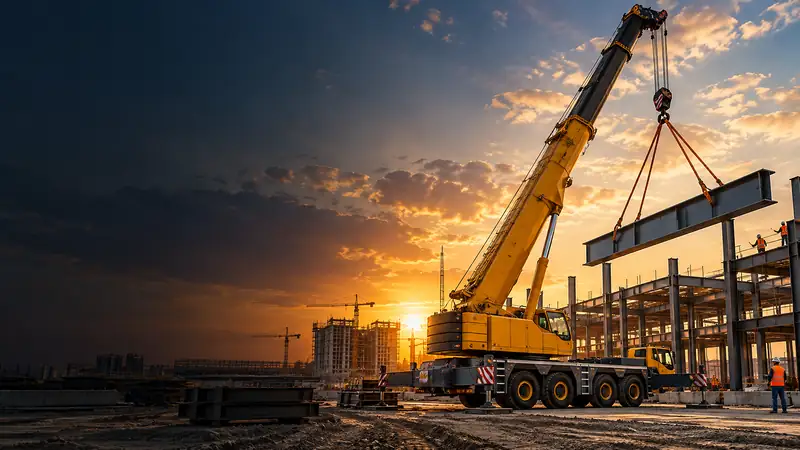
Crane finance for hire companies and lifting contractors
Crane finance spreads the cost of a mobile, crawler, tower or lorry-loader crane over monthly payments, usually through hire…
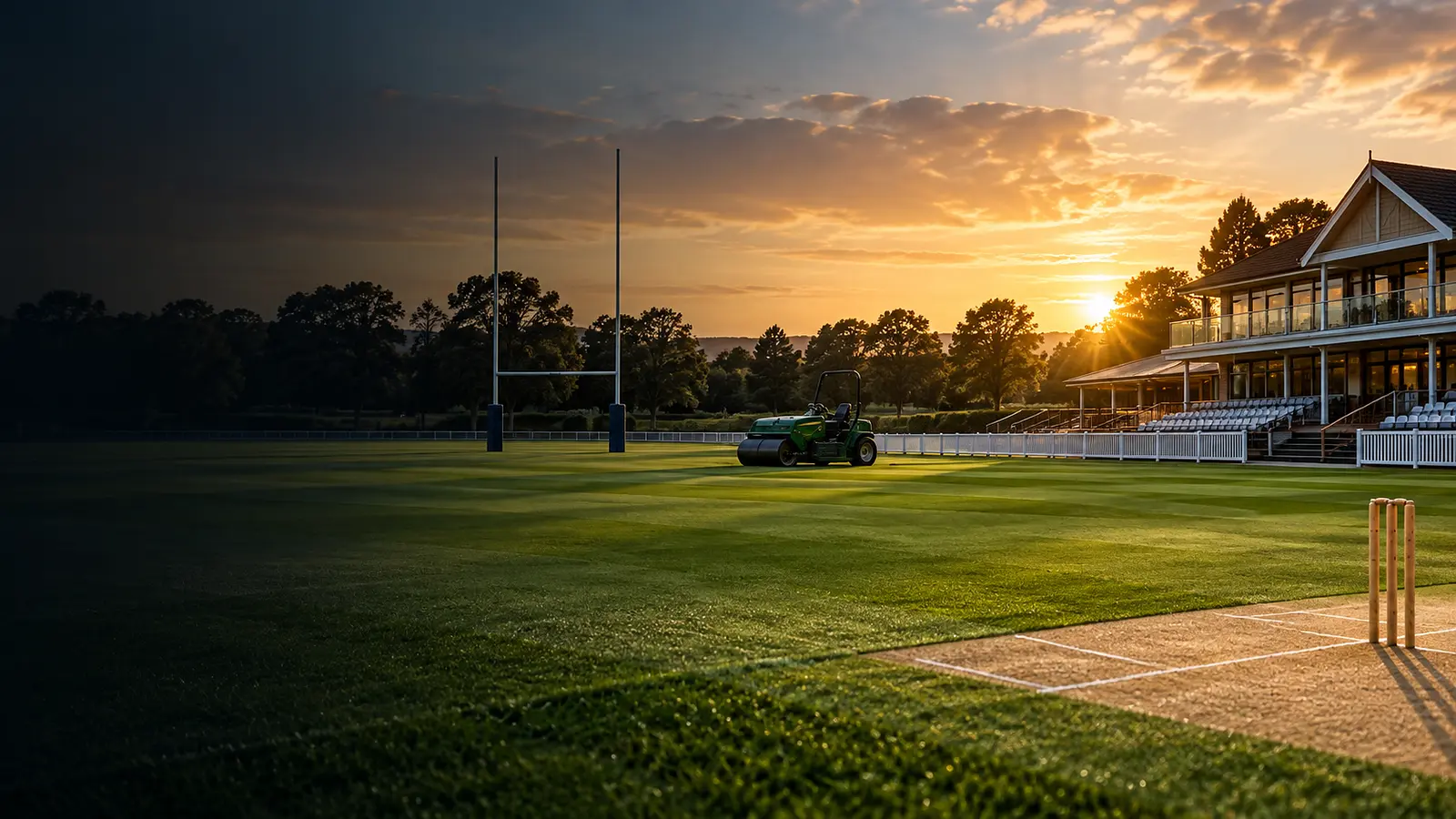
How grounds maintenance and landscaping firms fund mowers, compact tractors, vans and trailers around contract cycles and a seasonal cash flow.
Explore funding options Prefer a quick call back? Leave your number
“An excellent company that provided funding options quickly.”
In short
What you need to know.
Because grass-cutting income peaks from spring to autumn, some lenders will agree seasonal or lower winter payments. Lenders look closely at the contract book: how long council, housing and estate contracts run, how much rests on one client, and whether the kit will still be needed if a contract is lost at retender.
Larger mowers and compact tractors from major manufacturers have a strong second-hand market, which makes them straightforward to fund, new or used. Handheld tools and batteries have little resale value, so lenders usually prefer them bundled into a wider agreement. Our page on used equipment finance covers buying ex-demonstrator or ex-fleet machines.
About ground care equipment finance
Specialist knowledge. Better outcomes.
This page is for grounds maintenance, landscaping and sports turf contractors who need to equip crews for a new contract, replace worn machines or switch to battery kit that customers increasingly ask for. Smart Funding Solutions is a broker, not a lender: we approach lenders on our panel of 300+ that fund ground care equipment, and arrange facilities from £10,000 to £20 million. It is a specialist use of asset finance.
A grounds maintenance firm typically has two kinds of income. Maintenance contracts for councils, housing associations, schools, business parks and residential management companies are often invoiced in equal monthly instalments across the year, even though most of the work is done between March and October. Project work, such as landscaping, hard surfaces and planting schemes, is lumpy and paid on completion or in stages.
The spending is more seasonal than the income. Machines must be bought or replaced before the cutting season starts, seasonal staff are taken on in spring, and fuel and repairs peak in summer. Winter brings hedge cutting, leaf clearance and, for some, gritting and snow clearance, which keeps crews working but at lower margins. A contract win announced in February with a start date in April leaves very little time to equip it.
The main risk is a mismatch between contract length and finance term: buying machines for a three-year council contract on a five-year agreement leaves you paying for kit that may not have work if the retender goes elsewhere. Keep core machines on hire purchase and contract-specific kit on shorter terms or leases. Personal guarantees are common for small firms, and financing every handheld tool adds cost for little benefit, so buy small items outright where cash allows. Borrowing of £25,000 or less by sole traders and small partnerships can be regulated consumer credit, which brings additional protections; see our page on sole trader loans.
remaining length of maintenance contracts, retender dates and how many separate clients there are.
how much turnover depends on one council or housing contract that could be lost at retender.
recognised makes and models with a resale market, and a term that ends within the machine's working life.
bank statements across a full year, showing how the business handles the winter months.
hire purchase and lease commitments already taken on for vans and machines.
many grounds firms are sole traders or small companies, so personal credit and guarantees carry weight.
How the main business finance structures work. Lenders set their own terms, so treat this as a guide to the questions to ask.
| Option | How you repay | Security | Often used for |
|---|---|---|---|
| Unsecured business loan | Fixed instalments, usually monthly | No charge over assets; a personal guarantee is usually required | Growth, stock, tax bills and cash flow |
| Secured business loan | Fixed instalments, often over a longer term | A charge over property or other assets | Larger sums, property and refinancing |
| Revolving credit facility | Interest on what you draw; repay and redraw | Varies by lender and case | Recurring or uneven cash flow gaps |
| Merchant cash advance | A share of future card takings | No charge over assets | Card-taking businesses with uneven months |
| Asset finance | Regular payments over the life of the asset | The asset being financed | Equipment, vehicles and machinery |
| Invoice finance | Settled as customers pay their invoices | Your unpaid invoices | Businesses waiting on customer payment |
General information only. Every lender has its own criteria, and all finance is subject to status.
| Option | When it suits | Trade-off |
|---|---|---|
| Hire purchase | Core machines you will run for years across several contracts | You carry repairs and the risk of a machine outliving the contract it was bought for |
| Leasing or contract hire | Kit tied to one contract, or vans on a planned replacement cycle | No ownership; return conditions on heavily used kit |
| Seasonal payment profile | Smoothing payments into the months when work and income peak | Not every lender offers it; total cost can be higher |
| Invoice finance | Firms with large council or commercial debtors on long payment terms | Fees, and only suits invoiced business-to-business work |
| Short-term loan | Spring wages and fuel before contract income catches up | Costlier than asset finance, usually with a personal guarantee |
For the cash flow side, see invoice finance and our guide to seasonal business finance. The ownership and tax differences between buying and leasing are explained in hire purchase vs leasing.
Lenders make the final decision. It is free to enquire; any broker fee is disclosed separately before you proceed. For tractors used beyond grounds work, see our guide to tractor finance.
Often, yes. An award letter or signed contract helps a lender see how the equipment will pay for itself, and it is worth starting as soon as the award is confirmed so the kit arrives before the start date. Lenders will still look at your existing trading and credit.
Some lenders offer seasonal profiles with lower or paused payments in the quieter months and higher ones in the season. Availability depends on the lender and your cash flow history, and the total cost can be higher than level payments.
It is possible with a good personal credit record, a deposit and ideally a first contract or regular customers in place. Recognised machines are easier to fund than specialist or handheld kit, and lenders may limit the amount until the business has a trading record.
Yes, many lenders will provide ground care equipment finance on used mowers, compact tractors and chippers, depending on age, hours, condition and the supplier. Machines from established dealers with service history are easier to fund than private sales. Terms on used kit may be shorter and a larger deposit can be needed. Our page on used equipment finance explains how lenders value second-hand machinery.
Yes, sole trader gardeners and landscapers can get ground care equipment finance, usually hire purchase or leasing on mowers, tools, vans and trailers. Lenders look at bank statements, tax returns, personal credit history and the contracts the kit will serve. Finance of £25,000 or less to sole traders and small partnerships can be regulated consumer credit, which carries extra protections. See sole trader loans for other options.
Yes. Buying an established grounds maintenance business is usually funded with acquisition finance: a loan sized on the business's recent profits, your own contribution and sometimes part of the price paid to the seller after completion. Lenders look most closely at the contracts and how long they run, customer spread, the machinery fleet and its finance, and whether the crews will stay. You can see which lenders on our panel fund purchases like yours with Instant Quotes.
Crane finance spreads the cost of a mobile, crawler, tower or lorry-loader crane over monthly payments, usually through hire…

A finance lease is a form of equipment leasing in which a lender buys an asset and rents it to your business for most of its…

IT equipment finance spreads the cost of laptops, desktops, servers, networking and phone systems over monthly payments,…

Medical equipment finance spreads the cost of clinical kit, from ultrasound and endoscopy stacks to lab analysers, OCT scanners…
Minibus finance spreads the cost of a 9 to 16 passenger minibus over monthly payments, through hire purchase, a finance lease…

Plant finance funds heavy machines such as excavators, dozers, cranes, crushers and screeners, usually on hire purchase or a…
What our clients say
“Simon was fast, kept us updated at all stages and was a real pleasure to work with on our asset finance. I highly recommend this company: excellent service all round.”
“Spoke with Simon, who managed to get me the loan I needed promptly. The whole process was very smooth and was completed within a few days.”
“Getting a business loan can feel like a bit of a minefield, but everything was broken down for me in great detail. Will use again in the future!”
“Simon was a pleasure to deal with and helped us find a business loan that matched our growth goals and future expansion plans.”
“I couldn’t source funding for my business, but the team got in touch within an hour and had it sorted within 24 hours. Fantastic service, and I would definitely use them again.”