

Pop-up food business finance: funding a street food stall or food truck
Most street food traders fund the first season from savings and a Start Up Loan, then use asset finance for a trailer,…

Finance for pizza and kebab shops, Chinese and Indian takeaways and dark kitchens: equipment finance, refit loans and advances repaid from card and app takings.
Explore funding options Prefer a quick call back? Leave your number
“Simon was excellent throughout the process.”
In short
Equipment is often funded through asset finance, while refits and cash flow needs suit unsecured loans or a merchant cash advance repaid from card takings. Lenders look closely at your card and delivery platform income, so clean records of both help.

“He is fair and always gives advice that is in the best interest of his clients.”
About takeaway business loans
A range that fails on a Friday night, an extraction system that needs replacing, or a slow month after a refit can all put pressure on the business. This page is for owners of pizza and kebab shops, Chinese and Indian takeaways, burger and chicken shops and delivery-only dark kitchens who want to fund equipment, a refit or working capital. If you run a chippy, our page on fish and chip shop finance covers that trade in more detail. Smart Funding Solutions is an independent broker: we compare lenders that understand takeaway trading and arrange the finance that fits how your money comes in.
Funding needs
If you run a sit-down restaurant or café, our pages on restaurant loans and the wider hospitality business loans section are a better starting point.
Not ready for the full application? Leave a few details and a broker will call you to talk it through. It is free, with no obligation.
Cash leaves the business at every stage before it comes back. Each stage below is a point where the right facility can carry the gap.
Orders, contracts or customers secured.
Stock, materials and equipment paid for up front.
Asset finance →Wages and suppliers paid on time.
Working capital →The work is done or the goods are sold.
Customers pay, sometimes weeks later.
Invoice finance →VAT and Corporation Tax fall due.
HMRC loans →Growth, a new site or new equipment.
Business loans →Choose the need, and we’ll show you how lenders usually structure it.
Lenders will expect a takeaway to be properly set up. A few points from official sources:
Illustrative example only, not a quote. A pizza takeaway that has traded for four years needs a new deck oven and replacement extraction. The owner funds the oven and extraction through hire purchase over several years, so the cost is spread while the equipment earns. Separately, a small unsecured loan covers the closure week and the refit of the counter. The lender reviews six months of bank statements, the card terminal reports and the last filed accounts. Because the shop's takings are steady through the year, fixed monthly payments suit it better than an advance.
Look at the total amount repayable, not only the monthly or daily amount. With a merchant cash advance the cost is usually a fixed amount on top of the advance, so compare it carefully with a term loan; our merchant cash advance calculator helps. Also check arrangement fees, early settlement terms, and whether a personal guarantee is required. Pricing depends on your trading, so we show each offer's full cost side by side.
If you are opening your first site, read our guide to getting a loan to start a restaurant, most of which applies to takeaways too. Owners who own their property may get better terms on a secured loan. If you already have an advance that is weighing on cash flow, refinancing it into a term loan can help.
Time trading, ideally at the current site. Start-ups can be funded, but options are narrower.
Bank statements, card terminal statements and delivery platform payout reports.
Accounts or management figures, and VAT returns if registered.
Your food hygiene rating and premises lease terms.
Existing finance, including any current advance.
The credit history of the business and its owners.
Pros
Cons
| Option | Best for | How it is repaid |
|---|---|---|
| Equipment finance (hire purchase or lease) | Fryers, ovens, extraction, refrigeration | Fixed monthly payments; the equipment is the security |
| Unsecured business loan | Refits, mixed costs, new sites | Fixed monthly payments over an agreed term |
| Merchant cash advance | Short-term cash needs for card-heavy takeaways | A percentage of card takings, so repayments flex with sales |
| Revenue-based finance | Businesses with strong online or platform income | A share of revenue from linked accounts |
Spreading the cost of new equipment keeps cash in the business. New and used catering equipment can often be funded, and the asset itself is the main security. Our guide to commercial kitchen equipment finance covers the detail, and the same approach applies to chillers and freezers.
A merchant cash advance is repaid as a share of future card sales, so you pay back less on a quiet day and more on a busy one. It suits takeaways that take most of their money by card. Income from Deliveroo, Just Eat or Uber Eats arrives as platform payouts rather than through your card terminal, and lenders treat it differently: some revenue-based providers will look at platform payout statements, while a traditional MCA may only count card terminal takings. If most of your sales come through apps, tell us, because it changes which lenders are suitable.
Tell us what you need to fund and how your sales come in: cash, card and apps. We search the market and approach suitable lenders. Lenders on our panel that may suit takeaways include First Merchant Finance for term loans and 365 Finance for card-linked advances; Smart Funding Solutions is an independent broker and is not part of either. It is free to enquire; any broker fee is disclosed separately before you proceed. To compare lenders in minutes, use our instant quotes tool.
Sometimes. Lenders that offer card-linked advances often focus more on your recent card takings than your credit history, though they still run checks. Expect smaller amounts and higher costs than for a business with clean credit.
Some do. Revenue-based providers may review platform payout statements, while many merchant cash advance providers only count takings through your own card terminal. Having clear payout records from each platform helps us match you to the right lender.
Often, yes. Many asset finance lenders fund used catering equipment, particularly from a recognised dealer. Very old or low value items can be harder, and may be better funded through a small unsecured loan.
Yes, though lenders will look closely at platform income, since a delivery-only kitchen takes little or no card payment at a counter. Equipment finance and revenue-based options are usually the most relevant.
Card-linked advances and small unsecured loans can move quickly once statements are provided. Equipment finance depends on the supplier invoice and the lender's checks. Larger or secured loans take longer.
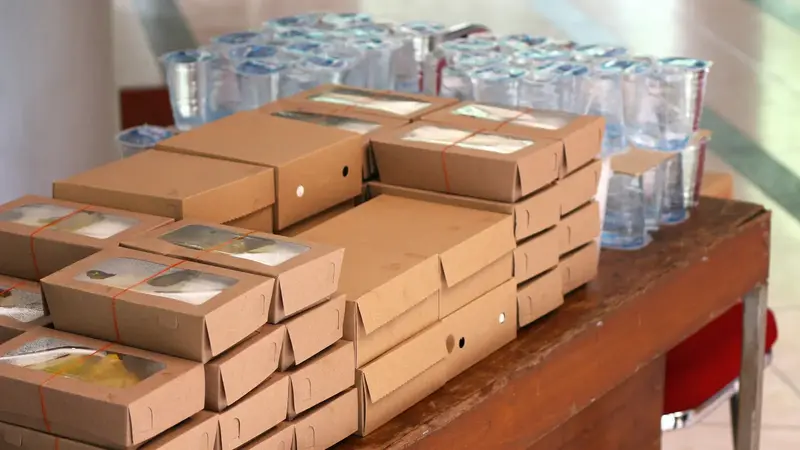
Most street food traders fund the first season from savings and a Start Up Loan, then use asset finance for a trailer,…

Most wedding and event businesses need finance for two things: kit and timing. Marquees, furniture, lighting and vans usually…

Most people buy a trading B&B with a commercial or semi-commercial mortgage, because the owner lives on site and the lender…

Most cafes combine two or three types of finance rather than one loan: equipment finance or leasing for the espresso machine…
Choose hire purchase if you want to own long-life items such as a combi oven or cold room, leasing if you want a lower up-front…
What a pub can borrow depends on how it is held and how it trades. A freehold purchase usually needs a pub or commercial…
What our clients say
“Simon was fast, kept us updated at all stages and was a real pleasure to work with on our asset finance. I highly recommend this company: excellent service all round.”
“Spoke with Simon, who managed to get me the loan I needed promptly. The whole process was very smooth and was completed within a few days.”
“Getting a business loan can feel like a bit of a minefield, but everything was broken down for me in great detail. Will use again in the future!”
“Simon was a pleasure to deal with and helped us find a business loan that matched our growth goals and future expansion plans.”
“I couldn’t source funding for my business, but the team got in touch within an hour and had it sorted within 24 hours. Fantastic service, and I would definitely use them again.”
Live chat with our team. Our chat is provided by Crisp, which sets cookies so your conversation is kept and we can see which page you are viewing. It only switches on if you allow it. Cookie Policy