
Food truck and mobile catering finance
Food trucks are usually financed with hire purchase or leasing on the van or trailer, separate equipment finance for the…
How street food traders and pop-ups fund a trailer, food truck, catering kit and pitch fees at each stage, with an event margin example and grant pointers.
Pop-up food businesses, such as street food stalls, food trucks, market traders and temporary restaurants, are usually funded through personal savings combined with start-up loans, asset finance for vans, trailers and kitchen equipment, merchant cash advances repaid from card takings, small unsecured loans, crowdfunding and occasionally equity investment. Because many pop-ups are new and trade seasonally, flexible repayment and modest borrowing are key. Smart Funding Solutions helps street food traders and mobile caterers compare the lending side of this mix; this guide is part of our hospitality business loans section.
Capital needs often change with location and scale, so build a budget for each stage rather than one fixed figure.
New businesses with little or no trading history have fewer options. The government-backed Start Up Loans programme offers personal loans for business purposes with mentoring. Some lenders consider start-ups where the owner has relevant experience and a clear plan. See our guide to start-up business loans.
Asset finance spreads the cost of a food truck, trailer or catering equipment over its working life, with the asset as security. Hire purchase leads to ownership; leasing can suit equipment you expect to upgrade. It is often easier to obtain than a general loan because the lender can recover the asset.
Most street food customers pay by card. A merchant cash advance is repaid as a percentage of card takings, so repayments ease on quiet days. It typically needs a record of card sales, so it suits established traders more than start-ups. Compare the total repayable with other options.
Unsecured loans can fund stock, equipment or a new pitch without property security, usually with a personal guarantee. Many street food businesses are sole traders; sole trader loans are available, and borrowing of £25,000 or less by a sole trader can be regulated consumer credit.
Grants are occasionally available through local authorities, enterprise agencies and community programmes, particularly for new businesses, regeneration areas or projects with a social purpose. They are competitive and usually cover specific costs. GOV.UK's business finance support finder is a good starting point.
Equity investors take a share of ownership in return for funding and often bring experience and contacts. They are usually interested in concepts that can grow into multiple sites or a brand, rather than a single stall.
| Stage | Typical costs | Funding that often fits |
|---|---|---|
| Testing the idea | Gazebo, hired equipment, first pitch fees, stock | Savings, rewards crowdfunding, a Start Up Loan |
| First full season | Trailer or converted van, catering kit, generator | Asset finance, a Start Up Loan, small unsecured loan |
| Established trader | Second unit, festival bookings, larger stock runs | Asset finance, merchant cash advance, unsecured loan |
| Moving to a permanent site | Fit-out, lease premium, kitchen equipment | Unsecured loan, asset finance, equity investment |
Lenders like to see that you understand your margins event by event, and the discipline helps you decide how much you can afford to borrow.
Illustrative example only — not a quote or offer of finance.
If a festival pitch costs £500, you expect to sell 400 portions at £9, and ingredients and packaging are £3 a portion, the event takes £3,600 and leaves £1,900 after stock and pitch, before staff, fuel and your own time. Rain that halves sales leaves £700. A monthly repayment needs to be affordable from your quieter months, not just your best weekends.
Smart Funding Solutions is a broker, not a lender. We look for finance suited to street food, mobile catering and pop-up businesses, explain the options and let you compare them before anything is signed. Lenders make the final decision.
This guide is general information, not financial advice. Lenders set their own criteria, rates and terms, and all finance is subject to status.
Not ready for the full application? Leave a few details and a broker will call you to talk it through. It is free, with no obligation.
It is possible, but the options are narrower without a trading record. A Start Up Loan, asset finance secured on a trailer or catering equipment, or a small unsecured loan backed by relevant experience and a clear business plan are the usual routes. Lenders will look closely at your personal credit history and how much of your own money you are putting in. Our guide to food truck finance covers vehicle and trailer funding in more detail.
A merchant cash advance can suit an established street food stall with a steady record of card takings, because repayments rise and fall with sales. It is less suitable for new traders, as providers want to see card history first. The total repayable can be higher than a term loan, so compare the full cost and check how deductions will feel during slow winter months before you commit.
Usually yes. For unsecured loans to limited companies, lenders normally ask directors for a personal guarantee. Sole traders are already personally liable for business debts, so a separate guarantee is not needed in the same way. Asset finance is secured on the trailer or equipment, which can reduce what else a lender asks for. Always check what you are agreeing to and seek advice if you are unsure.
A pop-up food business should borrow only what its monthly cash flow forecast shows it can repay in the quieter months, not just its best weekends. Start by costing the essentials, such as equipment, registration, insurance and stock, and keep a contingency for breakdowns and bad weather. Many traders start small, test the concept, then borrow more once they have card takings and events booked to show a lender.
Food trucks are usually financed with hire purchase or leasing on the van or trailer, separate equipment finance for the…

Most wedding and event businesses need finance for two things: kit and timing. Marquees, furniture, lighting and vans usually…
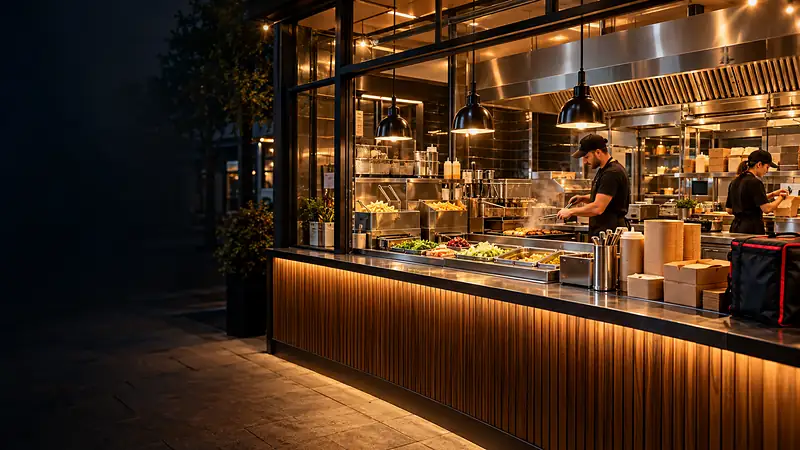
Takeaway business loans fund the things a takeaway runs on: fryers, ovens, extraction, refits and day to day cash flow.…

Most people buy a trading B&B with a commercial or semi-commercial mortgage, because the owner lives on site and the lender…
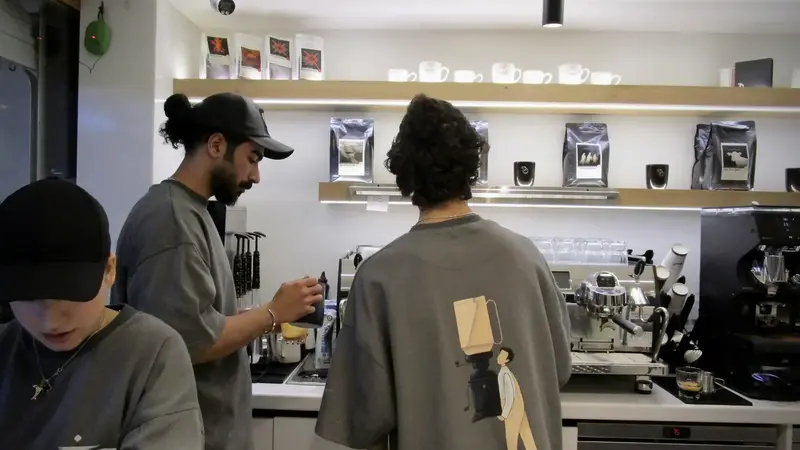
Most cafes combine two or three types of finance rather than one loan: equipment finance or leasing for the espresso machine…
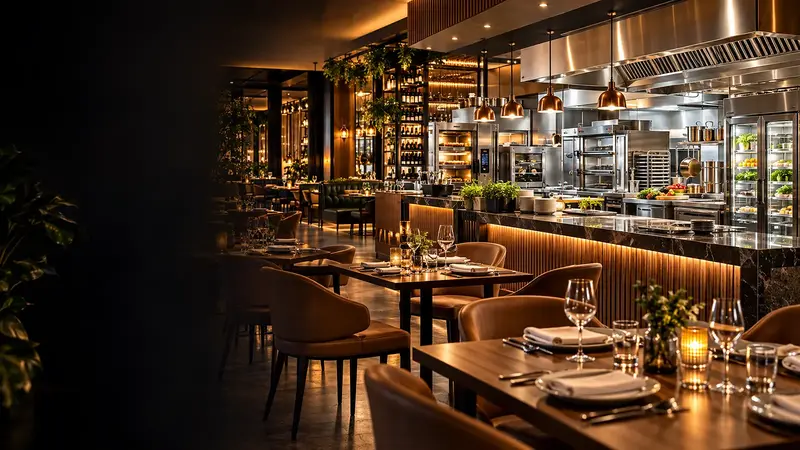
Choose hire purchase if you want to own long-life items such as a combi oven or cold room, leasing if you want a lower up-front…
Our clients say
Trusted by UK businesses across every sector.
“Simon was fast, kept us updated at all stages and was a real pleasure to work with on our asset finance. I highly recommend this company: excellent service all round.”
“Spoke with Simon, who managed to get me the loan I needed promptly. The whole process was very smooth and was completed within a few days.”
“Getting a business loan can feel like a bit of a minefield, but everything was broken down for me in great detail. Will use again in the future!”
“Simon was a pleasure to deal with and helped us find a business loan that matched our growth goals and future expansion plans.”
“I couldn’t source funding for my business, but the team got in touch within an hour and had it sorted within 24 hours. Fantastic service, and I would definitely use them again.”
A short conversation is often enough to know which lenders will look at your case and how to present it. There is no obligation, and it is free to enquire.