
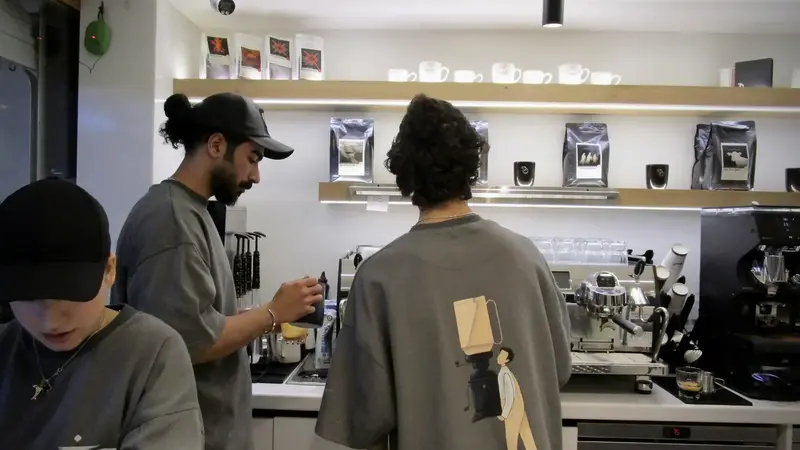
Cafe business loans: how to finance a coffee shop
Most cafes combine two or three types of finance rather than one loan: equipment finance or leasing for the espresso machine…
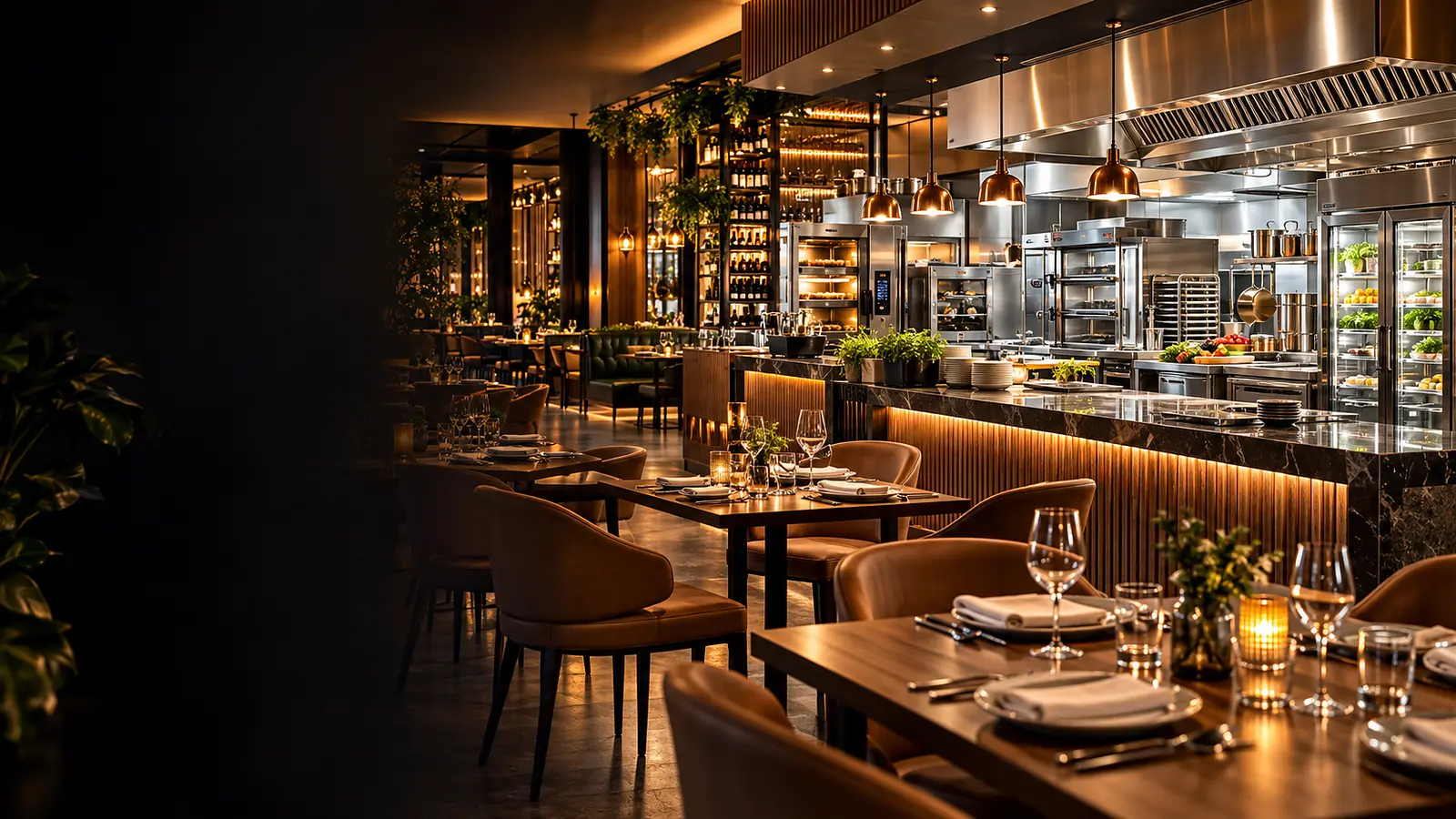
Spread the cost of combi ovens, refrigeration, extraction and full kitchen fit-outs with hire purchase, leasing or refinance, plus hidden costs to budget for.
Commercial kitchen equipment finance lets restaurants, cafés, hotels, takeaways, bakeries, caterers and dark kitchens spread the cost of ovens, refrigeration, extraction, dishwashers and full kitchen fit-outs over fixed monthly payments. The main options are hire purchase, leasing and asset refinance, and new or used equipment can usually be funded. It keeps cash free for wages, stock and rent. Smart Funding Solutions approaches asset finance lenders that understand catering equipment, including specialists who consider used kit and start-ups. For the wider picture, see our hospitality business loans hub.
For single items outside the kitchen, see coffee machine finance and commercial refrigeration and cold room finance.
A working kitchen needs several high-value items before you can trade, and they often need replacing at short notice. Paying outright can drain the reserves you need for everything else. Finance helps you:
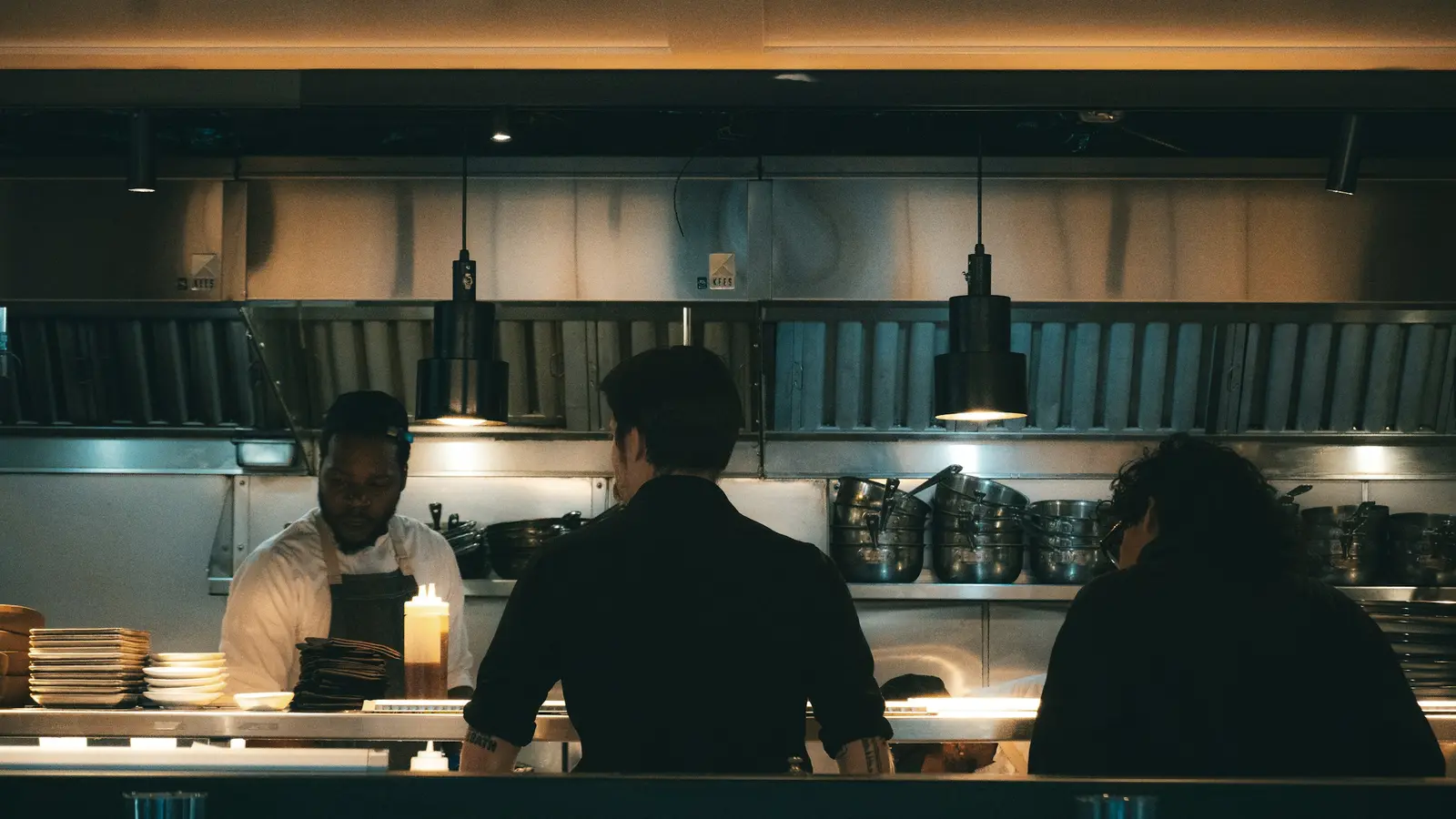
Combi ovens, conventional ovens, ranges, grills, fryers, pizza ovens and induction suites. Combi ovens are among the most commonly financed items because of their cost and central role in service.
Upright and under-counter fridges, freezers, blast chillers, prep counters and walk-in cold rooms, all essential for food safety.
Canopies, ductwork and extraction systems are often a large part of a fit-out budget and are needed to meet safety requirements.
Dishwashers, glasswashers, mixers, slicers, benches and prep stations.
Many lenders will fund a full package, sometimes including installation, front-of-house furniture and EPOS systems. For wider premises works, see our guide to financing a restaurant fit-out.
Franchisees often fund approved equipment the same way; our guide to how much a Subway franchise costs and how to finance it shows where equipment finance fits in a franchise budget.
Frying ranges are a large single purchase with their own lender questions; see fish and chip shop finance for a worked example of a £40,000 range over five years.
You pay a deposit and fixed monthly instalments. The lender owns the equipment until the final payment, when ownership passes to you. Hire purchase suits items you plan to keep for their full working life, and you may be able to claim capital allowances.
You rent the equipment for an agreed term without owning it. Leasing usually means a lower up-front cost, VAT charged on each rental rather than in one go, and rentals that are generally treated as a business expense. At the end, you may be able to continue renting, return the equipment or upgrade.
If you already own valuable equipment, asset refinancing can release cash tied up in it while you keep using it. A variation, sale and hire purchase back, lets you raise funds against the asset and regain ownership once repaid.
| Hire purchase | Leasing | Asset refinance | |
|---|---|---|---|
| Own at the end? | Yes | Usually not | Yes, once repaid |
| Up-front cost | Deposit, often plus VAT | Usually lower | None; releases cash |
| Best for | Long-life equipment | Lower initial outlay or regular upgrades | Established businesses needing working capital |
Tax treatment depends on your circumstances, so check with your accountant.
These structures are used for vans, machinery and IT as well as kitchens; our page on asset finance loans and leases sets out how each works and how providers differ.
New businesses can often be considered, particularly where the owners have relevant experience, though a deposit or personal guarantee may be requested.
Decisions can come within a few working days once a lender has everything it needs, with funds following shortly after signing.
If you need funds for more than equipment, a restaurant loan or wider hospitality business loan may suit, and card-heavy businesses sometimes use a merchant cash advance. For equipment outside the kitchen, see our wider equipment finance page. We are a broker, not a lender, so we compare options and lenders make the decisions.
This guide is general information, not financial advice. Lenders set their own criteria, rates and terms, and all finance is subject to status.
Not ready for the full application? Leave a few details and a broker will call you to talk it through. It is free, with no obligation.
Yes, commercial kitchen equipment finance is often available to new restaurants, cafes and takeaways, because the equipment acts as security for the lender. Start-ups may face a narrower choice of lenders, a larger deposit or a personal guarantee. Lenders look at your experience, personal credit, the supplier quote and a business plan. Our restaurant loans page covers wider funding for new openings.
Yes, used commercial kitchen equipment can often be financed, although some lenders set limits on the age of the equipment and the term. Buying from a reputable dealer with a clear invoice and serial numbers makes it easier for a lender to verify value. Terms are usually shorter than for new kit. Our used equipment finance page explains what lenders check.
Hire purchase usually suits kitchen equipment you plan to keep for its working life, such as a combi oven or walk-in cold room, because you own it at the end. Leasing suits kit you expect to upgrade, or where you prefer to hand it back at the end of the term. VAT, capital allowances and early settlement differ between the two. Our guide to hire purchase vs leasing compares them in detail.
Commercial kitchen equipment finance can be arranged within a few working days in straightforward cases, once the lender has the supplier quote, bank statements and ID. Full fit-outs with several suppliers, used equipment or start-ups can take longer because lenders verify more detail. Agreeing finance before you commit to a supplier avoids being caught out when a breakdown needs urgent replacement.
Most cafes combine two or three types of finance rather than one loan: equipment finance or leasing for the espresso machine…
Fish and chip shops usually fund a frying range and kitchen kit with hire purchase or leasing, refits and shop purchases with a…
The best restaurant finance depends on what you are paying for. Kitchen equipment and fit-out items usually suit asset finance;…
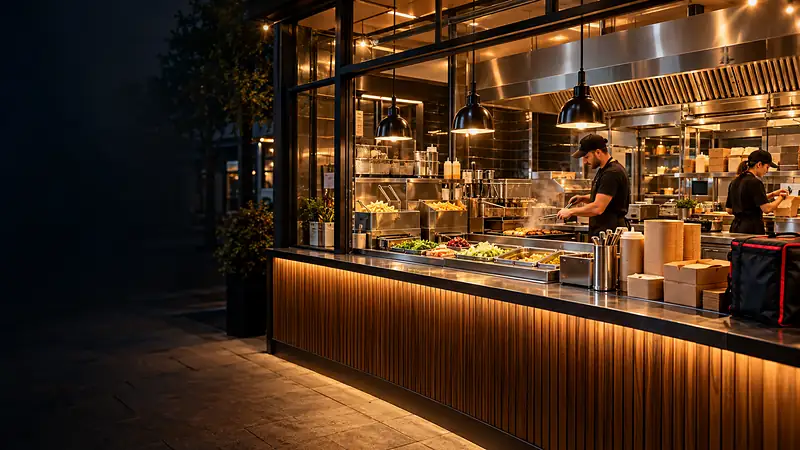
Takeaway business loans fund the things a takeaway runs on: fryers, ovens, extraction, refits and day to day cash flow.…

A hotel is usually bought with a commercial mortgage secured on the property and lent against its trading valuation, so both…

Most people buy a trading B&B with a commercial or semi-commercial mortgage, because the owner lives on site and the lender…
Our clients say
Trusted by UK businesses across every sector.
“Simon was fast, kept us updated at all stages and was a real pleasure to work with on our asset finance. I highly recommend this company: excellent service all round.”
“Spoke with Simon, who managed to get me the loan I needed promptly. The whole process was very smooth and was completed within a few days.”
“Getting a business loan can feel like a bit of a minefield, but everything was broken down for me in great detail. Will use again in the future!”
“Simon was a pleasure to deal with and helped us find a business loan that matched our growth goals and future expansion plans.”
“I couldn’t source funding for my business, but the team got in touch within an hour and had it sorted within 24 hours. Fantastic service, and I would definitely use them again.”
A short conversation is often enough to know which lenders will look at your case and how to present it. There is no obligation, and it is free to enquire.