
Fish and chip shop finance for ranges, refits and purchases
Fish and chip shops usually fund a frying range and kitchen kit with hire purchase or leasing, refits and shop purchases with a…
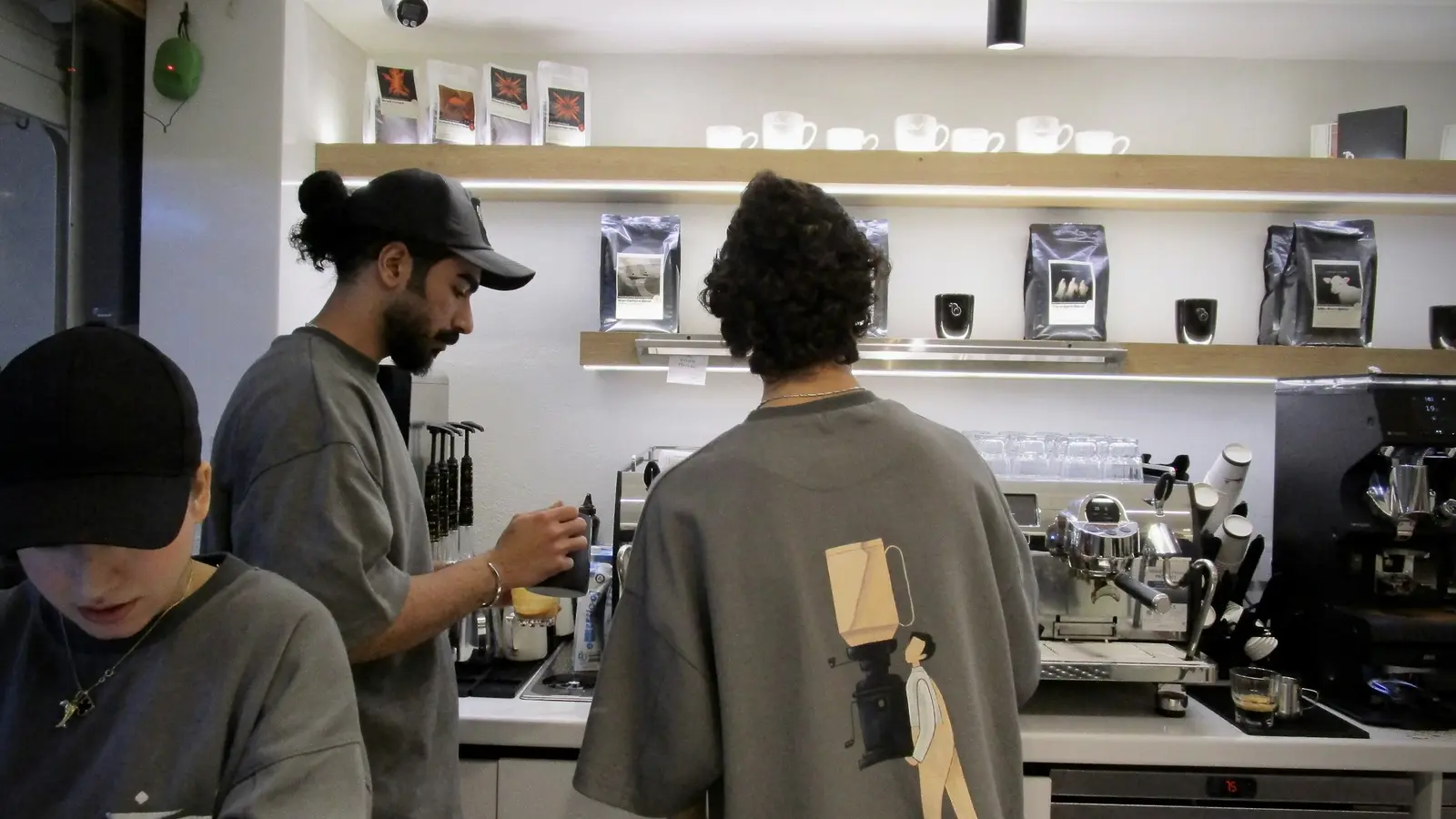
How cafes fund espresso machines, fit-outs, a first site or buying an existing coffee shop, with a worked takings example and the opening costs people forget.
Cafe business loans are finance for opening, buying, refurbishing or running a cafe or coffee shop. The most common options are equipment finance for espresso machines and kitchen kit, merchant cash advances repaid from card takings, unsecured business loans for fit-outs and working capital, and start-up or acquisition finance for new owners. Most cafes combine two or three, matching each to a specific cost. Smart Funding Solutions compares these options across its lender panel for independent cafes, coffee shops and franchisees; this guide focuses on the numbers and pitfalls specific to cafes, while our hospitality business loans hub covers the wider sector.
If the main purchase is the espresso or bean-to-cup machine, see coffee machine finance.
Hire purchase or leasing spreads the cost of coffee machines and kitchen equipment, with the equipment as security, which can make it easier to obtain than unsecured borrowing. Leasing can include upgrades at the end of the term. See our guide to commercial kitchen equipment finance.
Cafes take most of their money by card, which suits a merchant cash advance. You receive a lump sum and repay it as a percentage of daily card takings, so repayments fall on quieter days. It can cost more than a loan, so compare the total repayable.
A fixed-term loan for refurbishments, a new site or general working capital, without tying the finance to specific assets. A personal guarantee is usually required.
Short-term facilities that cover stock, wages and bills when takings dip, such as in winter or during roadworks outside your door.
New cafes have no trading history, so options are narrower. Common routes include the government-backed Start Up Loans programme, equipment finance, personal investment and support from family or investors. See our page on start-up business loans.
If you are buying an existing cafe, lenders will look at its accounts, lease terms and takings as well as your experience. Due diligence on the lease, equipment ownership and staff contracts is essential.
Some lenders favour established coffee franchise brands because of their proven model. Our franchise loans page explains how this works.
Hot food takeaways face different VAT and equipment questions; our page on fish and chip shop finance covers frying ranges, extraction and card-based funding.
Cafes live on volume: lots of small transactions at a modest average spend. Lenders and your own forecasts should start from the same simple sum, customers per day multiplied by average spend multiplied by trading days.
Illustrative example only — not a quote or offer of finance.
A cafe serving 150 customers a day at an average spend of £6, open six days a week, takes about £5,400 a week before VAT. If a quiet winter week drops to 100 customers, takings fall to about £3,600, but rent, wages and finance repayments do not. A lender will test whether repayments are still affordable in that quieter week, so build your forecast around the low point, not the summer peak.
Card terminal statements make this easy to evidence for an existing cafe. For a new opening, use local footfall, comparable cafes and realistic opening hours, and show your workings.
Weighing a franchise against your own café? Our Subway franchise cost guide sets out the franchise fee, royalties and total investment Subway publishes.
The right business loan for a coffee shop depends mostly on whether you are opening, buying, running or expanding one, because lenders assess each stage on different evidence.
| Your stage | What lenders assess | Options often considered |
|---|---|---|
| Opening a new coffee shop | Business plan, personal credit, experience, lease | Start Up Loan, equipment finance, personal investment |
| Buying an existing coffee shop | The seller's accounts and card takings, lease length, your contribution | Acquisition loan, equipment finance |
| Running an established independent | Card takings, bank statements, quiet-month affordability | Merchant cash advance, unsecured loan, revolving credit |
| Opening a second site | Profit at the first site, cost of the new fit-out | Unsecured or secured term loan, equipment finance |
| Taking on a coffee franchise | Franchisor requirements, your contribution | Franchise loan, equipment finance |
If you are opening, a government-backed Start Up Loan provides £500 to £25,000 at a fixed 7.5% a year over 1 to 5 years, with up to 12 months of free mentoring, according to GOV.UK. It is a personal loan, so it relies on your own credit check, and it is open to businesses trading for less than five years.
Match the repayment to how the money earns back. Equipment lasts years, so spreading it over its working life makes sense, while stock and short gaps suit a short facility. If most takings arrive by card and dip in winter, repayments linked to card sales may be easier to manage than a fixed instalment, though usually at a higher total cost. Our guide to buying a business covers acquisitions, and revolving credit explains draw-as-you-need facilities.
Examples from our deal room: five small facilities for a coffee shop, a £55,000 four-year loan for a café, £125,000 for café staff and stock and £95,000 for a growing coffee business.
This guide is general information, not financial advice. Lenders set their own criteria, rates and terms, and all finance is subject to status.
Not ready for the full application? Leave a few details and a broker will call you to talk it through. It is free, with no obligation.
Most cafes use hire purchase or leasing to spread the cost of an espresso machine and grinder, with the equipment as security. Leasing can make upgrading easier at the end of the term, while hire purchase means you own the machine once paid. Some coffee suppliers also offer machine deals linked to buying their beans, which are worth comparing.
Yes, some lenders consider cafe business loans for start-ups, but fewer will lend without trading history. Lenders look at your hospitality experience, personal credit, a detailed business plan and cash flow forecast, the lease terms and how much of your own money is going in. Equipment can often be financed separately, which reduces the cash you need upfront. Our start-up business loans page explains the options.
How much you can borrow for a cafe depends mainly on your takings, profit, existing commitments and whether you offer security. Facilities are typically arranged from £10,000 to £20 million, though most cafe borrowing sits at the smaller end. Lenders check that repayments are affordable in quieter months, not just busy ones. Our restaurant loans page covers similar hospitality borrowing.
Yes, buying an existing cafe can usually be funded with a business loan, sometimes alongside asset finance for equipment and seller payments over time. Lenders look at the cafe's trading accounts and card takings, the lease length and terms, your experience and your contribution. A short lease or takings that cannot be verified are common reasons for delay. See our acquisition finance page for how purchases are structured.
A cafe business loan with bad credit may still be possible through specialist lenders, especially where card takings are consistent. A merchant cash advance or equipment finance secured on the kit is often more accessible than an unsecured loan, but costs are usually higher. Lenders want to know what caused the credit problem and whether it is resolved. Our bad credit business loans page explains the options.
Yes, a government-backed Start Up Loan can be used to open a coffee shop. GOV.UK says it offers £500 to £25,000 at a fixed 7.5% a year, repaid over 1 to 5 years, with up to 12 months of free mentoring. You must be 18 or over, live in the UK and pass a credit check, because it is an unsecured personal loan. Many owners combine it with equipment finance.
Most unsecured coffee shop business loans ask the owners or directors for a personal guarantee, because a cafe has few assets a lender can rely on. A merchant cash advance may come with a lighter guarantee, and equipment finance is secured on the coffee machine or kitchen kit itself, although a guarantee can still be requested. Read the guarantee terms carefully and take advice before you sign.
An established coffee shop with steady card takings can often get a decision on a merchant cash advance or unsecured loan within a few working days once a lender has everything it needs. Equipment finance with a supplier quote can be similarly quick. Start-up funding and acquisition loans take longer, because lenders review a business plan, forecasts, the lease and, for a purchase, the seller's accounts.
Fish and chip shops usually fund a frying range and kitchen kit with hire purchase or leasing, refits and shop purchases with a…

Most people buy a trading B&B with a commercial or semi-commercial mortgage, because the owner lives on site and the lender…
Choose hire purchase if you want to own long-life items such as a combi oven or cold room, leasing if you want a lower up-front…
Most street food traders fund the first season from savings and a Start Up Loan, then use asset finance for a trailer,…
Most wedding and event businesses need finance for two things: kit and timing. Marquees, furniture, lighting and vans usually…
What a pub can borrow depends on how it is held and how it trades. A freehold purchase usually needs a pub or commercial…
Our clients say
Trusted by UK businesses across every sector.
“Simon was fast, kept us updated at all stages and was a real pleasure to work with on our asset finance. I highly recommend this company: excellent service all round.”
“Spoke with Simon, who managed to get me the loan I needed promptly. The whole process was very smooth and was completed within a few days.”
“Getting a business loan can feel like a bit of a minefield, but everything was broken down for me in great detail. Will use again in the future!”
“Simon was a pleasure to deal with and helped us find a business loan that matched our growth goals and future expansion plans.”
“I couldn’t source funding for my business, but the team got in touch within an hour and had it sorted within 24 hours. Fantastic service, and I would definitely use them again.”
A short conversation is often enough to know which lenders will look at your case and how to present it. There is no obligation, and it is free to enquire.