
How to open an indoor golf centre: site, planning, costs and funding
To open an indoor golf centre, test local demand, find a unit with enough ceiling height and space for your bays, check…
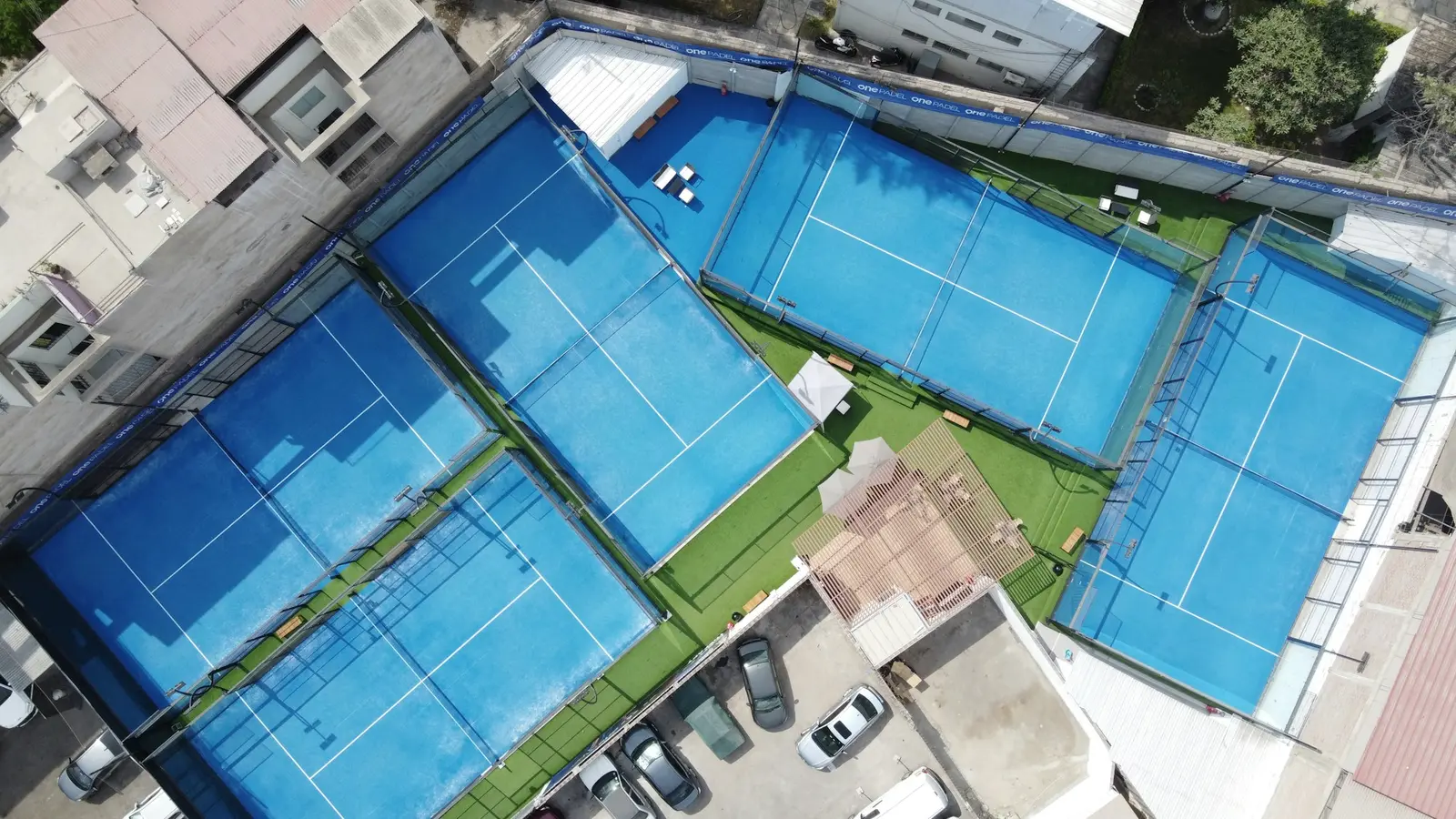
A step-by-step guide to opening a padel club in the UK: testing demand, indoor or outdoor sites, planning, the main costs and how new clubs are funded.
This guide is for people planning a new padel club in the UK, whether an indoor centre in an industrial unit, an outdoor venue, or courts added to an existing sports, hotel or leisure business. It covers the decisions that shape the business, the planning steps, the main costs and how new clubs are usually funded. Smart Funding Solutions is a broker, not a lender: we arrange business funding from £10,000 to £20 million, and our padel club finance page covers borrowing for clubs that are already trading.
A padel club's finances depend on how many courts it can fill, and at what price, outside the obvious peak hours. Before looking at sites, find out:
A club that can only fill evenings and weekends needs fewer courts, or a cheaper site, than one that can fill the day as well.
| Indoor unit | Outdoor site | |
|---|---|---|
| Weather | Playable all year | Weather-dependent unless covered |
| Building costs | Fit-out of a large unit | Groundworks, drainage and fencing |
| Running costs | Rent, energy and rates are significant | Lower, but fewer playable hours |
| Planning | Change of use may be needed | Consent for courts, fencing and lighting |
| Neighbours | Noise mostly contained | Noise and light can be sensitive near homes |
Indoor padel needs a large, clear space with enough height for lobs, so many operators look at warehouses and industrial units. Check the ceiling height and column positions against the court supplier's requirements before agreeing terms. Outdoor courts can sit on spare land at a sports club, hotel or holiday park, and a canopy can be added later; see padel canopy finance.
Indoor sport falls within Class E in England, so a unit already in that class may not need a change of use, while a warehouse or industrial unit in another class usually will. Check the planning use classes and speak to the council early. Outdoor courts usually need planning permission for the courts, fencing and floodlights. Noise from play has become a common objection to padel near homes, so councils often ask for a noise assessment and may set conditions on opening hours, lighting and acoustic fencing. Those conditions decide how many hours you can sell, so read them before you sign a lease or order courts.
Choose a court manufacturer with a track record, clear warranties and an installer who has built courts on sites like yours. Compare standard and panoramic courts, lighting options and lead times. Ask what the price includes: base preparation, delivery, installation and lighting are often quoted separately. A supplier with a recognised product also makes the courts easier to finance. Our page on padel court finance explains how lenders treat each part.
Every project is different, so build your budget from real quotes rather than averages. The main headings are:
New clubs are usually funded from several sources, each matched to a different part of the cost:
New clubs nearby can change local demand quickly, so keep your forecast cautious and your costs flexible. Planning delays and conditions can push back opening or cut evening hours. Indoor energy costs and outdoor weather both affect margins. Turf, glass and lighting need maintaining, and a club that does not budget for that ends up borrowing for it in a hurry. Most new club borrowing involves personal guarantees, so understand what you are signing; our guide to personal guarantees explains the commitment.
This guide is general information, not financial advice. Lenders set their own criteria, rates and terms, and all finance is subject to status.
Not ready for the full application? Leave a few details and a broker will call you to talk it through. It is free, with no obligation.
There is no fixed number. It depends on local demand, the size of the site and how well you can fill off-peak hours. Some venues start with a small number of courts and add more once bookings prove demand, which also makes a later funding case stronger.
Outdoor courts usually need planning permission for the courts, fencing and lighting, and councils often ask about noise. Indoor clubs may need consent for a change of use, depending on the current use class of the building. Speak to the council before committing to a site.
Yes, but lenders lean heavily on your experience, the business plan and your own contribution. Courts from established suppliers can often be funded on asset finance, with the works and opening costs funded separately.
Usually. An existing tennis, golf or leisure venue already has a site, customers, staff and facilities, and lenders can see its accounts. That tends to lower both the cost and the risk compared with a standalone new club.
Grants exist for sports projects with genuine community benefit, but they are competitive and usually cover only part of the cost. Commercial clubs mostly rely on owners' money and borrowing, with grants as a possible extra.
To open an indoor golf centre, test local demand, find a unit with enough ceiling height and space for your bays, check…

To open a day nursery in England you need premises with enough indoor and outdoor space for the EYFS requirements, a qualified…
Padel court finance spreads the cost of courts over several years, usually through hire purchase or leasing secured on the…
Padel canopy finance funds a roof structure over outdoor courts so they can be played in rain and through the winter. Because a…
Professional football club finance usually means working capital facilities, advances against income the club is owed, such as…
How a sports business is funded depends mostly on whether it is a commercial business or a community club. Commercial venues,…
Our clients say
Trusted by UK businesses across every sector.
“Simon was fast, kept us updated at all stages and was a real pleasure to work with on our asset finance. I highly recommend this company: excellent service all round.”
“Spoke with Simon, who managed to get me the loan I needed promptly. The whole process was very smooth and was completed within a few days.”
“Getting a business loan can feel like a bit of a minefield, but everything was broken down for me in great detail. Will use again in the future!”
“Simon was a pleasure to deal with and helped us find a business loan that matched our growth goals and future expansion plans.”
“I couldn’t source funding for my business, but the team got in touch within an hour and had it sorted within 24 hours. Fantastic service, and I would definitely use them again.”
A short conversation is often enough to know which lenders will look at your case and how to present it. There is no obligation, and it is free to enquire.