
Padel court finance: funding courts, installation and lighting
Padel court finance spreads the cost of courts over several years, usually through hire purchase or leasing secured on the…
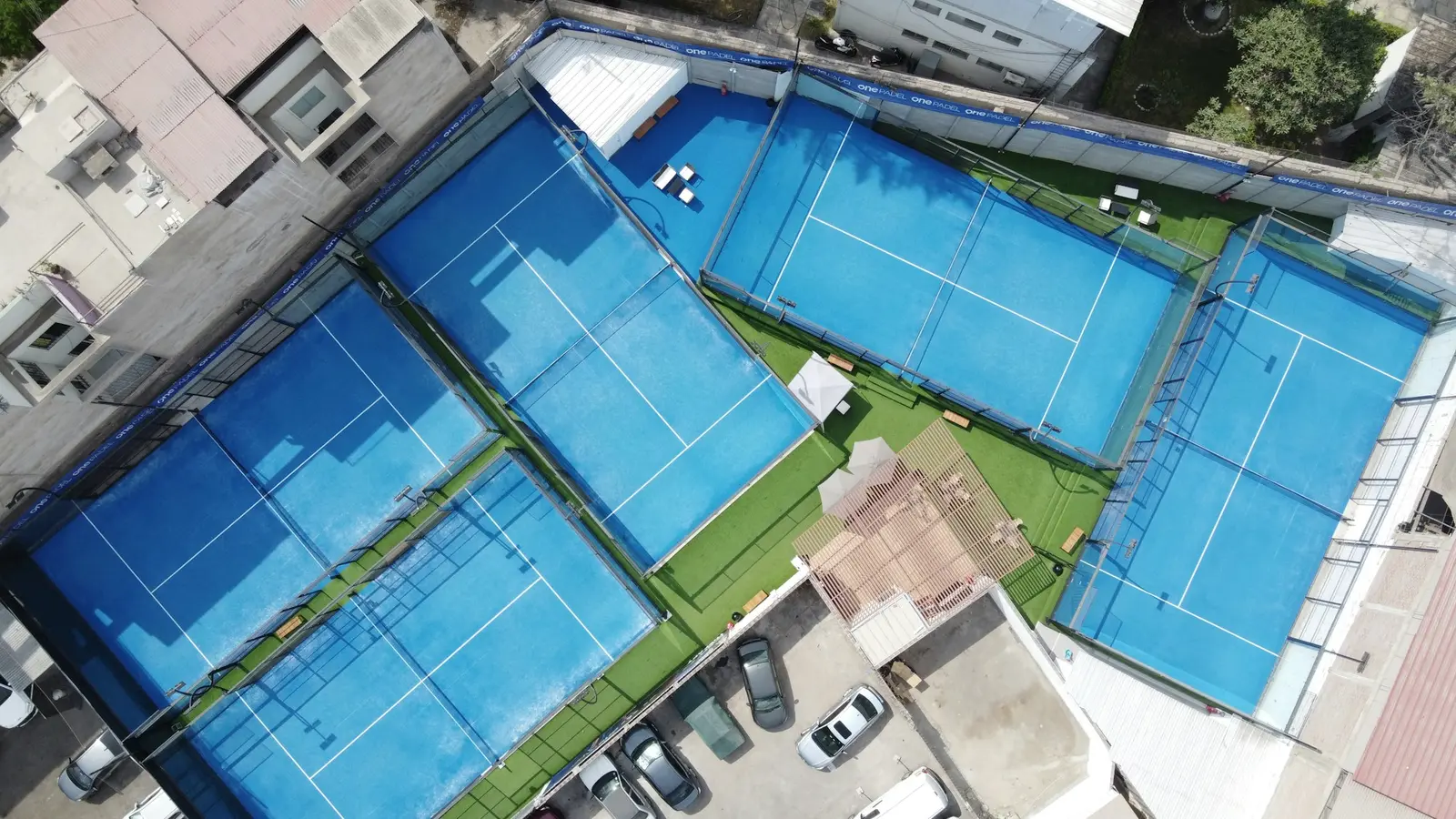
How to fund a canopy or covered structure over padel courts, how lenders view canopies compared with courts, and what to have ready before you apply.
Explore funding options Prefer a quick call back? Leave your number
“An excellent company that provided funding options quickly.”
In short
What you need to know.
Because a canopy is large, needs planning permission and is fixed to its foundations, lenders treat it more like building works than equipment. It is usually funded with a term loan, a secured loan or, from some lenders, asset finance on a demountable structure.
About padel canopy finance
Specialist knowledge. Better outcomes.
This page is for padel clubs, tennis and multi-sport venues, hotels and holiday parks thinking about covering outdoor padel courts with a canopy or covered structure. Smart Funding Solutions is a broker, not a lender: we search a panel of 300+ lenders and arrange facilities from £10,000 to £20 million. For the courts themselves, see padel court finance, and for the wider picture our padel club finance hub.
Some suppliers sell canopies designed to be taken down and moved; others are built as permanent structures on deep foundations. That difference matters to a lender.
Outdoor courts lose bookings to rain, wind and short winter days. A canopy keeps the playing surface dry and lets a club sell evening and winter slots with more confidence, which is often the difference between a seasonal business and a year-round one. It can also protect turf and glass from the weather. The case for borrowing rests on that change: more playable hours, more reliable bookings and, often, higher prices for covered courts.
A canopy is a substantial structure and normally needs planning permission. Councils look at its height and appearance, lighting, drainage and the effect on neighbours, including noise from play. It will also need building regulations approval and a structural design for wind and snow loads. Lenders will usually want consent in place before they complete, and they read the conditions closely, so build the planning timetable into your plans before you commit to a supplier.
A club adding a canopy over existing courts can show lenders real booking data: how bookings drop in wet months and in winter, and how full the courts are at peak times. That evidence makes a strong case. A new club building courts and canopy together has no booking history, so lenders lean on the owners' experience, the business plan and a meaningful personal contribution. Our guide to opening a padel club covers that planning.
A canopy is a long-term commitment on a fixed site. If the lease is short, or planning conditions limit evening use, the extra bookings may not justify the cost. Groundworks for foundations can rise once the ground is opened up, so keep a contingency. Some structures may qualify for the Structures and Buildings Allowance rather than equipment allowances; ask your accountant before you decide how to fund it. Weigh whether a staged approach, covering some courts first, would let bookings prove the case before you cover the rest.
utilisation by month and time of day, and the effect of weather on cancellations
the structure, its design life, warranty and whether it can be moved
consent and conditions, and building regulations sign-off
who owns the land, and the lease length if you rent
whether the extra bookings a canopy brings cover the repayments with room to spare
How the main business finance structures work. Lenders set their own terms, so treat this as a guide to the questions to ask.
| Option | How you repay | Security | Often used for |
|---|---|---|---|
| Unsecured business loan | Fixed instalments, usually monthly | No charge over assets; a personal guarantee is usually required | Growth, stock, tax bills and cash flow |
| Secured business loan | Fixed instalments, often over a longer term | A charge over property or other assets | Larger sums, property and refinancing |
| Revolving credit facility | Interest on what you draw; repay and redraw | Varies by lender and case | Recurring or uneven cash flow gaps |
| Merchant cash advance | A share of future card takings | No charge over assets | Card-taking businesses with uneven months |
| Asset finance | Regular payments over the life of the asset | The asset being financed | Equipment, vehicles and machinery |
| Invoice finance | Settled as customers pay their invoices | Your unpaid invoices | Businesses waiting on customer payment |
General information only. Every lender has its own criteria, and all finance is subject to status.
Lenders like assets they can recover and resell. A canopy is expensive to dismantle, may not fit another site and sits on foundations that stay behind, so many asset finance lenders treat it more like building works than equipment. Some specialist lenders will fund demountable canopies from established suppliers on asset finance; for permanent structures, the usual routes are a term loan or a loan secured on property.
| Situation | Finance often considered |
|---|---|
| Demountable canopy from an established supplier | Asset finance, sometimes alongside the courts |
| Permanent structure on land you own | Secured business loan or commercial mortgage refinance |
| Permanent structure on leased land | Unsecured term loan, often with a landlord contribution |
| Canopy as part of a wider build | Fit-out finance or a staged loan |
Padel courts are usually covered with a canopy: an open-sided roof on a steel frame that keeps rain off while leaving the sides open. Tennis clubs more often use air domes, which enclose the courts fully and need fans and heating to stay up. The choice affects the finance as well as the playing experience.
If you are covering tennis courts rather than padel, see tennis dome finance. To see which lenders on our panel fund covered court projects like yours, start with Instant Quotes.
Clubs weighing a canopy against a full air dome over tennis courts can see what a dome costs to finance over five years in our tennis club finance guide.
We look at the canopy alongside the rest of the club's borrowing, approach lenders on our panel suited to the structure and the site, and present the booking evidence the way underwriters read it. If you are also planning new courts or a seasonal facility for the quieter months, our pages on padel court finance and seasonal business finance may help.
Sometimes. Some specialist lenders fund demountable canopies from established suppliers on asset finance. Permanent structures on deep foundations are harder to recover, so they are more often funded with a term loan or a loan secured on property.
In most cases, yes. A canopy is a large structure, and councils will look at its height, appearance, drainage, lighting and the effect on neighbours. Lenders usually want consent in place before they complete.
Yes, often as one project split across two or three facilities: asset finance for the courts and possibly the canopy, and a term loan for groundworks and foundations. We arrange the parts with lenders suited to each.
For existing courts, booking reports showing lost bookings in wet and winter months are the best evidence, alongside prices you expect to charge for covered courts. For a new club, a cautious forecast and comparisons with covered courts nearby help.
Yes, if the business can show it can afford the repayments and the structure has consent. Members' clubs and charities have fewer lenders to choose from, so the legal structure of the club matters.
They are similar but not the same. Dome finance usually means funding an air-supported or framed dome that fully encloses courts, which some lenders fund with asset finance because it can be moved. A padel canopy is an open-sided roof fixed to foundations, which lenders more often fund as building works with a term loan. See tennis dome finance for domes.
Padel court finance spreads the cost of courts over several years, usually through hire purchase or leasing secured on the…
To open a padel club, test local demand, choose between an indoor unit and an outdoor site, secure planning consent and a lease…
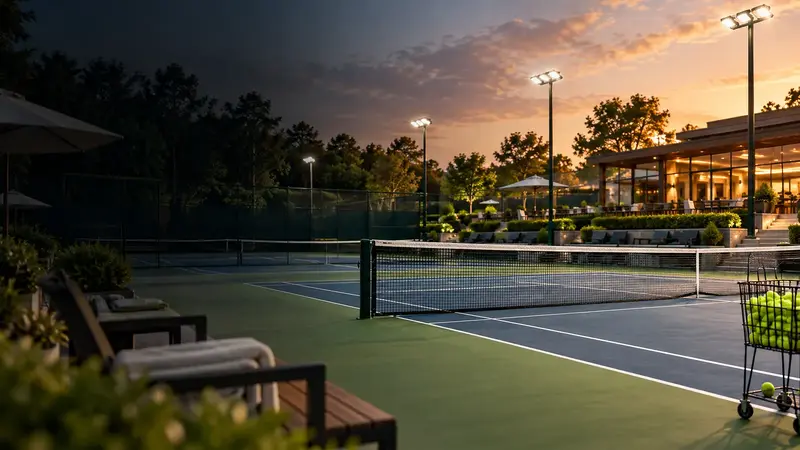
Tennis dome finance helps clubs and centres cover outdoor courts with an air-supported dome, a framed fabric structure or a…
Tennis club finance usually combines a term loan or secured loan for court building and resurfacing, asset finance for…
Tennis court finance covers resurfacing, rebuilding or building new courts, and floodlights. Because a court surface is fixed…

To open a day nursery in England you need premises with enough indoor and outdoor space for the EYFS requirements, a qualified…
What our clients say
“Simon was fast, kept us updated at all stages and was a real pleasure to work with on our asset finance. I highly recommend this company: excellent service all round.”
“Spoke with Simon, who managed to get me the loan I needed promptly. The whole process was very smooth and was completed within a few days.”
“Getting a business loan can feel like a bit of a minefield, but everything was broken down for me in great detail. Will use again in the future!”
“Simon was a pleasure to deal with and helped us find a business loan that matched our growth goals and future expansion plans.”
“I couldn’t source funding for my business, but the team got in touch within an hour and had it sorted within 24 hours. Fantastic service, and I would definitely use them again.”