

Business vehicle and fleet finance: cars, vans and trucks compared
Business vehicle finance lets a company acquire cars, vans, trucks or a whole fleet on monthly payments. Hire purchase suits…
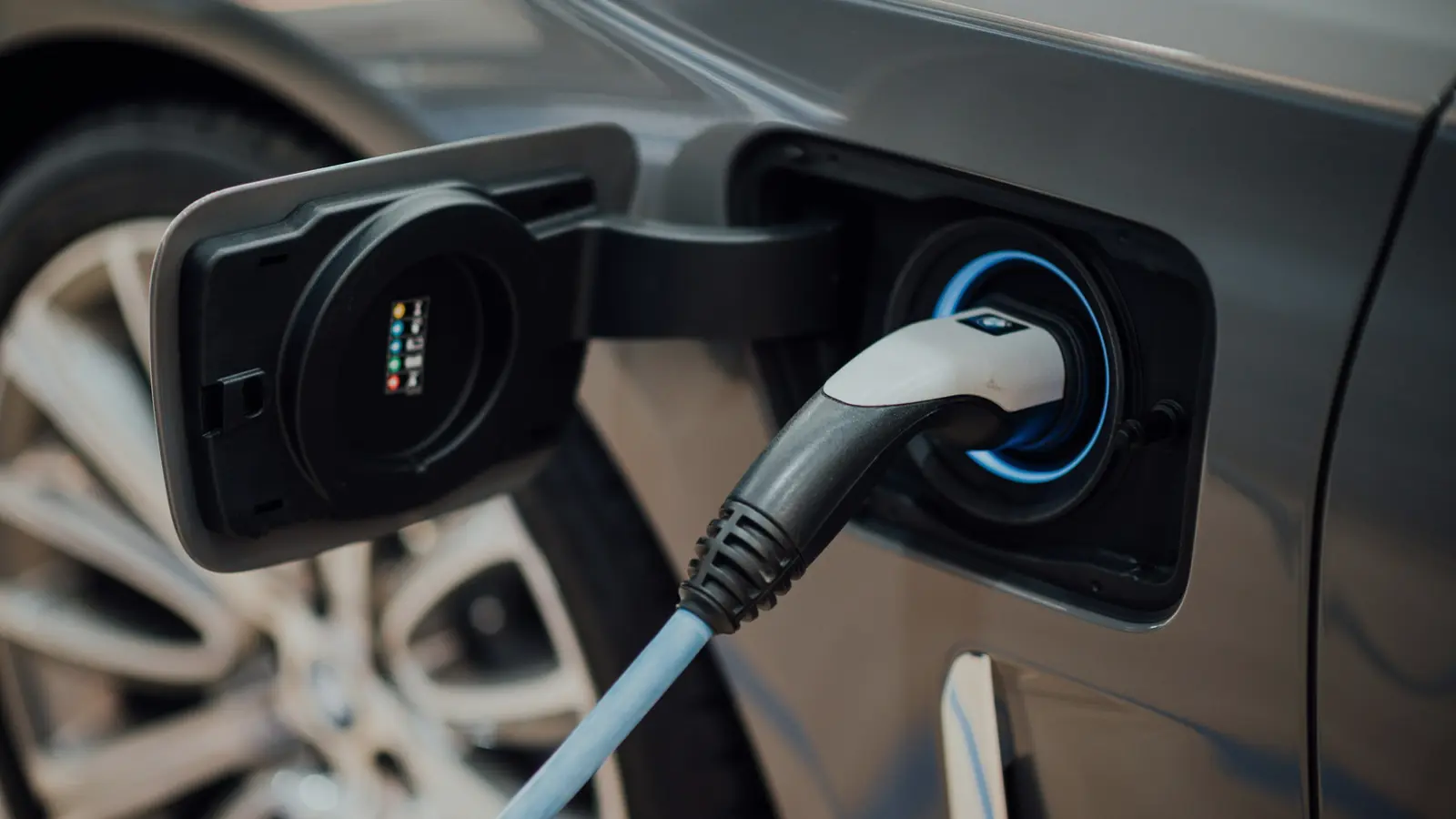
How businesses fund ULEZ and Clean Air Zone compliant vans, cars and lorries, choose electric or Euro 6 diesel, and deal with the old vehicle.
Explore funding options Prefer a quick call back? Leave your number
“I highly recommend this company: excellent service all round.”
In short
What you need to know.
In London, light vehicles comply with Euro 4 petrol or Euro 6 diesel standards, or by being electric; heavier lorries and coaches must meet Euro VI under the Low Emission Zone. Hire purchase, leasing and contract hire are all available, and the old vehicle can usually be part-exchanged.
About ULEZ compliant vehicle finance
Specialist knowledge. Better outcomes.
This page is for tradespeople, couriers, contractors, care and delivery businesses and fleet operators who need to replace vans, cars, minibuses or lorries that fall short of London's Ultra Low Emission Zone (ULEZ) standards or a Clean Air Zone elsewhere in the UK. Smart Funding Solutions is a broker, not a lender: we approach lenders on our panel of 300+ that fund commercial and company vehicles, and arrange facilities from £10,000 to £20 million. ULEZ vehicle finance is part of our wider asset finance service.
London's ULEZ covers all London boroughs and runs every day of the year except Christmas Day. Cars, vans, minibuses and other light vehicles meet the standard if they are:
As a rough guide, petrol cars registered from 2006 and many from 2001 meet Euro 4, diesel cars registered from September 2015 meet Euro 6, and diesel vans broadly from September 2016, but the registration date is not proof. Always check the specific vehicle using the TfL vehicle checker on the TfL ULEZ pages before you commit to buying it. Non-compliant vehicles pay a daily charge for each day they drive in the zone; check the current amount with TfL rather than relying on figures quoted elsewhere.
Lorries over 3.5 tonnes and buses and coaches over 5 tonnes are not charged under ULEZ. Instead, London's Low Emission Zone (LEZ) requires them to meet Euro VI, or pay a daily charge. Heavy goods vehicles over 12 tonnes gross vehicle weight also need a free HGV Safety Permit under the Direct Vision Standard to drive in Greater London, which since October 2024 means a minimum three-star rating or fitting the Progressive Safe System of cameras, sensors and warnings. Older trucks may need both a newer engine standard and safety equipment. The TfL LEZ pages set out the current rules. For operators replacing heavier vehicles, our HGV finance page covers how lenders look at trucks and operator licences.
Several English cities, including Birmingham, Bristol, Bath, Bradford, Sheffield, Portsmouth and Newcastle with Gateshead, run charging Clean Air Zones, and Glasgow, Edinburgh, Dundee and Aberdeen enforce Low Emission Zones. The standards are broadly the same as London's, Euro 4 petrol, Euro 6 diesel and Euro VI for heavy vehicles, but the vehicles covered differ: some zones charge private cars, while others only charge commercial and passenger vehicles such as buses, coaches, taxis, lorries and, in some zones, vans. Zones are added, changed and occasionally closed, so check the current position. The gov.uk guide to driving in a Clean Air Zone lists the zones and lets you check a vehicle. Businesses delivering into several cities should plan their fleet to the strictest zone they visit.
For a single van, van finance through hire purchase is the usual route: deposit, fixed payments and ownership at the end. A balloon can lower the payments. For cars, contract hire or a finance lease is common because ownership often matters less and VAT treatment differs. Fleets replacing several vehicles at once often mix agreements, keeping vans on hire purchase and cars on contract hire; our business vehicle finance page compares the agreements side by side.
The vehicle you are replacing is often part of the funding. Options include:
Sole traders, partnerships and limited companies can all apply. Lenders look at trading history, affordability and credit record, plus the age and value of the vehicle. Used compliant vehicles from mainstream manufacturers are straightforward to fund; older vehicles get shorter terms. Borrowing of £25,000 or less by sole traders and small partnerships can be regulated consumer credit with additional protections.
The vehicle itself is the security. Directors of smaller limited companies are often asked for personal guarantees, and a deposit may be needed, larger where credit history is weaker or the vehicle is older or specialist.
For a used van or car from a dealer and a business with a clean record, lenders can often decide within a day or two, and delivery follows once documents are signed. New vehicles depend on manufacturer lead times, and electric vehicles with depot charging need installation planned alongside the vehicle. If a zone is about to start charging on your route, or a contract requires compliant vehicles from a set date, start early.
Illustration. A plumbing firm in outer London runs a 2014 diesel van that does not meet Euro 6, and pays the daily charge on every working day. It part-exchanges the van against a used Euro 6 diesel van of around £18,000, with the rest spread over four years on hire purchase. The monthly payment is broadly offset by the charges it no longer pays, and it plans to move to an electric van at its next replacement once home charging is in place. The figures are hypothetical, and each lender sets its own terms.
How the main business finance structures work. Lenders set their own terms, so treat this as a guide to the questions to ask.
| Option | How you repay | Security | Often used for |
|---|---|---|---|
| Unsecured business loan | Fixed instalments, usually monthly | No charge over assets; a personal guarantee is usually required | Growth, stock, tax bills and cash flow |
| Secured business loan | Fixed instalments, often over a longer term | A charge over property or other assets | Larger sums, property and refinancing |
| Revolving credit facility | Interest on what you draw; repay and redraw | Varies by lender and case | Recurring or uneven cash flow gaps |
| Merchant cash advance | A share of future card takings | No charge over assets | Card-taking businesses with uneven months |
| Asset finance | Regular payments over the life of the asset | The asset being financed | Equipment, vehicles and machinery |
| Invoice finance | Settled as customers pay their invoices | Your unpaid invoices | Businesses waiting on customer payment |
General information only. Every lender has its own criteria, and all finance is subject to status.
Replacing a non-compliant vehicle usually comes down to two choices, and the right answer depends on mileage, payload and where the vehicle sleeps.
| Euro 6 diesel or Euro 4+ petrol | Electric | |
|---|---|---|
| Purchase price | Lower, especially used | Higher, though the used market is growing |
| Running costs | Fuel and servicing as now | Usually lower energy and servicing cost if charged at base |
| Range and payload | Familiar; no change to routes | Range and payload need checking against your heaviest days |
| Future zones | Compliant today; standards can tighten | Zero emission at the tailpipe |
| Extra cost | None | Charge points at the depot or drivers' homes |
Electric vans carry heavy batteries, so payload can be lower than the diesel equivalent; car licence holders can drive certain alternatively fuelled vans up to 4,250kg used for goods, subject to conditions, which helps. Our guides to electric van finance and electric car business finance go into the options, and EV charger finance covers funding depot and workplace charge points. Tax treatment differs sharply between electric and fossil-fuelled company cars, so take advice from your accountant.
Lenders make the final decision. It is free to enquire, and any broker fee is disclosed before you proceed. Start an enquiry online.
Illustrative figures from the numbers you enter, before you speak to a lender.
A diesel van usually needs to meet Euro 6 and a petrol van Euro 4. Registration date gives a rough idea, but check the exact vehicle using TfL's vehicle checker before you buy it or decide to replace it.
Yes. Used Euro 6 diesel and electric vans are funded every day. Lenders look at age, mileage and history, and set the term so the agreement ends within the van's useful life.
The outstanding balance must be settled before it can be sold or part-exchanged. If the van is worth less than the settlement figure, you will need to pay the difference, and some lenders will add it to the new agreement, which increases the total you repay.
Not always. Electric vans are exempt and usually cheaper to run, but cost more to buy, carry less payload and need charging. A Euro 6 diesel can be the better fit for high-mileage or heavy-payload work, provided you are comfortable that standards may tighten in future.
Lorries over 3.5 tonnes are covered by London's Low Emission Zone rather than ULEZ, and need to meet Euro VI. Those over 12 tonnes also need an HGV Safety Permit under the Direct Vision Standard.
Business vehicle finance lets a company acquire cars, vans, trucks or a whole fleet on monthly payments. Hire purchase suits…

Prestige car finance for business funds high value cars, such as supercars, prestige models and classics, bought by a company…

How much you can raise depends mainly on what the asset would sell for today, not what you paid for it. Vans, HGVs, plant and…
Cherry picker finance spreads the cost of a mobile elevating work platform, such as a van-mounted boom, self-propelled boom,…

Coffee machine finance spreads the cost of a commercial bean-to-cup or traditional espresso machine, grinders and water…

Crane finance spreads the cost of a mobile, crawler, tower or lorry-loader crane over monthly payments, usually through hire…
What our clients say
“Simon was fast, kept us updated at all stages and was a real pleasure to work with on our asset finance. I highly recommend this company: excellent service all round.”
“We were looking for finance for new equipment. Simon is excellent and objective-driven, without the horrendous form filling of your usual high street bank. The whole thing took just a few days.”
“Spoke with Simon, who managed to get me the loan I needed promptly. The whole process was very smooth and was completed within a few days.”
“Getting a business loan can feel like a bit of a minefield, but everything was broken down for me in great detail. Will use again in the future!”
“Simon was a pleasure to deal with and helped us find a business loan that matched our growth goals and future expansion plans.”
“I couldn’t source funding for my business, but the team got in touch within an hour and had it sorted within 24 hours. Fantastic service, and I would definitely use them again.”

Chat with Smart Funding
We usually reply in seconds
Please don't share bank details or passwords here. Calls on 01244 267694.