
Electric car business finance: hire purchase, contract hire and salary sacrifice
For most businesses the choice comes down to who carries the resale and battery risk. Contract hire leaves it with the lender…
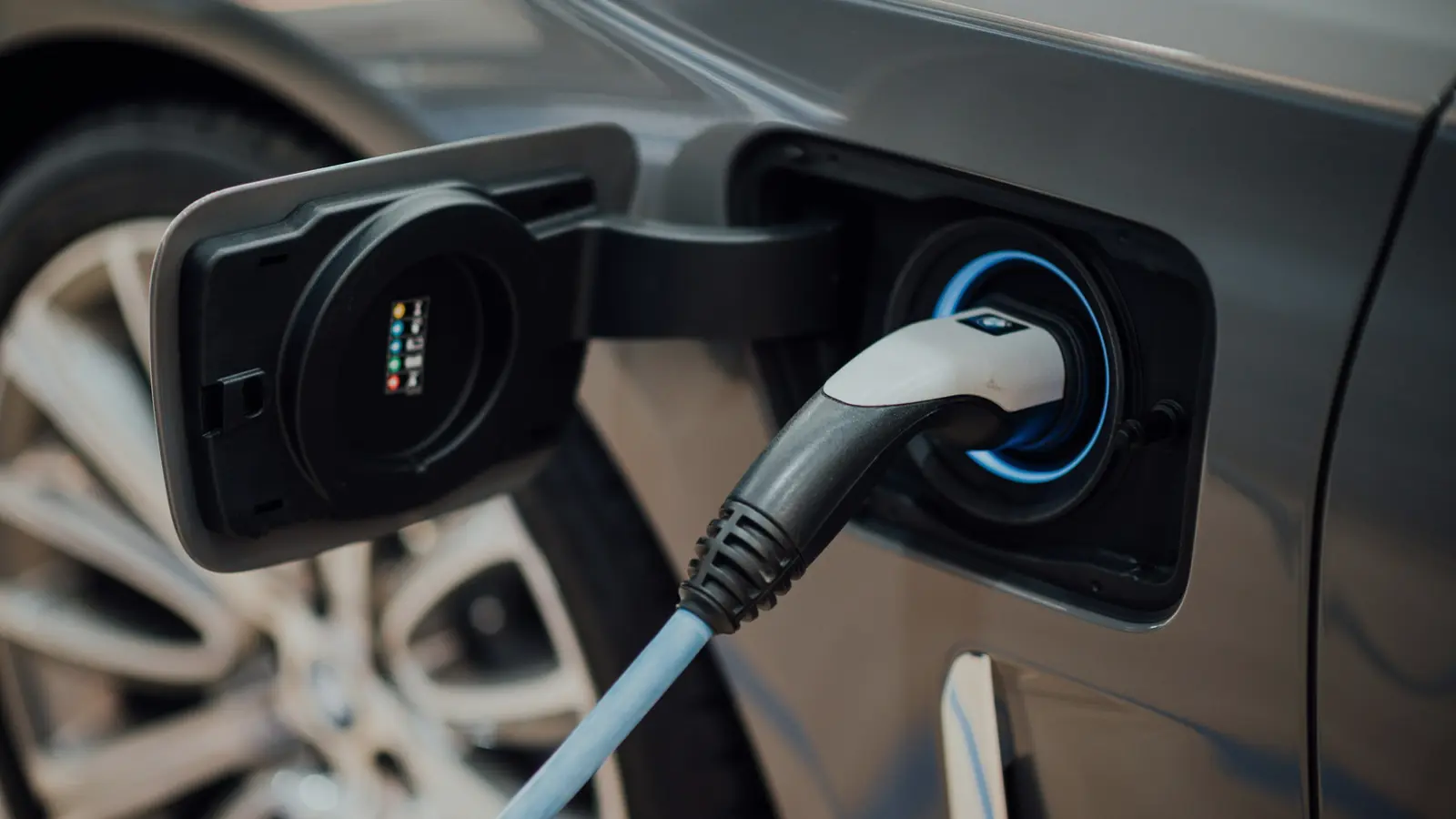
Switching to electric vans? How to test range and payload against your routes, budget for charging, compare whole-life cost and choose the right finance.
Electric van finance spreads the cost of an electric van over monthly payments instead of paying the higher purchase price upfront. This guide is for tradespeople, delivery firms and fleet operators thinking about switching from diesel, and it covers the checks that are specific to electric vans: range, payload, charging and whole-life cost. For the finance agreements themselves, our van finance page explains hire purchase, lease purchase and contract hire in full. Smart Funding Solutions compares lenders for you once you know what you need.
An electric van usually costs more to buy but less to run. To compare fairly, add up for each van over the period you will keep it:
| Cost | What to include |
|---|---|
| Finance | Deposit, all monthly payments, any balloon and fees |
| Energy | Your expected mileage multiplied by cost per mile for electricity or diesel |
| Servicing and tyres | Manufacturer service schedule and typical tyre wear |
| Charging set-up | Chargepoint purchase and installation, if needed |
| Zone charges | Clean air zone or congestion charges on your routes |
| Value at the end | Expected resale value if you own it (not relevant on contract hire) |
The van with the lower total, not the lower monthly payment, is the cheaper choice.
Contract hire is popular for a first move to electric, because the lender carries the risk on battery health and resale value, and you can move to a newer model with better range at the end. Watch the mileage allowance: electric vans often do more short urban miles than expected.
Hire purchase suits businesses that keep vans for many years and want the capital allowances available to owners. You take the resale risk, so check the battery warranty covers most of the time you expect to keep the van.
Finance leases and business loans fill the gaps: a loan can fund depot chargepoints and installation that vehicle finance may not cover, and our asset finance hub explains how chargepoints can be funded as equipment.
Start-ups and sole traders can often access van finance, as the van provides security, though a deposit or guarantee may be required. Finance of £25,000 or less to a sole trader or small partnership can be regulated consumer credit.
The end of the agreement matters more with an electric van than with a diesel, because battery health and used values affect what the van is worth to you, or to the lender, when the term finishes. Your options depend on the type of agreement.
Plan for the end on day one. Keep the full service history and any battery health reports, record mileage against the allowance during the term rather than at the end, and check what the agreement says about charging cables and other accessories that must be returned. If you want to own the van outright and run it for years, hire purchase is usually the simplest structure; if you would rather avoid the resale risk, contract hire passes it to the lender.
We are a commercial finance broker, not a lender or vehicle dealer, and lenders make the final decision. Considering electric cars too? See electric car business finance, or explore funding options online.
This guide is general information, not financial advice. Lenders set their own criteria, rates and terms, and all finance is subject to status.
Not ready for the full application? Leave a few details and a broker will call you to talk it through. It is free, with no obligation.
VAT-registered businesses can usually reclaim VAT on lease rentals and purchases of commercial vans used for business purposes. The rules depend on how the van is used, including any private use, and the type of agreement, so confirm the position with your accountant before signing.
Some lenders offer electric van finance with no deposit, but it depends on your trading history, credit profile and the van itself. Contract hire usually needs an initial rental rather than a deposit, while hire purchase may be available with little or nothing down for established businesses. A deposit can lower the monthly payment and help start-ups or those with weaker credit get accepted. Compare the total cost, not just the upfront amount.
Yes, many lenders will finance used electric vans, usually through hire purchase or a business loan. They will look at the van's age, mileage and expected future value, and battery health matters more than with a diesel. Check how much of the manufacturer's battery warranty remains and whether it transfers to you. A shorter term may be offered on older vans, so match the agreement to how long you expect to keep it.
Vehicle finance does not always cover chargepoints, but a chargepoint and its installation can often be funded separately as equipment or through a business loan. Some suppliers bundle the charger with the van, in which case one agreement may cover both. Get a quote for any electrical supply upgrade first, as this can be the larger cost. Our green business finance page covers how energy equipment is funded.
If the battery fails during the agreement, the manufacturer's battery warranty is usually your first route, not the finance company. On hire purchase you are responsible for the van as its eventual owner, so the warranty and your maintenance matter. On contract hire, maintenance packages and the lender's terms may cover more, but check the agreement. Keep service records, as warranty claims can depend on them.
Often, because electric vans usually cost more to buy, which raises the amount financed. On contract hire the gap depends on the lender's view of the van's future value. The monthly payment is only part of the cost, though: lower energy and servicing costs and avoided zone charges can make the electric van cheaper overall, so compare whole-life cost rather than payment alone.
Yes. Many lenders will set up a facility to fund a batch of vans, or a master agreement that lets you add vehicles over time. They will look at your trading history, existing commitments and the total exposure across the fleet. Chargepoints for a depot can sometimes be funded alongside. See vehicle and fleet finance for how fleet facilities work.
For most businesses the choice comes down to who carries the resale and battery risk. Contract hire leaves it with the lender…

A finance lease is a form of equipment leasing in which a lender buys an asset and rents it to your business for most of its…
An operating lease is a rental agreement in which a business pays to use an asset for part of its working life and then returns…
How much you can raise depends mainly on what the asset would sell for today, not what you paid for it. Vans, HGVs, plant and…

A finance lease repays substantially all of an asset's cost over most of its life, and the lessee carries the risk of its value…
EV charger finance is asset finance that spreads the cost of buying and installing electric vehicle charge points, including…
Our clients say
Trusted by UK businesses across every sector.
“Simon was fast, kept us updated at all stages and was a real pleasure to work with on our asset finance. I highly recommend this company: excellent service all round.”
“Spoke with Simon, who managed to get me the loan I needed promptly. The whole process was very smooth and was completed within a few days.”
“Getting a business loan can feel like a bit of a minefield, but everything was broken down for me in great detail. Will use again in the future!”
“Simon was a pleasure to deal with and helped us find a business loan that matched our growth goals and future expansion plans.”
“I couldn’t source funding for my business, but the team got in touch within an hour and had it sorted within 24 hours. Fantastic service, and I would definitely use them again.”
A short conversation is often enough to know which lenders will look at your case and how to present it. There is no obligation, and it is free to enquire.