

Plant finance for contractors, plant hire firms and quarry operators
Plant finance funds heavy machines such as excavators, dozers, cranes, crushers and screeners, usually on hire purchase or a…
How UK businesses fund van-mounted cherry pickers, boom lifts, scissor lifts and spider lifts, and what lenders check before they agree terms.
Explore funding options Prefer a quick call back? Leave your number
“I highly recommend this company: excellent service all round.”
In short
What you need to know.
Hire purchase suits platforms you will keep; leasing or contract hire suits fleets on a replacement cycle. Lenders look at make, age, hours and LOLER examination history, and at whether your trading comfortably covers the payment.
About cherry picker finance
Specialist knowledge. Better outcomes.
This page is for access hire companies, arborists and tree surgeons, sign makers, electrical and telecoms contractors, facilities management firms and anyone else who works at height often enough that owning a cherry picker beats hiring one. Smart Funding Solutions is a broker, not a lender: we approach lenders on our panel of 300+ that finance powered access equipment, and arrange facilities from £10,000 to £20 million. Cherry picker finance is part of our wider asset finance service.
"Cherry picker" is the everyday name for a mobile elevating work platform (MEWP). The category is broad, and the type you choose affects both the finance route and how a lender values it.
Machines from established manufacturers with a recognised rental pedigree are the easiest to fund, new or used. Very specialised or customised platforms may need a larger deposit.
For a hire firm the platforms are the stock. Lenders look at fleet utilisation, hire rates, customer spread and how quickly the fleet is refreshed. A firm adding twenty scissor lifts for a national account will be asked about that account and the length of its commitment.
Sign makers, electrical contractors, telecoms businesses, tree surgeons and window and gutter cleaning firms usually buy because hire bills have become a fixed cost. Lenders want to see that the business has steady work at height and that the payment is comfortably covered by trading. Bringing hire invoices from the last year is one of the most persuasive pieces of evidence you can give.
A van-mounted cherry picker is a vehicle with a platform built on. Lenders usually finance the chassis and the access equipment as one asset, but they value the two parts differently: the van depreciates like any van, while the platform often outlives the chassis and can sometimes be transferred to a new one. Points to check:
For standard vans see our van finance page, and for mixed fleets our business vehicle finance page.
Because a cherry picker lifts people, the Lifting Operations and Lifting Equipment Regulations 1998 require a thorough examination by a competent person at least every six months, or in line with a written examination scheme. That is twice as often as most lifting equipment that only lifts loads. HSE guidance on LOLER explains the duties. Operators must be trained and competent, and the IPAF PAL card is the training standard most sites and principal contractors expect to see. Pre-use checks, harnesses and lanyards for boom work, and rescue plans complete the picture.
Lenders take an interest in examination records because a platform with a lapsed history can need significant work before it can be used or sold. In your budget, include examinations, servicing, batteries for electric machines, tyres, insurance and training, not just the monthly payment.
Limited companies, partnerships and sole traders can all apply. Lenders usually prefer at least a couple of years of trading, but newer businesses are considered where the owners have relevant experience, particularly for mainstream scissors and booms that resell easily. Borrowing of £25,000 or less by sole traders and small partnerships can be regulated consumer credit with additional protections. A weaker credit record does not rule finance out, but a larger deposit is likely.
The platform itself is the main security, as the lender owns it or holds title until the agreement ends. Directors of smaller companies are commonly asked for a personal guarantee. A deposit is often requested, and tends to be larger for older, specialist or customised machines. Separate property security is not normally needed for single platforms.
For a mainstream platform from an established dealer and a business with filed accounts, lenders can often make a decision within a few working days. Larger fleet deals, used machines needing inspection, and van-mounted builds involving a converter take longer. Agreeing finance before you commit to a build slot avoids paying a deposit to a supplier with nothing in place to fund the balance.
Illustration. A sign and graphics business has been hiring a van-mounted platform for two or three days most weeks, at a cost that has crept up over a year. It buys a used 3.5 tonne van-mounted platform for around £40,000 on a four-year hire purchase agreement, keeping hire for the occasional high-reach job. The monthly payment is lower than the previous hire bill, and the van doubles as a crew vehicle. These figures are hypothetical, and each lender sets its own terms.
How the main business finance structures work. Lenders set their own terms, so treat this as a guide to the questions to ask.
| Option | How you repay | Security | Often used for |
|---|---|---|---|
| Unsecured business loan | Fixed instalments, usually monthly | No charge over assets; a personal guarantee is usually required | Growth, stock, tax bills and cash flow |
| Secured business loan | Fixed instalments, often over a longer term | A charge over property or other assets | Larger sums, property and refinancing |
| Revolving credit facility | Interest on what you draw; repay and redraw | Varies by lender and case | Recurring or uneven cash flow gaps |
| Merchant cash advance | A share of future card takings | No charge over assets | Card-taking businesses with uneven months |
| Asset finance | Regular payments over the life of the asset | The asset being financed | Equipment, vehicles and machinery |
| Invoice finance | Settled as customers pay their invoices | Your unpaid invoices | Businesses waiting on customer payment |
General information only. Every lender has its own criteria, and all finance is subject to status.
| Route | Ownership | Best fit | Watch for |
|---|---|---|---|
| Hire purchase | Yours after the final payment | Platforms you will keep for their working life | Inspections and repairs are your cost |
| Finance lease | Lender keeps title | Spreading VAT over rentals; ownership not needed | End-of-lease terms vary by lender |
| Contract hire | Returned at the end | Van-mounted platforms on a fixed replacement cycle | Mileage limits, return conditions |
| Short-term hire | Off-hire when done | Occasional or seasonal work at height | Costs more than finance if kept for long |
| Asset refinance | Yours again once repaid | Releasing cash from platforms you own | Adds borrowing against older kit |
Our guide to hire purchase vs leasing sets out the tax and VAT differences in general terms.
Lenders make the final decision. It is free to enquire, and any broker fee is disclosed before you proceed. Start an enquiry online with your quote to hand.
Illustrative figures from the numbers you enter, before you speak to a lender.
Yes. Ex-rental booms and scissors are widely traded. Lenders want the serial number, year, hours and examination records, and older machines usually attract shorter terms. Ask the seller for the most recent thorough examination report before you commit.
Not usually, if the vehicle is at or below 3,500kg gross vehicle weight. Heavier truck-mounted platforms may need one depending on how the vehicle is classed and used, and drivers may need a C1 or C entitlement, so check the plated weight and the DVSA rules before choosing a vehicle.
Because it lifts people, at least every six months under LOLER, or in line with a written examination scheme drawn up by a competent person. Daily pre-use checks by the operator are also expected.
The legal duty is that operators are adequately trained and competent. IPAF training is the most widely recognised way to show this, and most principal contractors and site managers will ask to see a valid PAL card.
Yes. Tracked spider lifts are a common purchase for tree surgery firms, often alongside chippers and stump grinders. Our ground care equipment finance page covers the wider kit.
Plant finance funds heavy machines such as excavators, dozers, cranes, crushers and screeners, usually on hire purchase or a…
Skip lorry finance spreads the cost of skip loaders, hook loaders and the skips and containers they carry over monthly…
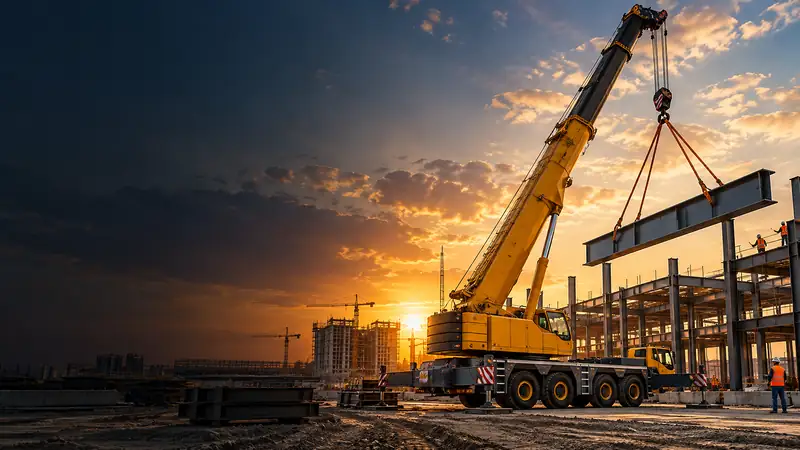
Crane finance spreads the cost of a mobile, crawler, tower or lorry-loader crane over monthly payments, usually through hire…

Business hire purchase is a way to buy a vehicle, machine or piece of equipment over time. A lender buys the asset, you pay a…
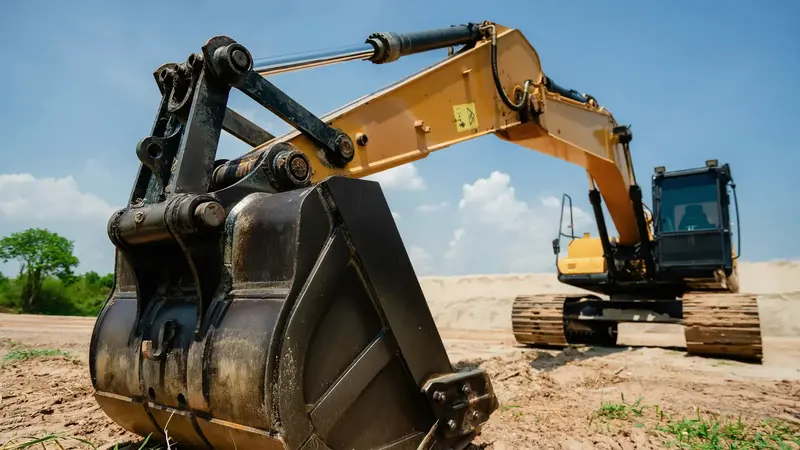
Hire purchase is buying an asset in instalments: you claim capital allowances and own it after the last payment, but VAT on the…
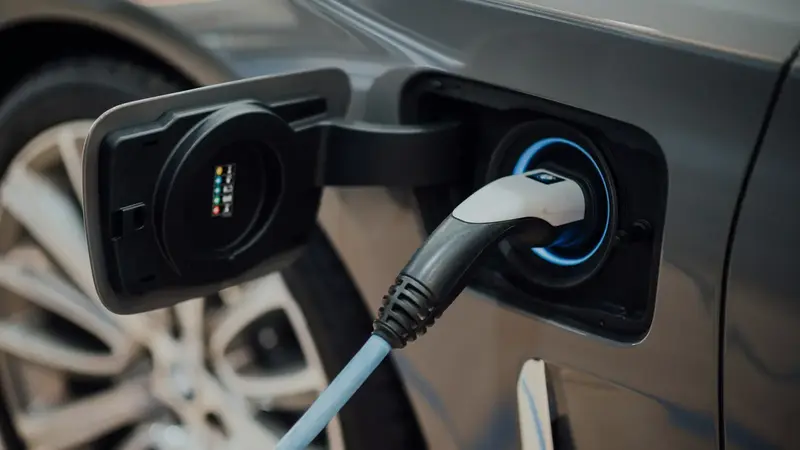
For most businesses the choice comes down to who carries the resale and battery risk. Contract hire leaves it with the lender…
What our clients say
“Simon was fast, kept us updated at all stages and was a real pleasure to work with on our asset finance. I highly recommend this company: excellent service all round.”
“We were looking for finance for new equipment. Simon is excellent and objective-driven, without the horrendous form filling of your usual high street bank. The whole thing took just a few days.”
“Spoke with Simon, who managed to get me the loan I needed promptly. The whole process was very smooth and was completed within a few days.”
“Getting a business loan can feel like a bit of a minefield, but everything was broken down for me in great detail. Will use again in the future!”
“Simon was a pleasure to deal with and helped us find a business loan that matched our growth goals and future expansion plans.”
“I couldn’t source funding for my business, but the team got in touch within an hour and had it sorted within 24 hours. Fantastic service, and I would definitely use them again.”

Chat with Smart Funding
We usually reply in seconds
Please don't share bank details or passwords here. Calls on 01244 267694.