
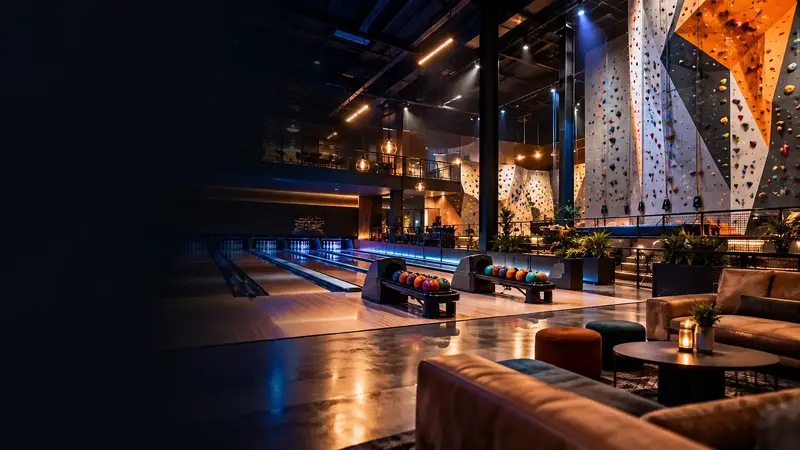
Bowling alley finance for lanes, pinsetters and centres
Bowling alley finance usually puts lanes, pinsetters, scoring systems and bar equipment on asset finance, funds building works…
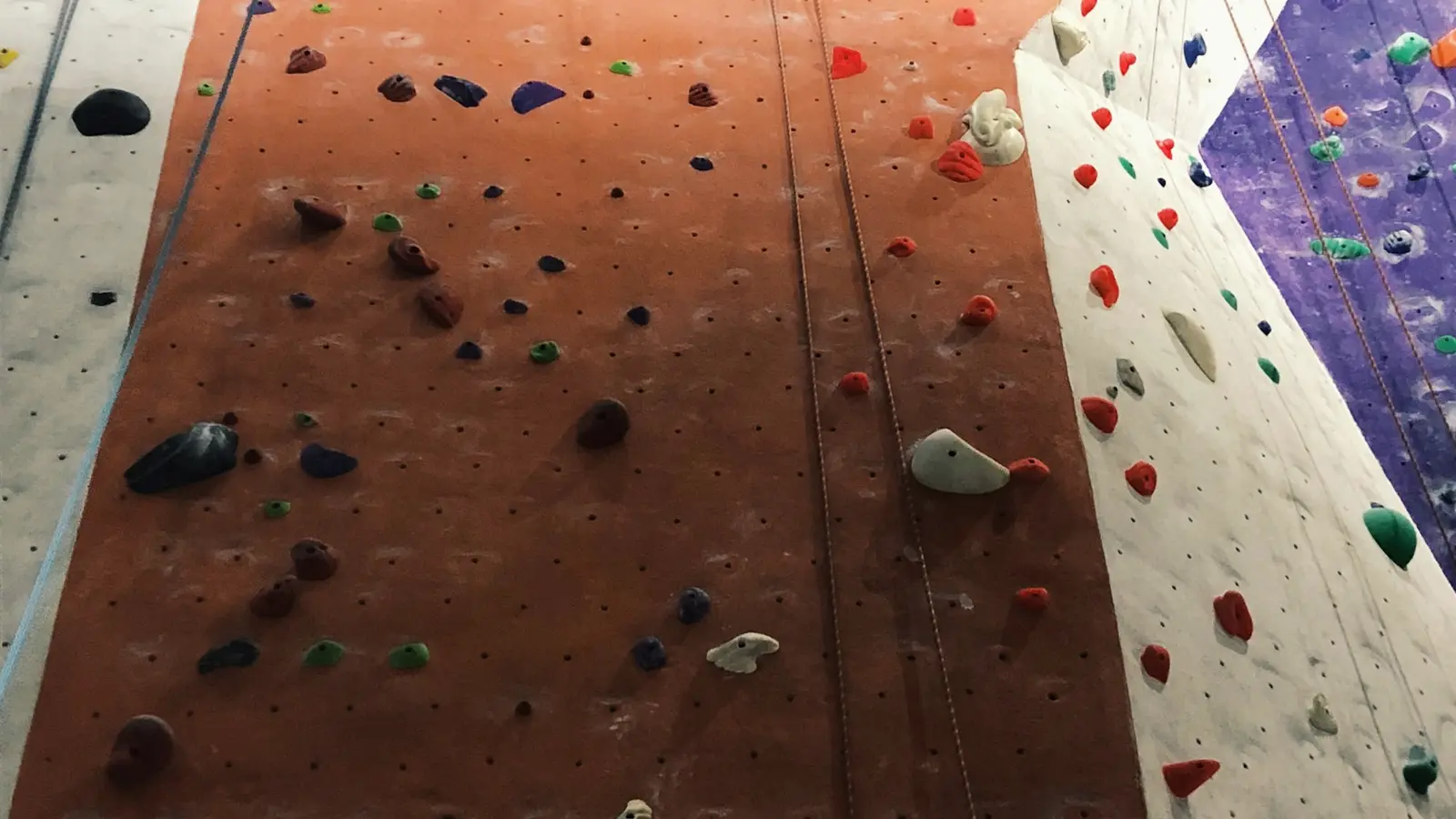
How climbing and bouldering centres fund walls, holds, matting, auto-belays and fit-outs, which finance fits each cost, and what lenders check before lending.
Explore funding options Prefer a quick call back? Leave your number
“Really easy to deal with and very transparent from start to finish.”
In short
What you need to know.
Lenders look most closely at the operator's trading record or experience, the lease term on the unit, membership and entry income, and the centre's inspection and safety records.
About climbing wall finance
Specialist knowledge. Better outcomes.
This page is for people building or running climbing and bouldering centres: independent operators, small chains opening another site, gyms and leisure centres adding a wall, and schools, universities and activity centres that let a wall to the public. It covers new centres, refits, holds, matting, auto-belays and training equipment. Smart Funding Solutions is a broker, not a lender: we search a panel of 300+ lenders and arrange facilities from £10,000 to £20 million. It goes deeper than our indoor leisure finance page, which covers trampoline parks, soft play and other attractions.
Holds and volumes, auto-belays, training boards, matting, hire shoes, harnesses and café equipment can often be funded through asset finance. Hire purchase suits kit you will keep; leasing suits kit you expect to replace on a cycle. Lenders are more comfortable with equipment from established manufacturers that can be removed and resold than with items built into the unit.
The wall structure is usually designed for one building, so once installed it has limited value to anyone else. Lenders therefore tend to treat it like building works, along with flooring, mezzanines, changing rooms, toilets and fire safety works. These are usually funded with a term loan, an unsecured business loan or fit-out and refurbishment finance, often alongside a landlord contribution or rent-free period.
A first centre is the hardest case, because lenders cannot test visitor numbers. Founders with industry experience, a strong business plan, a secure lease and a meaningful contribution of their own have better prospects. See start-up business loans.
An established centre taking most of its income by card and online booking may be able to use a merchant cash advance or a revolving credit facility to cover a quieter summer or the cost of a big reset. Compare the total cost carefully against a fixed-term loan.
Most centres earn from day entry, multi-visit passes and monthly memberships, with inductions, courses, coaching, kids' clubs and birthday parties on top. Shoe and harness hire, a café, a small shop and sometimes yoga or fitness classes add secondary spend. Memberships give a steady base; school holidays, wet weekends and winter evenings bring the peaks.
The costs are rent, staff, energy and insurance, plus a cost that is easy to underestimate: keeping the walls fresh. Route setters reset problems and routes on a rolling cycle, holds need washing and replacing, matting wears and auto-belays must be serviced and inspected to the manufacturer's schedule. A centre that budgets for this cycle trades well; one that does not ends up borrowing for it in a hurry.
Bouldering walls are lower, need no ropes and need less supervision once climbers are inducted, so they suit a wider range of units. They do need deep safety matting across the whole fall zone. Roped centres need a tall clear building, lead and top-rope walls, auto-belays and more staff time for inductions and supervision. Many newer centres combine a large bouldering area with a smaller roped or auto-belay zone, and the mix changes both the build cost and how much of it lenders can treat as equipment.
Climbing walls in the UK are generally built to the European standard EN 12572, which has separate parts for walls with protection points, for bouldering walls and for climbing holds. The Association of British Climbing Walls code of practice sets minimum standards for walls of every size, covering construction, maintenance and inspection of equipment, risk assessment, supervision, instruction and emergency procedures. Lenders and insurers will ask how you meet these, so keep inspection reports and maintenance logs in good order.
A wall bolted into a leased unit cannot be taken with you, so a lender funding it relies on your trading and, usually, a personal guarantee; read our guide to personal guarantees before you sign. Never take finance for longer than the lease has left to run. Test payments against a cautious year, remembering that membership churn can rise if a newer centre opens nearby. Borrowing of £25,000 or less by sole traders and small partnerships can be regulated consumer credit, which brings additional protections.
Alternatives worth weighing include a larger landlord contribution, a phased build that opens the bouldering area first, or a supplier payment plan for holds. Gyms adding a small bouldering wall may find it sits naturally within gym and fitness centre finance, and public leisure venues within leisure centre finance.
entries, memberships and party bookings per site, or the founders' track record in the sector
years remaining, break clauses and rent reviews compared with the finance term
an established supplier, with design to the relevant standard and a warranty
inspection records, incident logs, public liability cover and claims history
a budget for route setting, new holds and matting so the centre stays fresh
credit records, contribution and willingness to give a personal guarantee
How the main business finance structures work. Lenders set their own terms, so treat this as a guide to the questions to ask.
| Option | How you repay | Security | Often used for |
|---|---|---|---|
| Unsecured business loan | Fixed instalments, usually monthly | No charge over assets; a personal guarantee is usually required | Growth, stock, tax bills and cash flow |
| Secured business loan | Fixed instalments, often over a longer term | A charge over property or other assets | Larger sums, property and refinancing |
| Revolving credit facility | Interest on what you draw; repay and redraw | Varies by lender and case | Recurring or uneven cash flow gaps |
| Merchant cash advance | A share of future card takings | No charge over assets | Card-taking businesses with uneven months |
| Asset finance | Regular payments over the life of the asset | The asset being financed | Equipment, vehicles and machinery |
| Invoice finance | Settled as customers pay their invoices | Your unpaid invoices | Businesses waiting on customer payment |
General information only. Every lender has its own criteria, and all finance is subject to status.
| Cost | Finance that often fits | Why |
|---|---|---|
| Holds, volumes and training boards | Asset finance | Removable equipment with a resale market |
| Auto-belays and safety matting | Asset finance or a term loan | Depends on the supplier and how the kit is fixed |
| Wall structure | Term loan or fit-out finance | Built for one building, with little security value |
| Flooring, mezzanines and changing rooms | Fit-out finance or an unsecured loan | Works that cannot be repossessed |
| Heating, lighting and solar | Asset finance or a term loan | Energy savings can support the payments |
| Quiet months or a major reset | Revolving credit or merchant cash advance | Short-term and flexible |
Our guide to hire purchase vs leasing explains the difference between the two. The Annual Investment Allowance may let a business deduct the cost of qualifying equipment it buys; ask your accountant how it applies to your centre, and see asset finance and capital allowances.
We split your project into the parts different lenders will fund, separating removable kit from the wall structure and building works, then approach lenders on our panel that understand leisure operators. If your wall builder has offered finance, we can compare it against the wider market. We set the options out side by side and manage the application through to completion; the lender makes the decision. Our asset finance calculator gives a feel for payments before you speak to us. It is free to enquire; any broker fee is disclosed separately before you proceed.
It is possible, but harder than for a trading centre because lenders cannot test visitor numbers. Experience in the climbing industry, a detailed business plan, a secure lease and a meaningful personal contribution all help. Removable kit such as holds and matting is usually easier to fund than the wall itself. See start-up business loans.
Often, yes. Holds and volumes from established manufacturers can be removed and reused, so many asset finance lenders will fund them, either on their own or as part of a wider equipment package. Small purchases are often grouped together to make a worthwhile facility.
Usually, yes. Auto-belays are manufactured equipment that can be removed, so they are often funded on hire purchase or leasing. Lenders and insurers will expect them to be inspected and serviced in line with the manufacturer's instructions.
A climbing wall is usually designed and built for one building, so it has little value to a lender if it has to be removed. Lenders therefore treat it more like building works and fund it with a term loan or fit-out finance, relying on the centre's trading and the owners' guarantees.
Yes. Lenders compare the finance term with the years left on the lease and check break clauses. A lease that ends or can be broken before the finance is repaid is a common reason for a lender to cut the amount or shorten the term.
Yes. A trading business adding a wall is assessed on its existing accounts, which often makes funding easier than for a new centre. Gyms can see our gym and fitness centre finance page.
Yes. Buying an established climbing or bouldering centre is usually funded with acquisition finance: a loan sized on the business's recent profits, your own contribution and sometimes part of the price paid to the seller after completion. Lenders look most closely at membership and day pass income, the lease, the condition and inspection records of the walls and auto-belays, and any equipment finance already in place. You can see which lenders on our panel fund purchases like yours with Instant Quotes.
Bowling alley finance usually puts lanes, pinsetters, scoring systems and bar equipment on asset finance, funds building works…

Most gyms split the funding: equipment finance or leasing for the gym floor, secured on the kit, plus an unsecured loan for…
Outdoor activity businesses usually fund boats, bikes, vehicles and climbing kit through asset finance, and use an unsecured…

To open a day nursery in England you need premises with enough indoor and outdoor space for the EYFS requirements, a qualified…
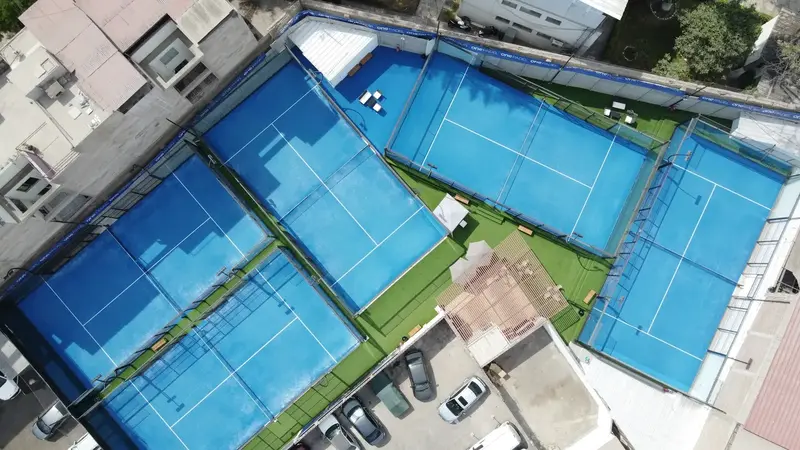
To open a padel club, test local demand, choose between an indoor unit and an outdoor site, secure planning consent and a lease…

To open an indoor golf centre, test local demand, find a unit with enough ceiling height and space for your bays, check…
What our clients say
“Simon was fast, kept us updated at all stages and was a real pleasure to work with on our asset finance. I highly recommend this company: excellent service all round.”
“Spoke with Simon, who managed to get me the loan I needed promptly. The whole process was very smooth and was completed within a few days.”
“Getting a business loan can feel like a bit of a minefield, but everything was broken down for me in great detail. Will use again in the future!”
“Simon was a pleasure to deal with and helped us find a business loan that matched our growth goals and future expansion plans.”
“I couldn’t source funding for my business, but the team got in touch within an hour and had it sorted within 24 hours. Fantastic service, and I would definitely use them again.”

Chat with Smart Funding
We usually reply in seconds
Please don't share bank details or passwords here. Calls on 01244 267694.