

Gym business loans for fitness centres and studios
Most gyms split the funding: equipment finance or leasing for the gym floor, secured on the kit, plus an unsecured loan for…
How adventure centres, watersports schools and activity operators fund kit, courses and vehicles, and how to borrow around a short trading season.
Explore funding options Prefer a quick call back? Leave your number
“A super responsive broker who quickly diagnoses the needs of the client.”
In short
Supporting outdoor activity businesses at every stage.
Because most income arrives between Easter and October, lenders look closely at twelve months of bank statements, forward bookings, the length of your site lease or licence, and your safety and licensing record.
The operating cycle
Cash leaves the business at every stage before it comes back. Each stage below is a point where the right facility can carry the gap.
“Fantastic service, and I would definitely use them again.”
Orders, contracts or customers secured.
Stock, materials and equipment paid for up front.
Asset finance →Wages and suppliers paid on time.
Working capital →The work is done or the goods are sold.
Customers pay, sometimes weeks later.
Invoice finance →VAT and Corporation Tax fall due.
HMRC loans →Growth, a new site or new equipment.
Business loans →About outdoor activity business finance
Specialist knowledge. Better outcomes.
This page is for adventure and activity centres, watersports schools, climbing and caving guides, high ropes and zip wire sites, paintball and bushcraft operators, and bike or kayak hire businesses. The finance problem they share is simple to state: most of the year's cash arrives in a few busy months, while kit, insurance and site costs have to be paid before the season starts. As a broker rather than a lender, Smart Funding Solutions looks across a panel of 300+ lenders for leisure operators needing from £10,000 to £20 million, and this guide sits within our SME loans section.
Choose the need, and we’ll show you how lenders usually structure it.
Income usually comes from three quite different customers. Schools and youth groups book residential or day visits a year or more ahead and pay deposits, with balances due shortly before the trip. Corporate team days and group celebrations fill weekdays and shoulder months. Families and walk-up visitors pay by card on the day, almost entirely in school holidays and good weather. A wet August can take a visible bite out of the year.
Costs run the other way. Harnesses, helmets, ropes and buoyancy aids have manufacturer lifespans and inspection regimes, so replacement is regular rather than optional. Wetsuits, kayaks, paddleboards and mountain bikes wear out in a few seasons of hard hire use. Insurance is often renewed as one annual premium. Seasonal instructors need training and national governing body qualifications before they can lead sessions. And many centres operate on land they rent from an estate, farm or water authority under a lease or licence, which matters a great deal to lenders.
Providers offering caving, climbing, trekking or watersports to under-18s for payment generally need a licence under the Adventure Activities Licensing scheme run for HSE. A lender will not assess your safety systems, but it will ask whether you hold the licences and insurance your activities require, because losing either stops the income.
Businesses that run the moorings, pontoons and boatyards that watersports depend on should see marina finance.
The most common mistake is borrowing against peak-season takings. A repayment that looks easy in July can be a strain by January, so model the loan against your worst trading month, not your average. School deposits are also not free cash: if a trip is cancelled you may owe them back, so treat them as a liability rather than a funding source for kit.
Personal guarantees are normal on unsecured lending to small operators, and directors should understand what they are signing. Before borrowing, check whether you can refinance kit you already own through asset refinancing, and whether a rural or tourism grant could cover part of a capital project; our comparison of business grants and business loans sets out the trade-offs. Borrowing of £25,000 or less by sole traders and small partnerships can be regulated consumer credit, which brings additional protections.
lenders want to see a full season and a full winter, not just the strong summer months, to judge whether repayments are affordable in February.
the length of your lease or licence, the landowner's break rights and whether you can remove fixed structures. A rolling annual licence limits the term a lender will offer.
confirmed school and group bookings for next season are some of the best evidence you can give, because they show income that does not depend on the weather.
an AALA licence where required, current public liability cover and a clean record of serious incidents.
boats, vehicles and branded bikes are easier to fund than fixed or highly specialised equipment.
a centre relying on one school trust or one corporate client carries more risk than one with a broad mix.
| Option | Best used for | Trade-off |
|---|---|---|
| Asset finance (hire purchase or leasing) | Boats, engines, minibuses, bikes, quad bikes, climbing walls on trailers | Works best for kit with a resale market; a fixed monthly payment continues through winter |
| Unsecured business loan | Ropes courses, site works, booking software, marketing, instructor training | Usually needs a director's personal guarantee; term and amount depend on trading history |
| Merchant cash advance | Operators with strong card takings from walk-up and online bookings | Repayments fall automatically in quiet months, but the total cost can be higher than a term loan |
| Revolving credit facility | Drawing in late winter and clearing the balance in summer | Needs discipline so the limit does not become permanent debt |
| Commercial mortgage | Buying the freehold of the site or centre buildings | Larger deposit and valuation costs; the property is at risk if repayments are missed |
A useful point about seasonal repayments: some lenders will set asset finance or loan repayments on a seasonal profile, with higher payments in summer and lower ones in winter. Ask for it at the outset rather than trying to renegotiate after the first missed winter payment. Our guide to seasonal business finance covers how these profiles work.
Purpose-built structures such as zip wires and aerial courses are a special case. They are fixed to trees, poles or land you may not own, have almost no second-hand value once removed, and so most asset finance lenders treat them as "soft" assets. They are usually funded with an unsecured loan, or with asset finance only where the lender takes additional comfort from the wider business. Good quality used equipment finance can also cut the cost of boats and vehicles.
Operators running indoor venues alongside outdoor sites may also find our guide to indoor leisure finance useful, and centres adding camping or glamping can read about caravan park and campsite finance.
Yes, but usually as an unsecured business loan rather than asset finance, because the structure has little resale value once installed. Lenders will want to see that your lease or licence runs long enough to cover the repayment term and that the landowner has consented to the build.
It is harder, because lenders cannot see a trading year. A start-up with an experienced founder, confirmed bookings and some personal investment has the best chance, often starting with asset finance on vehicles and boats. See our page on start-up business loans.
Where your activities and customers fall within the scheme, yes. A lender funding a business whose income depends on under-18 groups will want to know that the licence is in place and current, because without it that income cannot legally continue.
It can suit operators with heavy card takings, because repayments shrink when sales fall. The trade-off is cost: compare the total amount repayable with a term loan before choosing, and avoid using one to cover a permanent shortfall.
Yes, many activity operators borrow while renting their site, but the length and security of the lease or licence shapes what lenders offer. A rolling annual licence limits the term a lender will agree, and lenders check the landowner's break rights and whether you can remove fixed structures. Kit with a resale market, such as boats, minibuses and bikes, is easier to fund on a leased site. Buying the freehold is usually done with a commercial mortgage.
Yes. Buying an established outdoor activity business is usually funded with acquisition finance: a loan sized on the business's recent profits, your own contribution and sometimes part of the price paid to the seller after completion. Lenders look most closely at bookings and repeat groups, the site lease or freehold, the equipment and its inspection records, and any licence the activities need. You can see which lenders on our panel fund purchases like yours with Instant Quotes.
Most gyms split the funding: equipment finance or leasing for the gym floor, secured on the kit, plus an unsecured loan for…
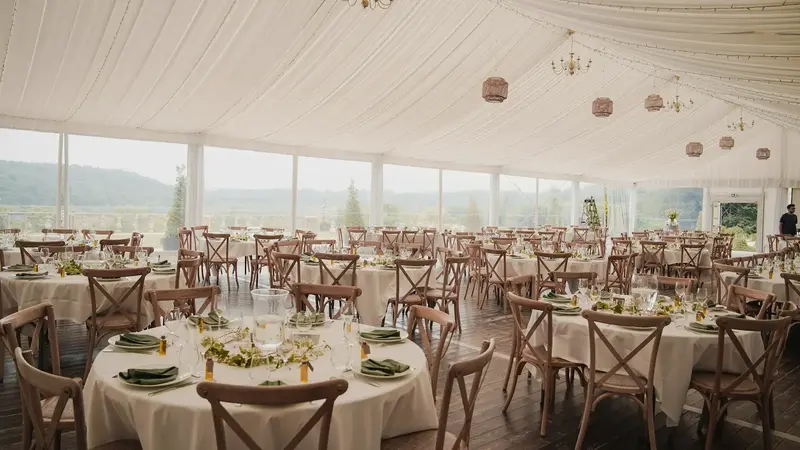
Event management businesses usually borrow to cover costs that fall due before the event pays: venue and supplier deposits,…
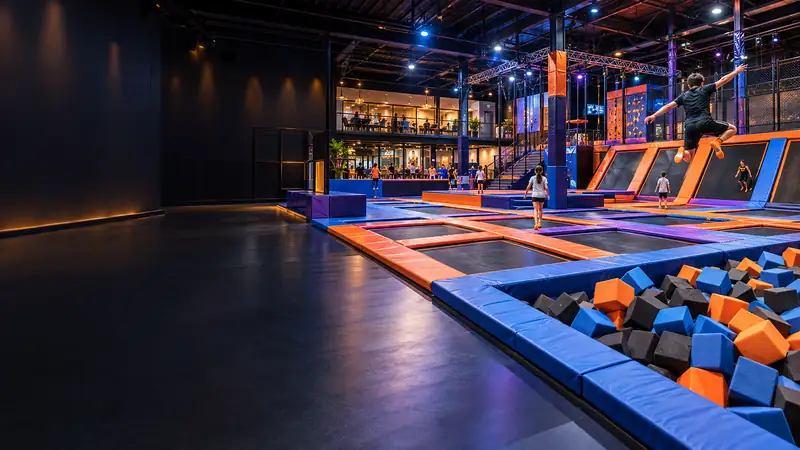
Trampoline parks and other indoor leisure sites usually fund their installed attractions with equipment finance, the building…
Marina finance usually combines asset finance for travel hoists, boat movers and some pontoon systems, a term loan or secured…

Bowling alley finance usually puts lanes, pinsetters, scoring systems and bar equipment on asset finance, funds building works…

Climbing wall finance usually combines asset finance for holds, matting, auto-belays and training boards with a term loan or…
What our clients say
“Simon was fast, kept us updated at all stages and was a real pleasure to work with on our asset finance. I highly recommend this company: excellent service all round.”
“Spoke with Simon, who managed to get me the loan I needed promptly. The whole process was very smooth and was completed within a few days.”
“Getting a business loan can feel like a bit of a minefield, but everything was broken down for me in great detail. Will use again in the future!”
“Simon was a pleasure to deal with and helped us find a business loan that matched our growth goals and future expansion plans.”
“I couldn’t source funding for my business, but the team got in touch within an hour and had it sorted within 24 hours. Fantastic service, and I would definitely use them again.”